

As energy costs skyrocket and grid reliability concerns mount, industrial facility owners face a pivotal choice about integrating energy storage with their rooftop solar systems. Recent studies show that 65% of commercial buildings could slash their energy expenses by up to 40% through proper integration, yet misconceptions continue to hold many back.
From structural requirements to aesthetic concerns, the barriers to adoption often stem from outdated information rather than technical limitations.
This comprehensive guide cuts through the myths to reveal the true potential and practical realities of combining solar power with energy storage solutions in industrial settings.
SECTION 1: COMMON MISCONCEPTIONS
As industrial property owners and facility managers explore sustainable energy solutions, misconceptions about integrating energy storage and solar panels into roofs can create significant roadblocks. Shockingly, 70% of companies still hesitate to make the leap to solar, mainly due to concerns about installation and upkeep. By addressing these misunderstandings, we can unlock the incredible benefits of energy storage systems equipped with solar technology. This section will clarify common misbeliefs related to roof weight, cost-effectiveness, and aesthetics.
Solar Panels Are Too Heavy for Roofs
A prevalent myth is that solar panels are excessively heavy for industrial roofs, potentially threatening structural integrity. This worry often leads property owners to dismiss solar energy solutions prematurely. In reality, most commercial roofing systems can comfortably accommodate the weight of solar panels without any engineering concerns.
To put things in perspective, modern solar panels weigh around 40 to 50 pounds each. When evenly distributed over a large roof area, their weight typically falls well within the load-bearing limits. Structural engineers can conduct assessments to determine a roof’s capacity for solar installations, ensuring safety and adherence to building codes.
Additionally, the market offers lightweight solar panel options. These innovative designs help alleviate weight concerns and extend opportunities for older buildings that may have been previously deemed unsuitable for solar systems.
By overlooking solar opportunities due to unfounded weight fears, property owners risk missing out on significant energy savings, eco-friendliness, and various tax incentives. Consulting with roofing professionals can help set misconceptions aside, allowing property owners to explore viable options.
Energy Storage Is Not Cost-Effective
Many property owners dismiss energy storage as an expensive add-on that fails to deliver substantial value. This prevalent notion acts as a substantial barrier to adopting solar systems with battery storage. However, this perspective overlooks the rapidly decreasing costs and various financial incentives available today.
In fact, the price of battery storage systems has plummeted by over 70% in the last decade. This remarkable decline makes investing in energy storage increasingly attractive for industrial businesses looking to enhance their solar infrastructure.
Integrating energy storage allows facilities to optimize savings by storing excess solar energy generated during daylight hours for later use during peak demand. This practice can significantly slash electricity expenses while acting as a safeguard against fluctuating energy prices.
As utilities impose penalties on businesses for high peak energy usage, energy storage systems transform from merely an option to a necessity. Investing in a combined solar and storage system is more than a simple expense; it’s a strategic financial choice leading to long-term savings. Energy storage allows you to store excess solar power generated during the day for use during peak hours or emergencies, further reducing energy costs and improving operational resilience.
Solar Systems Are Aesthetically Unappealing
Aesthetics frequently deter property owners from embracing solar systems, driven by the belief that roof-mounted panels detract from the visual appeal of their buildings. This misconception can cloud the functional advantages that solar technology brings.
Thanks to advancements in solar technology, innovative designs have emerged, such as building-integrated photovoltaics (BIPV), which blend seamlessly into roof structures. These systems can enhance a building’s appearance while efficiently generating renewable energy.
Moreover, ground-mounted solar arrays often go unnoticed as a viable alternative. Depending on the site’s layout, these designs can preserve the building’s aesthetics while maximizing solar energy production. Thoughtful landscaping and strategic placement can further minimize any visual impact.
By ignoring the potential of attractive solar designs, property owners limit their opportunities for energy savings and sustainability. Engaging with design professionals who specialize in aesthetically pleasing solar solutions can help ensure that practicality harmonizes with visual appeal.
SECTION 2: PRACTICAL IMPLICATIONS
The integration of energy storage systems with solar panels on industrial roofs is not just an opportunity; it’s a necessity that addresses the urgent need for cost savings and sustainability. Currently, only 15% of industrial facilities are harnessing the full power of energy storage, leaving countless businesses at a disadvantage as energy costs climb and environmental regulations tighten. For property owners and facility managers, understanding the implications of this technology is crucial to optimizing their roofing systems and reaping the rewards.
Impact on Roof Integrity and Durability
Introducing energy storage systems to industrial roofs is like adding a new layer to a cake—one that can dramatically alter the dish’s overall stability. The added weight of batteries and associated equipment requires a careful evaluation of the roof’s load-bearing capacity. Without this assessment, structural issues can arise, leading to leaks, deterioration, and expensive repairs down the line.
Imagine a facility that skips proper reinforcement for its roof. The result could be catastrophic—structural failure could bring operations to a halt and trigger costly renovations. Moreover, any changes made without thorough planning can invalidate manufacturer warranties, putting property owners in a precarious situation.
It’s essential for companies to commit to regular inspections and maintenance. The complexity introduced by additional systems means that teams need an evaluation protocol to keep track of wear and tear. Thankfully, with diligent upkeep in place, industrial roofs can continue to serve as a reliable protective shield.
In short, investing in the right structural assessments and ongoing care will save a great deal of money in the long run and significantly extend the life of the roofing system. Collaboration with qualified roofing professionals during the installation phase is crucial for seamless integration of energy storage solutions.
Effects on Energy Efficiency and Output
Pairing solar panels with energy storage has the potential to supercharge energy efficiency in industrial buildings. By storing excess solar energy for later use, facilities can reduce their reliance on grid electricity, particularly during peak demand when prices can skyrocket—sometimes over 200% more than during off-peak hours!
With energy storage in place, businesses can utilize their stored energy when costs are highest, leading to jaw-dropping savings. For example, a manufacturing plant featuring a large-scale battery system might achieve a return on investment in just two years thanks to dramatically lowered electricity bills.
But beware—the dance between solar generation and energy storage needs to be beautifully choreographed. If systems are mismatched, facilities risk underutilization, leaving money on the table. It’s vital to align the capacity of both solar and storage solutions with actual energy needs to maximize efficiency.
Achieving optimal energy efficiency doesn’t just trim operating expenses; it also aligns corporate goals with sustainability targets, creating a win-win scenario. Facility owners should take the time to understand their energy consumption patterns to fully unlock the benefits of their energy storage systems.
Integration Challenges with Various Roof Types
No two roofs are created equal, and the unique characteristics of different types can pose various challenges when integrating energy storage with solar systems. Flat roofs, often the norm in industrial settings, might allow easier access for installations, but they can also present tricky issues with drainage and wind uplift that need to be carefully managed.
Then there are sloped roofs, which may necessitate more sophisticated mounting options to ensure that solar panels and storage systems are secure. If overlooked during planning, these complications can lead to unexpected costs and delays, making close cooperation with roofing contractors essential.
Older materials can further limit integration options, as existing infrastructure might not support modern energy systems without significant hindrance. That’s why a comprehensive assessment that evaluates structural, environmental, and regulatory considerations is key to a successful implementation.
Grasping these integration challenges empowers facilities managers to make informed, strategic decisions about their roofing needs. Engaging with multidisciplinary teams not only fosters innovative thinking but also paves the way for tailored, effective solutions adapted to the specific conditions of each roof.
SECTION 3: COST OF MISINFORMATION
In the world of industrial roofing, misinformation about integrating energy storage with solar systems can lead to a range of costly mistakes. Property owners and facility managers may face inflated maintenance budgets and diminished energy efficiency, ultimately impacting their bottom line. For example, improper installations can not only result in more expensive repairs but can also disrupt operations. This section lays bare the financial repercussions of misconceptions, underscoring the need for accurate information in the decision-making process.
Increased Maintenance and Repair Costs
When misinformation runs rampant, it often results in installations that don’t align with manufacturer specifications. This misalignment can drastically elevate maintenance needs. For instance, facilities that overlook proper battery maintenance guidelines may experience frequent breakdowns, skyrocketing operational costs and extending downtime.
Imagine a facility that neglects to implement regular checks on its battery systems. The result? Unexpected failures that halt energy generation and lead to an over-reliance on expensive grid power. In fact, reactive maintenance can set a facility back two to five times more than taking a proactive approach.
Moreover, if maintenance staff lack the correct training due to misinformation, the aftermath can be catastrophic. Staff may struggle to diagnose problems effectively, leading to extended repair durations. This cycle only serves to inflate labor costs and operational inefficiencies.
Conversely, providing accurate information means that upkeep is done right from the start. A well-informed approach not only boosts system performance but also extends its lifespan, thus slashing maintenance costs over time.
Missed Opportunities for Tax Incentives
The intricate nature of energy storage and solar system integration can cause property owners to miss out on valuable tax incentives and rebates. State and federal programs abound, designed to promote the adoption of green energy technologies. However, misinformation may lead to overlooking these valuable financial aids.
Take, for example, a facility that invests heavily in an energy storage solution but fails to complete the required paperwork for relevant tax credits. This oversight can stretch the payback period, negatively impacting overall return on investment.
Given that energy incentives can shift over time, staying informed is critical. Misjudging eligibility criteria can translate to substantial financial losses. Many industrial properties reside in regions with specific incentives tailored to their energy consumption patterns.
By dedicating time to understand and navigate available financial opportunities, property owners can realize significant savings. Informed decisions help optimize financial commitments and maximize returns by ensuring that all potential benefits are taken advantage of.
Higher Energy Costs Due to Inefficiencies
Misinformation can create a cascading effect that leads to inefficient energy use, ultimately resulting in higher energy costs. Many property owners may mistakenly overestimate their energy storage capabilities due to incorrect assumptions regarding system performance. This pitfall can cause energy shortages during periods of peak demand.
For instance, a facility relying on a miscalibrated battery may find itself paying more for grid electricity when demand surges, which can severely undermine the financial viability of both solar and storage investments. Additionally, wasted energy resources can lead to negative environmental outcomes.
Furthermore, misunderstandings about demand response programs can limit potential cost savings. If a facility can’t pivot in response to changing energy markets, it risks paying higher prices when it could leverage savings instead. This lack of strategic planning can inflate operational expenses significantly.
By tackling these inefficiencies head-on, property owners can tap into the full potential of their energy systems. Accurate information fosters better decision-making, ultimately lowering energy costs and creating a more sustainable energy management strategy.
SECTION 4: REALITY CHECK
The integration of energy storage systems with solar panels on industrial roofs isn’t just a trend—it’s a critical strategy that can lead to substantial savings as energy costs continue to rise. However, before diving into this investment, property owners must carefully consider the practical realities of their roofs. Key factors include the structural integrity required to support these systems, the actual benefits they can yield in energy savings, and how these installations can complement the property’s aesthetics. Addressing these key issues enables informed, confident decisions.
Actual Weight and Structural Requirements
Integrating energy storage systems elevates the weight load on roofs, which many commercial buildings aren’t designed to handle. Failing to consider this can jeopardize not only safety but also the roof’s longevity.
Building codes typically set weight limits for roofing materials, making it imperative to conduct a detailed structural assessment before installation. Collaborating with skilled roofing consultants can pinpoint necessary modifications to support new systems safely.
For instance, a facility recently faced severe structural damage when its roof sagged under the weight of newly added solar panels and batteries. Such a scenario not only incurs hefty repair costs but could have been entirely avoidable with proper planning.
In essence, ensuring roofs can bear additional weight is more than just precautionary; it’s a fundamental step towards successful energy storage integration.
Real-World Energy Savings and Efficiency
Many property owners anticipate significant energy savings from solar and storage systems, but actual results can vary due to factors like geographical location and specific energy usage patterns. Overlooking these nuances can lead to inflated expectations and disappointment.
For example, a company in a sun-drenched region may achieve impressive energy savings, while those in cloudier locales might not see as much benefit. Facility managers need to assess their unique energy profiles to gauge potential returns effectively.
While energy storage systems can enhance overall efficiency, they require strategic management. If stored energy isn’t utilized effectively, particularly during peak demand, the envisioned savings may evaporate quickly. Training facility managers on optimal energy usage strategies ensures these systems deliver the anticipated benefits.
Ultimately, taking a realistic view of energy savings is key to successfully transitioning to modern energy solutions.
Aesthetic Integration with Modern Roofing
Aesthetics can significantly influence acceptance of solar and storage systems on industrial roofs. Many businesses worry that large or unsightly installations could detract from their brand image. Thankfully, advances in technology have introduced sleeker, more visually appealing options for integration.
Choosing low-profile solar panels can minimize visual disruption while still ensuring high efficiency. Similarly, innovative storage designs can be incorporated seamlessly into the roofing structure, maintaining architectural harmony.
Notably, some companies actively promote their commitment to eco-friendly energy practices as part of their brand identity. A well-executed solar and storage solution can symbolize corporate responsibility, enhancing appeal for customers and stakeholders alike.
By addressing aesthetic concerns with thoughtful design, businesses don’t just maintain visual integrity; they enhance brand value and recognition in today’s competitive market.
SECTION 5: EVIDENCE-BASED ALTERNATIVES
As the demand for sustainable energy surges, industrial property owners need to integrate energy storage with solar solutions now more than ever. Research shows that effective energy storage systems can boost a facility’s energy efficiency by up to 40%. A tailored approach to solar and battery integration ensures businesses not only cut operational costs but also gain a competitive edge in a fast-evolving market. This section dives into critical options, including custom solar system designs, the advantages of battery storage, and advanced technologies for optimizing panel placement.
Custom Solar System Designs for Industrial Roofs
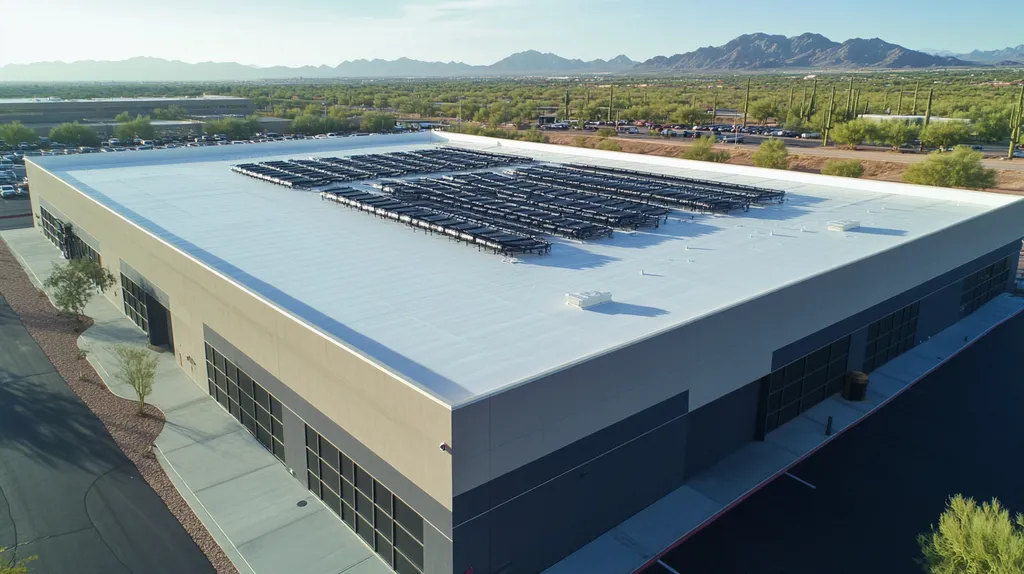
Industrial roofs come with unique characteristics that demand specialized solar system designs. Each facility has its own structural quirks, such as roof pitch, size, and orientation. Custom designs tap into these specific features to make sure solar panels are capturing the maximum amount of sunlight available.
For instance, a flat rooftop may hugely benefit from angled mounting systems that enhance solar exposure. Features like shading analysis are also valuable tools to optimize energy production throughout the day. Owners who invest in tailored solar designs can expect a higher return on investment through improved energy output.
Custom designs also tackle load-bearing requirements, taking into account existing rooftop equipment and ensuring compliance with local building codes. This proactive approach not only avoids future complications but also helps extend the lifespan of solar installations.
In essence, a custom approach to solar design turns underutilized rooftops into productive energy-generating assets that specifically meet the energy needs of each industrial building.
Benefits of Battery Storage and Power Purchase Agreements
The blending of battery storage with solar energy systems adds reliability and better energy management for industrial operations. By storing excess energy produced during peak sunlight hours, businesses can utilize this power during peak demand times or in case of unexpected outages.
Battery systems play a vital role in reducing reliance on utility power, resulting in significant cost savings and improved sustainability credentials. Research indicates that facilities using battery storage can enjoy an average reduction of 30% in energy costs.
Power Purchase Agreements (PPAs) work in synergy with battery storage. These contracts enable companies to buy electricity generated from solar facilities at a fixed rate, insulating them from market price fluctuations. This setup stabilizes expenses and simplifies energy cost budgeting.
By combining battery storage with PPAs, companies create a powerful financial model that allows them to exert control over energy consumption while simultaneously shrinking their carbon footprint. This dual strategy not only enhances operational efficiency but also bolsters corporate sustainability initiatives.
Advanced Software for Optimal Solar Panel Placement
Advanced software tools are changing the game in how solar panels are placed on industrial roofs. These programs conduct detailed analyses and simulations to pinpoint ideal locations for panels, accounting for essential factors like sun exposure, shading, and roof structure.
For instance, software like PVsyst and Helioscope can produce tailored design recommendations by considering local climate conditions, delivering actionable insights that lead to increased energy yields. This technology allows for more precise planning, resulting in higher performance and fewer installation errors.
Moreover, using these advanced tools reduces uncertainties in system design, contributing to effective energy forecasting and better financial analyses. By making data-driven design decisions, companies can optimize energy production and boost their project’s economic viability.
Through leveraging advanced software for solar panel placement, industrial property owners can ensure they are making well-informed choices that cater to both current energy demands and future growth opportunities.
SECTION 6: TEST AND VERIFY
In today’s fast-paced world, the shift towards renewable energy is more crucial than ever for industrial buildings. Pairing solar energy with energy storage systems offers tremendous potential for enhanced efficiency and sustainability. However, to unlock these benefits, it’s essential to implement robust testing and verification processes. This section explores the necessity of conducting energy assessments, best practices for monitoring and maintenance, and highlights successful case studies, reinforcing the importance of verification in energy storage integration.
Conducting Energy Assessments and Feasibility Studies
Before investing in solar and energy storage systems, property owners must conduct thorough energy assessments. These evaluations measure current energy usage patterns and identify potential savings that integration could offer. Key factors, such as facility size and energy demand, combined with sunlight availability, play a vital role in making informed decisions.
Feasibility studies take this a step further by examining both technical and financial viability. These studies help pinpoint the optimal system size and configuration tailored to the facility’s specific objectives. A comprehensive feasibility study lays the essential groundwork, increasing the likelihood of project success.
Energy simulations can provide predictive models of system performance, offering insights into how systems will operate under different conditions. This foresight not only anticipates energy needs but also helps optimize energy storage solutions, minimizing unexpected costs or performance snags down the line.
Ultimately, thorough energy assessments and feasibility studies empower decision-makers with the vital data needed to pave the way for sustainable energy solutions.
Monitoring and Maintenance Best Practices
Once solar and energy storage systems are up and running, ongoing monitoring becomes essential. Real-time data collection allows facility managers to track system performance and quickly identify any anomalies. This proactive, hands-on approach minimizes downtime and helps optimize energy efficiency.
Regular maintenance is crucial for ensuring longevity and peak performance. Establishing a routine schedule helps detect wear and tear before it becomes problematic. By enlisting qualified professionals for maintenance tasks, facility owners can rest assured that all work adheres to industry standards.
Implementing a performance benchmarking system allows facility managers to evaluate integration effectiveness. By comparing actual performance to expected outcomes, managers can verify that the systems are indeed meeting their intended goals.
Investing in both monitoring and maintenance safeguards the initial investment while enhancing the overall reliability of energy systems. This commitment to upholding standards not only fosters operational continuity but also solidifies the long-term success of energy storage and solar integration.
Case Studies of Successful Solar and Energy Storage Integrations
Exploring successful case studies provides valuable insights into effective practices. For instance, a California manufacturing facility integrated a robust solar energy system with battery storage, resulting in a 30% reduction in energy costs and energy independence during peak demand hours.
Another compelling example features a distribution center that embraced a hybrid energy model, combining wind and solar with energy storage. This strategy enabled the facility to improve demand balancing, dramatically lowering its carbon footprint. These success stories illustrate the significant advantages of well-planned energy integration strategies.
These cases highlight that success is attainable when rigorous testing and verification protocols are in place. By learning from these examples, other industrial buildings can implement best practices customized to their unique requirements.
Ultimately, the integration of solar and energy storage systems serves as a pathway to improved efficiency and sustainability for industrial facilities. These case studies stand as testament to the importance of thorough testing and verification, paving the way for future energy projects.
Looking Ahead
With energy costs projected to rise 30% over the next five years, industrial facilities can no longer afford to ignore the transformative potential of integrated solar and storage systems.
The evidence is clear: properly designed and installed systems can slash energy expenses by up to 40% while providing critical backup power during outages and peak demand periods.
By moving past outdated misconceptions about weight, aesthetics, and costs, facility owners can tap into substantial tax incentives while future-proofing their operations against rising utility rates.
The technology exists today to create seamless, efficient integrations that enhance both sustainability and the bottom line – but only for those willing to embrace evidence-based solutions and proper verification protocols.
The question is no longer if industrial facilities should integrate energy storage with solar, but rather how quickly they can implement these essential systems before falling behind their competitors.
FREQUENTLY ASKED QUESTIONS
Q. Are solar panels too heavy for my commercial roof?
A. Many believe solar panels are too heavy, risking structural integrity. However, modern roofs can generally bear the weight, especially with newer lightweight options available. Consulting structural engineers can help determine if your roof is suitable for solar installations, ensuring your investment is safe and sound.
Q. Will adding energy storage hurt my industrial roof?
A. Integrating storage systems without assessing the roof’s load-bearing capacity can harm the structure. If the roof is not reinforced adequately, it could lead to significant damage over time. Engaging roofing professionals can identify required modifications to maintain integrity while enhancing energy efficiency.
Q. How can misinformation cost me with energy systems on my industrial roof?
A. Misinformation can lead to poor installations, inflated maintenance budgets, and increased downtime. For instance, neglecting proper upkeep based on incorrect assumptions could lead to costly repairs. Accurate information is vital for effective decision-making and maximizing the benefits of your solar systems.
Q. What factors impact energy savings from solar on a commercial roof?
A. Energy savings depend on factors like geographic location and specific energy usage patterns. Facilities in sunnier areas may see greater benefits than those in cloudier regions. It’s crucial for facility managers to assess energy profiles to set realistic expectations on potential savings.
Q. How can I optimize my industrial roof for solar systems?
A. Custom solar designs tailored to your roof’s characteristics maximize sunlight capture. Utilizing advanced software tools allows for precise layout planning that considers shading and exposure. A well-executed design can significantly enhance energy production and improve overall efficiency.
Q. Should I conduct energy assessments for my systems on an industrial roof?
A. Absolutely! Energy assessments evaluate current usage patterns and help identify potential savings. Conducting feasibility studies can ensure systems are sized correctly and financially viable, paving the way for successful integration of energy solutions tailored to your facility.
Q. What are the best practices for maintaining energy systems on my commercial roof?
A. Regular monitoring and maintenance ensure peak performance. Establishing a routine schedule helps detect issues before they become costly. Qualified professionals should perform maintenance tasks, aligning with industry standards to protect your investment and maintain operational efficiency.






