

Commercial property owners are losing millions annually by relying on outdated roof color strategies that fail to effectively combat heat absorption. Recent studies show that traditional approaches focusing solely on light-colored surfaces can miss up to 40% of potential energy savings.
The relationship between roof color and heat management is far more complex than industry guidelines suggest, involving factors from urban geometry to advanced material science.
This analysis challenges established practices while revealing how overlooked elements like insulation technology and ventilation systems play crucial roles in creating truly efficient commercial roofs.
SECTION 1: CURRENT PRACTICES
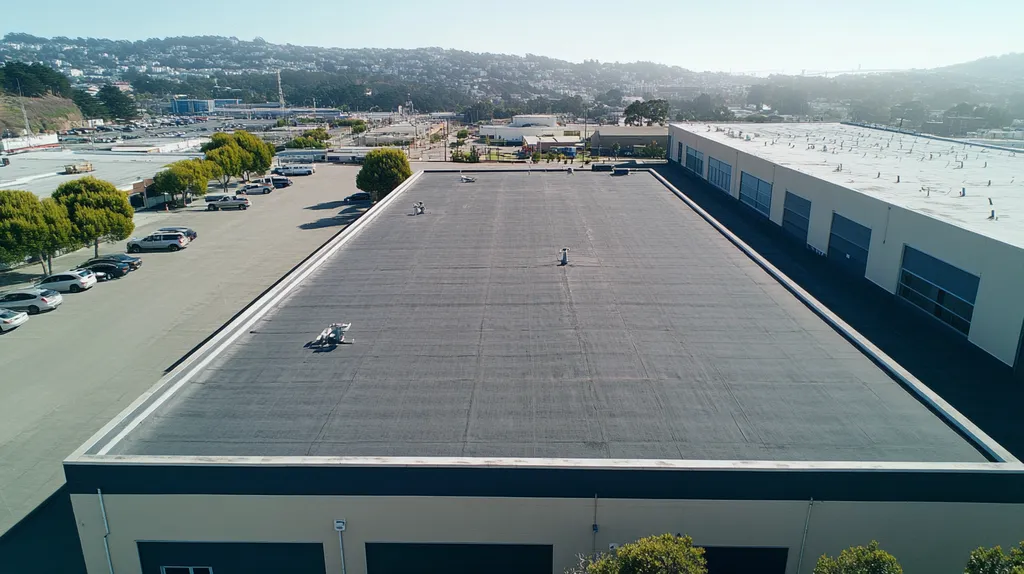
The color of commercial roofing materials plays a pivotal role in heat absorption, which directly affects energy expenses and sustainability efforts. A striking study highlights that dark roofs can soar to temperatures reaching 180°F on sunny days, causing a spike in air conditioning use and inflated energy bills. For property owners and facility managers, grasping current practices is vital for enhancing roof performance and cutting costs.
Roof Color Mandates and Regulations
Across the nation, many jurisdictions enforce color guidelines for commercial roofs, typically favoring lighter or reflective options to help reduce heat absorption. Yet these regulations can be overly one-size-fits-all, disregarding local climate differences. For example, a uniform approach might function effectively in cooler regions but could lead to wasted energy in hotter areas.
Moreover, some municipalities encourage the use of white or light-colored roofs as a way to achieve environmental goals. While these choices can lower surface temperatures, they may not adequately combat the urban heat island effect, which could lead to higher cooling costs instead of the intended savings.
Relying on outdated regulations creates a mismatch between policy and actual material performance. Property owners need to push for more tailored standards that reflect scientific data and specific local conditions.
As regulation evolves, it’s essential to include a wider range of options that incorporate cutting-edge technologies and innovative materials. Progress is needed to align with effective practices in energy management.
Common Materials and Their Limitations
Standard roofing materials like asphalt and rubber frequently offer a limited array of color choices. Although white or light coatings can help reduce heat absorption, these materials may not deliver the durability and performance needed in challenging environments. Darker hues remain favorites for aesthetic appeal, but they can dramatically elevate roof temperatures.
TPO and PVC roofing systems are engineered to be reflective, yet their efficiency varies significantly with color selection. For instance, white TPO can reflect an impressive 87% of sunlight, while gray shades typically reflect just around 60%. This difference can lead to notable discrepancies in temperature management and energy costs.
The constraints of traditional materials underscore the necessity for innovative roofing solutions that marry functionality with sustainability. New coatings capable of dynamically adjusting their reflectivity could serve as superior alternatives, offering a broader color spectrum without compromising heat absorption.
By understanding these constraints, property owners can make more informed choices. It’s crucial to weigh not only visual appeal but also heat regulation and energy efficiency when selecting roofing materials.
Industry Standards and Guidelines
The roofing industry currently adheres to various standards set forth by organizations such as the Cool Roof Rating Council (CRRC) and the American Society for Testing and Materials (ASTM). These guidelines aim to measure the reflectivity and emissivity of roofing products, but they often fall short in offering comprehensive advice on colors suitable for different climates.
As the science of heat absorption continues to develop, these industry standards need to adapt. New recommendations should factor in local weather patterns to improve performance metrics. For example, a uniform reflective rating may provide little benefit for a building situated in consistently warm environments unless paired with flexible color strategies.
Furthermore, implementing more stringent testing methods would help integrate new technological advancements into existing standards. The current guidelines should also broaden their analyses to account for the long-term effects of various colors and coatings on energy efficiency.
Industry stakeholders must advocate for revisions in these standards to foster a future where roof color strategies are rooted in solid scientific principles and geographical realities. A strong move toward data-informed practices can empower property managers to significantly enhance building performance.
SECTION 2: SYSTEMIC ISSUES
The heavy reliance on roof color as a primary strategy for energy efficiency is a ticking time bomb for commercial property owners. Research shows that simply opting for lighter colors often results in only marginal decreases in energy consumption. This approach can create a false sense of security, as it overlooks the intricate factors that truly influence heat absorption and energy expenses. Stakeholders must urgently reevaluate their tactics to develop truly effective and sustainable roofing solutions.
Inefficacy of Color in Energy Efficiency
For decades, roof color has been touted as a magic bullet for reducing energy costs. However, evidence reveals that the impact of color alone on a building’s energy efficiency is limited beyond a certain threshold. For example, an extensive study across various climates demonstrated that dark-colored roofs can be just as effective when paired with superior insulation and ventilation systems.
This insight challenges the prevailing belief that lighter colors are always the best choice. While lighter hues do reflect sunlight, they cannot bridge the gap created by poor building design or other systemic inefficiencies. Consequently, property owners may squander precious resources fixating on color while neglecting robust energy management strategies.
Moreover, focusing exclusively on roof color can distract from integral solutions such as advanced insulation and innovative reflective coatings. Ignoring these critical components can lead to escalated energy consumption and operating costs for building owners, undermining their financial bottom line.
Investments made solely with color in mind can lead to dissatisfaction with performance and sustainability. Therefore, industry professionals must pivot from superficial solutions, embracing comprehensive system evaluations that pave the way for substantial efficiency gains.
Urban Heat Island Effect Misconceptions
The urban heat island effect is frequently cited as a justification for adopting lighter-colored roofs, yet this view neglects essential complexities. This phenomenon causes urban areas to experience elevated temperatures compared to their rural surroundings, primarily due to human activities and built infrastructures. While lighter roofing may help cool surface temperatures, it is merely one piece of a much larger puzzle.
Local context profoundly affects the practicality of color-based solutions. In densely populated urban areas, factors like green spaces and building density can significantly mitigate heat absorption. Relying solely on color could yield disappointing results for property owners who overlook these nuances.
Rather than merely addressing surface temperatures, more comprehensive strategies—such as incorporating green roofs, enhancing vegetation, and improving urban planning—bear greater potential for effectively tackling heat retention. These solutions directly address the root causes of excessive heat and enhance comfort in urban environments.
Focusing narrowly on color risks falling short of effective solutions, necessitating innovative approaches that yield genuine reductions in urban heat while fostering long-term sustainability.
Overreliance on Roof Color Solutions
The inclination to prioritize roof color solutions can engender complacency among property managers and owners. Such a focus may stifle essential innovations that enhance building performance. By placing color at the forefront, stakeholders might inadvertently narrow their options for achieving truly sustainable roofing outcomes.
Cutting-edge materials, including advanced cool roofing systems, deliver remarkable benefits independent of color. These systems effectively mitigate heat absorption through specialized coatings, optimizing energy efficiency and allowing for creative design choices.
Often, property managers select roofing materials based solely on color, overlooking how these choices interact with other building components. This shortsightedness can sabotage potential energy savings and diminish the advantages available through more sophisticated roofing technologies.
A transformative shift in mindset is essential. Instead of clinging to traditional color-based strategies, the industry must advocate for an integrated approach that considers all facets of roofing systems to maximize performance and longevity.
SECTION 3: MISSED OPPORTUNITIES
Focusing strictly on color strategies for commercial roofs can lead property owners to overlook critical elements that greatly affect heat absorption. For example, advancements in insulation technology offer opportunities to substantially enhance energy efficiency. Statistics reveal that improved insulation can reduce energy costs by up to 30%. Ignoring these vital factors means missing out on considerable savings and increased comfort for building occupants.
Neglect of Insulation Technology
Insulation is crucial for managing heat absorption, yet many property owners fail to fully leverage it. Advanced materials like rigid foam and reflective barriers can significantly boost energy savings. When combined with roofing systems, high-performance insulation minimizes heat gain, keeping interiors cooler even during the hottest months.
The initial cost of installing superior insulation is often recouped quickly through reduced energy expenses. For example, a well-insulated roof prevents the loss of cool air, leading to lowered air conditioning demands. This not only cuts costs but also supports sustainable operational practices.
Additionally, these modern insulation technologies tend to come with extended warranties and enhanced durability. This means building owners are making an investment that safeguards their roofs for many years while enjoying financial benefits. By focusing mainly on color, they miss these key advantages.
Incorporating innovative insulation strategies into roofing plans can dramatically enhance overall building performance. This shift away from color-centric solutions will empower property owners to adopt a more holistic approach to energy management.
Ignoring Ventilation and Airflow
Effective ventilation and airflow are paramount for a roof’s ability to regulate heat, yet many facilities overlook these factors when enhancing roofing efficiency. Proper ventilation reduces heat buildup on the roof surface, which directly influences energy consumption and indoor comfort.
For instance, ventilated attics can expel excess heat, ensuring cooler indoor environments. Without adequate airflow, even the best reflective coatings may not achieve their intended effects. Investing in strategic vents can boost overall roof performance while extending its lifespan.
Property owners should not only concentrate on materials but also on how their roofs facilitate air movement. The synergy of reflective materials combined with effective ventilation systems can lead to superior cooling efficiency, far exceeding what color can achieve alone. This approach provides a comprehensive strategy for managing heat absorption.
Ultimately, enhancing ventilation and airflow improves indoor air quality, lowers cooling costs, and increases tenant satisfaction. Recognizing this missed opportunity enables property owners to make impactful changes that contribute to more efficient and comfortable environments.
Overlooking Landscaping and Shade
Many property owners underestimate the power of landscaping and shade in reducing heat absorption. Strategically planting trees and shrubs around commercial buildings can have a significant cooling effect on roof temperatures. This natural method enhances energy efficiency while decreasing reliance on technological solutions.
Research indicates that shade from trees can lower air temperatures by as much as 10 degrees Fahrenheit, leading to tangible savings on cooling costs. Additionally, plants help regulate humidity levels, further boosting outdoor comfort.
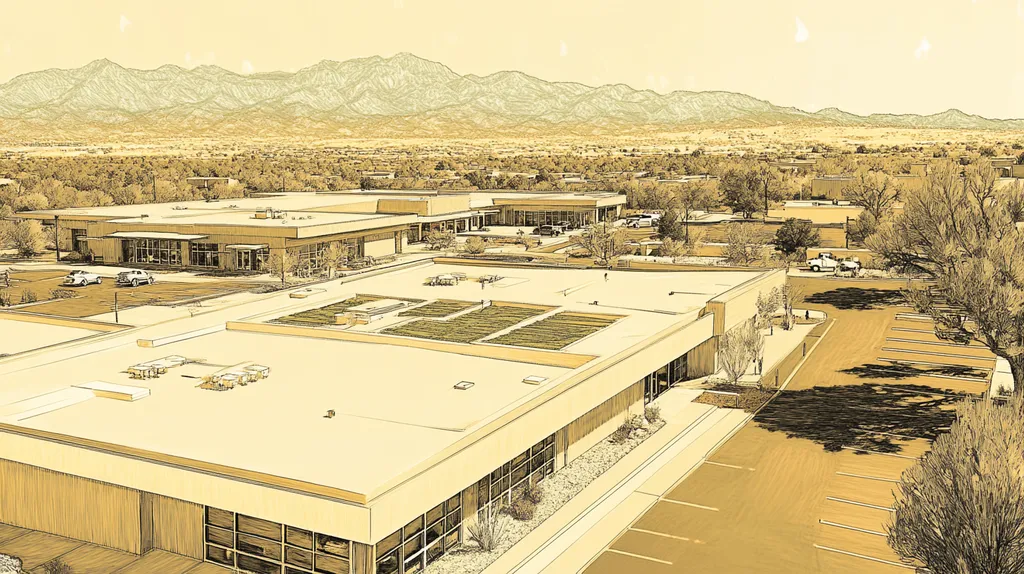
Incorporating landscape design into roofing plans provides a dual benefit: improved energy efficiency coupled with aesthetic appeal. Green roofs, for example, offer insulation and temperature moderation while adding vibrant visual elements. By neglecting these options, property owners forfeit sustainable solutions that complement their roofing materials.
Investing in thoughtful landscaping and shade strategies significantly enhances roof performance and creates inviting outdoor spaces for employees and visitors alike. By recognizing these opportunities, property owners can implement a more comprehensive approach to managing heat and elevating building performance.
SECTION 4: ROOT CAUSES
Addressing the root causes of heat absorption in commercial roofs is critical for property owners and facility managers seeking to optimize building performance. It’s essential to recognize that factors extending beyond color significantly influence heat dynamics. Notably, urban areas can experience temperature increases of up to 5°F compared to their rural counterparts. This section delves into the material characteristics of urban environments, the heat generated by human activities, and the impact of geographical conditions, all of which play pivotal roles in determining roof temperatures.
Urban Material Properties and Geometry
The design choices and materials prevalent in urban settings greatly affect heat absorption levels. Traditional roofing materials often trap heat, resulting in elevated surface temperatures. Urban landscapes dominated by concrete and asphalt contribute significantly to the urban heat island effect, making it challenging to mitigate heat absorption effectively.
Statistics reveal that a substantial portion of urban roofs struggle to manage heat adequately. Materials such as metals and darker coatings exacerbate this issue, while lighter options often provide only limited relief. Thus, selecting the right materials and considering roof geometry are crucial components in effectively battling heat-related problems.
Moreover, the structure of a building can hinder airflow and ventilation, which directly impacts roof surface temperatures. Complex building shapes may impede effective cooling strategies and trap heat, underscoring the need for property owners to adopt a comprehensive approach to design and material selection.
Ultimately, a lack of awareness around urban material choices and geometric planning can result in soaring energy costs and accelerated wear on roofing systems. By evaluating these vital factors, property managers can make informed decisions that truly reduce heat absorption.
Heat from Human Activities and Infrastructure
Human activities and adjacent infrastructure create significant heat that affects commercial roofs. Business operations, HVAC systems, and vehicular traffic all contribute to the thermal environment of a building. This ambient heat can elevate rooftop temperatures, amplifying heat absorption challenges.
Data indicates that industrial activities can greatly augment local heat levels. Facilities that operate heavy machinery or use extensive lighting often see their rooftops absorbing more heat as a result. This is particularly evident in high-energy sectors such as manufacturing.
Additionally, the way pavement is laid out around a building can intensify heat retention. Traditional parking lots and road surfaces reflect and radiate heat back towards roofs. Thus, it becomes imperative to address both infrastructure and activity levels in order to effectively manage roof heat absorption.
By acknowledging the relationship between human activities and roofing performance, property managers can implement strategic improvements that lessen heat impacts on their buildings.
Weather and Geographical Factors
The influence of weather patterns and geographical location is crucial when assessing a roof’s heat absorption capabilities. Regions with high solar radiation, such as the Southwest U.S., naturally lead to elevated roof temperatures. Seasonal temperature variations can further complicate heat dynamics during the peak summer months.
Humidity levels also play a role in shaping heat effects. Coastal areas may experience higher humidity, impacting how heat interacts with roofing materials, while arid regions face sharp temperature fluctuations that amplify heat retention and challenge energy efficiency.
Moreover, climatic factors such as wind and precipitation can also affect roof temperatures. Improved airflow can help disperse heat, whereas stagnant air can create hotter rooftop environments. Gaining insights into local climate conditions is essential for selecting roofing materials that effectively manage heat absorption.
In conclusion, various weather and geographic factors profoundly affect the heat dynamics experienced by commercial roofs. Property owners must consider these elements when making roofing material selections to ensure optimal performance tailored to their specific environments.
DATA DRIVEN EVIDENCE
The stakes in selecting the right roof color are higher than many property owners realize. Recent studies indicate that lighter-colored roofs can reduce cooling costs by up to 15%. However, traditional practices often overlook alternative solutions that could enhance energy efficiency even further. This section highlights groundbreaking research, energy metrics, and case studies that challenge established beliefs about roofing color.
Recent Studies on Roof Color Impact
Recent research has unveiled critical findings about roof color and its effect on heat absorption. A comprehensive study from the Lawrence Berkeley National Laboratory shows that white roofs can lower indoor temperatures by up to 20 degrees Fahrenheit when compared to standard dark roofs. This temperature difference translates into significant energy savings during the sultry summer months.
Moreover, lighter roofing materials can reflect up to 80% of sunlight, an impressive contrast to darker materials that tend to trap and retain more heat. These findings underscore a crucial point: selecting the right roof color can dramatically enhance energy efficiency.
Regionally focused studies reveal that the impact of roof color varies according to local climate. In hotter regions, the effect is even more pronounced, suggesting that property owners should adopt more customized solutions. The collective message from this research is clear: color choice is pivotal in managing energy demand effectively.
These insights encourage property owners and facility managers to rethink their strategies regarding roof color selection. Understanding the science behind these choices can lead to better long-term value and sustainability.
Energy Efficiency Metrics and Analysis
Energy efficiency metrics surrounding roofing choices reveal a concerning reality for many buildings. A thorough analysis from the American Society of Heating, Refrigerating and Air-Conditioning Engineers indicates that for every degree rise in roof temperature, cooling energy consumption can spike by 3%. This revelation is critical for facilities located in warmer climates.
Further analysis indicates that buildings outfitted with reflective or light-colored roofing often experience energy consumption reductions of up to 30%. In contrast, properties that cling to traditional darker hues face escalated operational costs and frequent maintenance needs.
The financial fallout goes beyond just energy bills. Many utility companies incentivize the use of energy-efficient roofing materials, providing rebates for installations of reflective roofs. Such incentives can substantially offset initial costs, making the transition more attractive for property owners.
For facility managers focused on optimizing performance and minimizing expenses, understanding these metrics is vital. Prioritizing energy efficiency in roofing strategies not only supports sustainability but also bolsters profit margins.
Case Studies on Alternative Solutions
Numerous commercial properties demonstrate the advantages of questioning traditional roofing practices. For instance, a large retail chain upgraded to a reflective roof, resulting in a remarkable 25% reduction in cooling costs within the first year. This case nicely illustrates the practical savings achievable through thoughtful roof color choices.
Another noteworthy example comes from an industrial facility that adopted a hybrid roof system, incorporating both reflective and vegetative components. This innovative approach not only cut down heat absorption but also extended the roof’s lifespan, all while enhancing aesthetic appeal. Owners reported decreased energy use and improved employee comfort as direct benefits.
These case studies confirm that alternative solutions are more than just theoretical; they offer real-world applicability and substantial savings. The results not only validate research findings but also encourage wider adoption of progressive roofing strategies.
Ultimately, these examples highlight the importance of transforming perspectives on roof color and heat absorption. Data-driven decision-making can lead to improved operational efficiencies and significant cost savings for commercial property owners and facility managers.
SECTION 6: ALTERNATIVE SOLUTIONS
The time has come for commercial property owners and facility managers to rethink their roofing strategies. As our understanding of energy efficiency evolves, sticking with outdated color choices could lead to oversights that inflate operational costs. Studies demonstrate that innovative roofing solutions, such as reflective materials, enhanced insulation, and green features, can bolster energy performance immensely. By exploring these alternatives, building owners can significantly reduce energy consumption and improve overall sustainability while maintaining a keen eye on their bottom line.
Reflective Roofing Materials and Technologies
Reflective roofing materials are making waves as a transformative alternative, dramatically reducing heat absorption. Designed to deflect sunlight, products like reflective membranes can keep rooftops considerably cooler during sweltering months. Research has shown that these materials can reduce roof surface temperatures by as much as 40 degrees Fahrenheit, leading to more comfortable indoor environments and markedly lower air conditioning needs.
Furthermore, advancements in reflective coatings now incorporate cutting-edge pigments that not only enhance reflectivity but also improve durability against the elements. These innovations ensure that the benefits of reflective materials endure even through shifting climate conditions.
Integrating reflective materials into roofing plans aligns with sustainability goals too. By minimizing the urban heat island effect, property owners contribute positively to their local environments and attract eco-conscious tenants, enhancing appeal in a competitive real estate market.
Enhanced Insulation and Ventilation Strategies
Optimizing insulation and ventilation strategies is essential in reducing heat absorption in commercial roofing systems. High-quality insulation serves as a crucial thermal barrier, significantly limiting heat gain and loss, which is vital for maintaining comfortable indoor temperatures throughout the year.
Moreover, effective ventilation systems promote air circulation, helping prevent excessive heat buildup, particularly in spaces like attics. Without proper airflow, even the finest reflective coatings may not function at maximum efficiency, potentially inflating energy costs unnecessarily.
Advanced insulation materials, such as spray foam, further bolster energy efficiency by providing seamless barriers that reduce thermal bridging. Such investments not only drive down energy consumption but also prolong the lifespan of roofing systems, ultimately leading to significant cost savings over time.
Integrated Solar Panels and Green Roofs
Integrating solar panels and green roofs opens up exciting pathways for enhancing roof performance while promoting sustainability. Solar panels not only supply renewable energy but also act as protective layers that mitigate heat absorption on roofing surfaces.
With industry studies projecting that solar installations can offset energy costs by over 70%, they present enormous potential for financial savings and energy independence. Furthermore, solar panels shield roofs from UV radiation and extreme weather, prolonging their lifespan and durability.
On the other hand, green roofs utilize vegetation to cover building surfaces, providing excellent insulation and cooling benefits. Green roofs absorb sunlight, combat the urban heat island effect, and can enhance stormwater management. These features bolster a property’s green credentials, drawing in tenants and clients committed to eco-friendly practices.
The Bottom Line
The evidence is clear: commercial property owners waste millions annually by fixating on roof color while ignoring crucial factors that drive heat absorption and energy costs.
Studies show that advanced insulation technology, proper ventilation systems, and innovative materials like thermally-responsive coatings can reduce cooling costs by up to 40% – far exceeding the impact of color choice alone.
The future of commercial roofing lies in comprehensive solutions that integrate reflective technologies, green infrastructure, and climate-specific strategies.
As urban temperatures continue rising and energy costs surge, facility managers must pivot from simplistic color-based approaches to data-driven systems that maximize efficiency and sustainability.
The stakes are too high to keep relying on outdated practices when transformative solutions are readily available.
FREQUENTLY ASKED QUESTIONS
Q. How does the color of a commercial roof impact energy costs?
A. The color influences heat absorption; dark roofs can reach excessive temperatures, increasing energy expenses. Blending aesthetic choices with practical heat management is key for cost-efficiency.
Q. Why should I reconsider established color strategies for my industrial roof?
A. Established strategies often ignore factors beyond color, such as insulation and ventilation, leaving true energy savings untapped. A comprehensive evaluation is essential for optimizing your building’s performance.
Q. What insulation options should I consider for a commercial roof?
A. High-performance insulation materials, such as rigid foam and reflective barriers, can significantly enhance energy efficiency. These options not only reduce heat absorption but also lower air conditioning costs.
Q. How does urban heat impact the performance of commercial roofs?
A. Urban heat levels can be higher due to built environments and activity levels. These factors exacerbate heat absorption, necessitating tailored approaches to roofing design and materials.
Q. Are there case studies showing alternative solutions for roof color?
A. Yes! Many commercial properties have achieved significant cooling cost reductions through innovative roofing practices. Such examples highlight the financial and performance benefits of challenging traditional strategies.
Q. What role does landscaping play in roof heat management?
A. Strategic landscaping, including planting trees and shrubs, can lower roof temperatures significantly. By providing natural shade, landscaping enhances energy efficiency while increasing the aesthetic appeal of your buildings.
Q. How can integrating solar panels enhance my commercial roof’s performance?
A. Solar panels not only generate renewable energy but also act as protective layers, minimizing heat absorption and extending roof lifespan. This dual function translates to substantial long-term cost savings and environmental benefits.






