
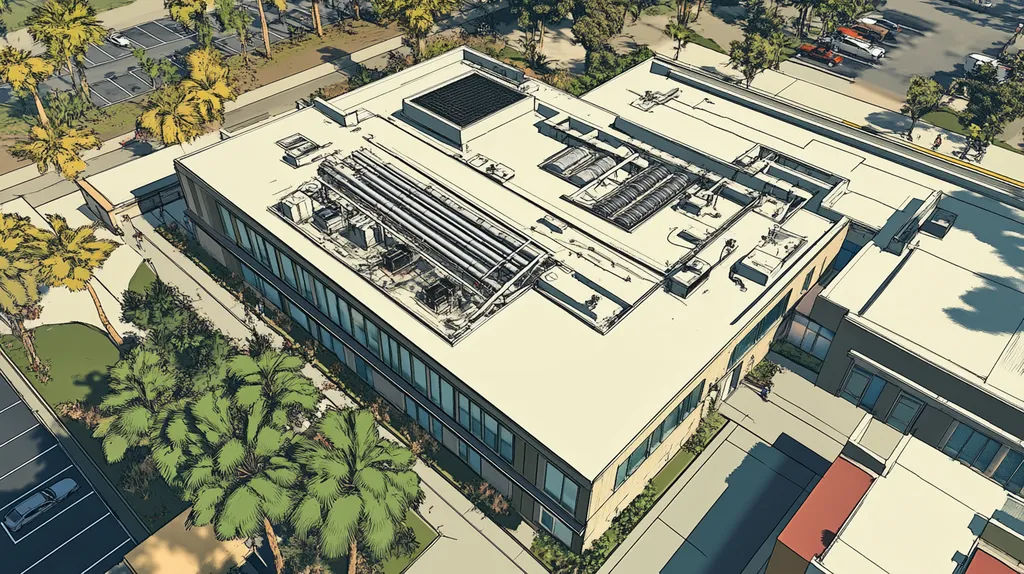
Welcome to today’s Battle Royale featuring two roofing heavyweights: “Green Roof Systems” in the east corner versus “Photovoltaics” in the west!
Tonight’s showdown pits these contenders against each other across six punishing rounds designed to test every aspect of their performance for Industrial Roof Cost Reduction.
At stake? Millions in potential costs, decades of building protection, and the critical performance demands of modern commercial and industrial facilities.
Our professional judging panel will evaluate each round on technical merit, real-world performance, and value delivery. After all six rounds, we’ll declare our ultimate champion.
Ladies and gentlemen, facility managers and building owners… it’s time to rumble!
ROUND 1: INITIAL COSTS & INSTALLATION
When evaluating roofing solutions for industrial facilities, initial costs and installation complexity can represent up to 60% of the total project budget. The decisions made at this stage ripple through decades of building operation, affecting everything from energy efficiency to maintenance schedules. Property owners must carefully weigh the upfront investment against long-term returns when choosing between green roof systems and photovoltaic installations.
Material Expenses
Living roofs require substantial material investments, including specialized growing medium, drainage layers, and carefully selected vegetation suited for rooftop conditions. The complex layering system necessary for proper green roof function typically costs 30-40% more than traditional roofing materials.
Photovoltaic systems have seen dramatic cost reductions in recent years, with panel prices dropping by nearly 70% over the past decade. The standardization of mounting hardware and electrical components has further reduced material expenses.
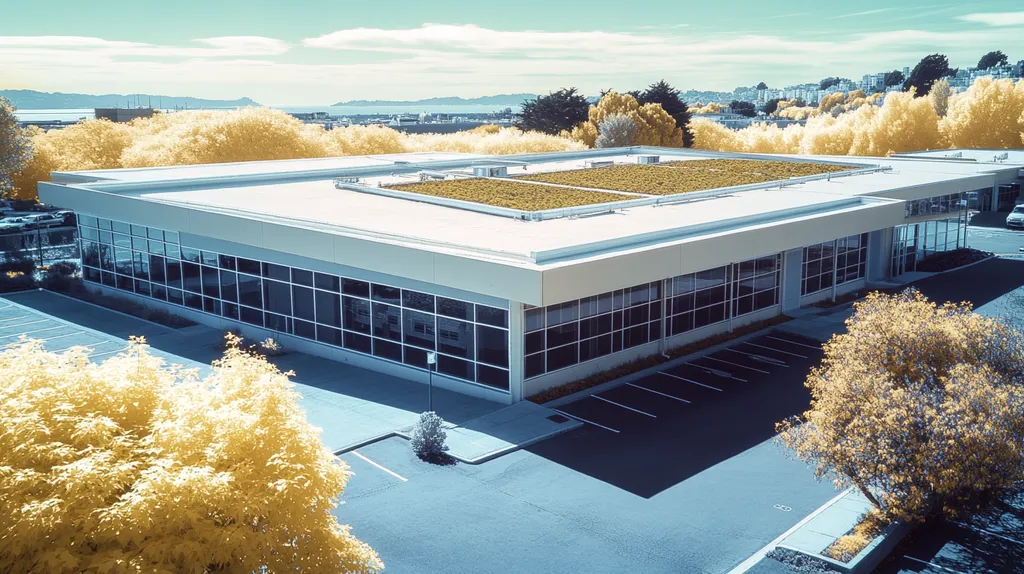
Living roofs, which involve planting vegetation atop roofs to improve insulation and reduce carbon footprints, are gaining popularity among eco-conscious businesses. (source: Atto)
When comparing material costs alone, photovoltaic systems demonstrate a clear ADVANTAGE due to their decreasing price point and standardized components.
Installation Complexity
Green roof installation demands specialized expertise in both roofing and horticulture. The process requires careful coordination between multiple trades and often involves structural modifications to support the additional weight of soil and vegetation.
The placement of growing medium and plants must be precisely executed to ensure proper drainage and prevent root damage to the underlying roof membrane. This complexity extends both the installation timeline and labor requirements.
Photovoltaic installation follows well-established procedures with standardized mounting systems. Most crews can complete a typical industrial installation within a predictable timeframe using familiar tools and techniques.
The straightforward nature of photovoltaic installation gives it a clear ADVANTAGE in this category.
Project Timeline
Green roof projects typically span 3-6 months from initial preparation to completion. This extended timeline accounts for structural modifications, waterproofing installation, growing medium placement, and initial plant establishment periods.
Weather conditions can significantly impact green roof installation schedules, as certain components can only be installed during specific temperature and moisture conditions. Additionally, vegetation requires time to establish before the system becomes fully functional.
Photovoltaic installations generally require 2-4 weeks for completion on industrial buildings. The modular nature of solar panels allows for rapid deployment, and weather constraints are less restrictive.
The significantly shorter implementation period gives photovoltaic systems a clear ADVANTAGE in project timeline considerations.
ROUND 1 WINNER: PHOTOVOLTAICS
ROUND 2: DURABILITY & LIFESPAN
Durability and lifespan considerations can make or break the financial success of industrial roofing investments. Recent industry data shows that premature roof failures cost facility owners an average of $7 per square foot in emergency repairs, not counting lost productivity and potential equipment damage. Understanding how different roofing solutions perform over time is crucial for protecting both the building and the bottom line.
Longevity of Green Roof Systems
Green roof systems typically last 40-50 years when properly maintained, significantly outlasting traditional roofing materials. The multiple protective layers and living components work together to shield the underlying structure from UV radiation and extreme temperature fluctuations.
The vegetation and growing medium provide natural insulation that reduces thermal stress on roofing materials. This protection from expansion and contraction cycles helps preserve the integrity of waterproofing membranes and structural components.
However, green roofs require consistent maintenance and monitoring of plant health, drainage systems, and root barriers. Even minor neglect can lead to complications that compromise the system’s longevity.
Longevity of Photovoltaic Systems
Modern photovoltaic installations typically carry 25-30 year performance warranties, with many systems continuing to function beyond these timeframes. Robotic installation tools and automated maintenance systems are extending these lifespans by ensuring precise placement and reducing wear from human error. (source: METALCON)
Solar panels actually help protect the underlying roof membrane by blocking UV radiation and preventing direct exposure to precipitation. This dual benefit can extend the life of both the panels and the roofing system.
The solid-state nature of photovoltaic systems means fewer moving parts to maintain or replace. Regular cleaning and electrical system checks are the primary maintenance requirements, making long-term care more straightforward than living roof systems.
Weather Resistance
Green roofs excel at managing extreme weather conditions through their natural thermal mass and water retention capabilities. The multiple layers and living components help absorb impact from hail and protect against wind uplift.
Photovoltaic systems must be engineered to withstand specific wind loads and impact resistance requirements. While modern mounting systems are highly reliable, they don’t provide the same level of building envelope protection as green roof systems.
The superior weather resistance and protective qualities of green roofs give them a clear ADVANTAGE in this category.
ROUND 2 WINNER: GREEN ROOF SYSTEMS
ROUND 3: PERFORMANCE FACTORS
Performance factors can make or break an industrial roofing investment, with poor system selection leading to a 40% increase in operational costs over the first decade. Modern industrial facilities face mounting pressure to maximize roof performance while minimizing long-term expenses. Understanding how different roofing solutions perform across key metrics is essential for making cost-effective decisions that will impact facilities for decades.
Thermal Management
Effective thermal management directly impacts building operating costs through heating and cooling requirements. Poor temperature control can increase HVAC expenses by up to 30% annually in industrial facilities.
Green roof systems excel at thermal regulation through their natural insulating properties. The combination of vegetation and growing medium creates a substantial thermal barrier that moderates temperature fluctuations throughout the year.
Photovoltaic installations provide shade to the roof surface, reducing heat gain during summer months. However, they lack the comprehensive insulating properties of living roof systems.
For thermal management capabilities, green roof systems demonstrate a clear ADVANTAGE.
Energy Generation
Modern industrial facilities require significant electrical power, making energy generation capabilities a crucial performance factor. On-site power generation can reduce utility costs by 40-60% annually.
While green roofs contribute to energy efficiency through insulation, they do not generate power directly. Their benefits are limited to reducing HVAC energy consumption.
Photovoltaic systems actively generate electricity, providing immediate and measurable returns through reduced power bills. Cool roofs reflect more sunlight and absorb less heat, which helps lower the need for air conditioning and reduces energy consumption during warmer months. (source: Atto)
The direct energy generation capability gives photovoltaic systems a clear ADVANTAGE.
Stormwater Management
Industrial facilities must effectively manage stormwater to prevent structural damage and comply with local regulations. Poor drainage can lead to costly repairs and potential fines.
Green roof systems excel at stormwater management, absorbing up to 80% of rainfall and reducing runoff peaks by 65%. This natural water retention capability significantly reduces the load on drainage systems.
Photovoltaic installations do not contribute to stormwater management and can sometimes complicate drainage patterns on flat industrial roofs. Additional drainage solutions are often required.
The superior water management capabilities give green roof systems a clear ADVANTAGE.
ROUND 3 WINNER: TIE
ROUND 4: MAINTENANCE REQUIREMENTS
Maintenance decisions on industrial roofs directly impact operational costs, with poor maintenance strategies leading to premature system failures and unexpected expenses. Recent data shows that inadequate maintenance programs can reduce roof system lifespans by up to 50% while increasing annual operating costs by 25-35%. Understanding the maintenance requirements of different roofing solutions is crucial for protecting long-term investments.
Regular Maintenance Tasks
Green roof systems demand consistent attention to vegetation health, irrigation systems, and growing medium condition. Monthly inspections are typically required to monitor plant health, remove unwanted vegetation, and ensure proper drainage function.
These systems require specialized horticultural knowledge and dedicated maintenance staff familiar with both roofing and plant care. Seasonal tasks include fertilization, pruning, and replanting, which can strain maintenance budgets and schedules.
Photovoltaic systems primarily need quarterly panel cleaning and annual electrical system inspections. Most maintenance tasks can be performed by general maintenance staff with basic training, reducing specialized labor costs.
The simpler maintenance requirements give photovoltaic systems a clear ADVANTAGE in this category.
Emergency Response Requirements
Green roof systems face multiple potential failure points requiring immediate attention. Root intrusion, drainage blockages, and plant die-off can all create emergency situations demanding rapid response.
Finding qualified emergency service providers for green roof repairs can be challenging, especially in smaller markets. This can lead to extended response times and increased risk of secondary damage.
Photovoltaic systems have fewer emergency maintenance scenarios, typically limited to electrical issues or physical damage. The standardized nature of these systems makes emergency repairs more straightforward, with wider availability of qualified service providers.
The reduced emergency maintenance complexity gives photovoltaic systems a clear ADVANTAGE.
Long-term Care Costs
Green roof maintenance costs typically range from $0.75-1.50 per square foot annually, with costs varying based on plant selection and system complexity. These expenses remain relatively constant throughout the system’s lifespan.
Specialized equipment and safety requirements for maintaining elevated gardens add to the ongoing cost burden. The need for continuous plant replacement and soil amendment further increases long-term expenses.
Photovoltaic system maintenance costs average $0.25-0.50 per square foot annually, primarily covering cleaning and electrical testing. These costs tend to decrease over time as maintenance protocols become more efficient.
The lower long-term maintenance costs give photovoltaic systems a clear ADVANTAGE.
ROUND 4 WINNER: PHOTOVOLTAIC SYSTEMS
ROUND 5: SUSTAINABILITY CREDENTIALS
The sustainability performance of industrial roofing systems directly impacts both environmental compliance and operational costs. With new regulations requiring 40% carbon footprint reductions by 2030, choosing between green roofs and photovoltaics has become a critical strategic decision. Poor sustainability choices can result in regulatory penalties, increased utility costs, and decreased property values.
Environmental Impact
Green roof systems provide immediate environmental benefits through carbon sequestration and biodiversity support. The vegetation layer actively removes CO2 from the atmosphere while creating habitats for local wildlife, particularly important in industrial zones.
These living systems also reduce atmospheric pollutants, with studies showing one square meter of green roof can remove up to 2kg of airborne particulates annually. Their natural filtration properties help mitigate industrial emissions and improve local air quality.
Photovoltaic installations reduce carbon emissions by generating clean energy, but don’t provide additional environmental services. While their manufacturing process carries an initial carbon cost, this is typically offset within three years of operation.
The multiple environmental benefits give green roof systems a clear ADVANTAGE in this category.
Energy Efficiency
Green roof systems provide passive energy savings through natural insulation and evaporative cooling. This reduction in heating and cooling loads typically results in 15-30% lower HVAC energy consumption.
The growing medium and vegetation create a thermal buffer that stabilizes interior temperatures year-round. This natural temperature regulation reduces peak energy demands and associated utility costs.
Photovoltaic systems actively generate renewable energy while providing shade to the roof surface. The integration of robotics in modern solar installations has improved energy capture efficiency and reduced maintenance requirements. (source: METALCON)
The combination of active energy generation and improved efficiency gives photovoltaic systems a clear ADVANTAGE.
Life Cycle Assessment
Green roof systems typically maintain their environmental benefits throughout their 40-50 year lifespan. The natural components actually improve with age as vegetation matures and soil ecosystems develop.
These systems require minimal resource inputs for maintenance and can be sustainably recycled at end-of-life. The organic materials can be composted or repurposed, minimizing landfill impact.
Photovoltaic systems maintain consistent energy generation for 25-30 years but require more resource-intensive maintenance. Panel recycling technology continues to improve, but current end-of-life processing still has environmental impacts.
The superior life cycle performance gives green roof systems a clear ADVANTAGE.
ROUND 5 WINNER: GREEN ROOF SYSTEMS
ROUND 6: SPECIALIZED APPLICATIONS
Specialized industrial roofing applications can make or break operational efficiency, with poor system selection leading to 35% higher energy costs and compromised building performance. Recent market analysis shows that industrial facilities face increasing pressure to maximize rooftop utilization while managing strict budget constraints. Understanding how different roofing solutions perform in specialized scenarios is crucial for protecting long-term investments.
Cold Storage Facilities
Temperature-sensitive industrial operations require exceptional thermal management, with poor insulation leading to energy waste and compromised product integrity. Maintaining consistent internal temperatures is critical for cold storage facilities, where even minor thermal fluctuations can significantly impact operating costs.
Green roof systems provide superior natural insulation through their multi-layer construction and thermal mass. The combination of growing medium and vegetation creates an effective barrier against heat transfer, reducing cooling loads by up to 35% in cold storage applications.
Photovoltaic installations offer minimal thermal benefits beyond basic shading effects. While they generate power that can offset cooling costs, they don’t directly contribute to thermal envelope performance.
The superior insulating properties give green roof systems a clear ADVANTAGE in this category.
High-Wind Zones
Industrial facilities in coastal or exposed locations face significant challenges from wind forces. System failure in these environments can lead to catastrophic damage and extended operational disruptions.
Green roof systems provide excellent wind resistance through their substantial weight and low profile. The vegetation layer helps break up wind patterns, while the growing medium adds ballast that prevents uplift.
Photovoltaic installations require extensive engineering to resist wind forces, often necessitating additional structural support and specialized mounting systems. Even well-designed solar arrays can create lift forces that stress roof components.
The natural wind resistance properties give green roof systems a clear ADVANTAGE.
Urban Heat Island Mitigation
Industrial facilities in dense urban areas must address heat island effects that increase cooling costs and impact local environmental conditions. Poor heat management can raise ambient temperatures by up to 15°F, significantly affecting energy consumption.
Green roof systems actively cool their surroundings through evapotranspiration and reduced heat absorption. The living components help lower ambient temperatures while improving air quality through natural filtration.
Photovoltaic systems can actually contribute to heat island effects by absorbing and reflecting solar radiation. While they generate clean energy, they don’t provide the same cooling benefits as vegetated surfaces.
The superior cooling capabilities give green roof systems a clear ADVANTAGE.
ROUND 6 WINNER: GREEN ROOF SYSTEMS
AND THE WINNER IS…
After six grueling rounds of technical analysis, we have a split decision! With Green Roof Systems winning three rounds and Photovoltaics claiming two (plus one draw), Green Roof Systems claims the championship belt by decision!
The victor dominated in durability, sustainability, and specialized applications, showcasing superior thermal performance, exceptional weather resistance, and unmatched environmental benefits. Those multiple layers of natural protection and cooling power proved too much for the competition to overcome.
But don’t count Photovoltaics out! This powerful contender showed incredible strength in initial costs, maintenance efficiency, and energy generation. For facilities prioritizing straightforward installation and direct power production, solar remains a formidable choice.
Important Notice: Every industrial facility faces unique challenges based on location, structural requirements, and operational demands. Local climate conditions, building codes, and specific property characteristics all play crucial roles in system selection. This analysis provides general guidance but cannot account for all variables. Property owners should consult qualified roofing professionals who can evaluate their specific situation before making final decisions.
Ladies and gentlemen, in the high-stakes world of industrial roofing, there’s no substitute for matching your facility’s unique requirements with the right system’s strengths. Choose your champion wisely – your building’s future depends on it!
FREQUENTLY ASKED QUESTIONS
Q. What are the initial costs of a commercial roof system?
A. Initial costs for roofing solutions can significantly impact your project budget. Depending on the type of system chosen, green roof installations often require higher upfront investments due to specialized materials and labor. In contrast, photovoltaic systems have seen sharp reductions in material costs, making them a more economical choice for many commercial properties.
Q. How long do industrial roofs last?
A. The lifespan of an industrial roof depends on the roofing solution used. Green roofs can last between 40 to 50 years with proper maintenance, while photovoltaic systems typically come with 25 to 30-year warranties. Regular maintenance and environmental factors will also influence the longevity of either roofing option.
Q. Which type of roof is better for energy performance?
A. Energy performance varies significantly between roofing solutions. Green roofs excel at thermal management, effectively reducing heating and cooling demands. Photovoltaic systems actively generate electricity, providing measurable savings on energy bills. The ideal choice depends on your energy needs and efficiency goals.
Q. How much maintenance do commercial roofs require?
A. Maintenance varies widely by roofing type. Green roofs require more attention, including regular plant care and irrigation checks, which can increase costs. Photovoltaic systems generally need less frequent maintenance, mostly consisting of cleaning panels and electrical inspections. Consider the labor and expertise needed when choosing your roofing solution.
Q. Are green roofs environmentally friendly?
A. Yes, green roofs offer significant environmental benefits, including carbon sequestration and improved biodiversity. They help filter air pollutants and manage stormwater, which enhances local ecosystems. This makes them an excellent choice for businesses focused on sustainability and reducing their ecological footprint.
Q. Can green roofs be installed in rainy climates?
A. Yes, green roofs can thrive in rainy climates, but they require proper design to manage excess water. The multilayer system includes drainage components to prevent water pooling and root damage. With careful planning, green roofs can effectively support lush vegetation in wet environments.
Q. What are the benefits of a commercial roof warranty?
A. A commercial roof warranty protects your investment by covering repair costs and ensuring quality standards. Warranties vary in length and coverage, but they provide peace of mind against manufacturer defects or installation issues. This can save you significant expenses over time and enhance your building’s value.






