

The industrial roofing sector faces a critical sustainability challenge, with over 40% of commercial buildings featuring inefficient and environmentally harmful roof coatings that contribute to rising energy costs and increased waste.
While eco-friendly alternatives have gained popularity, emerging data suggests many established “green” solutions fall short of their environmental promises, potentially causing more harm than good.
This analysis examines the systemic issues plaguing current eco-friendly coating approaches, from waste generation to energy efficiency gaps, while exploring overlooked opportunities for genuine environmental impact in industrial roofing.
SECTION 1: CURRENT PRACTICES
The demand for eco-friendly roof coatings in industrial settings is at an all-time high. Alarmingly, over 40% of commercial buildings feature roofs that do not meet environmental standards, resulting in soaring energy costs and added waste. Property owners and facility managers face the challenge of selecting eco-friendly options that provide both environmental benefits and operational efficiency. This section will explore the most common practices, their application methods, and the compliance standards shaping the current roofing industry.
Common Eco-Friendly Roof Coatings
There are several eco-friendly roof coatings available, including reflective elastomeric, liquid silicone, and bio-based materials. These products are designed to minimize heat absorption, ultimately improving energy efficiency for buildings. However, widely used solutions such as white coatings or cool roof technologies can struggle under extreme weather, which may lead to more frequent maintenance.
Some coatings advertised as eco-friendly still include volatile organic compounds (VOCs), posing risks to indoor air quality. For example, improperly applied reflective coatings can inadvertently contribute to negative environmental practices. Therefore, it’s essential for property owners to closely examine product labels and opt for truly sustainable options.
Additionally, the effectiveness of these coatings can differ significantly based on geographic location and roof type. A coating that performs well in a sunny region might falter in a rainy area, potentially resulting in early failure and unexpected replacement costs.
To make informed choices, property owners must familiarize themselves with the variety and quality of eco-friendly alternatives on the market. A thorough understanding of these options is crucial to avoid future complications and genuinely contribute to environmental sustainability.
Application Methods and Limitations
The application methods for eco-friendly roof coatings include techniques such as spray, roll-on, and brush application. Each method offers unique benefits but also brings distinct challenges. For instance, spray applications enable even and rapid coverage over large areas, yet they require specialized equipment and skilled labor.
Environmental conditions can also affect application success. High humidity or low temperatures may hinder proper adhesion, potentially voiding product warranties and leaving property managers vulnerable to additional costs.
Moreover, adherence to local environmental regulations is vital during application. Many regions impose strict guidelines on VOC emissions; non-compliance can result in hefty fines. Navigating these regulations can make application more complex, adding another layer of stress for facility managers.
Proper application not only extends the roof’s lifespan but also boosts the environmental advantages of using eco-friendly products. Recognizing these limitations is essential for making informed and effective choices that align with sustainability goals.
Industry Standards and Compliance
Industry standards for eco-friendly roof coatings are continually evolving, shaped by organizations like the U.S. Green Building Council and the Energy Star program. These standards help define qualifying criteria for eco-friendly coatings and ensure that products meet specific performance and environmental benchmarks.
Compliance with established standards is not just a legal requirement; it can also facilitate significant cost savings through increased energy efficiency. Buildings that earn Energy Star certification, for example, not only enhance their marketability but also experience lower operational costs. Yet, many property owners remain unaware of these benefits.
A lack of understanding regarding compliance can lead to long-term challenges. Without appropriate certifications, maintaining energy efficiency becomes more complicated, negatively impacting both environmental efforts and financial outcomes.
As sustainability takes center stage, companies that neglect these standards risk falling behind their competitors. By proactively engaging with and adhering to these regulations, property owners can secure a favorable position within the rapidly changing roofing landscape.
SECTION 2: SYSTEMIC ISSUES
The urgency to address systemic issues in eco-friendly roof coatings has never been greater. The roofing industry significantly contributes to the waste crisis, with over 11 million tons of roofing materials discarded annually, according to the Environmental Protection Agency. This waste not only fills landfills but also undercuts the sustainability goals that eco-friendly solutions aim to achieve. Moreover, the energy efficiency claims of many current eco-friendly products often prove misleading, resulting in unexpected costs for property owners. Understanding these systemic issues is vital to making informed, impactful roofing decisions.
Waste Generation and Landfill Impact
The roofing industry is a significant contributor to waste, with eco-friendly practices adding to the problem. Often, old coatings end up in landfills, exacerbating the existing waste crisis. Many of these materials are not environmentally friendly in their disposal, as they can take years to decompose, causing lasting harm to the environment.
Currently, recycling rates for roofing materials are alarmingly low. Property owners face limited options for responsible disposal and recycling, resulting in more waste being sent to landfills. This trend not only contributes to landfill overflow but also opposes the goals of sustainability that many eco-friendly products promote.
Additionally, the production of new eco-friendly roofing materials does not always guarantee reduced waste. The manufacturing processes involved can still generate substantial byproducts, negating any potential ecological benefits. As a result, a comprehensive approach to waste reduction must be adopted by the roofing industry, encompassing every phase from production to installation.
Without a significant shift in these practices, advancements in eco-friendly coatings may ironically lead to adverse environmental impacts, undermining the very sustainability they aim to support.
Energy Efficiency Gaps in Current Solutions
Many eco-friendly roof coatings tout energy efficiency, but real-world performance often falls short. For example, reflective coatings might not function effectively during extreme weather, leading to unexpected increases in energy bills for property owners. These discrepancies can undermine the anticipated financial savings associated with adopting such solutions.
Research indicates that actual energy savings can be as low as 20%, far below what many property owners expect. This mismatch can make it feel like money is wasted on ineffective products, impacting overall budget planning and energy strategies.
Furthermore, coatings that don’t hold up over time can result in higher energy consumption. If property owners must use additional energy to maintain comfortable indoor temperatures, the eco-friendly advantages quickly diminish, increasing their carbon footprint.
To truly close these gaps, manufacturers need to engage in rigorous real-world testing. Understanding how their products perform under various conditions is crucial for advancing genuinely energy-efficient solutions that deliver reliable results.
Maintenance and Durability Concerns
When it comes to eco-friendly roof coatings, maintenance and durability are often underestimated. Many property owners believe these coatings require minimal upkeep, yet this assumption can lead to unexpected long-term expenses. If coatings do not perform as intended, property owners may find themselves facing costly replacements sooner than expected.
Some studies suggest that certain eco-friendly coatings have a shorter lifespan than traditional options. Premature failures not only lead to replacement costs but can also damage underlying structures, raising repair costs significantly and extending operational disruptions.
In addition, coatings that cannot withstand environmental elements often require frequent repairs. This necessity for touch-ups contradicts the idea of a low-maintenance solution and can strain operational budgets, reducing overall sustainability.
To mitigate these risks, property owners must prioritize understanding the durability and maintenance requirements of prospective roof coatings. By selecting options built for longevity and reduced upkeep, they can sidestep unexpected expenses and boost the sustainability of their roofing systems.
SECTION 3: MISSED OPPORTUNITIES
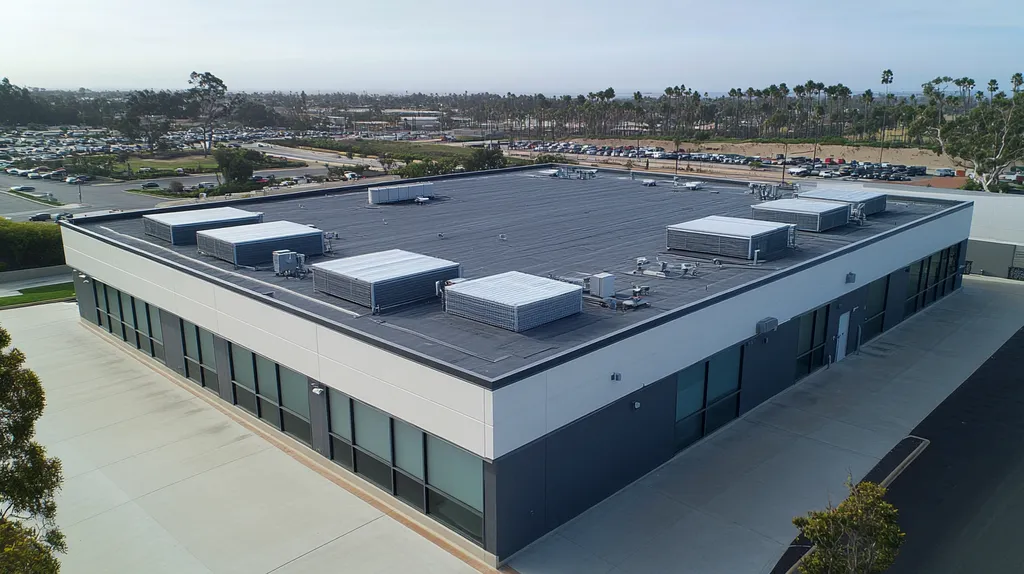
As the world shifts toward sustainability, industrial property owners face an urgent need to embrace eco-friendly roofing solutions. Yet, many are still missing out on powerful options that can lower their environmental impact without sacrificing performance. Sustainable materials, cool roofs, and long-term cost savings remain overlooked opportunities that can enhance building efficiency while benefitting the environment. This section delves into these promising alternatives and highlights their importance in today’s construction landscape.
Underutilized Sustainable Materials
The roofing industry boasts a variety of sustainable materials that are often overlooked in favor of traditional options. For instance, recycled metal roofing and bio-based coatings can dramatically reduce a building’s carbon footprint. These materials not only support eco-friendliness but also offer durability and longevity that many conventional materials lack.
Despite their numerous advantages, many contractors remain loyal to traditional roofing materials. This attachment can lead to increased waste and elevated lifecycle costs. By opting for sustainable solutions, property owners can improve performance while meeting necessary environmental regulations.
Innovative choices like green roofs are also seldom considered, even though they enhance insulation and manage stormwater effectively. Using these materials allows facility managers to construct roofs that fulfill functional needs while being environmentally responsible.
Neglecting sustainable materials translates into missed opportunities for saving energy and enhancing community image. As sustainability becomes a norm in the construction sector, it’s crucial for the industry to adopt a more open-minded approach toward integrating these alternatives.
Neglected Benefits of Cool Roofs
Cool roofs represent a significant eco-friendly option that remains underused. By reflecting more sunlight and absorbing less heat, these roofs can help reduce energy costs and improve indoor comfort. Nonetheless, the uptake of cool roofing systems lags behind that of traditional options.
In warmer climates, cool roofs can cut energy usage for air conditioning by 15%-20%, resulting in substantial financial savings that many property owners overlook. Moreover, these roofs can prolong the lifespan of roofing materials by reducing thermal shock.
Additionally, cool roofs contribute to better urban heat management, supporting broader sustainability initiatives in cities. By investing in these systems, property owners not only save money but also help mitigate heat island effects in urban environments.
The disregard for cool roofing solutions indicates a gap in recognizing the long-term benefits versus initial costs. Prioritizing cool roofs can maximize both efficiency and sustainability across the industry.
Overlooked Long-Term Cost Savings
Long-term cost savings often take a backseat to short-term budget worries. Many industrial property owners might be tempted to go for the lowest-cost roofing option available, without considering its overall lifecycle expenses. This shortsightedness can lead to higher expenses down the road, including repairs, replacements, and increased energy consumption.
Investing in high-quality, sustainable roofing materials can yield significant maintenance and energy savings. For example, implementing a green roof system can return 5% to 10% annually through reduced energy use and longer roof life.
Moreover, buildings equipped with eco-friendly roofs generally command higher market values, reflecting their reduced operational costs and improved environmental credentials. By embracing these sustainable options, property owners can recognize that initial investments often lead to substantial future returns.
In today’s competitive landscape, adopting a proactive approach that prioritizes long-term savings is essential. Shifting focus away from immediate costs will benefit not just the individual property owner but the entire industry in its pursuit of sustainability.
SECTION 4: ROOT CAUSES
The pursuit of eco-friendly industrial roof coatings is impeded by several significant challenges that jeopardize sustainability efforts. Alarmingly, studies show that fewer than 30% of facility managers prioritize eco-conscious roofing options. This reticence can be attributed to interconnected factors, including a lack of standardization, limited awareness of sustainable choices, and economic barriers that hinder the adoption of innovative roofing practices. Overcoming these root causes is critical for achieving meaningful progress in the industry.
Lack of Standardization in Eco-Friendly Coatings
The market for eco-friendly roofing materials is currently fragmented. Manufacturers often define eco-friendly products inconsistently, creating a maze of options for property owners and managers. For example, one coating may boast high solar reflectance but contain harmful chemicals, while another might be durable yet use inferior materials.
This inconsistency complicates informed decision-making, leading property owners to potentially choose subpar options that don’t deliver on their sustainability promises. Consequently, frustrated owners may revert to traditional coatings that don’t align with their environmental objectives.
By establishing clear, standardized criteria for eco-friendly products, the roofing industry can facilitate better product development and decision-making. Uniform standards would enhance trust among stakeholders and encourage the adoption of genuinely beneficial solutions.
Limited Awareness of Sustainable Options
A significant knowledge gap exists among facility managers regarding eco-friendly roofing materials and their substantial benefits. Surveys show that fewer than 25% of managers are fully aware of the range of sustainable options available today. This lack of awareness serves as a critical barrier to implementation and adoption.
Misconceptions about the reliability and costs of eco-friendly solutions often deter property managers from investing in these options. As such, they may prioritize immediate financial savings and overlook long-term energy efficiency gains and reduced maintenance costs.
Furthermore, the absence of case studies demonstrating successful implementations of eco-friendly roofing solutions perpetuates this stagnation. By improving education and expanding access to informative resources, stakeholders can empower facility managers to make more knowledgeable and impactful decisions.
Economic Barriers to Adoption
The economic landscape presents a substantial obstacle to the uptake of eco-friendly roofing solutions. Initial costs for sustainable coatings frequently exceed those of traditional options, pushing many property owners to avoid them despite their long-term savings potential.
In an industry operating under tight budgets, the temptation to select cheaper alternatives is compelling. Traditional coatings may provide short-term financial relief but can lead to soaring energy costs and frequent repairs over time, ultimately resulting in greater expenses.
This cost disparity can be particularly discouraging, even for environmentally conscious property owners. To facilitate a transition to sustainable coatings, it is crucial for the industry to provide financial models that illustrate the long-term value of these investments, paving the way for a greener future.
DATA DRIVEN EVIDENCE
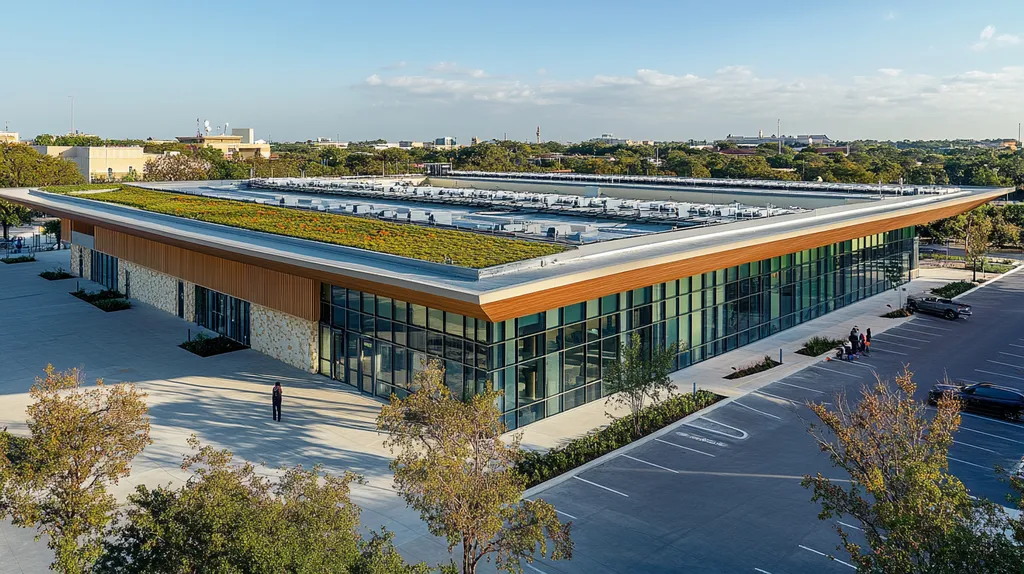
The urgency of adopting eco-friendly industrial roof coatings has never been more pressing. With commercial buildings responsible for nearly 20% of the nation’s energy consumption, the need for sustainable roofing solutions is critical. These options not only mitigate waste but also significantly decrease energy usage. This section will present statistics, energy consumption studies, and success stories that validate the impact of eco-friendly roofing alternatives.
Statistical Analysis of Waste Reduction
Traditional roofing materials generate a substantial amount of landfill waste, with an estimated 13 million tons from commercial roofing discarded annually. Eco-friendly coatings, particularly reflective elastomeric options, can greatly reduce this waste. By using materials that enhance the longevity of existing roofs, facilities can effectively minimize wear and tear, contributing to a reduction in landfill contributions.
Additionally, these eco-conscious coatings can lead to waste diversion rates of up to 90%. This high diversion not only supports environmental health but also aids in satisfying regulatory compliance requirements. Understanding the measurable advantages of waste reduction can motivate property owners to choose sustainable materials instead of conventional ones.
Incorporating recycled content in roofing coatings can also diminish raw material extraction by 20%, positively impacting our natural resources. This statistic underscores that eco-friendly options are essential not just for responsible waste management but for fostering a sustainable future.
Overall, the data paints a compelling picture: adopting eco-friendly coatings is a necessary step for any industry serious about reducing waste and improving sustainability practices.
Energy Consumption Studies and Findings
Energy consumption remains a top concern for industrial facilities, especially as many current roofing systems are designed to absorb heat, leading to increased cooling costs. Research indicates that installing reflective roof coatings can cut cooling energy use by up to 30%, translating into substantial savings on utility bills.
A notable study by the Department of Energy found that reflective coatings help maintain lower roof temperatures, extending the lifespan of roofing materials. This reduction in wear results in fewer replacements and repairs, yielding ongoing savings.
These coatings also improve indoor comfort, fostering a more productive work environment for employees. By investing in eco-friendly roofing, companies can simultaneously save on expenses and create a better atmosphere for their workforce.
In essence, tackling energy consumption through the adoption of eco-friendly roofing provides a strategic advantage, demonstrating that sustainable options enhance operational efficiency without compromising performance.
Case Studies on Sustainable Roofing Success
Real-world examples illustrate the successful application of eco-friendly roofing coatings. For instance, a large manufacturing facility in Texas implemented a reflective coating, which resulted in a remarkable 25% reduction in cooling costs within just one year. This financial success enabled the company to channel more resources into additional sustainability projects.
Another case involved a California warehouse that adopted a roofing solution with recycled materials. Not only did this decision lead to significant waste reduction, but the facility also received tax incentives, making the project economically viable.
These case studies clearly demonstrate that sustainable roofing solutions yield both monetary savings and environmental benefits. They serve as powerful examples for property owners contemplating similar shifts in their roofing strategies.
In conclusion, the data-driven evidence reinforces that eco-friendly options for industrial roof coatings are no longer optional. They offer quantifiable benefits, establishing themselves as essential components in modern construction practices.
SECTION 6: ALTERNATIVE SOLUTIONS
As climate challenges intensify, the roofing industry must evolve swiftly. Traditional eco-friendly approaches often fall short of the pressing demands for sustainability and efficiency. Fortunately, innovative alternatives are on the rise, promising improved performance and a smaller environmental footprint. This section highlights advanced technologies, integrated systems, and recyclable materials that present viable solutions for industrial roofing.
Advanced Roof Coating Technologies
Advanced roof coating technologies are changing the game for industrial roofing. Innovations such as reflective and insulated coatings are specifically engineered to cut down energy consumption. Cool roof coatings, for example, can reflect sunlight, decreasing surface temperatures by as much as 30 degrees Fahrenheit.
These cutting-edge solutions are not only budget-friendly but also enhance roof longevity, lessening the need for frequent replacements. Consequently, property owners can enjoy lower energy bills and reduced maintenance expenses. Additionally, developments in nanotechnology have paved the way for coatings with enhanced durability and self-cleaning capabilities, making them more resilient against the elements.
Moreover, the availability of VOC-free options marks a critical shift toward a healthier environment. This change aligns with increasing regulatory demands for emissions control. Facilities that embrace these advanced technologies can establish themselves as leaders in sustainable practices.
Incorporating these modern coatings is essential for achieving sustainability goals within the industrial sector. By choosing these options, property owners not only contribute to a greener future but also gain immediate financial advantages.
Integrated Solar and Green Roof Systems
Combining solar and green roof systems offers a comprehensive approach to sustainability. Solar panels can be seamlessly integrated into roofing architectures, providing on-site renewable energy generation. This transition not only helps lower energy expenses but also enhances the aesthetic appeal of the building.
Green roofs provide a host of additional benefits, including UV protection and improved insulation. These vegetative layers can absorb rainwater, alleviating pressure on stormwater management systems. Such proactive measures mitigate flood risks and urban heat island effects while fostering local biodiversity.
The synergy of solar and green systems is especially beneficial in urban areas where space is limited. By optimizing rooftop usage, property owners can bolster energy resilience and environmental stewardship. The implementation of these systems also elevates a facility’s attractiveness to environmentally conscious stakeholders.
Furthermore, businesses can leverage tax incentives and rebates associated with renewable energy projects. Integrated solar and green roof systems present a remarkable opportunity for property owners looking to achieve both sustainability and financial profitability.
Metal Roofing and Recyclable Materials
Metal roofing is gaining recognition for its durability and recyclability in the industrial sector. Composed of recycled materials, metal roofs are built to withstand extreme weather, diminishing the need for frequent repairs and maintenance.
Transitioning to metal roofing can lead to substantial energy efficiencies. Their reflective surfaces effectively reduce heat absorption, resulting in lowered cooling costs, which is particularly vital for facilities in hot climates.
Moreover, the recyclability of metal roofs ensures they can be repurposed at the end of their lifecycle, minimizing landfill waste and lowering the environmental impact of roofing systems. Investing in metal roofing is a clear alignment with sustainable construction practices.
Additionally, many manufacturers provide metal roofing products that comply with strict environmental standards, offering a holistic solution. As industries increasingly prioritize sustainability, the adoption of recyclable materials becomes an essential strategic choice for forward-thinking property owners.
Moving Forward
The industrial roofing sector stands at a critical crossroads, with current eco-friendly coating approaches failing to deliver on their environmental promises while contributing to over 13 million tons of annual waste.
The data clearly shows that established green solutions often create more problems than they solve, from increased energy consumption to accelerated material degradation.
However, emerging technologies like advanced cool roof coatings and integrated solar systems demonstrate that superior alternatives exist, capable of reducing energy costs by up to 30% while extending roof lifespans.
The industry must urgently shift toward standardized, truly sustainable solutions that prioritize waste reduction, energy efficiency, and long-term cost savings to meet increasingly stringent environmental regulations and growing market demands.
The future of industrial roofing depends on abandoning ineffective eco-friendly approaches in favor of proven, innovative solutions that deliver measurable environmental and economic benefits.
FREQUENTLY ASKED QUESTIONS
Q. What are the common eco-friendly options for commercial roofs?
A. Common eco-friendly options include reflective elastomeric coatings, liquid silicone, and bio-based materials. These products aim to reduce heat absorption and improve energy efficiency, but property owners must evaluate their performance in different weather conditions. Misapplication can also lead to environmental issues, so careful selection is essential.
Q. How does waste from industrial roofs affect sustainability?
A. The roofing industry contributes significantly to landfill waste, with millions of tons discarded annually. Eco-friendly practices often fail to address waste generation, as many materials are non-recyclable or take years to decompose. This practice contradicts the sustainability goals that eco-friendly products aim to achieve.
Q. What sustainable materials are often ignored in industrial roofing?
A. Many property owners overlook sustainable materials like recycled metal and bio-based coatings. These alternatives significantly reduce the carbon footprint while offering durability and longevity. Ignoring such options can increase waste and lifecycle costs, opposing the environmental goals many companies strive for.
Q. What is hindering the adoption of eco-friendly coatings in commercial roofs?
A. Factors like lack of standardization, limited awareness, and economic barriers deter the adoption of eco-friendly coatings. Many facility managers remain unaware of the benefits, leading them to prioritize cost over sustainability, which can negatively impact long-term operational efficiency and environmental health.
Q. How can energy consumption be reduced using eco-friendly roofs?
A. Reflective roof coatings can cut cooling energy use by up to 30%, leading to significant savings. These coatings also extend the lifespan of roofing materials and improve indoor comfort, contributing to a more sustainable operational model. Investing in eco-friendly roofing not only benefits finances but also enhances workplace well-being.
Q. What innovative solutions exist for sustainable industrial roofing?
A. Advanced technologies like integrated solar and green roof systems present innovative solutions. These options can generate renewable energy, manage stormwater, and improve insulation. By adopting such integrated approaches, property owners can significantly enhance their building’s sustainability while also appealing to eco-conscious stakeholders.
Q. What are the long-term financial benefits of eco-friendly commercial roofs?
A. Investing in eco-friendly roofing can yield significant long-term savings through reduced energy costs and maintenance. Buildings with sustainable materials often enjoy higher market values and lower operational costs. The initial investment pays off, enhancing both financial performance and environmental reputation.






