
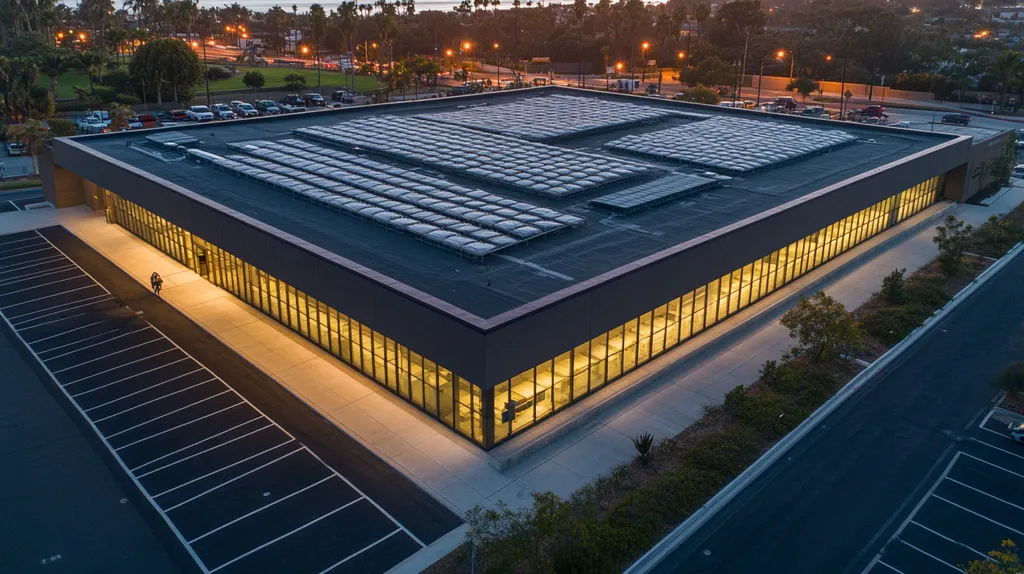
Every year, severe weather events cause over $8 billion in commercial roof damage across North America, forcing thousands of businesses to temporarily shut down operations.
As climate patterns become increasingly unpredictable, selecting the right storm-resistant roofing materials has become critical for protecting commercial investments and ensuring business continuity.
This comprehensive guide examines the latest advances in storm-resistant commercial roofing, from material selection and installation methods to maintenance protocols and performance metrics that help property owners make informed decisions about their roofing systems.
SECTION 1: FUNDAMENTAL CONCEPTS
Understanding storm resistance in commercial roofing is vital for safeguarding assets and maintaining uninterrupted operations. Each year, over 25% of businesses suffer from significant disruptions due to storm damage, highlighting the urgent need for property owners to prioritize resilient roofing materials. This section will delve into why storm-resistant roofs are essential, the various materials designed for this purpose, and how different climates can impact material selection.
Understanding Storm Resistance
Storm resistance is the ability of a roofing system to endure severe weather conditions. High winds, torrential rains, and hail can cause extensive damage, resulting in leaks and structural issues. Storm-resistant roofs incorporate materials and construction methods that significantly enhance durability against these threats.
A key component of storm resistance is wind uplift performance. Roofs not engineered to handle high winds can become compromised, sometimes peeling back under pressure. For effective protection, flat roofs should ideally have at least a “Class 4” impact resistance rating to combat these risks.
The slope of the roof also plays a crucial role in managing water drainage and preventing pooling. Roofs lacking adequate drainage may buckle or leak, worsening storm damage. Understanding water flow mechanics is essential for selecting the right roofing system.
Moreover, building codes increasingly mandate specific resistance ratings for roofs located in storm-prone areas. Non-compliance can lead to substantial fines and insurance complications. Therefore, grasping the principles of storm resistance is critical for compliance and safeguarding property.
Types of Storm-Resistant Materials
A variety of materials are engineered for storm resistance, each offering distinct advantages. Metal roofing is favored for its strength and longevity, adept at withstanding both wind and impact damage. Many metal roofs are coated to enhance water resistance, providing an additional layer of protection against the elements.
Modified bitumen is another excellent option, known for its flexibility and durability. This material can handle hail impacts and is often reinforced with fabrics to enhance strength. The application process, typically involving heat or adhesives, ensures a solid bond with the underlying structure.
Single-ply membranes, like TPO or PVC, present viable alternatives as well. These lightweight materials are easy to install and resistant to water and wind uplift. Their reflective qualities can improve energy efficiency, making them attractive to sustainability-focused property owners.
By understanding these materials, property managers can make well-informed decisions tailored to their specific environmental challenges, reducing potential storm-related damage.
Climate-Specific Considerations
The climate plays a significant role in determining which storm-resistant roofing materials to choose. For example, coastal regions that frequently face hurricanes require roofs with higher wind ratings and materials that resist corrosion from saltwater. Selecting an unsuitable material can result in accelerated deterioration and failure.
Conversely, areas that often endure heavy snowfall need roofs with steep slopes to prevent snow and ice accumulation. Flat roofs may demand added reinforcements or drainage systems to manage these conditions effectively.
Add to this the problem of freeze-thaw cycles, which can cause cracks and vulnerabilities in various materials. Property owners must select materials engineered to endure these challenges, ensuring their roof’s longevity and reliability.
Ultimately, a thorough understanding of the local climate’s demands empowers property managers to choose roofing systems that are not only strong but also cost-effective over time, minimizing the need for repairs and replacements caused by climate-related failures.
SECTION 2: SYSTEM COMPONENTS
In the realm of commercial roofing, storm resistance isn’t just an added benefit; it’s a critical requirement. Each year, severe weather events result in billions of dollars in property damage. By investing in the right roofing system components, property owners can dramatically reduce their vulnerability and long-term repair expenses. This section will examine the key components contributing to a storm-resistant roofing system, including roofing membranes, structural integrity, and sealing solutions.
Roofing Membranes and Coatings
The membrane serves as the first line of defense against harsh weather in any roofing system. Selecting high-quality roofing membranes is essential for achieving water resistance and extended durability. Options like TPO (Thermoplastic Olefin) and EPDM (Ethylene Propylene Diene Monomer) have proven effectiveness against heavy rainfall and hail impacts.
Furthermore, specialized coatings can enhance the performance of existing membranes. Reflective coatings help minimize heat absorption, which reduces thermal stress during turbulent weather. Together, these components improve overall roof longevity and lessen deterioration over time.
Another crucial factor is adhesion; poorly bonded membranes can peel or tear under severe storm conditions. To optimize performance, investing in high-quality adhesives and precise application techniques is essential.
In conclusion, making informed choices about membranes and coatings is vital for a roof’s ability to withstand storms, and ultimately, to minimize the risk of costly damage.
Structural Integrity and Support
Structural integrity is a cornerstone of storm resistance in roofing systems. A well-constructed roof framework can endure the forces of wind and rain much better. Engineering assessments often verify that the underlying structure meets building codes and can support additional weights without compromising safety.
Materials such as steel or reinforced concrete create a solid foundation that prevents structural displacement during severe weather events. Insufficient support can lead to sagging or even total roof failure, resulting in significant damage.
Moreover, effective drainage systems are crucial. Clogged gutters and downspouts can lead to water pooling, heightening the risk of leaks and structural compromise. Storm-resistant roofs need designed drainage solutions to effectively redirect water away from the structure.
To summarize, a robustly supported roofing system is essential for maximizing storm resilience and extending the lifetime of the roof.
Flashing and Sealing Systems
Flashing and sealing systems may often be overlooked, but they are vital for a weather-tight roofing solution. These key components protect vulnerable areas such as joints, vents, and transitions—where water intrusion is most likely. High-quality flashing materials can greatly diminish the impact of storm conditions on the roofing system.
Sealants are equally important, as they ensure that joints remain watertight. To withstand temperature fluctuations, sealants must be flexible; otherwise, cracking can occur under storm-induced stress. Choosing durable, UV-resistant sealants is crucial for long-term performance.
Regular inspections and maintenance of flashing and seals are necessary to identify and address wear and tear before storm damage occurs. Neglecting these components can lead to leaks, mold growth, and costly repairs post-storm.
In conclusion, properly installed flashing and sealing systems are essential for enhancing the storm resistance of a roof, thereby protecting the property and its occupants beneath.
SECTION 3: IMPLEMENTATION METHODS
Effective installation methods are paramount when it comes to storm-resistant roofing. The consequences of inadequate installation can be severe, leading to extensive damage and steep repair costs during storm events. In fact, around 30% of roofs fail prematurely because of improper installation practices, according to the National Roofing Contractors Association. Understanding the right techniques for implementing storm-resistant materials empowers property owners to safeguard their investments. This section examines the installation techniques for metal roofs, the application of single-ply roofing systems, and the correct methods for modified bitumen and SPF installation.
Installation Techniques for Metal Roofs
Metal roofs are celebrated for their robustness and ability to withstand challenging weather conditions. However, their effectiveness is highly dependent on proper installation techniques. To start, it’s vital to utilize appropriate fastening methods; inadequate attachments can result in wind uplift failures during storms.
Additionally, the roof’s slope should be strategically designed to enhance water runoff, minimizing the risk of leaks. Sealing joints and seams during installation is also crucial. Properly applied sealants prevent water infiltration, a necessity during heavy rain.
Quality underlayment beneath the metal panels adds yet another layer of moisture protection. Engaging qualified roofing professionals is essential, as they are familiar with local building codes and can customize installation methods based on the specific climate challenges.
Finally, scheduling regular inspections post-installation allows property owners to catch potential issues early, ensuring that the metal roof continues to provide reliable protection against severe weather.
Applying Single-Ply Roofing Systems
Single-ply roofing systems represent a lightweight yet effective solution for storm resistance. Installation starts with preparing the substrate to ensure it is clean, dry, and free of debris. A smooth surface is critical for achieving optimal adhesion, which contributes to the overall integrity of the roofing system.
Many single-ply options, including TPO and EPDM, utilize adhesives for installation. It’s essential to apply these adhesives exactly as specified by the manufacturer to ensure strong bonding. Combining mechanical fasteners with adhesives can further boost wind resistance.
Heat-welded seams are common in single-ply roofing applications. This method creates a dependable bond between membrane sheets, significantly lowering the risk of seam failures during storms. Regular quality checks during installation ensure that these welds are executed properly.
Lastly, effective flashing around roof penetrations and edges is vital in preventing water accumulation and leaks, thus enhancing the roof’s storm resilience over its lifespan.
Modified Bitumen and SPF Installation
For commercial properties, modified bitumen roofing systems offer a robust solution, especially in storm-prone areas. The installation process generally begins with applying a base sheet to the substrate, followed by the modified bitumen layer. Utilizing a torch-down method can enhance adhesion, but this technique requires skilled labor to mitigate fire hazards.
Incorporating a granular or smooth surface improves UV resistance and promotes effective water shedding. Proper installation of cap sheets is essential, as they provide protection against punctures and tears during storms. Each layer must be inspected for uniformity to ensure comprehensive effectiveness.
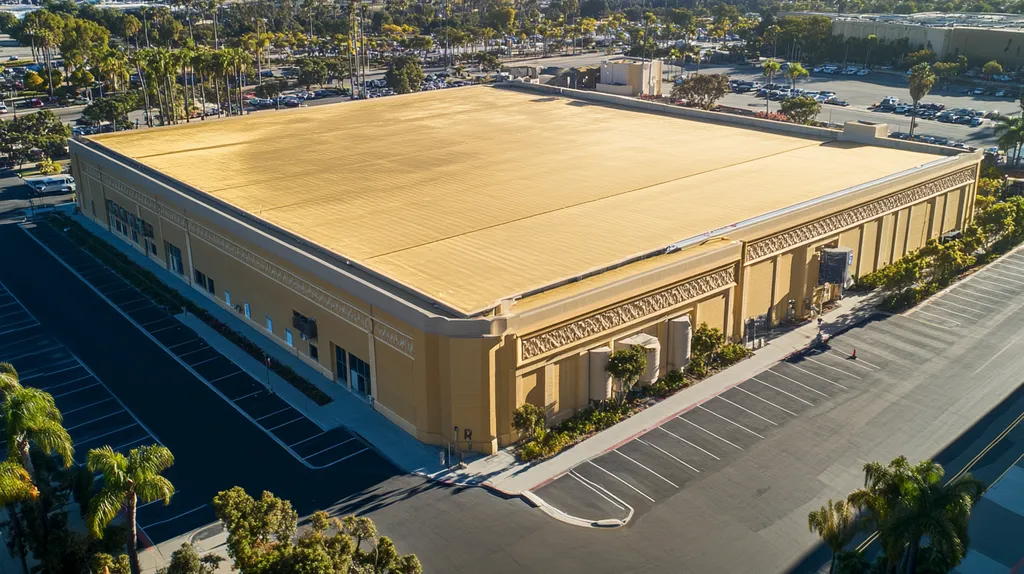
Another effective option is Spray Polyurethane Foam (SPF) roofing, which creates a seamless barrier that helps prevent leaks while also adding insulation and improving energy efficiency. Correct application involves evenly spraying foam across the substrate and then applying a protective coating to ensure long-lasting UV resistance.
Lastly, regular maintenance is crucial for both modified bitumen and SPF roofs. Conducting inspections after severe weather can help identify minor issues before they escalate, preserving the integrity and effectiveness of the roofing system.
SECTION 4: MAINTENANCE REQUIREMENTS
Maintaining a storm-resistant roof is not just about initial installation; it’s a continuous commitment that ensures both durability and performance when harsh weather strikes. According to the National Roofing Contractors Association, poorly maintained roofs can lead to significant structural damage, resulting in costly repairs or entire roof replacements. This section highlights essential maintenance protocols, effective repair strategies, and proactive practices to protect commercial roofs from storm-related issues.
Regular Inspection Protocols
Regular inspections are essential to maintaining the integrity of commercial roofs. Property owners should conduct inspections at least twice a year and immediately after severe weather events. These inspections should focus on signs of common wear, such as cracks, blisters, and loose seams, which can jeopardize storm resistance.
Engaging a qualified roofing professional for inspections is critical, as they can spot minor issues before they escalate. In addition to examining the roof surface, the condition of drainage systems must be monitored closely. Clogged gutters and downspouts can lead to water accumulation, heightening the risk of leaks. Keeping a detailed record of all inspections and repairs contributes to the overall monitoring of the roof’s health.
Using drone technology for inspections can also enhance the process by reaching difficult areas safely. Drones can effectively identify problems that are otherwise hard to see, ensuring that no section is left unchecked. This proactive strategy can help prevent small issues from becoming bigger, more costly repairs.
Repair and Replacement Strategies
Addressing issues promptly is crucial for maintaining a resilient roof. If leaks are discovered during an inspection, timely repairs are essential to prevent damage to interior spaces. Qualified roofing contractors can recommend effective repair methods, such as patching or applying adhesives for membrane-based roofs.
Should significant damage occur—like sagging or widespread leaks—property owners may need to consider complete roof replacement. Factors such as the roof’s age, the extent of water intrusion, and the materials used will play a role in this decision. It’s vital to consider long-term storm resistance when selecting replacement materials to avoid future problems.
To minimize disruptions to business operations, plan replacement projects during off-peak seasons. This not only eases potential interruptions but may also lead to cost savings. Transparent communication with roofing contractors throughout this process is key, ensuring decisions are aligned with budgetary constraints and operational needs.
Preventative Maintenance Practices
Preventative maintenance is an effective strategy to reduce damage during storms. Regularly scheduled activities include removing debris from the roof and ensuring that drainage systems are clear and functional. Even small obstructions can lead to significant issues like water pooling, which increases the risk of leaks during heavy rainfall.
Additionally, applying a protective coating can significantly enhance storm resilience, especially for flat roofs more prone to water accumulation. Consulting with roofing specialists can help property owners choose the most appropriate coating for their specific roofing type.
Moreover, building a strong relationship with a professional roofing contractor enables rapid responses to emerging issues. A contractor can assist in establishing a rolling maintenance schedule, ensuring the roofing system stays in peak condition as storms approach.
SECTION 5: PERFORMANCE METRICS
When it comes to selecting storm-resistant roofing materials, understanding performance metrics is more than just important—it’s essential. High winds can lift roofs off buildings, hail can break through weak surfaces, and inefficient energy use can inflate costs. For instance, roofs that fall short of industry wind resistance standards risk severe damage, leading to expensive repairs. This section dives into three critical metrics: wind uplift resistance, impact resistance from hail, and energy efficiency. Each of these factors directly shapes a roof’s ability to weather the elements while supporting overall building performance.
Wind Uplift Resistance Testing
Wind uplift resistance is crucial for the safety and lifespan of commercial roofing systems. During storms, powerful winds can create forces strong enough to lift roofing materials entirely off a building. To assess this resistance, industry standards like ASTM D7158 and FM 4474 are used, simulating storm conditions to evaluate material performance.
Failure to achieve proper wind resistance can lead to extensive damage, both to the roof and the structure beneath it. According to the National Institute of Standards and Technology (NIST), buildings lacking adequate wind resistance can suffer losses into the millions following severe storms.
Investing in roofing materials, such as TPO and select modified bitumen systems, that provide high wind uplift ratings can significantly diminish repair costs and extend roof life. Property managers should always consider wind uplift ratings when selecting roofing materials to ensure compliance with local codes, ultimately enhancing the safety of occupants and protecting valuable assets.
Impact Resistance and Hail Damage
Impact resistance is vital for roofs located in regions vulnerable to hail. As severe weather patterns grow increasingly common, roofs must withstand hail impacts without significant damage. Materials are evaluated according to UL 2218 standards, receiving a classification from Class 1 to Class 4 based on their capacity to handle hail of differing sizes.
For example, roofing materials rated Class 4 can endure impacts from 2-inch hailstones, providing solid protection. Properties situated in hail-prone areas can mitigate repair expenses by investing in high-rated impact-resistant materials, such as select metal and synthetic slate options.
Neglecting to choose suitable materials can result in leaks, insulation issues, and structural failures, leading to soaring insurance claims. Opting for high-impact resistant materials safeguards the building while also enhancing resale value and tenant satisfaction—making it a smart investment for property owners.
Energy Efficiency and Thermal Performance
Energy efficiency represents a vital performance metric that extends beyond immediate storm resistance yet significantly affects long-term building stability. Quality roofing systems contribute to thermal performance, preventing excessive heat absorption during extreme weather.
Reflective roofing materials with high Solar Reflectance Index (SRI) ratings can drastically lower cooling costs. The Environmental Protection Agency (EPA) indicates that Energy Star-rated roofs may reduce indoor temperatures by as much as 20 degrees Fahrenheit, creating a more comfortable and economical environment.
Additionally, roofs with strong thermal performance ratings can avoid material degradation caused by the stresses of expansion and contraction due to temperature fluctuations. This resilience is crucial for preventing failure under severe weather conditions.
Consequently, property owners should balance storm-resistant features with energy-efficient designs. The combined benefits of reduced energy costs and enhanced durability lead to lower operating expenses and a more favorable environmental footprint over time.
SECTION 5: PERFORMANCE METRICS
Selecting storm-resistant roofing materials is not just important—it’s essential for the protection and longevity of your property. High winds can peel roofs from buildings, hail can puncture weak surfaces, and poor energy efficiency can lead to inflated operational costs. For instance, roofs that don’t meet industry wind resistance standards can sustain catastrophic failures during storms, resulting in expensive repairs. This section illuminates three critical performance metrics: wind uplift resistance, impact resistance to hail, and energy efficiency. Each of these factors plays a vital role in a roof’s ability to withstand severe weather while enhancing the overall efficiency of the building.
Wind Uplift Resistance Testing
Wind uplift resistance is pivotal for ensuring the durability and safety of commercial roofing systems. In the face of high winds during storms, uplift forces can be powerful enough to lift roofing materials off structures. To accurately evaluate this resistance, established testing standards such as ASTM D7158 and FM 4474 simulate storm conditions to assess material performance.
If a roof lacks sufficient wind resistance, it may suffer extensive damage, putting both the roofing system and the building at risk. In fact, the National Institute of Standards and Technology (NIST) indicates that inadequate wind resistance can lead to multi-million dollar losses following severe storms.
Investing in roofing materials with high wind uplift ratings, like TPO and certain modified bitumen systems, is crucial for minimizing repair costs and extending roof lifespan. Property managers must consider wind uplift ratings during material selection to ensure compliance with local regulations and enhance the safety of occupants and valuable assets.
Impact Resistance and Hail Damage
Impact resistance is essential for roofs situated in areas prone to hail damage. As the frequency and severity of severe weather events rise, roofs must withstand hail impacts without significant wear. Materials are evaluated using UL 2218 standards, receiving ratings from Class 1 to Class 4 based on their ability to endure varying sizes of hailstones.
For example, roofs classified as Class 4 can handle impacts from hailstones measuring up to 2 inches in diameter, offering substantial protection. Properties in hail-prone regions can reduce repair costs by choosing high-impact resistant materials, such as select metal and synthetic slate options.
Neglecting to choose appropriate roofing materials can lead to leaks, insulation issues, and even structural failures, resulting in soaring insurance claims. Selecting high-impact resistant options not only protects the building but also enhances its resale value and tenant satisfaction, making it a wise investment for property owners.
Energy Efficiency and Thermal Performance
Energy efficiency is a vital performance metric that extends beyond immediate storm resilience yet significantly impacts long-term building stability. A quality roofing system contributes to thermal performance, preventing excessive heat absorption during extreme weather conditions.
Reflective roofing materials featuring high Solar Reflectance Index (SRI) ratings can lower cooling costs significantly. The Environmental Protection Agency (EPA) states that Energy Star-rated roofs can reduce indoor temperatures by up to 20 degrees Fahrenheit, creating a more comfortable and economical environment for occupants.
Furthermore, roofs that achieve top thermal performance ratings can avoid degradation caused by thermal cycling, where extreme temperatures result in repeated expansion and contraction. This resilience is critical to preventing potential failures due to weather-induced stress.
Consequently, property owners should balance storm-resistant features with energy-efficient designs to maximize their investments. The combination of lower energy costs and enhanced durability results in reduced operating expenses and a more favorable environmental footprint over time.
The Bottom Line
With annual storm damage to commercial roofs exceeding $8 billion, selecting appropriate storm-resistant materials has become a critical business decision that directly impacts operational continuity and profitability.
The increasing frequency and intensity of severe weather events demand that property owners implement comprehensive roofing strategies incorporating proven materials, proper installation methods, and regular maintenance protocols.
By focusing on key performance metrics like wind uplift resistance, impact ratings, and thermal efficiency, facilities managers can significantly reduce their vulnerability to storm-related disruptions.
The future of commercial roofing lies in the integration of resilient materials with sustainable practices, creating roofing systems that not only withstand severe weather but also contribute to overall building efficiency and environmental stewardship.
FREQUENTLY ASKED QUESTIONS
Q. What is storm resistance in commercial roofs?
A. Storm resistance refers to a roof’s ability to withstand severe weather, like high winds and heavy rain. Property owners must understand these factors to choose appropriate materials and construction methods for their commercial roof, ensuring protection against leaks and structural issues during storms.
Q. What components make up a storm-resistant commercial roof?
A. Key components of a storm-resistant roof include high-quality membranes, structural integrity, and reliable sealing solutions. The quality and characteristics of these components play critical roles in preventing leaks and protecting the roof from storm-related damage.
Q. How should I install storm-resistant materials on my industrial roof?
A. Proper installation techniques are essential for storm resistance. For metal roofs, use appropriate fastening methods and ensure sealing is done expertly. With single-ply systems, focus on creating strong bonds with adhesives and engaging professional contractors to meet local code requirements for optimal performance.
Q. What maintenance is required for storm-resistant commercial roofs?
A. Regular inspections should occur at least twice a year and after storms. Check for debris, leaks, and the condition of drainage systems. Timely repairs and preventative maintenance, like maintaining clear drainage pathways, greatly enhance the roof’s lifespan and storm resilience.
Q. How can I assess the performance metrics of my commercial roof?
A. Performance metrics include wind uplift resistance, impact resistance, and energy efficiency. Ensure your roof passes industry standards, like ASTM D7158 for wind resistance and UL 2218 for impact. Selecting materials with high ratings can significantly reduce potential storm-related damage and improve energy costs.
Q. What are the best roofing materials for storm resistance?
A. Metal roofing, modified bitumen, and single-ply membranes like TPO are excellent for storm resistance. They provide durability, impact resistance, and water protection, which are critical for sustaining severe weather conditions without extensive damage, thereby extending the lifespan of your industrial roof.
Q. How does climate affect my choice of commercial roofing materials?
A. Climate influences the selection of materials based on specific weather challenges, such as high winds, heavy snow, or salt corrosion. For instance, coastal areas may require corrosion-resistant roofs, while regions with heavy snowfall need sloped designs to prevent accumulation and potential collapse.






