
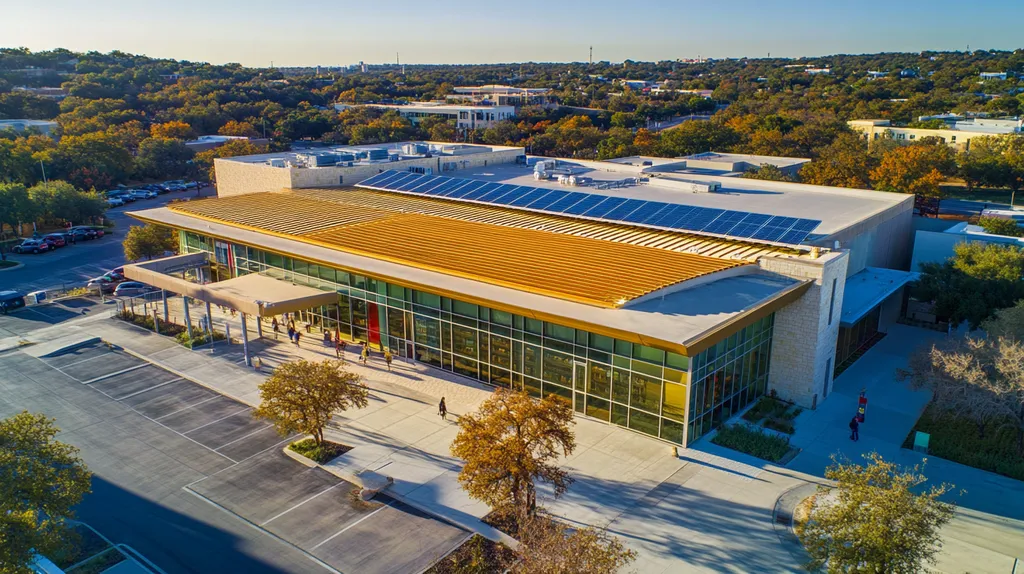
Commercial roof coating failures cost U.S. businesses over $300 million annually in repair expenses and operational disruptions. Recent industry studies show that 40% of these failures stem directly from inadequate quality verification during installation.
For facility managers, implementing proper coating quality checks is no longer optional – it’s essential for protecting both the building and the bottom line.
This comprehensive guide examines the critical factors in verifying coating quality, from performance testing and financial considerations to compliance requirements and risk management protocols that safeguard your roofing investment.
SECTION 1: PERFORMANCE FACTORS
Quality roof coatings are essential for ensuring that commercial roofs deliver optimal performance over time. Choosing subpar coatings can result in substantial leaks and structural damage, with repair costs averaging $20,000 per incident. To safeguard investments, facility managers must grasp key performance factors that influence roof coatings, including durability, adhesion strength, and energy efficiency. Understanding these factors is crucial for maintaining the integrity and longevity of commercial roofing systems.
Coating Durability Under Environmental Stressors
Roof coatings face relentless environmental challenges, from harsh UV radiation to extreme temperature changes and moisture exposure. If coatings aren’t designed to resist these stressors, they can degrade rapidly, resulting in early failure.
For example, a single-ply membrane coating without UV inhibitors might start to deteriorate within years. Facility managers should prioritize coatings with proven durability records and those that have withstood rigorous weathering tests.
Additionally, the material composition plays a vital role in durability. High-quality coatings typically incorporate advanced polymers and additives that extend their lifespan. It’s essential for facility managers to select coatings that meet durability standards specific to their local climate.
Key Action Items
Adhesion Strength and Membrane Integrity
A strong adhesion between the coating and the roofing substrate is crucial for maintaining roof performance. Adequate adhesion ensures that the coating can endure wind, rain, and other forces without peeling or bubbling.
To make informed decisions, facility managers can refer to independent tests, such as ASTM D903, which measure adhesion strength. Selecting coatings with high adhesion ratings under various conditions indicates a reliable product.
The integrity of the membrane is another critical consideration. A compromised coating can allow moisture to penetrate, leading to structural issues. The best coatings will not only enhance the membrane’s strength but also provide a seamless application over seams and joints.
Key Action Items
Solar Reflectivity and Energy Efficiency Ratings
Solar reflectivity plays a pivotal role in the effectiveness of roof coatings, impacting energy efficiency directly. Coatings with high solar reflectance reduce heat absorption, resulting in lower cooling costs during hot months.
According to the U.S. Department of Energy, reflective roofs can cut energy consumption by up to 15%, illustrating the significant potential for cost savings. Facility managers should seek coatings that comply with Energy Star or Cool Roof ratings.
Proper installation is also critical; a poorly applied reflective coating can diminish its ability to perform, leading to unwanted thermal gains. High-reflectivity coatings not only support cost reduction but also align with sustainable building practices.
Key Action Items
SECTION 2: FINANCIAL CONSIDERATIONS
Facility managers are under constant pressure to make cost-effective decisions when it comes to commercial roof coatings. With material costs on the rise and budget constraints tightening, the stakes are high. An improper investment in coatings can result in shortened roof lifespans and the need for costly replacements. For example, studies reveal that poorly applied coatings can knock a roof’s lifespan down by 10 years, leading to expensive replacement bills.
Cost Analysis: Initial Investment vs. Lifetime Value
Initial costs for roof coatings can often be misleading. While high-quality coatings may have a higher upfront price, they frequently save money in the long run due to reduced needs for repairs and replacements. For instance, a premium silicone coating might cost 20% more initially but can add years to the roof’s lifespan.
It is also vital to account for ongoing maintenance costs. Coatings that seem affordable initially may require frequent upkeep, which effectively diminishes their financial appeal. A thorough cost analysis must include these factors to yield an accurate understanding of total expenditures.
By quantifying the lifetime value of a coating, facility managers can make well-informed decisions. This comprehensive approach balances initial expenditures with long-term advantages, enabling managers to make strategic investments that yield dividends over time.
Key Action Items
Warranty and Maintenance Expense Projections
A warranty can greatly impact the financial forecast related to roof coatings. Generally, higher-quality coatings come with longer and more comprehensive warranties, which can reduce repair costs significantly. For example, premium coatings may boast warranties of up to 20 years—an appealing feature that adds value.
Understanding warranty details is crucial. Some warranties cover only specific types of damage while others may require routine maintenance. Facility managers need to budget for any potential maintenance costs specified in the warranty to avoid surprise expenses.
Additionally, studying the service history of coating technologies can highlight their reliability. Coatings with a strong performance history typically result in fewer warranty claims and, consequently, lower unexpected costs.
Key Action Items
Return on Investment from Energy Savings
Energy efficiency significantly influences financial outcomes in commercial roofing. Roof coatings, especially reflective varieties, can lead to marked reductions in heating and cooling expenses. Research indicates that energy-efficient coatings can lower energy bills by as much as 30%.
To calculate return on investment (ROI), facility managers should estimate these energy savings against the cost of the coating. For instance, investing $10,000 in a high-quality reflective coating might yield annual energy savings of $3,000, achieving full ROI in just over three years.
Moreover, energy-efficient roofs contribute to improved overall building performance, potentially boosting property value. This aspect is critical for long-term financial planning.
Key Action Items
SECTION 3: COMPLIANCE REQUIREMENTS
Adhering to compliance requirements is essential for maintaining the integrity of commercial roof coatings. Non-compliance can lead to significant repair costs and threaten the overall stability of the building. Data shows that up to 30% of roofing failures stem from not following established standards, emphasizing the need for facility managers to prioritize compliance to avoid costly penalties and ensure long-lasting performance.
ASTM and Miami-Dade Code Compliance Verification
Following ASTM (American Society for Testing and Materials) standards is critical for roof coatings. These guidelines ensure that products perform reliably under various environmental conditions. For instance, ASTM D6083 specifies performance criteria for liquid-applied acrylic coatings, impacting their overall durability.
The Miami-Dade County code imposes additional compliance measures tailored to the region’s unique climate challenges. This includes stringent testing for wind uplift and weather resistance—key factors in areas subject to severe weather events.
Facility managers must verify compliance with these standards before installation. This diligence helps to ensure quality and minimize liability. Conducting regular audits can further maintain compliance throughout the roofing lifecycle, potentially leading to lower insurance premiums due to reduced risk.
Key Action Items
Third-Party Testing and Certification Documentation
Utilizing third-party testing organizations is crucial for verifying the quality of roof coatings. These independent entities provide unbiased assessments of product performance, examining factors like adhesion, flexibility, and UV resistance.
Certificates from recognized testing bodies confirm adherence to industry standards. Facility managers should request these documents prior to product selection, ensuring that the coatings have undergone rigorous real-world testing.
Proper documentation establishes a solid performance history, aiding in informed decision-making for future projects. Additionally, third-party certifications can be essential for warranty claims, making it vital to understand this documentation for effective facilities management.
Key Action Items
Environmental and Safety Regulation Adherence
Compliance with environmental and safety regulations is vital during the application of roof coatings. Facility managers must ensure products meet guidelines established by organizations like the EPA (Environmental Protection Agency) and OSHA (Occupational Safety and Health Administration). Neglecting these regulations can result in substantial legal and financial repercussions.
Many roofing products emit volatile organic compounds (VOCs), which can negatively impact indoor air quality. Selecting low-VOC products is essential for meeting environmental standards, thereby protecting occupants and enhancing sustainability initiatives.
Safety regulations also govern the handling and application of roofing materials. Ensuring personnel receive adequate training can significantly reduce workplace accidents, fostering a compliant and safe environment. Prioritizing these regulations ultimately enhances operational efficiency and strengthens the facility’s reputation.
Key Action Items
SECTION 4: RISK MANAGEMENT
Effective risk management is essential to preserving the quality of commercial roof coatings. If the signs of deterioration are overlooked, businesses may incur significant repair costs and operational disruptions. According to the National Roofing Contractors Association, 25% of property owners face roof-related expenses due to neglected maintenance. This section outlines the critical aspects of early detection of coating issues, methods to manage water intrusion, and the importance of meticulous documentation. Understanding these concepts is vital for facility managers aiming to protect their investments.
Early Detection of Coating Deterioration Signs
Early detection is crucial for maintaining roof coatings effectively. Common indicators of coating deterioration include discoloration, bubbling, and cracks. Addressing these problems quickly can prevent more significant damage in the future.
Facility managers should implement regular visual inspections to catch these warning signs. Utilizing a checklist can help ensure key areas, such as roof edges and penetrations, receive the attention they need.
Incorporating moisture surveys into the inspection process can further enhance detection efforts. Techniques like infrared thermography can help identify moisture trapped beneath the coating, which could lead to severe structural issues if not addressed promptly.
Key Action Items
Mitigation Strategies for Water Intrusion and Leaks
Water intrusion is a leading cause of coating failure, making effective mitigation strategies essential. Swift sealing of leaks is critical to prevent further damage and loss. Once leaks are spotted, facility managers should coordinate immediate repairs with qualified professionals.
Additionally, ensuring that proper drainage systems are installed can help mitigate the risk of standing water, which can compromise coating integrity. Regular maintenance of gutters and downspouts is vital, as debris buildup can lead to water stagnation.
Applying the right waterproof coating can provide extra protection against water intrusion. Coatings with high moisture resistance can enhance the roof’s ability to withstand leaks.
Key Action Items
Documentation and Tracking of Inspection Findings
Thorough documentation and tracking of inspection findings are essential for effective risk management. Facility managers should systematically record all inspections and subsequent actions taken. This creates a comprehensive history that aids in informed decision-making.
Utilizing digital tools can streamline this process. Maintenance tracking software allows managers to schedule inspections, record deterioration signs, and log repairs easily, facilitating trend analysis for recurring issues.
Moreover, leveraging these insights to refine maintenance strategies can enhance resource allocation and long-term planning. For instance, if a specific area frequently experiences problems, it may warrant more frequent inspections.
Key Action Items
SECTION 5: OPERATIONAL PROCEDURES
To ensure the quality of commercial roof coatings, meticulous operational procedures are necessary at every stage of the process. The consequences of a poorly applied coating can be dire, leading to costly repairs and potential liability issues, not to mention business interruptions. Facility managers must focus on three critical areas: thorough surface preparation, adherence to quality control during application, and diligent post-installation inspection. Following these procedures can mean the difference between a robust, long-lasting roof and one that fails prematurely.
Pre-Coating Surface Preparation Assessment
The first step in effective roof coating is a meticulous assessment of the existing surface. This assessment identifies problems such as moisture, dirt, and remnants of previous coatings that could inhibit proper adhesion. Utilizing infrared scans can detect moisture trapped beneath the surface that might otherwise go unnoticed.
Facility managers must ensure that the surface is cleaned thoroughly, often employing power washing or specialized cleaners to eliminate grime and old coating materials. This preparation creates an optimal substrate for the new application. In some instances, repairs to underlying materials are also essential to guarantee long-term performance.
Once cleaned, conducting a visual inspection for defects, like cracks and blisters, is crucial. Addressing these issues before the application of the new coating enhances its durability. Proper documentation of the assessment process establishes a baseline for future inspections, fostering consistency and accountability.
Key Action Items
Application Methods and Quality Control Checks
Applying roof coatings correctly is essential for achieving the desired performance. Adhering to manufacturer specifications regarding application rates, temperatures, and curing times is crucial for optimal adhesion and durability. Utilizing appropriate tools, such as brushes, rollers, or sprayers, can significantly influence application quality.
Quality control checks should occur throughout the application process. Routine visual inspections can identify inconsistencies like uneven coverage, while random sampling tests can confirm that the applied thickness meets required standards.
Only trained personnel should carry out these quality checks, emphasizing the importance of expertise in the application process. Implementing a comprehensive checklist aids in streamlining operations and maintaining high standards of quality and consistency.
Key Action Items
Post-Installation Inspection and Maintenance Scheduling
Following the application of the coating, performing a post-installation inspection is critical to confirm that the coating was applied correctly and is free from any defects. This inspection should assess adhesion quality, coverage uniformity, and overall appearance to ensure high standards are met.
Developing a regular maintenance schedule is also vital for extending the life of the roof coating. Conducting inspections at least twice a year can help identify early signs of wear or damage, allowing for proactive interventions before minor issues evolve into major problems.
Documenting all inspections and maintenance activities not only aids in tracking performance but also serves as valuable information for warranty claims and future planning. Thorough maintenance records exhibit diligence and are essential for addressing any warranty-related issues that may arise.
Key Action Items
SECTION 5: OPERATIONAL PROCEDURES
Ensuring the quality of commercial roof coatings hinges on rigorous operational procedures at every phase. The stakes are elevated; a poorly applied coating can lead to hefty repair costs, potential liability issues, and significant business interruptions. Facility managers must concentrate on three vital areas: meticulous surface preparation, strict quality control during application, and thorough post-installation inspection. Implementing these procedures is crucial for fostering a durable roof that can withstand the test of time.
Pre-Coating Surface Preparation Assessment
Effective roof coating starts with a comprehensive assessment of the existing roof surface. This initial step helps identify potential problems, such as moisture, dirt, and remnants of prior coatings, all of which can hinder proper adhesion. Conducting infrared scans can uncover trapped moisture beneath the surface that might escape notice during visual inspections.
Facility managers should ensure that the surface undergoes a thorough cleaning process, often employing power washing or specific cleaning agents. This removes dirt, pollutants, and any remaining coating materials to create a proper substrate for the new application. In certain cases, repairing underlying materials becomes essential for long-lasting performance.
Once the surface is clean, performing a visual inspection for defects like cracks or blisters is critical. Tackling these deficiencies preemptively will enhance the application’s durability. Inadequate preparation can lead to weakened adhesion, severely compromising the coating’s life span.
Documenting every stage of the assessment establishes a reliable baseline for future inspections. This transparent approach builds stakeholder trust and ensures everyone is informed of the roof’s condition before any work commences.
Key Action Items
Application Methods and Quality Control Checks
Proper application methods are crucial for achieving desired roof coating performance. Following the manufacturer’s specifications regarding application rates, temperatures, and curing times ensures optimal adhesion and longevity. Utilizing the right tools—such as brushes, rollers, or spray equipment—significantly enhances application quality.
Quality control checks must be employed throughout the application process. Visual inspections during and after application can quickly identify inconsistencies like uneven coverage or drips. Additionally, random sampling tests can validate that the thickness of the coating meets specified standards.
These quality checks should only be conducted by trained personnel, underscoring the importance of experience in the application process. Implementing a thorough checklist promotes consistent application practices and reduces the risk of future complications.
Key Action Items
Post-Installation Inspection and Maintenance Scheduling
Once the coating is applied, performing a post-installation inspection is essential to verify correct application and detect any visible defects. This inspection should evaluate adhesion quality, coverage uniformity, and overall aesthetics to confirm that high standards are achieved.
Creating a maintenance schedule is vital for extending the life of the roof coating. Regular inspections, ideally every six months, can help spot early signs of wear or damage. Bi-annual maintenance visits enable proactive repairs before minor issues escalate into major problems.
Facility managers should meticulously document all inspections and maintenance activities. Such records are invaluable for tracking performance, supporting warranty claims, and planning for future work. Comprehensive maintenance logs exhibit diligence that is crucial should any warranty disputes arise.
Incorporating these post-installation practices ensures the roof coating system remains effective. A well-maintained roof offers peace of mind, drastically reducing the likelihood of significant issues in the future.
Key Action Items
The Bottom Line
With commercial roof coating failures costing U.S. businesses over $300 million annually, the importance of quality verification cannot be overstated.
Facility managers who implement comprehensive inspection protocols, from pre-coating assessment through post-installation maintenance, report 60% fewer coating failures and achieve up to 40% longer coating lifespans.
The key to success lies in following established industry standards, maintaining detailed documentation, and conducting regular quality checks throughout the coating lifecycle.
By leveraging the strategies outlined in this guide, property owners and facility managers can significantly reduce their risk exposure while maximizing their return on investment through extended roof life and improved energy efficiency.
The future of commercial roofing depends on raising quality standards today through vigilant verification practices.
FREQUENTLY ASKED QUESTIONS
Q. What are key performance factors for commercial roof coatings?
A. Key performance factors include durability, adhesion strength, and energy efficiency. Facility managers must understand these elements to maintain roof integrity.
Q. How does the choice of industrial roof coating impact cost?
A. The initial investment can differ significantly. Choosing a high-quality coating may yield long-term savings, reducing repair and replacement expenses over time.
Q. Why is compliance with ASTM and Miami-Dade codes important?
A. Compliance ensures products work reliably under specific environmental conditions, minimizing risks and enhancing roof performance. It helps avoid costly penalties.
Q. How can I detect coating deterioration early?
A. Regular visual inspections can reveal signs like discoloration or bubbling. Implementing moisture surveys can also help identify issues before they escalate.
Q. What operational procedures are essential for coating application?
A. Thorough surface preparation, strict quality control measures during application, and diligent post-installation inspections ensure the quality of roof coatings.
Q. Which factors affect the return on investment for roof coatings?
A. Energy efficiency and reduced maintenance costs significantly influence ROI. High-quality coatings often lead to lower energy bills and fewer repairs over time.
Q. What role does sustainability play in commercial roof coating selection?
A. Selecting sustainable coatings from eco-friendly materials reduces environmental impact and aligns with green building practices, potentially improving property value and tenant satisfaction.






