
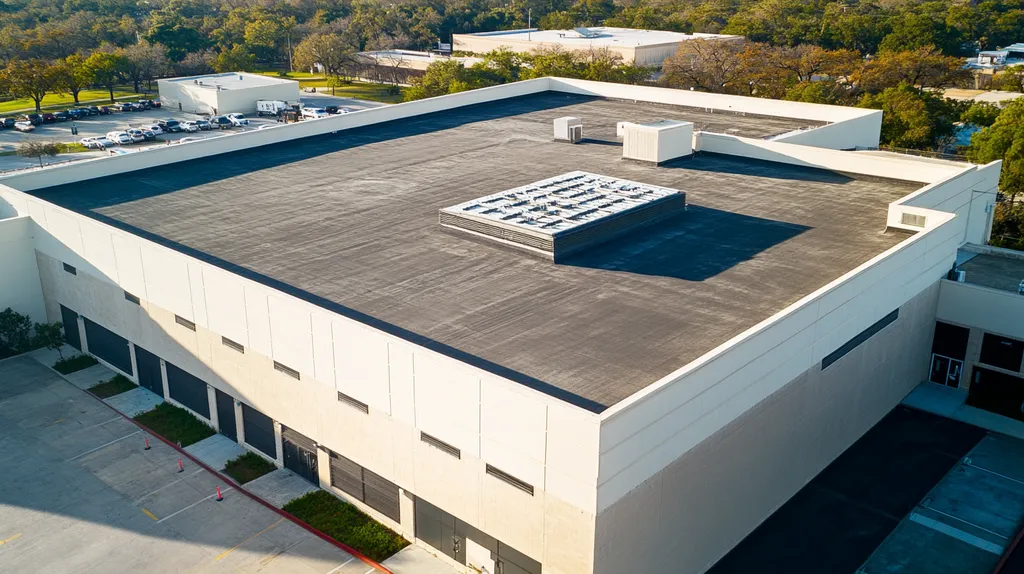
When a commercial roof starts failing, every minute counts. Industry data shows that delayed responses to roof damage cost property owners an average of $1.5 million annually in preventable repairs.
Emergency coating solutions have emerged as critical first-response tools, yet many facility managers remain unclear about their proper application and limitations.
This comprehensive guide cuts through the marketing hype to deliver practical insights on when, why, and how to effectively deploy emergency coatings – because the difference between a minor repair and a major crisis often comes down to making informed decisions quickly.
SECTION 1: THE BASICS EXPLAINED
Emergency coating solutions are essential lifelines for property managers grappling with unexpected roofing crises. Consider this: the National Roofing Contractors Association estimates that leaky roofs cost property owners billions in repairs annually. By understanding emergency coatings, property managers can bolster their damage prevention strategies, safeguard assets, and significantly extend the lifespan of their roofs. This section dissects what emergency coatings are, why they’re crucial, and how they function to combat roofing woes.
What It Is (In Plain Language)
Emergency coating solutions are specialized substances designed to protect roofs from immediate threats. Think of them as quick-fix shields against leaks, tears, and other weaknesses that scream for attention.
These coatings create a seamless barrier that prevents water intrusion and safeguards roofing materials from environmental harm. They can be sprayed, rolled, or brushed onto the surface, making application versatile and user-friendly.
Emergency coatings shine in critical moments when every second counts. Instead of twiddling thumbs while waiting for extensive repairs, a coating can swoop in for instant relief.
Importantly, these products are designed to stick to a variety of surfaces, making them suitable for most commercial roofing systems, including TPO, EPDM, and metal roofs.
Why It Matters (To Your Building)
Recognizing the importance of emergency coatings can save property managers valuable time and resources. These coatings serve as a frontline defense against additional damage during crucial junctures.
By quickly applying an emergency coating, property managers can stop water from infiltrating the building. This proactive approach curbs the risk of interior damage, mold growth, and structural complications that stem from prolonged exposure to moisture.
Additionally, emergency coatings often require less downtime compared to traditional repairs. This means businesses can keep running with minimal interruptions, creating a smoother experience for tenants and staff.
Navigating roofing issues without prompt action can spiral into ballooning repair costs and unforeseen emergencies. Thus, understanding emergency solutions becomes indispensable for effective facility management.
How It Works
Emergency coatings work by forming a robust protective layer over existing roofing materials. This layer effectively seals leaks and slows down the deterioration caused by harsh weather.
Many coatings boast reflective properties that reduce heat absorption, helping to prolong the roof’s lifespan. This energy-efficient aspect can also lead to lower cooling costs for the building.
Most emergency coatings cure quickly, even in varying weather conditions, allowing for near-instant protection. This adaptability empowers property managers to respond swiftly to any situation that arises.
Moreover, many coatings are engineered to deliver long-lasting results, making them a wise and cost-effective choice for both immediate defense and ongoing protection.
SECTION 2: PRACTICAL APPLICATIONS
The stakes are high when it comes to emergency coating solutions. For property managers, failed roofs aren’t just inconvenient; they can drive up repair costs and jeopardize entire buildings. Consider this: one unnoticed leak can trigger a cascade of interior damage that might leave properties vulnerable and tenants disgruntled. This section dives into how emergency coatings can be your first responders, illustrating common uses and examples, highlighting peak moments for their application, and exploring how they interact with other roofing systems.
Common Uses & Examples
Emergency coating solutions wear many hats when it comes to protecting roofs. Most importantly, they seal leaks and stave off further damage. For example, silicone-based coatings are heroes in the fight against minor leaks, especially on flat roofs where water loves to settle.
Acrylic coatings are another ace in the hole. They not only block UV rays but also save energy dollars by reflecting heat away from the building. This dual function is critical for facilities with outdoor equipment, which are prone to temperature swings.
What makes these coatings appealing is their ease of application. Many can be applied without fancy equipment or extensive downtime, giving property managers a practical solution to tackle emergency situations head-on.
Embracing these coatings can enhance the building’s value and create a more inviting space for tenants, ultimately leading to higher satisfaction and lower turnover.
When You Need It Most
When it comes to timing, property managers must be on their game. Significant weather events, like torrential rain or unexpected snowstorms, can amplify existing roofing issues—making quick action essential. Vigilance during storm season is a must; leaks can develop into major headaches overnight.
Temperature fluctuations signal another critical window for intervention. As materials expand and contract with seasonal changes, tiny cracks can form, setting the stage for bigger problems down the line. Regular inspections during these temperature swings can help catch issues before they escalate.
Emergency coatings also come in clutch when full inspections or roof replacements can’t happen right away. Acting proactively helps maintain roof integrity and avoid disruptions that could derail business operations.
By staying aware of these pivotal moments, property managers can better allocate resources and ensure their roofs remain strong and effective year-round.
Interactions With Other Systems
Emergency coating solutions don’t work in a vacuum; they interact with other roofing systems to enhance overall performance. If a roof has a built-in drainage system, it’s crucial that the coatings integrate seamlessly with that setup to promote proper water flow and avoid the dreaded pooling issues.
Compatibility is key. Not all coatings will adhere well to certain TPO or EPDM membranes, and a poor bond could open a whole new can of worms. A solid understanding of these interactions allows property managers to make smart choices for product application and long-term maintenance.
Moreover, emergency coatings should be part of a larger maintenance strategy that includes insulation and vapor barriers. This comprehensive approach goes beyond just immediate fixes, creating a blueprint for long-term roof health and stability.
Grasping these interactions empowers property managers to bolster the durability of their roofing systems, ultimately minimizing costs and enhancing reliability.

SECTION 3: KEY TERMINOLOGY DECODED
Emergency coatings come with a lexicon that can trip up even the most seasoned property managers. Misunderstanding these terms isn’t just an academic exercise; it can result in costly repairs or worse, persistent leaks. An incorrect choice of coating could turn a minor problem into a major disaster. Getting comfortable with roofing lingo not only streamlines communication with professionals but also reduces the chances of costly missteps.
Essential Terms Explained
Emergency coatings are more than just shiny substances; they’re the quick-response heroes that protect roofs from immediate damage. Think of them as a temporary fortress, keeping the elements out until a more permanent repair is possible. Many of these coatings come equipped with reflective properties, managing building temperatures while also saving energy and extending the life of the roof.
The term “substrate” plays a critical role, too. It refers to the base layer of the roof, and a failing substrate can seriously compromise your coating’s effectiveness. Before jumping into any coating application, assessing the condition of the substrate is non-negotiable.
“Application method” refers to whether you’re spraying, rolling, or brushing on the coating. This choice isn’t just stylistic; it directly influences how well the coating adheres and lasts. Proper application is vital for ensuring that your coating does its job when it counts the most.
By understanding these essential terms, property managers can communicate their needs clearly and bridge gaps with roofing professionals, ensuring that everyone is on the same page regarding project requirements.
Industry Jargon Translated
The roofing industry is loaded with jargon that can be a minefield for property managers. Terms like “flashings” and “drainage systems” can sound like another language. Flashings are crucial metal pieces that keep water from sneaking in at joints, while drainage systems are there to ensure water flows off the roof properly. Both play vital roles in maintaining the roof’s integrity.
“UV resistance” is another key phrase. It indicates how well a coating can withstand damaging ultraviolet rays, preventing it from deteriorating too quickly. Improved UV resistance is crucial for keeping emergency coatings effective over time.
The term “field repair” refers to on-the-spot fixes made without extensive preparation. Quick action during emergencies—especially when paired with an understanding of how these repairs fit into longer-term maintenance plans—can mean the difference between a cost-effective solution and a financial headache.
Getting a handle on this jargon equips property managers to engage confidently with contractors, making it easier to navigate the sometimes bewildering world of roofing needs.
Measurement & Units Simplified
When it comes to emergency coatings, measurements matter. “Mil” is a unit that measures thickness, where one mil equals one-thousandth of an inch. For effective coatings, a thickness of 15-20 mils is often the gold standard for optimal performance.
“Adhesion strength” quantifies how well a coating adheres, often measured in pounds per square inch (psi). A higher psi means better performance when battling the elements, ensuring the coating sticks around even in adverse conditions.
Grasping these measurement details allows property managers to carefully evaluate proposals, empowering them to make informed decisions that align with the specific needs of their buildings.
SECTION 4: DECISION FACTORS
When it comes to choosing emergency coating solutions for commercial roofs, the stakes couldn’t be higher. Property managers find themselves juggling the need for swift action against looming damage while keeping a close eye on budgets. Skipping over the critical decision factors can result in not only costly repairs but also extended downtime that might scare tenants away. Understanding financial implications, performance variables, and durability expectations is crucial for making informed decisions. This section sheds light on the key issues every property manager should evaluate.
Cost Considerations
Cost is the first thing most property managers check off their lists when selecting an emergency coating solution. However, the initial price tag often doesn’t tell the whole story. While cheaper coatings might offer a tempting deal, they frequently come with sky-high maintenance costs and shorter lifespans. For instance, opting for a budget polymer coating may lead to frequent reapplications that wash away any initial savings.
When evaluating costs, taking the total cost of ownership into account is essential. This means considering installation, maintenance, and potential future repairs. A slightly higher initial investment in a premium product can actually save big bucks over time. Quality coatings often last significantly longer, ultimately reducing the frequency of necessary touch-ups.
Property managers should also consider the impact on insurance premiums. Those top-notch coatings can boost the building’s weather resilience, potentially leading to lower insurance costs. This factor can help even out initial expenses in the long run.
Finding the right balance between short-term savings and long-term value is essential. A strategic approach to cost management can protect both roofs and budgets from unexpected weather-related disasters.
Performance Trade-offs
Performance across emergency coating products isn’t uniform; variations can be vast. While it might be tempting to choose solely based on low prices, doing so could lead to significant sacrifices in effectiveness. For example, a coating that provides top-notch waterproofing might be lacking in UV resistance, resulting in rapid deterioration in sunny climates.
Another performance aspect to consider is the flexibility of the coating. Roofs naturally expand and contract with temperature changes, and a rigid coating may crack under the pressure. This seemingly minor detail can have catastrophic results during a sudden heatwave or frost.
Moreover, performance in extreme weather is crucial. Some coatings might excel in mild climates but fail dramatically in areas that experience severe storms or heavy snowfall. Property managers need to consider local weather patterns and select coatings built to endure specific environmental challenges.
Long-term liability should also be factored into performance assessments. A poorly-performing coating can lead to leaks or structural issues, manifesting as costly repairs or increased liability. Understanding these trade-offs ensures property managers make choices that truly protect their investments.
Lifespan & Durability Factors
The lifespan and durability of emergency coatings are non-negotiable for property managers. A coating with a minimal lifespan may seem sufficient initially, but frequent replacements can wreak havoc on both budgets and operational calendars. Investing in a long-lasting coating not only alleviates maintenance concerns but also enhances the overall structural integrity of the building.
Deterioration factors like sunlight, rain, and temperature swings play pivotal roles in a coating’s longevity. Some products are specifically engineered to resist UV degradation, while others may suffer grievously after just a single season. Making an informed choice considers the local environment and its unique challenges.
It’s important to check the warranties that accompany these coatings; a more extended warranty usually reflects a manufacturer’s confidence in their product. A solid warranty can be a financial lifesaver, ensuring that the coating remains effective over time.
Ultimately, choosing coatings with adequate durability and lifespan is crucial for preserving a property’s value. By understanding the nuances of durability, property managers can prevent unnecessary financial burdens and better prepare for the future.
SECTION 5: COMMON CHALLENGES
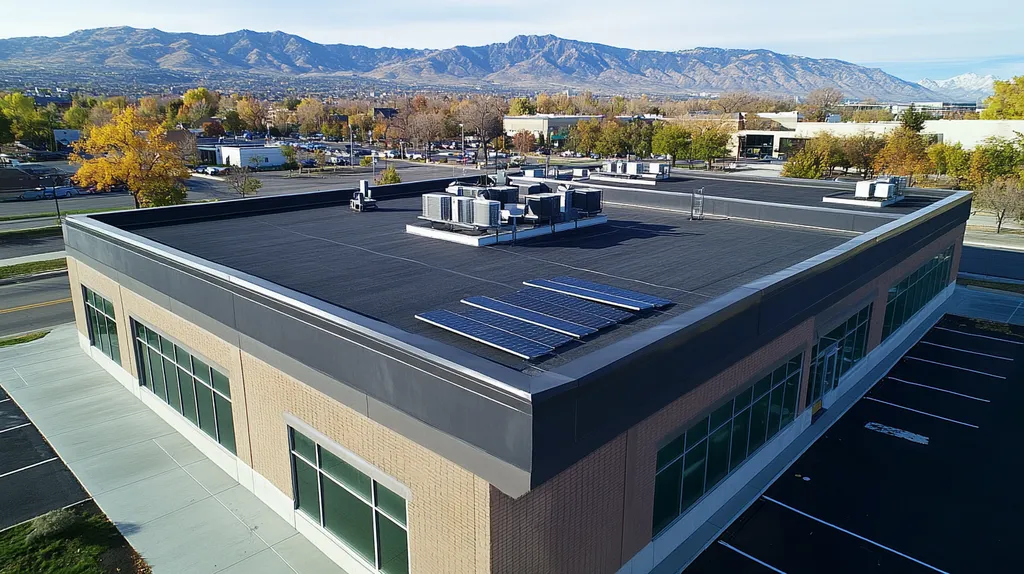
When it comes to emergency coating solutions for commercial roofs, the stakes are high and the risks are real. Roof deterioration can silently escalate into catastrophic structural damage, costing property owners over $20 billion in repairs each year. Timely intervention isn’t just crucial; it’s a necessity. This section uncovers the frequent problems property managers encounter, offers warning signs to stay vigilant about, and outlines preventative approaches that can greatly extend the lifespan of any roofing system.
Frequent Problems & Solutions
Commercial roofs are notorious for issues such as ponding water, cracks, and UV damage. Ponding water, a persistent enemy, can gradually wear down roofs, leading to leaks and structural failures. Studies suggest that nearly 50% of flat roofs retain water long after it rains.
The antidote often lies in choosing the right emergency coatings. Reflective coatings can help mitigate heat accumulation, reducing thermal strain on the roof. A sealing coat can also effectively address minor cracks before they grow into gaping fissures, extending the roof’s life considerably.
Understanding the specific roofing system in question is crucial. For example, thermoplastic systems may call for different coatings compared to a built-up roof. Selecting a tailored approach ensures that every chosen coating delivers maximum benefits.
Regular inspections should be a staple of property management. They provide an opportunity to spot problems early, arming property managers with the knowledge needed to engage roofing experts before small issues spiral out of control.
Warning Signs To Watch For
Being aware of warning signs can significantly aid in averting serious roofing disasters. Discoloration or blistering on the roof often indicates lurking moisture issues. Any visible sagging is a major red flag that could point to severe structural weaknesses.
Rust spots on metal roofing deserve attention, as they signal potential corrosion and compromised materials. Frequent leaks within a building should raise alarms; they’re often symptoms of more extensive roof problems.
If roof membranes are peeling or seams are showing signs of failure, immediate action is warranted. These signs are not just minor annoyances but critical indicators demanding a thorough inspection.
By staying alert to these warning signs and addressing them promptly, property managers can save themselves significant repair costs. Implementing a regular maintenance routine allows for early problem detection and timely corrective measures.
Preventative Approaches
Preventative strategies are vital in the world of commercial roofing. Regular maintenance not only boosts roof longevity but also reduces the frequency of emergency interventions. A solid maintenance plan typically involves bi-annual inspections, along with swift repairs for any issues that arise.
Utilizing high-quality materials, such as superior coatings and membranes, is an essential preventive measure. These advanced options often come with warranties and offer additional protection against harsh environmental conditions.
Education plays a crucial role; property managers must familiarize themselves with available roofing technologies and best maintenance practices. Investing in training or consulting with roofing specialists can empower informed decision-making.
Lastly, having a contingency plan for emergencies is paramount. Preparedness allows property managers to act quickly, mitigating potential damage and minimizing costs tied to roofing failures.
SECTION 6: NEXT STEPS & RESOURCES
When emergencies strike, having a solid plan for roof coatings can mean the difference between a minor repair and a significant financial loss. Statistics show that up to 30% of roof failures could be mitigated by timely interventions like coatings. Property managers must act swiftly and wisely, as the repercussions of neglect can escalate quickly, impacting the entire building’s integrity. This section outlines the critical steps to ensure proper roof maintenance, vital questions to ask providers, relevant industry standards, and resources for further education.
Questions To Ask Providers
Property managers should prioritize obtaining comprehensive information from roofing providers. Key questions should include inquiries about the types of emergency coatings available and their respective warranties. Understanding how these coatings perform under temperature fluctuations and various weather events is crucial for long-term durability.
It’s essential to also ask about the provider’s technical certifications and previous project experience. Verifying their expertise in applying emergency coatings can provide peace of mind regarding quality and effectiveness. Additionally, inquire about response times for emergency situations to assess their readiness for urgent needs.
Discussing maintenance requirements post-application is vital, too. Knowing how often inspections or re-coatings are necessary can save property owners from unexpected expenses later on.
Lastly, potential providers should provide case studies or references from similar commercial properties. Success stories can clarify expectations and bolster confidence in the selected emergency coating solution.
Industry Standards & Guidelines
Adhering to industry standards in roofing is not just advisable; in many cases, it’s a requirement. Organizations like the National Roofing Contractors Association (NRCA) generate helpful guidelines. Following these can ensure that best practices are maintained during the application of emergency coatings.
The American Society for Testing and Materials (ASTM) also sets benchmark standards for roofing materials, including coatings. Familiarizing oneself with these certifications allows property managers to make informed, high-quality selections.
Another important consideration is aligning with local building codes. Cities or regions often have unique regulations governing roofing processes. Property managers must ensure contractors comply to avoid potential legal issues and financial penalties.
Incorporating these industry standards into roof management processes can lead to improved performance and enhanced property value. Staying educated about these standards prepares managers for future assessments and planning.
Further Learning Simplified
For property managers seeking to enhance their knowledge of emergency coating solutions, several resources are readily available. Educational platforms like the NRCA offer webinars and workshops focusing on the latest roofing technologies and best practices.
Online forums hosted by industry associations provide valuable insights, allowing property managers to exchange experiences and advice regarding various emergency coating techniques. This shared wisdom can lead to more effective decision-making.
Moreover, specialized trade publications frequently highlight innovations in commercial roofing solutions, including coatings. Subscribing to these publications keeps managers informed about the latest trends and regulatory changes.
Finally, consulting seasoned professionals through mentorship or advisory programs can facilitate personalized learning opportunities. Investing time in these resources can greatly benefit property managers striving for excellence in roof maintenance.
The Bottom Line
With commercial roof damage costing property owners an average of $1.5 million annually in preventable repairs, the importance of understanding emergency coating solutions cannot be overstated.
While manufacturers tout endless “innovative” coating options, the reality is far simpler: choose proven solutions backed by industry data and proper certifications.
Property managers who master the fundamentals covered in this guide – from timing and application to material selection and maintenance protocols – position themselves to make swift, informed decisions when emergencies strike.
The difference between catastrophic failure and successful intervention often comes down to preparation and knowledge, not flashy marketing claims or trendy new products.
In the high-stakes world of commercial roofing, emergency coatings remain an essential tool – but only when deployed strategically by educated decision-makers.
FREQUENTLY ASKED QUESTIONS
Q. What are emergency coatings for a commercial roof?
A. Emergency coatings are quick-fix solutions designed to shield roofs from immediate damage. They create a seamless barrier against leaks and tears, allowing property managers to respond swiftly to roofing issues. By applying these coatings, you can temporarily protect your roof while waiting for more extensive repairs.
Q. When should I apply emergency coatings on industrial roofs?
A. The best time to apply emergency coatings is during severe weather events or when leaks are detected. Additionally, seasonal temperature fluctuations can create cracks that necessitate immediate attention. Acting quickly ensures the roof remains protected until a full inspection or repairs can be conducted.
Q. What key terms should I know for my commercial roof?
A. Important terms include “substrate,” referring to the base layer of the roof, and “application method,” which describes how coatings are applied. Understanding concepts like “flashings” and “UV resistance” can help you make informed decisions about your roof coatings and maintenance strategies.
Q. What factors influence the choice of coatings for industrial roofs?
A. Key factors include cost, performance, and expected lifespan. Selecting a budget coating might seem appealing, but long-term maintenance and durability can add expenses. It’s crucial to evaluate how each coating performs under local weather conditions and how it will fit into your overall roofing strategy.
Q. What common challenges do I face with commercial roof coatings?
A. Frequent issues include ponding water, cracks, and UV damage. If undetected, these problems can escalate into costly repairs. Regular inspections are crucial to catch these issues early and choosing the right coatings can mitigate their effects and extend the roof’s longevity.
Q. What questions should I ask roofing providers for commercial services?
A. Inquire about the types of coatings available, warranties, and the provider’s experience with similar projects. It’s also crucial to ask about maintenance post-application and their emergency response times. This information ensures you select a knowledgeable partner for your roofing needs.
Q. How do I evaluate the effectiveness of my coating options?
A. Assess the coatings based on their performance in extreme weather, adhesion strength, and UV resistance. Durability and longevity should be top priorities, as well as how they integrate with current roofing systems. Thoroughly reviewing these factors will help ensure you make smart, long-lasting choices.






