
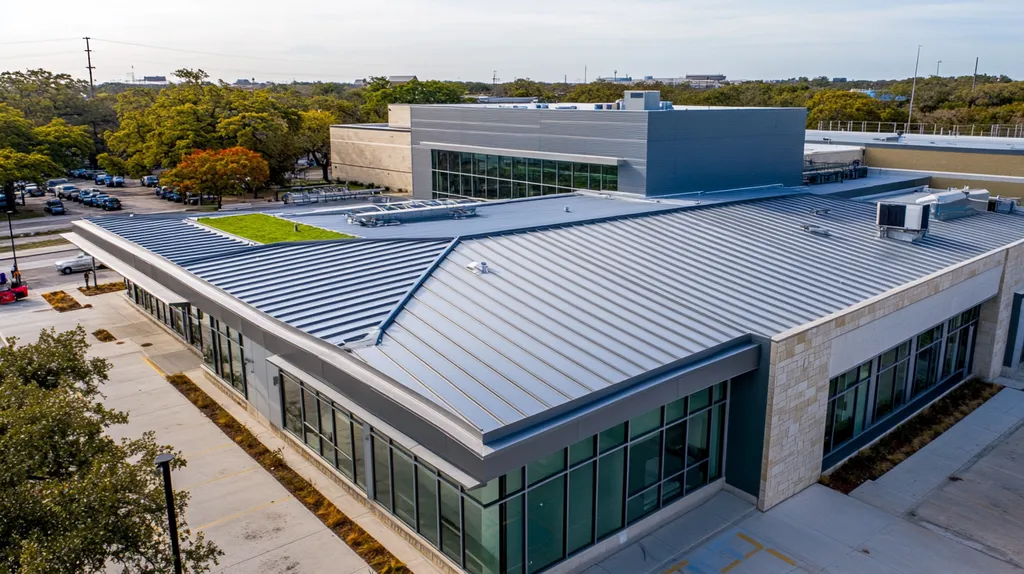
Welcome to today’s Battle Royale featuring two roofing heavyweights: “Silicone” in the east corner versus “Polyurethane” in the west!
Tonight’s showdown pits these contenders against each other across six punishing rounds designed to test every aspect of their performance for Commercial Roof Assessment.
At stake? Millions in potential costs, decades of building protection, and the critical performance demands of modern commercial and industrial facilities.
Our professional judging panel will evaluate each round on technical merit, real-world performance, and value delivery. After all six rounds, we’ll declare our ultimate champion.
Ladies and gentlemen, facility managers and building owners… it’s time to rumble!
ROUND 1: INITIAL COSTS & INSTALLATION
When it comes to commercial roof coatings, the financial implications of choosing between silicone and polyurethane can impact a business’s bottom line for years to come. With material costs rising and labor shortages affecting installation timelines, property owners face increasingly complex decisions about protecting their roofing investments. Understanding the true costs and installation requirements of each coating type has become essential for making informed choices that balance immediate expenses against long-term performance.
Material Expenses
The initial investment in roofing materials sets the foundation for project success. Silicone coatings typically command premium pricing, ranging from 20-30% higher than comparable polyurethane options. However, this cost difference often balances out when considering the complete lifecycle of the coating.
Silicone coatings deliver exceptional durability with a single-coat application, reducing both material usage and application costs. Their superior UV resistance and moisture protection capabilities mean fewer repair cycles and extended service life.
Polyurethane coatings offer lower upfront costs but generally require multiple layers for optimal performance. The need for primer coats and more frequent maintenance can increase long-term material expenses significantly.
In the material expense category, polyurethane claims an ADVANTAGE due to lower initial costs, though this advantage may diminish over time.
Installation Complexity
The complexity of installation directly impacts project success and timeline adherence. Modern silicone coatings have revolutionized the application process with their exceptional adhesion properties and straightforward installation requirements.
Castagra’s testing method demonstrates that proper adhesion strength should reach 10 pounds per linear inch, establishing a new benchmark for coating performance. This standard ensures reliable installation across diverse roofing substrates. (source: Castagra)
Polyurethane installations demand more precise environmental conditions and extensive surface preparation. Multiple coating layers must be applied within specific time windows, increasing the risk of application errors.
For installation complexity, silicone coatings gain a clear ADVANTAGE through their simpler application process and more forgiving nature.
Project Timeline
Time efficiency in commercial roofing projects directly affects business operations and profitability. Silicone coatings can typically be applied in a single day, with rapid curing times allowing for same-day water resistance.
These quick-curing properties minimize facility disruption and reduce the risk of weather-related complications during installation. Most silicone coating projects can be completed in half the time of comparable polyurethane applications.
Polyurethane installations require longer cure times between coats and are more susceptible to weather delays. The multi-step application process often extends project timelines by several days or even weeks.
Regarding project timeline efficiency, silicone coatings secure another ADVANTAGE through faster completion times and reduced business disruption.
ROUND 1 WINNER: SILICONE COATINGS
ROUND 2: DURABILITY & LIFESPAN
In today’s volatile climate conditions, the durability and lifespan of commercial roof coatings can mean the difference between consistent protection and catastrophic failure. With extreme weather events increasing and maintenance budgets tightening, property owners face mounting pressure to select coatings that deliver reliable long-term performance. Understanding how silicone and polyurethane coatings withstand these challenges has become crucial for protecting valuable assets and avoiding costly failures.
Resistance to Environmental Conditions
Environmental resistance determines how well a coating maintains its protective properties when faced with UV radiation, moisture, and temperature fluctuations. Silicone coatings demonstrate exceptional stability under intense UV exposure, maintaining their protective properties even in high-temperature environments.
These coatings create a seamless membrane that resists oxidation and chalking, preserving their reflective properties and protective capabilities. Their molecular structure allows them to withstand ponding water without breaking down or losing adhesion.
Polyurethane coatings offer strong initial UV resistance but can show signs of degradation over time, particularly in high-temperature environments. While they excel at handling mechanical stress, their chemical structure makes them more susceptible to moisture-related deterioration.
For environmental resistance, silicone coatings claim the ADVANTAGE due to superior UV and moisture protection.
Longevity and Maintenance Requirements
The lifespan of roofing coatings directly impacts facility maintenance schedules and long-term operating costs. Silicone coatings typically maintain their protective properties for 15-20 years with minimal intervention, thanks to their natural resistance to environmental degradation.
These coatings’ self-cleaning properties help maintain their reflective qualities, reducing the frequency of cleaning and recoating cycles. Their stable chemical composition means they retain flexibility throughout their service life.
Polyurethane coatings generally require recoating every 7-10 years to maintain optimal performance. They often need regular cleaning to prevent dirt accumulation that can compromise their reflective properties and accelerate deterioration.
For longevity and maintenance, silicone coatings secure another clear ADVANTAGE.
Performance in Extreme Conditions
The ability to withstand severe weather events and rapid temperature changes defines a coating’s reliability. Silicone coatings maintain their flexibility and adhesion even under extreme temperature swings, preventing cracking and delamination.
Their hydrophobic properties create exceptional resistance to heavy rainfall and ponding water, maintaining watertight protection even in challenging conditions. The coating’s elasticity allows it to accommodate building movement without compromising its protective barrier.
Polyurethane coatings can become brittle in extreme cold and may soften excessively in high heat. While they offer good impact resistance, their sensitivity to moisture can lead to adhesion issues during prolonged wet conditions.
In extreme conditions performance, silicone coatings demonstrate another ADVANTAGE.
ROUND 2 WINNER: SILICONE COATINGS
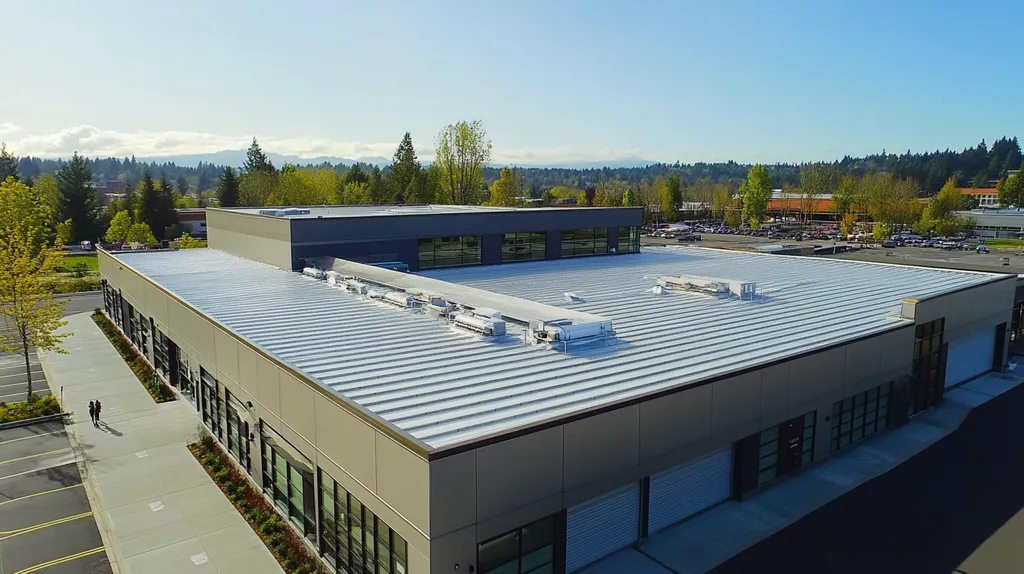
ROUND 3: PERFORMANCE FACTORS
The success of a commercial roofing system hinges on measurable performance metrics that directly impact building protection and operational costs. As extreme weather events increase and energy efficiency demands rise, choosing the right coating has become more critical than ever. Understanding how different coatings perform under real-world conditions can mean the difference between long-term protection and premature failure.
Longevity and Durability
Longevity in roof coatings translates directly to return on investment and reduced maintenance cycles. Modern silicone coatings maintain their protective properties for up to two decades, with minimal degradation of their core characteristics over time.
The molecular structure of silicone allows it to withstand thermal cycling and building movement without cracking or losing adhesion. This resilience means fewer repair cycles and more predictable maintenance schedules.
Polyurethane coatings typically require recoating every 7-10 years to maintain optimal performance. While they offer good initial protection, their durability can be compromised by prolonged exposure to harsh environmental conditions.
In terms of longevity and durability, silicone coatings gain the ADVANTAGE through their superior long-term performance.
UV Stability
UV stability directly impacts both coating longevity and building energy efficiency. Rust-Oleum’s testing demonstrates that high-quality roof coatings can achieve initial reflectivity values of 87%, significantly reducing heat absorption and energy costs. (source: Rust-Oleum)
Silicone coatings excel at maintaining their reflective properties over time, with minimal degradation even after years of sun exposure. Their natural UV resistance prevents chalking and surface deterioration that could compromise performance.
Polyurethane coatings can provide good initial UV protection but often show accelerated degradation in high-UV environments. Their reflective properties tend to diminish faster, potentially leading to increased cooling costs over time.
For UV stability, silicone coatings secure another clear ADVANTAGE.
Water Resistance
Water infiltration remains one of the leading causes of commercial roof failure. Silicone coatings create a seamless, hydrophobic barrier that actively repels water, preventing penetration even during extended periods of ponding.
These coatings maintain their water-resistant properties throughout their service life, with minimal impact from repeated freeze-thaw cycles. Their chemical stability ensures consistent performance in both dry and wet conditions.
Polyurethane coatings provide adequate initial water resistance but can become compromised over time, especially in areas prone to ponding. Their moisture sensitivity can lead to adhesion issues and potential coating failure.
In water resistance testing, silicone coatings demonstrate another ADVANTAGE.
ROUND 3 WINNER: Silicone Coatings
ROUND 4: MAINTENANCE REQUIREMENTS
As commercial building operating costs continue to rise, maintenance requirements for roofing systems have become a critical factor in coating selection. Studies show that inadequate maintenance can reduce a roof’s lifespan by up to 50% while increasing energy costs by as much as 40%. Understanding the ongoing care requirements of different coating systems has never been more essential for protecting both the building and the bottom line.
Routine Inspection Requirements
Regular inspections form the foundation of any effective roof maintenance program. Silicone coatings typically require only annual professional inspections due to their exceptional durability and resistance to environmental degradation.
These coatings maintain their protective properties with minimal intervention, allowing for simplified inspection protocols. Their natural resistance to UV damage and ponding water means fewer potential failure points to monitor.
Polyurethane coatings demand quarterly inspections to identify early signs of degradation or adhesion issues. Their sensitivity to moisture and UV exposure requires vigilant monitoring to prevent premature failure.
For inspection requirements, silicone coatings gain the ADVANTAGE through reduced monitoring needs.
Cleaning and Preventive Care
The coating incorporates innovative heat-resistant properties that significantly reduce maintenance demands while lowering indoor temperatures by 25-45 degrees Fahrenheit. This temperature reduction translates to substantial energy savings, with some facilities reporting up to 49% reduction in HVAC cooling requirements. (source: Roofing Contractor)
Silicone coatings feature self-cleaning properties that minimize dirt accumulation and maintain reflectivity. Their smooth surface naturally sheds debris and requires only basic cleaning to maintain peak performance.
Polyurethane coatings need more frequent cleaning to prevent surface deterioration and maintain reflective properties. Their textured finish can trap dirt and debris, requiring specialized cleaning procedures to avoid coating damage.
In terms of cleaning requirements, silicone coatings demonstrate another clear ADVANTAGE.
Repair and Recoating Cycles
The frequency and complexity of repairs directly impact long-term maintenance costs. Silicone coatings can typically go 15-20 years before requiring significant maintenance, with simple spot repairs addressing most issues.
When repairs are needed, silicone coatings readily accept new material without extensive surface preparation. This compatibility significantly reduces repair time and costs while ensuring consistent protection.
Polyurethane coatings often require complete recoating every 7-10 years to maintain their protective properties. Their repair process demands careful surface preparation and specific environmental conditions for success.
For repair and recoating requirements, silicone coatings secure another ADVANTAGE.
ROUND 4 WINNER: SILICONE COATINGS
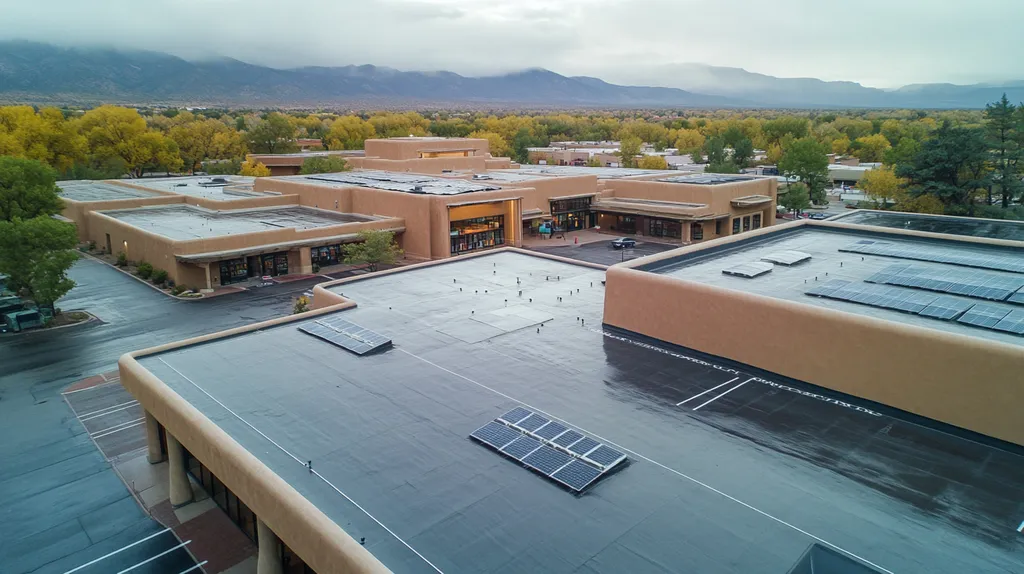
ROUND 5: SUSTAINABILITY CREDENTIALS
Today’s commercial property owners face mounting pressure to adopt sustainable building practices while managing rising operational costs. With buildings accounting for nearly 40% of global energy consumption and carbon emissions, roof coating choices have far-reaching environmental implications. The stakes are particularly high as regulations tighten and tenants increasingly demand green building certifications.
Longevity and Durability
Sustainable roofing starts with maximizing service life to minimize waste and resource consumption. Modern silicone coatings demonstrate exceptional durability, with properly maintained systems lasting up to 25 years before requiring replacement.
Silicone’s unique molecular structure resists breakdown from UV exposure and thermal cycling, maintaining its protective properties with minimal degradation. This stability translates to fewer replacement cycles and reduced environmental impact over time.
Polyurethane coatings typically require replacement every 7-10 years, creating more frequent disposal issues and increased material consumption. Their shorter lifespan results in higher cumulative environmental impact despite good initial performance.
For sustainable longevity, silicone coatings claim the ADVANTAGE through superior lifecycle performance.
Energy Efficiency
A roof coating’s ability to reflect solar radiation directly impacts building energy consumption and carbon footprint. High-performance silicone coatings maintain their reflective properties throughout their service life, reducing cooling loads by up to 35%.
These coatings resist degradation that could compromise their solar reflective index (SRI), ensuring consistent energy performance. Their stable reflective properties contribute to significant long-term reductions in HVAC energy consumption.
While polyurethane coatings offer good initial reflectivity, their tendency to degrade under UV exposure leads to diminishing energy performance. This degradation often requires more frequent recoating to maintain energy efficiency benefits.
In energy efficiency, silicone coatings demonstrate another clear ADVANTAGE.
Environmental Impact
The environmental footprint of roof coatings extends from manufacturing through disposal. Castagra’s testing protocols have established new industry standards for coating performance validation, ensuring sustainable solutions meet rigorous durability requirements. (source: Castagra)
Silicone coatings produce lower volatile organic compound (VOC) emissions during application and maintain chemical stability throughout their lifecycle. Their simplified removal process reduces environmental impact during eventual replacement.
Polyurethane coatings often require more complex chemical formulations and generate higher VOC emissions during installation. Their disposal process can be more environmentally challenging due to chemical composition.
For environmental impact, silicone coatings secure another ADVANTAGE.
ROUND 5 WINNER: SILICONE COATINGS
ROUND 6: SPECIALIZED APPLICATIONS
In today’s complex industrial landscape, specialized roofing requirements can make or break facility operations. With chemical exposure, extreme temperatures, and harsh environmental conditions threatening roof integrity, choosing the wrong coating system can lead to catastrophic failures and costly shutdowns. Understanding how different coatings perform under these demanding conditions has become essential for protecting both assets and operations.
High Temperature Resistance
In industrial settings where rooftop temperatures can exceed 180°F, coating stability directly impacts facility protection and energy efficiency. Silicone coatings maintain their structural integrity and flexibility even under extreme heat conditions, preventing degradation and ensuring consistent performance.
Rust-Oleum’s testing shows that high-quality silicone coatings can achieve initial reflectivity values of 87%, significantly reducing heat absorption and thermal stress on the roofing system. Their stable molecular structure resists breakdown even under prolonged heat exposure. (source: Rust-Oleum)
Polyurethane coatings become increasingly vulnerable as temperatures rise, often showing signs of premature aging and reduced flexibility. Their chemical structure can break down under sustained heat exposure, leading to coating failure and reduced protection.
For high-temperature applications, silicone coatings demonstrate a clear ADVANTAGE through superior heat stability.
Chemical Resistance
Industrial facilities face constant exposure to harsh chemicals, making chemical resistance a critical performance factor. Silicone coatings create an inert barrier that resists degradation from most industrial chemicals and pollutants.
Their stable molecular structure maintains protective properties even when exposed to acidic rain, chemical fumes, or direct contact with process chemicals. This resistance helps prevent costly contamination and maintains facility safety standards.
Polyurethane coatings offer limited chemical resistance and can break down when exposed to certain industrial compounds. Their vulnerability to chemical attack can compromise roof protection and lead to premature system failure.
In chemical resistance testing, silicone coatings secure another ADVANTAGE.
Low Temperature Flexibility
Cold weather performance determines coating reliability in facilities operating year-round. Silicone coatings maintain their flexibility and adhesion even in sub-zero temperatures, preventing cracking and delamination during thermal cycling.
Their elastic properties allow them to accommodate building movement and thermal expansion without compromising the protective barrier. This flexibility ensures consistent protection even during extreme temperature fluctuations.
Polyurethane coatings become increasingly brittle as temperatures drop, raising the risk of cracking and system failure. Their reduced flexibility in cold conditions can lead to coating separation and water infiltration.
For low-temperature performance, silicone coatings claim another ADVANTAGE.
ROUND 6 WINNER: SILICONE COATINGS
AND THE WINNER IS…
After six grueling rounds of technical evaluation, we have our verdict. In a stunning unanimous decision, SILICONE COATINGS emerge as the undisputed champion of commercial roof protection!
Dominating every round with exceptional performance, silicone proved its superiority in durability, UV resistance, and maintenance requirements. Its knockout combination of single-coat application, superior longevity, and outstanding environmental resistance secured victory after victory.
But don’t count polyurethane out completely! In specialized applications requiring superior impact resistance or where initial cost constraints are paramount, this worthy challenger still packs a powerful punch.
IMPORTANT NOTICE: While this match-up provides valuable insights, every building faces unique challenges. Local climate conditions, substrate materials, and specific facility requirements can all impact coating performance. Property owners should always consult qualified roofing professionals who can evaluate their specific situation and recommend appropriate solutions based on detailed site assessment.
Ladies and gentlemen, in the high-stakes world of commercial roofing, remember: The true victory comes not just from choosing a champion coating, but from matching your facility’s specific requirements with the right contender’s strengths. Now get out there and protect those assets!
FREQUENTLY ASKED QUESTIONS
Q. What are the initial costs for a commercial roof coating?
A. Choosing between silicone and polyurethane coatings significantly affects your budget. Silicone coatings usually cost 20-30% more initially but offer long-term savings due to lower maintenance and fewer repairs. Polyurethane coatings are cheaper upfront, requiring multiple layers that may increase costs over time.
Q. How does durability compare for commercial roof coatings?
A. Durability is crucial in selecting roof coatings. Silicone coatings withstand harsh conditions like UV and moisture, lasting 15-20 years with minimal maintenance. In contrast, polyurethane coatings may show degradation sooner, lasting only 7-10 years under similar stress, leading to more frequent repairs.
Q. What performance factors should I consider for a commercial roof?
A. When assessing performance, consider longevity, UV stability, and water resistance. Silicone coatings often outperform polyurethane by providing longer lifespans and consistent reflective properties, while polyurethane may lose effectiveness due to UV exposure and require quicker replacement cycles.
Q. What maintenance requirements should I expect for commercial roofs?
A. Maintenance strategies vary between coating types. Silicone coatings typically need annual inspections, while polyurethane coatings require more frequent quarterly checks. Additionally, silicone coatings’ self-cleaning properties mean less frequent cleaning is necessary, minimizing overall maintenance efforts.
Q. How do sustainability credentials differ between roof coatings?
A. Sustainability is increasingly important for commercial properties. Silicone coatings last longer, reducing waste and resource consumption, while polyurethane coatings need replacement every 7-10 years, leading to higher environmental impacts. This longevity makes silicone a more sustainable choice overall.
Q. Are there specialized applications for commercial roof coatings?
A. Yes, specialized environments may benefit from unique properties. Silicone coatings perform exceptionally well in extreme temperatures and resist harsh chemicals, making them ideal for industrial settings. Polyurethane coatings tend to degrade faster under similar conditions, leading to potential failures.
Q. What factors influence the selection of a commercial roof coating?
A. Factors influencing coating selection include the climate, roof type, budget, and expected lifespan. Owners must assess the specific environmental conditions their roof will face and choose a coating that balances cost with long-term durability and maintenance needs for optimal protection.






