
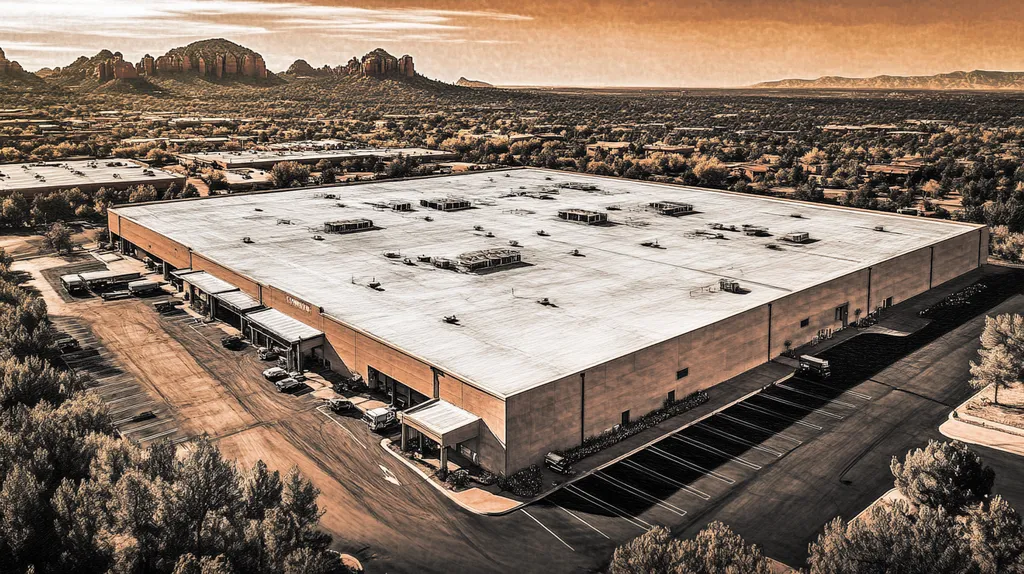
Commercial buildings waste $6 billion annually through inefficient roof systems that absorb excessive solar heat, driving cooling costs 30% higher than necessary levels. Dark roofing surfaces reaching 180°F force HVAC systems into overdrive during peak demand periods, creating substantial operational expenses that compound yearly.
Energy-efficient roof coatings offer proven solutions that reduce cooling loads by up to 40% while reflecting 90% of solar radiation back into the atmosphere. These liquid-applied systems transform existing roofs into high-performance thermal barriers without costly replacement projects.
Understanding coating fundamentals, practical applications, and implementation strategies enables facility managers to achieve measurable energy reductions and extended asset lifecycles. Strategic coating deployment delivers immediate operational improvements while protecting long-term building value.
SECTION 1: THE BASICS EXPLAINED
Commercial building energy costs continue escalating, with cooling expenses consuming up to 40% of total energy budgets in many facilities. Traditional roofing materials absorb excessive solar radiation, creating heat islands that force HVAC systems into overdrive during peak demand periods.
Energy-efficient roof coatings represent a proven intervention that directly addresses this thermal burden. Understanding the fundamental principles behind these coating systems enables facility managers to make strategic decisions that deliver measurable operational improvements.
What It Is (In Plain Language)
Roof coatings are liquid-applied protective membranes that cure into seamless barriers across existing commercial roof surfaces. These specialized formulations contain reflective pigments and advanced polymers designed to deflect solar radiation while sealing minor defects.
The application process involves comprehensive surface preparation, damage repair, and systematic coating installation using spray or roller methods. Professional crews typically complete most commercial projects within 3-5 days, minimizing operational disruption.
Three primary coating chemistries dominate the market: acrylic systems for moderate climates, silicone formulations for ponding water areas, and polyurethane options for high-traffic zones. Each chemistry offers distinct performance characteristics suited to specific building conditions and environmental exposures.
Installation costs typically range from $2-4 per square foot, representing 60-70% savings compared to complete roof replacement projects. Most coating systems carry 10-20 year warranties, providing predictable asset protection timelines.
Why It Matters (To Your Building)
Cooling loads account for the largest controllable energy expense in most commercial facilities, particularly in southern and western regions where summer temperatures exceed 90°F for extended periods. Uncoated roofs absorb 80-95% of solar radiation, transferring heat directly into conditioned spaces below.
The Department of Energy has determined that elastomeric coatings can increase energy efficiency by up to 50% while reflecting up to 90% of heat intensity, substantially reducing HVAC demand during peak operating hours (source: Specguard Coating Systems). This translates to annual savings of $0.10-0.30 per square foot of roof area in typical applications.
Beyond immediate cost reductions, reflective coatings extend roof membrane life by 5-10 years through UV protection and thermal cycling reduction. This delay in capital replacement requirements preserves cash flow and eliminates disruptive construction activities.
Many utility providers and government agencies offer rebates for cool roof installations, with incentives ranging from $0.15-0.75 per square foot. These programs recognize the grid-wide benefits of reduced peak electricity demand during critical summer periods.
How It Works
Energy-efficient coatings function through two complementary thermal properties: solar reflectance and thermal emittance. Solar reflectance measures the percentage of solar radiation bounced away from the surface, while thermal emittance indicates how efficiently absorbed heat radiates back to the atmosphere.
High-performance coatings achieve solar reflectance values of 85-95%, compared to 5-25% for conventional dark roofing materials. This dramatic difference prevents heat absorption at the source rather than attempting to remove it through mechanical cooling systems.
Thermal emittance properties ensure that any residual heat absorption dissipates rapidly through infrared radiation. Quality coatings maintain emittance ratings above 85%, creating a cooling effect even during nighttime hours.
The combined impact reduces roof surface temperatures by 50-80°F during peak sun exposure. This temperature differential decreases heat transfer through the roof assembly, lowering interior space temperatures and reducing HVAC runtime requirements by 15-40% during cooling seasons.
SECTION 2: PRACTICAL APPLICATIONS
Commercial facility energy performance depends heavily on strategic roof coating deployment across diverse building types and operational environments. While the fundamental principles remain consistent, successful implementation requires understanding specific applications, optimal timing decisions, and critical system integrations.
Facility managers who master these practical considerations achieve measurable energy reductions and extended asset lifecycles. Those who overlook application nuances often experience diminished returns and missed optimization opportunities.
Common Uses & Examples
Manufacturing facilities with expansive metal roofing systems represent prime coating candidates, particularly in southern climates where unprotected surfaces exceed 160°F during summer operations. Acrylic elastomeric coatings on these installations typically reduce cooling loads by 20-35% while preventing thermal expansion damage to roof fasteners and seams.
Distribution centers and warehouses benefit significantly from silicone-based coatings applied over existing built-up roofing systems. These facilities often operate with minimal climate control, making interior temperature reduction critical for worker comfort and inventory protection.
Office complexes and retail centers utilize reflective coatings as cost-effective alternatives to complete roof replacement when membranes show early aging signs but retain structural integrity. Hospital and educational facilities particularly value coating applications that avoid operational disruptions while delivering immediate energy improvements.
Multi-tenant commercial buildings frequently implement coating programs to reduce common area utility expenses and improve tenant satisfaction through enhanced climate control. Strip malls and shopping centers report notable success with polyurethane coatings in high-traffic areas where foot traffic and maintenance access require superior durability.
When You Need It Most
Optimal coating timing occurs during the 8-12 year lifecycle phase when roof membranes exhibit surface weathering but maintain waterproof integrity. Early intervention at this stage prevents accelerated deterioration while maximizing energy efficiency gains throughout the coating’s service life.
Facilities experiencing 15-25% annual increases in cooling costs often benefit immediately from emergency coating applications, even outside ideal weather windows. These situations typically indicate roof membrane failure or insulation compromise requiring urgent thermal intervention.
Budget planning cycles should prioritize coating applications before visible ponding water, membrane shrinkage, or granule loss becomes extensive. Proactive timing reduces overall project costs by 40-60% compared to reactive repairs combined with coating installation.
Energy audit results revealing excessive heat gain through roof assemblies signal immediate coating needs, particularly when utility demand charges spike during summer peak periods. Facilities facing regulatory pressure to reduce energy consumption find coatings provide rapid compliance pathway with measurable documentation.
Interactions With Other Systems
HVAC system performance improves dramatically when roof coatings reduce heat load, but equipment sizing must account for decreased cooling demands to optimize efficiency. Oversized units cycling frequently due to reduced thermal load can increase energy consumption despite lower roof temperatures.
Building insulation systems work synergistically with reflective coatings to create comprehensive thermal barriers. Elastomeric coatings can increase energy efficiency by up to 50% while reflecting up to 90% of solar radiation, but inadequate insulation allows remaining heat transfer to compromise overall performance (source: Specguard Coating Systems).
Roof drainage systems require careful consideration during coating application to prevent flow pattern disruption. Improper coating thickness or surface preparation can create new ponding areas that accelerate membrane degradation and reduce coating longevity.
Fire suppression systems, skylights, and rooftop equipment penetrations need specialized coating details to maintain system integrity while preserving reflective properties. Coordination with facility maintenance teams ensures coating applications enhance rather than complicate routine building operations.
SECTION 3: KEY TERMINOLOGY DECODED
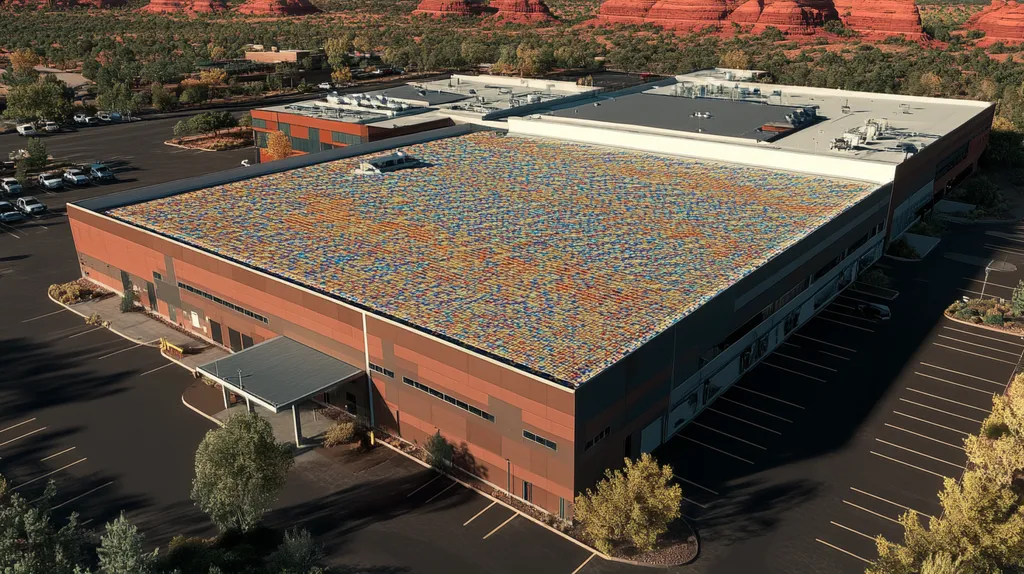
Commercial roof coating specifications contain critical terminology that directly impacts energy performance and long-term operational costs. Facility managers who misinterpret these technical terms often select inappropriate products, resulting in diminished energy savings and premature coating failure.
Precise understanding of industry language enables informed decision-making and effective communication with roofing contractors. Mastering these definitions ensures optimal coating selection aligned with specific building requirements and performance expectations.
Essential Terms Explained
Solar reflectance quantifies the percentage of solar radiation a coating deflects away from the roof surface, expressed as a decimal between 0 and 1. High-performance energy-efficient coatings achieve reflectance values of 0.80 or higher, meaning 80% of solar energy bounces back into the atmosphere rather than heating the building.
Thermal emittance measures how effectively a coating releases absorbed heat through infrared radiation back to the sky. Quality coatings maintain emittance ratings above 0.85, ensuring rapid heat dissipation during evening hours when solar radiation decreases.
Elastomeric properties describe a coating’s ability to stretch and contract with thermal cycling without cracking or losing adhesion. These flexible characteristics accommodate roof movement caused by temperature fluctuations, maintaining waterproof integrity throughout seasonal changes.
Wet film thickness represents the coating depth immediately after application, while dry film thickness indicates the final cured thickness after solvent evaporation. Proper dry film thickness typically ranges from 15-25 mils for optimal performance and durability.
Industry Jargon Translated
Cool roof technology encompasses coating systems designed to reduce heat absorption and improve building energy efficiency through advanced reflective pigments. Cool roof coatings significantly reduce the amount of heat absorbed by buildings, lowering indoor temperatures and decreasing the need for air conditioning (source: Castagra).
Volatile Organic Compounds (VOCs) are chemical emissions released during coating application and curing processes that affect indoor air quality and environmental compliance. Low-VOC formulations contain less than 100 grams per liter, meeting stringent regulatory requirements while maintaining superior performance characteristics.
Ponding water resistance indicates a coating’s ability to withstand standing water without degradation or adhesion loss. Silicone-based formulations excel in ponding conditions, while acrylic systems require positive drainage for optimal longevity.
Substrate preparation encompasses surface cleaning, repair, and priming activities required before coating application. Inadequate preparation compromises adhesion and reduces coating service life by 40-60% compared to properly prepared surfaces.
Measurement & Units Simplified
Solar Reflectance Index (SRI) combines reflectance and emittance values into a single scale from 0 to 100, providing simplified performance comparison between coating products. Energy-efficient coatings typically achieve SRI values above 80, with premium systems reaching 95 or higher.
ASTM testing standards establish standardized measurement protocols for coating properties, ensuring consistent performance data across manufacturers. ASTM D6083 measures solar reflectance, while ASTM C1371 determines thermal emittance values under controlled laboratory conditions.
Mil thickness equals one-thousandth of an inch, with typical coating applications ranging from 15-30 mils depending on substrate conditions and performance requirements. Insufficient thickness reduces durability, while excessive application wastes material and may cause adhesion problems.
Energy Star qualification requires minimum SRI values of 82 for low-sloped commercial roofs, establishing baseline performance criteria for utility rebate eligibility. These specifications help facility managers identify coatings that deliver measurable energy savings and regulatory compliance.
SECTION 4: DECISION FACTORS
Commercial roof coating decisions directly impact energy efficiency outcomes and operational costs for decades. Facilities selecting inappropriate coating systems experience 25-40% higher energy consumption and premature membrane failures that force expensive emergency replacements.
Three critical factors determine coating success: comprehensive cost analysis, performance trade-offs, and durability expectations. Property owners who evaluate these elements systematically achieve optimal energy savings while protecting long-term asset value.
Cost Considerations
Initial coating costs represent only 20-30% of total ownership expenses over typical 10-15 year service lives. Premium systems with superior reflectance properties command higher upfront investments but deliver measurable energy reductions that offset increased material costs within 3-5 years through reduced cooling demand.
Labor expenses account for 40-60% of total project costs, making contractor selection critical to overall value realization. Experienced applicators minimize material waste, reduce warranty claims, and complete installations efficiently without compromising quality standards or extending project timelines.
Utility rebates and tax incentives significantly improve project economics for qualifying coating systems. Financial incentives and rebates may be available for cool roof installations, improving return on investment while meeting increasingly strict building codes focused on energy efficiency (source: Castagra).
Facility managers should evaluate total cost of ownership including energy savings, maintenance requirements, and replacement timing rather than comparing initial price points alone. Comprehensive financial analysis reveals true coating value across complete service lifecycles.
Performance Trade-offs
Solar reflectance capabilities vary significantly between coating chemistries, with acrylic systems achieving 85-90% reflectance compared to 70-80% for standard elastomeric formulations. Higher reflectance values translate directly to reduced cooling loads but may require specific application conditions or substrate preparation to maintain long-term performance.
Moisture resistance properties create critical performance trade-offs between different coating types. Silicone formulations excel in ponding water conditions but offer limited recoatability, while acrylic systems provide excellent adhesion and renewability but require positive drainage for optimal durability.
Temperature flexibility affects coating performance across diverse climate zones and seasonal variations. Polyurethane systems maintain elasticity in extreme cold but may experience reduced reflectance over time, while ceramic-enhanced coatings preserve solar properties but lack flexibility in freeze-thaw environments.
Application complexity influences both installation costs and performance outcomes. Single-component systems offer simplified field application but may sacrifice customization options, while multi-component formulations provide superior properties but require precise mixing and experienced installation crews.
Lifespan & Durability Factors
Coating service life directly impacts maintenance budgets and operational disruption frequency across commercial facilities. Systems lasting 15-20 years reduce lifecycle costs by 30-50% compared to products requiring recoating every 7-10 years, despite higher initial investments.
UV stability determines how well coatings maintain reflective properties throughout their service lives. Premium formulations retain 90-95% of initial solar reflectance after 10 years of exposure, while economy products may lose 20-30% of reflective capability within 5 years through pigment degradation.
Substrate compatibility affects adhesion longevity and membrane protection throughout coating lifecycles. Enhanced durability lowers maintenance costs and delays roof replacement, yielding long-term savings while preventing premature degradation of underlying roofing materials.
Warranty terms provide reliable indicators of expected durability and manufacturer confidence in product performance. Comprehensive warranties covering both material defects and performance guarantees offer superior protection compared to limited coverage that excludes weathering or normal wear conditions.
SECTION 5: COMMON CHALLENGES
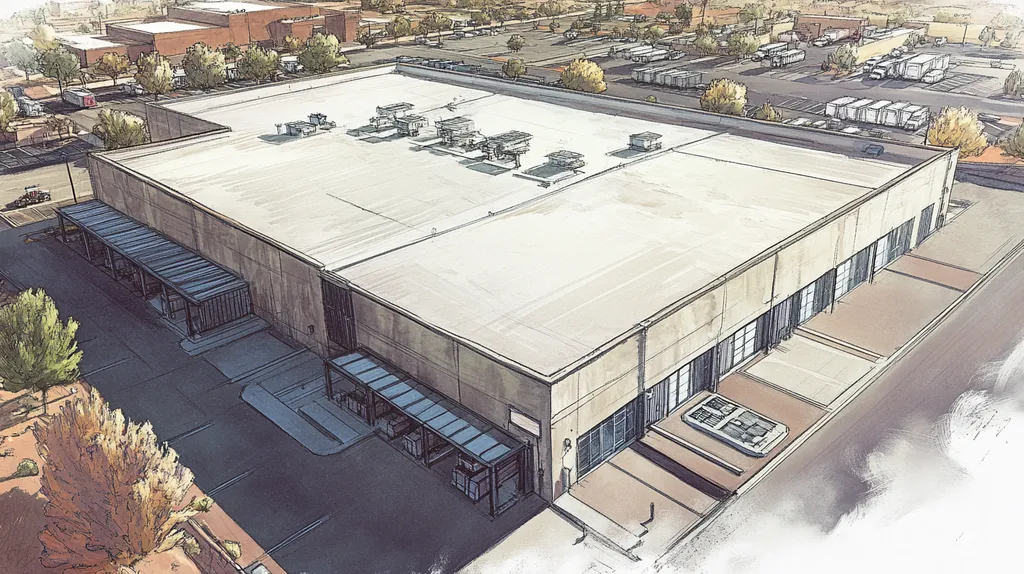
Commercial roof coating failures cost facility managers thousands in wasted energy expenses and emergency repairs annually. Industry data reveals that 35-40% of coating applications fail to deliver projected energy savings due to preventable installation errors and inadequate maintenance protocols.
Three critical challenge categories consistently undermine coating performance: application defects that compromise adhesion and coverage, degradation patterns that reduce reflective properties, and maintenance oversights that accelerate system failure. Facilities that address these challenges proactively achieve 90% or higher energy efficiency retention throughout coating service lives.
Frequent Problems & Solutions
Surface contamination represents the leading cause of premature coating failure across commercial installations. Oil residues, ponding water, and accumulated debris prevent proper adhesion, creating delamination zones that compromise waterproofing and energy performance within 12-24 months of application.
Inadequate substrate preparation accounts for 60-70% of warranty claims, with moisture-trapped surfaces generating the most severe adhesion problems. Professional contractors utilize pressure washing, chemical cleaning, and moisture testing protocols to ensure optimal bonding conditions before coating application.
Incorrect coating selection for specific roof substrates and climate conditions creates systematic performance issues that persist throughout service life. Acrylic formulations applied over silicone surfaces exhibit poor adhesion, while solvent-based products damage foam insulation systems through chemical incompatibility.
Thickness variations during application reduce energy efficiency and create premature wear patterns in high-traffic areas. Spray application techniques require experienced operators and calibrated equipment to maintain uniform coverage between 15-25 mils across entire roof surfaces.
Weather-related application errors occur when contractors proceed despite marginal temperature or humidity conditions. Coating applications during high humidity periods trap moisture beneath curing films, while extreme temperatures prevent proper film formation and reduce long-term durability.
Warning Signs To Watch For
Reflective degradation manifests through visible chalking and color fading that indicates UV pigment breakdown. These surface changes reduce solar reflectance by 15-25% annually once degradation begins, directly increasing cooling loads and energy consumption during peak demand periods.
Adhesion failure presents as localized bubbling, peeling, or delamination around roof penetrations and drainage areas. These defects allow moisture infiltration that damages underlying membranes and insulation systems, requiring extensive repairs beyond simple recoating procedures.
Cool roof coatings reduce heat absorbed by a roof, lowering indoor temperatures and decreasing the need for air conditioning while improving indoor comfort and extending roof material lifespan by reflecting UV rays (source: Castagra). Loss of these benefits indicates coating system compromise requiring immediate evaluation.
Ponding water accumulation in previously well-drained areas suggests coating thickness buildup or surface irregularities that disrupt established drainage patterns. Standing water accelerates coating degradation and creates localized failure zones that spread throughout surrounding areas.
Increasing energy consumption without corresponding operational changes signals coating performance decline before visible damage becomes apparent. Facility managers monitoring monthly utility data can detect early performance degradation and schedule preventive maintenance interventions.
Preventative Approaches
Comprehensive roof inspection programs identify emerging coating issues before they compromise energy performance or structural integrity. Quarterly visual assessments combined with annual professional evaluations detect early degradation patterns that respond effectively to targeted maintenance interventions.
Scheduled cleaning protocols remove dirt accumulation and biological growth that reduce reflective properties over time. Power washing every 2-3 years restores solar reflectance values and extends coating service life while maintaining optimal energy efficiency performance.
Proactive recoating schedules based on manufacturer recommendations prevent degradation-related performance losses. Most coating systems require reapplication every 10-15 years to maintain warranty coverage and energy efficiency standards throughout their operational lifecycles.
Documentation systems tracking application dates, material specifications, and maintenance activities enable facility managers to optimize coating replacement timing. Historical performance data guides future coating selections and helps predict maintenance requirements for budget planning purposes.
Professional contractor partnerships ensure proper installation techniques and ongoing maintenance support throughout coating service lives. Certified applicators provide warranty coverage and technical expertise that reduces long-term ownership costs while maximizing energy efficiency returns.
SECTION 6: NEXT STEPS & RESOURCES
Commercial facility managers lose millions annually through inadequate coating specifications and contractor selection errors. Industry analysis reveals that 45% of coating projects fail to meet energy efficiency projections due to insufficient due diligence during vendor evaluation and planning phases.
Strategic implementation requires systematic evaluation of contractor capabilities, adherence to established performance standards, and ongoing education about emerging technologies. Facilities that follow structured procurement processes achieve 25-30% better energy outcomes while avoiding costly installation defects and premature system failures.
Questions To Ask Providers
Demand specific solar reflectance and thermal emittance data for your exact roof substrate and climate zone, not generic product literature values. Quality contractors provide CRRC-certified test results and third-party validation of performance claims rather than relying on manufacturer marketing materials.
Request detailed references from similar facilities within the past 24 months, including contact information for facility managers who can verify energy savings and installation quality. Reputable contractors readily provide performance documentation and encourage direct communication with previous clients.
Clarify surface preparation protocols and quality control measures used to ensure proper adhesion across different substrate conditions. Experienced applicators specify moisture testing procedures, cleaning methods, and primer requirements based on actual roof conditions rather than standard specifications.
Evaluate warranty coverage beyond basic material defects to include performance guarantees for reflectance retention and energy efficiency maintenance. Comprehensive warranties should cover labor costs for repairs and specify measurable criteria for warranty claim validation.
Understand maintenance requirements and recoating schedules necessary to preserve warranty coverage and optimal energy performance throughout the coating service life. Professional contractors provide written maintenance protocols and offer ongoing inspection services to protect long-term investments.
Industry Standards & Guidelines
Cool Roof Rating Council (CRRC) certification provides standardized testing data for solar reflectance and thermal emittance under controlled laboratory conditions. These ratings enable accurate performance comparison between products and establish baseline criteria for utility rebate qualification and energy code compliance.
Energy Star qualification requirements mandate minimum Solar Reflectance Index (SRI) values of 82 for low-sloped commercial roofs, ensuring measurable energy efficiency improvements. These standards help facility managers identify coatings that deliver documented cooling load reductions and regulatory compliance.
ASTM International testing protocols establish industry-wide performance measurement standards for durability, adhesion, and weathering resistance. Cool roof coatings reduce heat absorbed by a roof, lowering indoor temperatures and decreasing the need for air conditioning while helping meet regulatory energy-efficiency requirements and contributing to environmental sustainability (source: Castagra).
National Roofing Contractors Association (NRCA) guidelines specify proper installation techniques, surface preparation requirements, and quality control procedures for different coating systems. Following these established practices prevents common application errors that compromise energy performance and void manufacturer warranties.
Local building codes increasingly incorporate cool roof requirements and energy efficiency mandates that affect coating selection and installation standards. Compliance with evolving regulations ensures project approval and avoids costly retrofits when codes become more stringent.
Further Learning Simplified
Department of Energy cooling cost studies and utility company case studies provide region-specific data on energy savings potential and payback periods for different coating applications. These resources help facility managers build accurate business cases and set realistic performance expectations.
Professional development courses through NRCA and International Institute of Building Enclosure Consultants offer technical training on coating selection, specification writing, and contractor evaluation. Educational programs provide practical skills that improve project outcomes and reduce implementation risks.
Industry trade publications and technical journals publish ongoing research on coating performance, new product developments, and installation best practices. Staying current with industry advances enables facility managers to leverage emerging technologies and avoid obsolete approaches.
Building performance modeling software and energy audit tools help quantify potential savings and optimize coating specifications for specific facility conditions. These analytical resources support data-driven decision making and provide documentation for internal approval processes.
Professional roofing consultants and energy efficiency specialists provide independent expertise for complex projects or facilities with unique requirements. Third-party evaluation services ensure objective coating selection and contractor assessment while protecting owner interests throughout project implementation.
The Bottom Line
Commercial facilities implementing strategic roof coating programs reduce energy consumption by 20-40% while extending roof lifecycles up to 15 additional years.
Energy-efficient coatings represent proven technology that delivers immediate operational savings and measurable performance improvements across diverse building types and climate conditions.
Success requires systematic contractor evaluation, adherence to established industry standards, and proactive maintenance protocols that preserve reflective properties throughout service life.
Facilities delaying coating implementation face accelerating energy costs and premature roof replacement expenses that exceed coating investments by 300-400%.
The convergence of utility incentives, regulatory requirements, and advanced coating technologies creates unprecedented opportunities for commercial property owners to achieve substantial energy reductions while protecting long-term asset value.
Strategic coating deployment represents essential infrastructure investment that positions facilities for sustained operational efficiency and regulatory compliance in increasingly energy-conscious markets.
FREQUENTLY ASKED QUESTIONS
Q. What are commercial roof coatings and how do they improve energy efficiency?
A. Roof coatings are liquid-applied membranes that form reflective, seamless barriers over roofing surfaces. They utilize special pigments and polymers to deflect solar radiation, reducing heat absorption substantially. This lowers surface temperatures and decreases cooling energy demand, directly impacting operational costs and roof longevity.
Q. How are roof coatings applied to industrial roofs in different building types?
A. Application varies by facility and substrate, often involving surface cleaning, repair, and primer installation followed by spray or roller coating. Different coating chemistries suit specific conditions—acrylics for moderate climates, silicones for ponding water resistance, and polyurethanes for high-traffic zones—ensuring energy savings and durability tailored to operational environments.
Q. What key terminology should commercial roof managers understand?
A. Essential terms include solar reflectance (ability to bounce solar radiation), thermal emittance (heat release efficiency), elastomeric properties (flexibility under temperature changes), and dry film thickness (final cured coating depth). Mastery of these ensures proper coating selection, maximizing energy efficiency and longevity.
Q. What decision factors impact commercial roof coating performance and cost?
A. Key factors include comprehensive cost analysis considering installation, maintenance, and energy savings; performance trade-offs among reflectance, moisture resistance, and flexibility; and expected lifespan with UV stability and warranty terms. Evaluating these holistically reduces lifecycle costs and enhances asset protection.
Q. What common challenges reduce commercial roof coating effectiveness?
A. Frequent issues include inadequate substrate preparation causing poor adhesion, incorrect product selection for roof conditions, inconsistent application thickness, and weather-related installation errors. Addressing these through thorough surface cleaning, contractor expertise, and proper timing prevents energy efficiency loss and premature failures.
Q. What questions should managers ask contractors about commercial roof coatings?
A. Inquire about verified solar reflectance and thermal emittance data specific to your roof and climate, detailed project references, surface preparation methods, comprehensive warranty coverage including performance guarantees, and ongoing maintenance requirements. This ensures contractor competence and protects long-term coating performance.
Q. How do roof coatings interact with building insulation and HVAC systems?
A. Coatings reduce thermal loads on roofing assemblies, which can improve HVAC efficiency but may necessitate equipment right-sizing to prevent inefficiencies. Proper insulation complements coatings by minimizing residual heat transfer, forming comprehensive thermal barriers that maximize energy savings and indoor comfort levels.






