
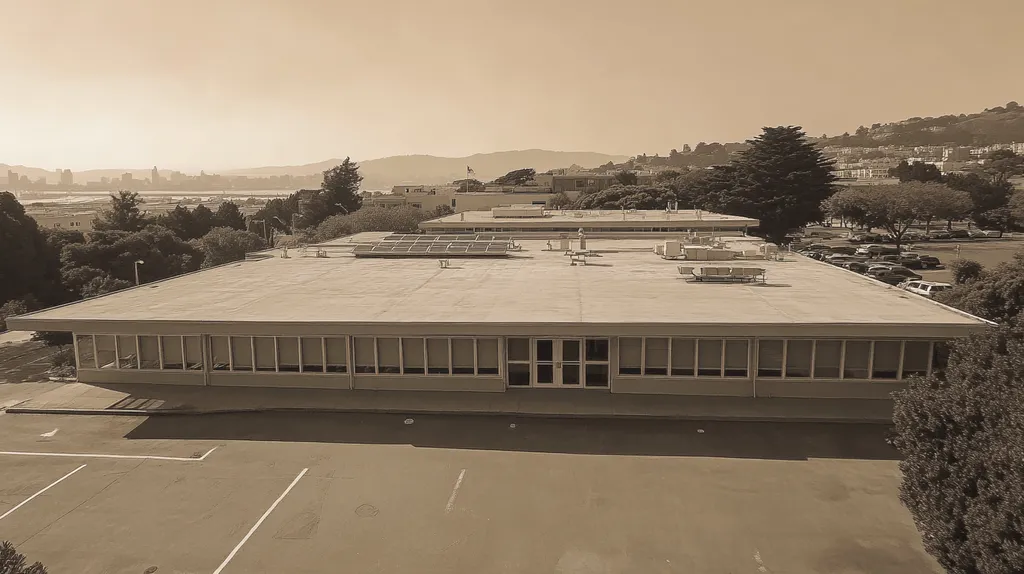
As energy costs continue to soar, commercial building owners face mounting pressure to reduce cooling expenses, which can account for up to 40% of a building’s energy consumption.
The solution may lie overhead – studies show that reflective roof coatings can slash cooling costs by 15-35% while extending roof life by decades.
Yet many facility managers remain unaware of how coating reflectivity impacts their bottom line, leading to missed opportunities for dramatic savings.
This comprehensive guide examines the science behind reflective coatings, implementation best practices, and proven strategies to maximize energy efficiency through proper coating selection and maintenance.
SECTION 1: FUNDAMENTAL CONCEPTS
The energy consumption of commercial buildings poses a significant challenge, affecting not only operational costs but also our environment. In fact, the U.S. Department of Energy estimates that reflective roof coatings can slash cooling expenses by as much as 30%. Armed with this knowledge, property owners and facility managers can make informed choices that are financially prudent and environmentally sound. This section will delve into the nature of reflective commercial roof coatings, how they reflect heat, and the underlying energy-saving principles that make them an essential investment.
What Are Reflective Commercial Roof Coatings?
Reflective commercial roof coatings are advanced products engineered to boost a roof’s reflectivity. They can be applied to various roofing systems, including flat and low-slope roofs, to significantly enhance energy efficiency. These coatings transform a roof into a surface that reflects solar radiation rather than absorbing it.
In contrast to traditional roofing materials that heat up considerably, reflective coatings maintain cooler roof temperatures. This is made possible through the use of specially designed pigments and resins that maximize light reflection. Consequently, they help regulate roof temperatures, resulting in reduced energy consumption for cooling indoor spaces.
Awareness of the advantages of reflective coatings is vital for property owners. While the upfront investment may appear substantial, the long-term savings on energy bills often justify the cost. Many local governments also provide incentives for implementing energy-efficient solutions, making these coatings an even more enticing option.
By opting for reflective coatings, property owners and facility managers contribute to more sustainable building operations. This not only optimizes the performance of the roofing system but also fosters environmental responsibility within the commercial real estate sector.
Mechanisms of Heat Reflection
The effectiveness of reflective roof coatings in reducing heat absorption stems from their unique physical and chemical characteristics. These coatings are specifically designed to reflect solar energy, thus minimizing the heat transferred to the building underneath.
When sunlight hits a non-reflective roof, a considerable amount is absorbed, raising indoor temperatures. However, reflective coatings work to reflect a majority of this solar radiation away from the roof surface. This is achieved with reflective pigments, such as titanium dioxide, which effectively redirect sunlight.
Additionally, these coatings boast a high Solar Reflectance Index (SRI) value, indicating their capacity to reflect sunlight effectively. For commercial buildings, coatings with an SRI of 78 or higher are deemed effective. This property leads to lower roof temperatures, contributing to a more comfortable indoor environment and reduced reliance on air conditioning systems.
Furthermore, property owners should recognize that efficient heat reflection can extend the lifespan of roofing materials. By maintaining cooler surfaces, reflective coatings help avert premature deterioration, thus enhancing durability and minimizing the need for frequent maintenance or replacements.
Energy-Saving Principles
The principles underpinning energy savings in commercial roofs fitted with reflective coatings are both straightforward and impactful. By minimizing heat absorption, these coatings sharply decrease the need for air conditioning, resulting in lower energy consumption.
Research shows that buildings equipped with reflective roofs can often achieve reduced peak cooling loads, resulting in lower electricity bills, particularly during peak summer months when energy costs spike. Savings generated can be reinvested into building upgrades or other crucial services.
Moreover, reduced energy consumption not only eases financial burdens but also lessens greenhouse gas emissions. Given that commercial buildings are significant contributors to urban heat islands, adopting reflective coatings can play a vital role in alleviating this issue and fostering urban sustainability.
Beyond immediate savings, reflective coatings may enable buildings to earn LEED points or other sustainability certifications. Achieving such certifications can enhance property value and market appeal, making energy-efficient roofing solutions a savvy investment.
SECTION 2: SYSTEM COMPONENTS
Choosing the right reflective coating is pivotal for enhancing a commercial building’s energy efficiency. With escalating energy costs, making informed decisions about roof coating systems has never been more critical. Evidence suggests that reflective coatings can cut energy consumption by as much as 30%. This section will explore the various types of coatings available, their essential properties, and how they align with different roofing materials.
Types of Reflective Coatings
Reflective coatings come in a range of types suited for commercial roofs, notably acrylic, silicone, and polyurethane. Each of these coatings possesses unique characteristics that can significantly affect energy efficiency. For instance, acrylic coatings are water-based and excel in providing UV protection, making them particularly suitable for flat roofs that are often exposed to direct sunlight.
Silicone coatings stand out for their remarkable moisture resistance, making them ideal for regions prone to heavy rainfall. Their durability can provide substantial benefits, often extending a roof’s lifespan well beyond standard expectations. In contrast, polyurethane coatings are robust contenders that offer excellent mechanical protection, especially in high-traffic areas of the roof.
Choosing the proper type of coating hinges on both local climate conditions and the specific requirements of the building at hand. Understanding these distinct options is essential for property owners to make knowledgeable and effective decisions.
The selected reflective coating directly impacts the roof’s thermal performance, underlining the importance of careful consideration in the selection process.
Material Properties and Durability
The properties of the materials used in reflective coatings are crucial determinants of their effectiveness and longevity. These coatings are meticulously designed to endure significant environmental challenges, such as UV radiation and extreme temperature fluctuations. For example, while acrylic coatings are known for their ability to maintain reflectivity, silicone coatings offer exceptional waterproofing capabilities.
Durability plays a vital role in minimizing maintenance costs. A high-quality reflective coating can last a decade or longer, effectively resisting issues like cracking and peeling. On the contrary, inferior-grade coatings may necessitate more frequent reapplications, leading to increased costs over time.
Property owners should consider the entire lifecycle of their coating materials, focusing not just on the initial investment but also on the long-term benefits. A well-chosen coating has the potential to enhance roof performance and reduce energy bills, making it a judicious investment for commercial properties.
Coating Compatibility with Roof Types
Compatibility between coatings and roofing materials is essential, making it a critical factor in the selection process. For example, acrylic coatings are ideally suited for TPO and EPDM roofs, effectively boosting their reflective qualities.
Conversely, silicone coatings often shine when applied to metal roofs and modified bitumen systems due to their excellent adhesion and flexibility. On the other hand, polyurethane coatings are generally preferred for fast-paced installations where durability is a top priority.
Facility managers should always consult with roofing professionals to ensure compatibility between the chosen coating and existing roofing systems. Mismatched coatings not only lead to potential failures but can also drive energy costs higher and risk damage to the roof.
Ultimately, ensuring compatibility enhances the roof’s lifespan and optimizes energy savings, thereby underscoring the necessity for informed decision-making among property owners.
SECTION 3: IMPLEMENTATION METHODS
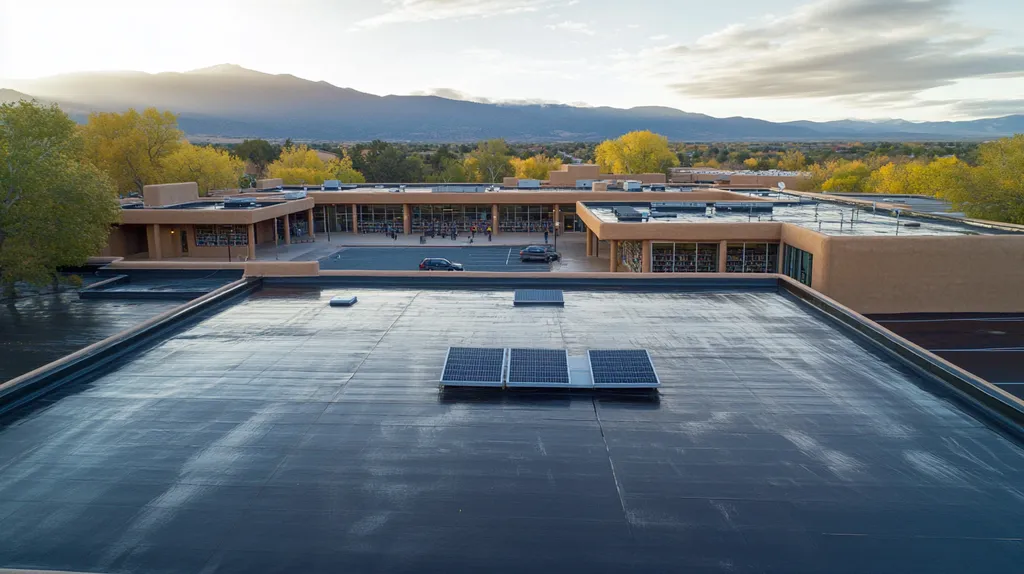
Implementing high-reflectivity roof coatings is crucial for lowering energy costs in commercial buildings, particularly as energy prices continue to climb. The U.S. Department of Energy reveals that reflective roofs can reduce cooling energy use by up to 20%. This emphasizes the need for property owners and facility managers to grasp the effective methods for applying these coatings to maximize their benefits.
Roof Inspection and Preparation
A comprehensive roof inspection serves as the foundation for successful coating application. Property owners should carefully assess the roof’s current condition, identifying issues like leaks, blisters, or surface degradation. Addressing these challenges is essential, as unresolved problems can impede the new coating’s adhesion and shorten its lifespan.
Proper preparation of the roof surface is equally critical. This process may involve thorough cleaning to eliminate debris, algae, or even existing coatings that can compromise performance. In some cases, repairs may be required to ensure the substrate is smooth and stable for the new coating.
Investing time in detailed inspections and preparation can lead to significant energy savings and enhance the durability of the coating. On the other hand, neglecting these steps may result in soaring energy costs and more frequent maintenance needs in the future.
Enlisting a certified roofing contractor for these initial assessments can prove invaluable. Their expertise helps identify potential challenges and recommend necessary improvements before applying the coating.
Application Techniques (Spray, Roll-On)
Selecting the right application technique is vital for ensuring uniform coverage and optimal reflectivity. Spray application is commonly favored for its efficiency, enabling quick and even distribution across intricate roof designs.
In contrast, roll-on techniques can be more suitable for smaller or accessible areas. This method provides the applicator with greater control, ensuring an even application thickness that can enhance overall performance.
Each technique brings its unique advantages and considerations. For instance, spray applications may necessitate additional equipment and strict safety protocols, while roll-on methods can involve more labor-intensive processes.
No matter the chosen application method, timing is crucial. Coatings should be applied during suitable weather conditions to promote proper curing and adhesion, which ultimately influence energy performance.
Quality Assurance and Final Inspection
Establishing quality assurance measures is essential to guarantee that the roof coating achieves its intended performance. Following application, a thorough final inspection should be conducted to assess the coating’s thickness, reflectivity, and uniformity.
This inspection enables the identification of any flaws in the application, such as missed areas or uneven coverage. Addressing these issues promptly is vital for maximizing the energy-saving potential of the coating.
Moreover, documenting the application process provides valuable data for future maintenance and energy efficiency analyses. This information assists facility managers in making informed decisions about upgrades and sustainability initiatives.
Incorporating quality assurance practices into the coating process not only prolongs the lifespan of the coating but also enhances energy savings, ultimately leading to long-term benefits for commercial properties.
SECTION 4: MAINTENANCE REQUIREMENTS
Ignoring the maintenance of reflective roof coatings can lead to heightened energy inefficiencies and hefty repair costs. Studies indicate that neglecting maintenance can inflate energy expenses by as much as 30%. Therefore, regular upkeep is crucial to ensure that the coating effectively reflects sunlight, which ultimately curtails energy consumption and extends the roof’s lifespan. This section will delineate essential maintenance practices, covering the significance of cleaning, inspections, and repairs, assisting facility managers and property owners in safeguarding their investments.
Regular Cleaning and Inspection
To maintain the reflectivity of roof coatings, regular cleaning and inspection are indispensable. Accumulations of dirt, debris, and algae can diminish the coating’s effectiveness. Property owners should arrange for inspections at least twice a year to detect potential problems early.
During these inspections, visible signs of wear and tear, such as cracks, blisters, or peeling, must be addressed. Early detection allows for prompt repairs, preventing more extensive damage later. A simple cleaning with a soft-bristle brush or a low-pressure wash using mild detergent can help restore lost reflectivity.
Using a maintenance log is beneficial for tracking cleaning and inspection activities. This documentation will not only highlight changes in reflectivity but also identify areas needing more attention, ensuring a proactive maintenance approach. Such logs can also serve as vital records for future decision-making.
In conclusion, diligent cleaning and inspections not only preserve the coating’s effectiveness but also streamline the overall roofing maintenance process. This practice leads to reduced energy costs and enhances the roof’s longevity.
Addressing Common Issues (Ponding Water, UV Damage)
Ponding water is a prevalent issue that can severely affect both a roof’s performance and lifespan. Extended water accumulation can lead to premature deterioration of the coating. Facility managers should routinely monitor for low spots where water may pool and address these areas swiftly.
UV damage represents another serious threat to reflective coatings. Uninterrupted sun exposure can degrade the material, resulting in fading and a loss of reflectivity. Applying a protective layer specifically designed for UV resistance can dramatically extend the life of the coating.
Developing a strategy for managing these problems is essential. Implementing effective drainage systems can channel water away from problematic areas, reducing ponding. Additionally, incorporating reflective additives into reapplication or using specialized UV-resistant materials can better protect against sun damage.
Timely responses to these issues maintain energy efficiency and help avert costly repairs down the road. A proactive maintenance plan ensures that the roofing system remains effective and beneficial for energy savings.
Reapplication and Repair Guidelines
As time goes on, reflective coatings will require reapplication to maintain their performance. The frequency of this reapplication typically hinges on the product used and local environmental factors. Generally, coatings should be reassessed every five to ten years.
When reapplication becomes necessary, the first step is to ensure that the surface is clean and free from debris. Any damaged areas should be repaired before applying the new coating. Proper preparation is crucial for securing good adhesion and maximizing the coating’s durability.
During the reapplication phase, consider utilizing upgraded materials that offer enhanced reflectivity and durability. Advances in technology often yield coatings that provide better protection against UV radiation and physical wear, further enhancing energy efficiency.
Maintaining comprehensive records of all maintenance activities, including reapplication dates and materials used, is essential. This documentation serves as a crucial reference for future maintenance and helps assess the overall health of the roof system.
In summary, adhering to reapplication and repair guidelines not only safeguards reflectivity but also optimizes energy savings, thus enhancing the roof’s longevity and overall value.
SECTION 5: PERFORMANCE METRICS
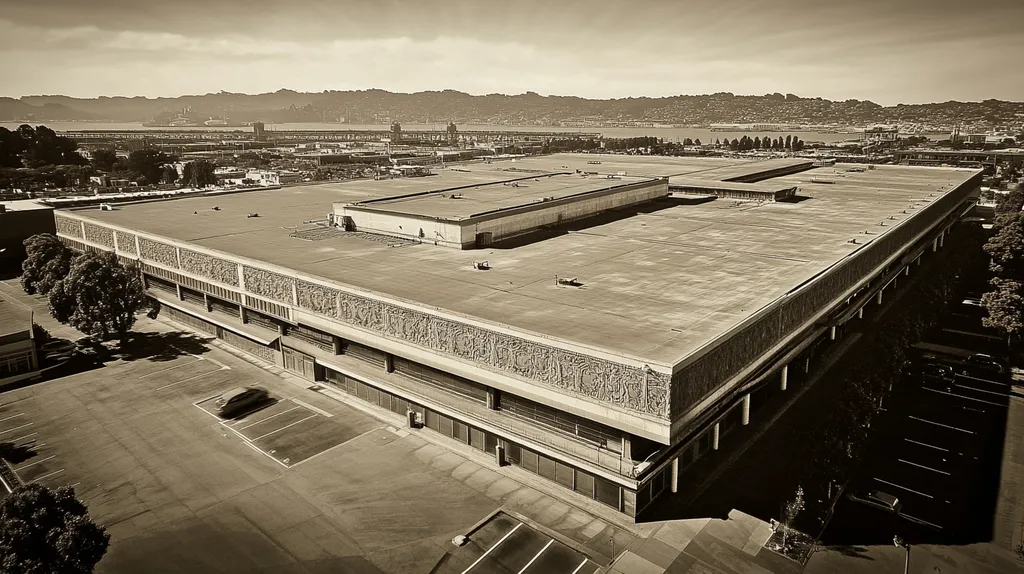
In the quest to optimize energy efficiency in commercial buildings, understanding the performance metrics of roof coatings is essential. Ineffective roof reflectivity spills over into increased cooling costs, adding strain to budgets. Recent studies highlight that coatings with a high Solar Reflectance Index (SRI) can lead to cooling expense reductions of up to 20%. This section will explore specific metrics that illuminate these savings while showcasing the broader benefits on building efficiency.
Cooling Cost Reduction Analysis
The financial repercussions of poor roof reflectivity are substantial. Implementing a reflective coating can drastically lower energy bills, especially for buildings in warmer climates. Facilities situated in hot regions that have adopted reflective coatings often report cooling cost reductions averaging 30%.
To measure tangible savings, property managers can compare energy consumption before and after the application of the coating over a full seasonal cycle. Utility companies frequently offer rebates for energy-efficient upgrades, providing an added financial incentive for property owners.
Diligently analyzing energy bills is crucial for tracking changes and calculating return on investment. This scrutiny helps owners validate their decisions regarding reflective solutions.
Consistent reassessments reveal trends that clearly demonstrate how increased roof reflectivity translates into practical savings, making it a vital consideration in the commercial roofing landscape.
Roof Temperature Reduction Measurements
A key performance metric directly correlated with cooling efficiency is temperature reduction. Coated roofs can maintain surface temperatures 20-50 degrees Fahrenheit cooler than their uncoated counterparts, which significantly reduces the workload on HVAC systems.
Using specialized equipment like infrared thermometers allows for effective monitoring of these temperature differences throughout the day. Regular temperature assessments enable facility managers to identify peak performance times, guiding informed operational decisions.
In addition to immediate cooling benefits, lower roof temperatures prolong the lifespan of the roofing material and diminish maintenance costs. This chain reaction, initiated by reduced temperatures, leads to less frequent repairs and replacements.
Therefore, temperature reduction measurements not only uncover current cooling savings but also underscore long-term advantages that bolster the sustainability of the entire building.
Indoor Thermal Comfort Evaluation
The effectiveness of roof coatings also relates directly to indoor thermal comfort. Enhanced reflectivity tends to stabilize indoor temperatures, greatly improving occupant comfort levels. Research indicates that workplaces benefiting from optimized roofing systems experience significantly fewer temperature fluctuations.
By employing surveys and data from building management systems, property managers can evaluate comfort levels based on critical metrics like temperature, humidity, and air quality. Feedback from occupants can be invaluable in understanding how roofing choices impact overall satisfaction in the workplace.
A comfortable indoor environment fosters increased productivity, making this performance metric essential for businesses. Moreover, a stable climate minimizes dependence on cooling systems, further promoting energy conservation and efficiency.
Ultimately, assessing indoor thermal comfort rounds out the performance metrics narrative, demonstrating the extensive implications of reflective roof coatings that extend well beyond energy savings alone.
SECTION 5: PERFORMANCE METRICS
Understanding the performance metrics of roof coatings is essential for property owners committed to optimizing energy efficiency. Inefficient roof reflectivity can lead to heightened cooling costs, straining financial resources. Recent studies reveal that coatings with a high Solar Reflectance Index (SRI) can reduce cooling expenses by as much as 20%. This section explores specific metrics that not only highlight these savings but also underscore their broader impact on overall building efficiency.
Cooling Cost Reduction Analysis
The financial implications of poor roof reflectivity can be quite significant. Reflective coatings have been proven to drastically lower energy bills, particularly in regions with higher temperatures. For example, facilities in hot climates that invest in reflective coatings often report average cooling cost reductions of up to 30%.
To measure these tangible savings, property managers should assess energy consumption data both before and after applying the reflective coating over a complete seasonal cycle. Many utility companies provide rebates for energy-efficient upgrades, adding extra motivation for property owners to invest in such solutions.
Careful analysis of energy bills is crucial to track changes and understand the return on investment. This thorough scrutiny allows owners to better justify their investment in reflective coatings.
Consistent review and comparison of consumption patterns can reveal trends that highlight how improved reflectivity leads to substantial savings, establishing it as a key consideration in commercial roofing decisions.
Roof Temperature Reduction Measurements
Temperature reduction is an important performance metric interconnected with cooling efficiency. Coated roofs can maintain surface temperatures 20-50 degrees Fahrenheit cooler than their non-coated counterparts. This decline in temperature significantly eases the strain on HVAC systems.
Utilizing specialized tools like infrared thermometers allows for accurate measurement of temperature variations throughout the day. Regular monitoring helps facility managers identify peak performance periods and guide informed operational choices.
Moreover, cooler roof temperatures extend the life of roofing materials and lower maintenance costs. This beneficial cycle means fewer resources are needed for repairs or replacements.
Temperature reduction metrics not only reveal immediate cooling savings but also emphasize long-term advantages that contribute to the sustainability and cost-effectiveness of the building.
Indoor Thermal Comfort Evaluation
The effectiveness of roof coatings heavily influences indoor thermal comfort. Enhanced reflectivity typically leads to more stable indoor temperatures, which in turn improves occupant comfort levels. Research shows that workplaces equipped with high-performance roofing systems experience considerably fewer temperature fluctuations.
Property managers can utilize surveys and data from building management systems to evaluate comfort based on critical factors such as temperature, humidity, and air quality. Gathering feedback from occupants can provide valuable insights into how roofing choices affect workplace satisfaction.
A comfortable indoor environment not only boosts productivity but also reduces reliance on cooling systems, fostering greater energy conservation.
Ultimately, an evaluation of indoor thermal comfort rounds out the performance metrics narrative, illustrating the extensive benefits of reflective roof coatings that go beyond mere energy savings.
Looking Ahead
As commercial energy costs continue their steep upward trajectory, with some regions seeing 15% annual increases, reflective roof coatings represent a critical opportunity that facility managers cannot afford to overlook.
The evidence is clear: properly selected and maintained reflective coatings can slash cooling costs by up to 35% while extending roof life by decades.
From advanced silicone formulations to innovative application techniques, today’s coating technologies offer unprecedented potential for energy optimization.
The path forward requires facility managers to carefully evaluate their specific needs, implement comprehensive maintenance programs, and leverage performance metrics to validate results.
Those who fail to embrace these proven solutions risk falling behind as energy expenses continue to mount, while early adopters position themselves for substantial long-term savings and enhanced building performance.
FREQUENTLY ASKED QUESTIONS
Q. What are reflective commercial roof coatings?
A. Reflective commercial roof coatings are designed to enhance a roof’s energy efficiency. These advanced products reflect solar radiation instead of absorbing it, keeping the roof cooler and reducing energy consumption associated with cooling indoor spaces. By investing in such coatings, property owners can significantly lower their energy expenses over time.
Q. What types of reflective coatings are suitable for industrial roofs?
A. There are various types of reflective coatings suitable for industrial roofs, including acrylic, silicone, and polyurethane. Each type has unique advantages based on the application and environmental conditions. Understanding these options allows property owners to choose the most effective coating to enhance energy efficiency in their roofing systems.
Q. How do I prepare a commercial roof before applying a reflective coating?
A. Preparing a commercial roof involves conducting a thorough inspection for issues like leaks and surface deterioration. Cleaning the roof surface to remove debris and previous coatings is crucial for proper adhesion of the new reflective coat. These preparatory steps are vital to ensure the best performance and longevity of the reflective coating.
Q. What maintenance is required for reflective coatings on commercial roofs?
A. Regular maintenance for reflective coatings includes cleaning to remove dirt and debris, along with periodic inspections for signs of wear or damage. Addressing any issues early can prevent larger problems that may lead to costly repairs and inefficiencies. Routine maintenance not only extends the life of the coating but also maintains its reflective properties.
Q. How can I measure cooling cost reductions from reflective coatings?
A. To measure cooling cost reductions, compare energy bills before and after applying the reflective coating over a seasonal cycle. Analyzing these trends will reveal tangible savings, especially during peak cooling months. Monitoring utility company rebates for energy-efficient upgrades can also provide additional financial benefits for property owners.
Q. How often should reflective coatings on industrial roofs be reapplied?
A. Reflective coatings typically require reapplication every five to ten years, but this can depend on environmental factors and the type of coating used. Regular assessments of the coating’s condition will help property owners determine the optimal time for reapplication to maintain effectiveness and prolong the lifespan of the roof.
Q. Why is energy efficiency important for my commercial roof?
A. Energy efficiency is vital for commercial roofs as it directly impacts operational costs and environmental sustainability. Improving energy performance through reflective coatings can significantly lower energy bills, minimize reliance on cooling systems, and contribute to a reductive footprint in urban heat. Such measures enhance property value and align with sustainability objectives.






