

Weather conditions can reduce solar panel efficiency by up to 30% on industrial roofs, leading to significant energy production losses and decreased return on investment for commercial properties.
From temperature fluctuations to humidity levels, environmental factors present complex challenges that facility managers must navigate to maintain optimal solar performance.
This comprehensive guide examines the critical relationship between weather patterns and solar panel output, offering practical solutions for maximizing energy generation across diverse climate conditions.
SECTION 1: FUNDAMENTAL CONCEPTS
Understanding how weather influences solar panel performance is essential for commercial and industrial property owners. Research indicates that solar panels failing to perform optimally can cause energy production to drop by up to 30%. Key factors like sunlight, temperature, and humidity play a significant role in determining the efficiency of solar systems on industrial roofs. This section delves into these foundational concepts, highlighting their importance for maximizing solar energy use and ensuring a solid return on investment.
Impact of Sunlight on Solar Panels
Sunlight serves as the primary energy source for solar panels, making its intensity and availability crucial for efficient performance. Panels generate maximum electricity when they receive direct sunlight, leading to notable energy output during extended sunny days. For instance, solar panels installed on industrial roofs in sunny regions can produce up to 20% more energy compared to those in areas with frequent cloud cover.
Conversely, overcast days can severely impact energy production. Studies reveal that solar panels can lose about 25% of their efficiency under cloudy skies compared to optimal sunny conditions. Property owners should familiarize themselves with local sunlight patterns to make informed decisions about panel installations.
Additionally, factors such as nearby obstructions—tall buildings or trees—can hinder sunlight exposure, reducing energy generation. Conducting thorough site assessments can identify and mitigate these issues, ensuring optimal sunlight access and energy production year-round.
Recognizing the critical relationship between sunlight and solar panel efficiency helps facilities managers develop effective energy strategies for improved performance and returns on their investments.
Temperature Effects on Efficiency
Temperature significantly influences the efficiency of solar panels. Most panels operate best at cooler temperatures, with efficiency often declining when temperatures rise above 25 degrees Celsius (77 degrees Fahrenheit). During intense summer heat, energy output can drop by as much as 10%.
Property owners must account for local temperature variations when installing solar systems. In hotter climates, additional cooling measures, such as effective insulation, may be necessary to maintain peak panel performance.
The angle at which panels are installed can also impact their temperature regulation. Panels that allow for adequate airflow tend to stay cooler, which in turn boosts their efficiency. Regular maintenance to clear away debris can enhance airflow and support better temperature management.
Being aware of temperature-related inefficiencies empowers facility managers to make proactive decisions that safeguard and improve the energy output of their solar systems, especially during extreme heat events.
Humidity and Solar Panel Performance
Humidity plays a vital role in the overall effectiveness of solar panels, directly affecting their efficiency. In high-humidity regions, moisture buildup can cause reduced light absorption, leading to potential drops in energy output by up to 15% on particularly humid days.
Additionally, issues such as condensation and the growth of biological contaminants like mold or algae can further compromise efficiency. Regular cleaning and maintenance are crucial to preventing these problems and ensuring optimal panel functionality, ultimately enhancing long-term energy production.
Furthermore, humidity can influence outdoor temperatures, contributing to heat retention. By analyzing local humidity levels, property owners can select the right equipment and establish maintenance practices that preserve performance under adverse weather conditions.
A thorough understanding of humidity’s impact on solar panels allows facilities managers to implement preventative measures, ensuring consistent performance and maximizing energy production throughout the year.
SECTION 2: SYSTEM COMPONENTS
Understanding the crucial components of a solar energy system is vital for maximizing performance, particularly in regions susceptible to severe weather. Without durable materials and resilient systems, solar installations risk significant efficiency losses during storms or drastic temperature changes. Property owners and facility managers must focus on reliability across all components to ensure steady energy production. This section examines the essential elements that help maintain solar panel performance, even under challenging weather conditions.
Solar Panel Materials and Durability
The choice of materials in solar panels greatly affects their capability to endure harsh weather. High-quality panels are crafted from tempered glass and corrosion-resistant frames, which significantly enhance durability. For example, certain panels are specifically rated for hail resistance, enabling them to bear impacts that would compromise standard models.
Advances in photovoltaic cell technology have produced panels that perform better in low-light conditions, which is essential considering that industrial roofs often face issues like debris accumulation, moisture exposure, and temperature extremes.
When selecting solar panels, it’s wise for property owners to prioritize options backed by solid warranties, which often reflect their reliability in adverse weather. A strong warranty can indicate a panel’s resilience to issues caused by harsh conditions, safeguarding the expected return on investment.
Investing in high-quality materials can prevent expensive repairs or replacements following storms. By choosing durable panels, facility managers can ensure that solar systems continue to perform efficiently, even during adverse weather.
Inverter and Mounting System Resilience
The inverter is essential in a solar energy system, converting direct current (DC) from the panels into alternating current (AC) for use in facilities. If not designed for local climate conditions, the performance of this critical component can diminish. For instance, inverters exposed to extreme temperatures may fail if they lack appropriate environmental ratings.
The mounting system, which secures solar panels to the roof, is equally important. If the mounting system is not robust enough, it may fail under high wind or heavy snow loads. Inadequate fasteners, for example, could lead to panels detaching from the roof, resulting in energy loss and potential roofing damage.
During the planning phase, facility managers should assess the resilience of inverters and mounting systems. Selecting components rated for high-wind and heavy-load conditions can minimize the risks associated with harsh weather.
Regular inspections and maintenance are crucial for ensuring these components function optimally over time. Addressing minor issues proactively can avert significant future failures and protect the entire solar energy system.
Battery Storage and Backup Systems
Battery storage systems are critical for enhancing energy reliability, as they store excess power generated during peak sunlight hours. However, their performance can be affected by temperature fluctuations. Batteries, especially lithium-ion types, are sensitive to extreme cold and heat, which can decrease their capacity and lifespan.
To counteract weather-related challenges, investing in climate-controlled storage is advisable. Systems equipped with temperature regulation maintain optimal conditions, ensuring that stored energy is ready for use when necessary.
Backup systems are also essential during power outages, particularly in storm-prone areas. Facilities lacking reliable backup solutions may face costly downtime during adverse weather events, increasing operational risks.
By selecting robust battery systems designed for variable climates, businesses can ensure energy independence, even under challenging conditions. A strong storage strategy is vital for maintaining operations and minimizing disruptions linked to weather-related energy challenges.
SECTION 3: IMPLEMENTATION METHODS
As the shift toward solar energy accelerates, understanding how weather affects solar panel performance on industrial roofs becomes increasingly vital. Poor implementation can lead to a significant drop in energy production, emphasizing the need for property owners and facility managers to adopt effective practices. Ensuring proper placement and alignment of panels, minimizing shading, and integrating systems with existing roof structures are essential for maximizing energy generation. Each of these factors is crucial for maintaining optimal performance in the face of changing weather conditions.
Optimal Panel Placement and Angles
Effective placement of solar panels is paramount for capturing sunlight efficiently. The angle at which panels are installed greatly influences their performance throughout the year. Typically, panels should be tilted between 15 to 40 degrees depending on the geographical location to maximize sun exposure.
In the Northern Hemisphere, positioning panels toward true south is generally recommended. This alignment ensures they receive optimal sunlight throughout the day, enhancing performance across various weather conditions. Advanced positioning techniques, such as seasonal adjustments, can further boost energy capture.
For even greater efficiency, property managers might consider automated tracking systems that continuously adjust the panels’ angles in relation to the sun’s trajectory. Such technologies can significantly enhance energy collection, especially when deployed in regions with variable sunlight.
By prioritizing the correct placement and angles for solar panels, facilities can ensure maximum energy production and optimize their investment in renewable energy.
Avoiding Shading and Obstructions
Unwanted shading from nearby buildings or overhanging vegetation can dramatically hinder solar panel output. Even small shadows can cause significant reductions in energy production, potentially dropping output by 20% or more. Therefore, it’s critical to identify and address potential shading sources before installation.
A thorough site analysis helps pinpoint areas that may cast shadows. This evaluation should consider the current landscape and potential future growth of trees or nearby structures. Designing a layout that optimizes sunlight exposure is key.
To effectively visualize shading impacts, facility managers can utilize specialized shading analysis tools. These instruments make it easier to plan installations, ensuring that solar panels maintain peak performance over time.
Regular maintenance, including trimming trees or repositioning structures, is essential for reducing shading effects. Staying proactive about shading management can help sustain energy efficiency from solar installations.
Integration with Roof Structures
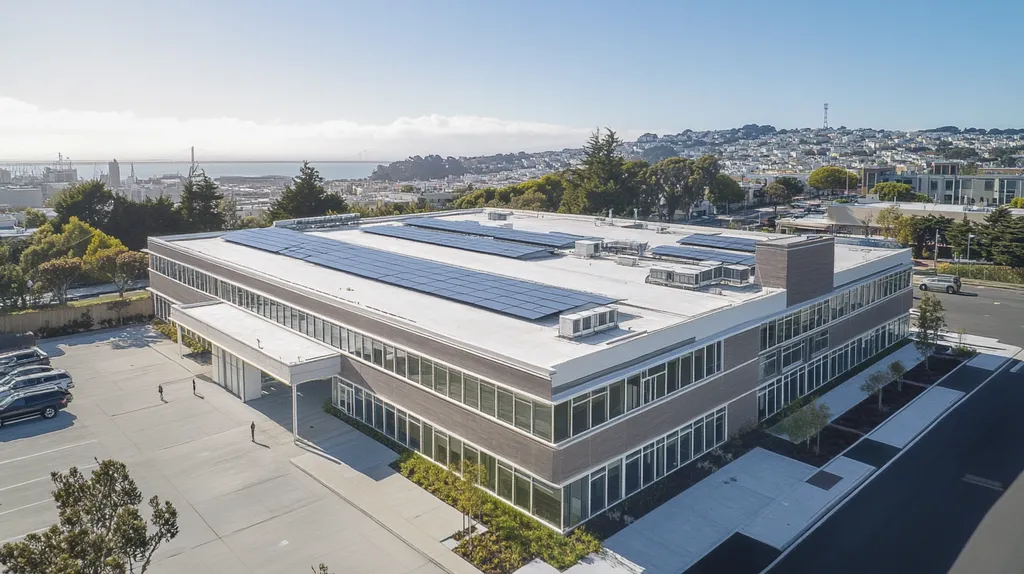
Integrating solar panels with existing roof structures is vital for maximizing performance and maintaining structural integrity. A thoughtful integration plan prevents solar arrays from compromising the roofing system or affecting warranties. Using specially designed mounting systems minimizes roof penetrations, lessening the risk of leaks.
It’s also important to evaluate the roof’s load-bearing capacity before installation. Engineers can determine if additional support is necessary, ensuring the roof and solar system perform optimally together.
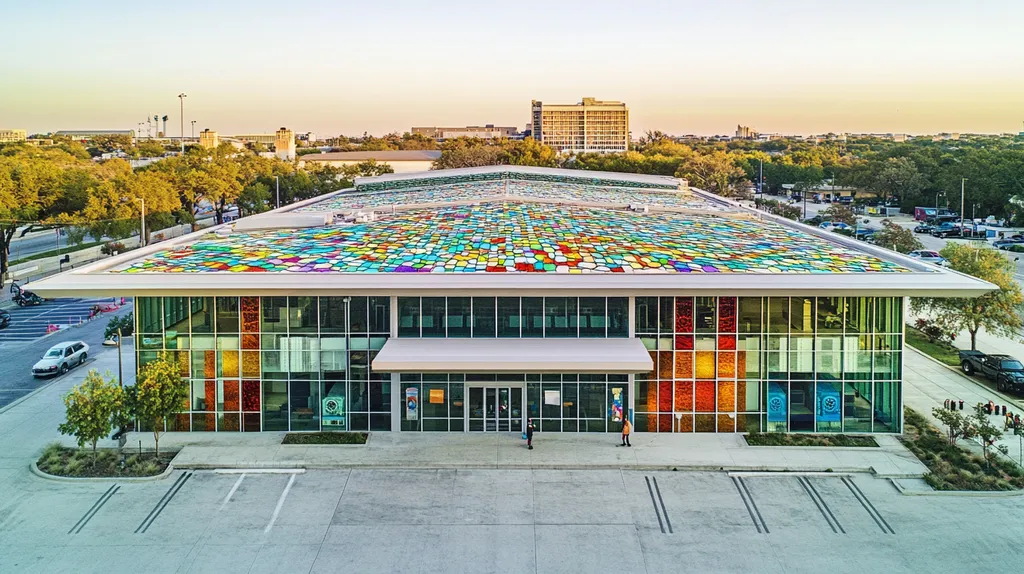
Innovative solutions like building-integrated photovoltaics (BIPV) offer seamless alternatives by embedding solar cells directly into roofing materials. This approach not only streamlines installation but also enhances the building’s aesthetics.
Overall, strategic integration of solar panels with roof structures is essential for maximizing energy output and delivering long-term benefits to industrial property owners.
SECTION 4: MAINTENANCE REQUIREMENTS
Regular maintenance of solar panels on industrial roofs is not just important; it’s essential for optimizing performance and extending their lifespan. Neglecting routine upkeep can lead to significant energy output losses. In fact, dirty panels alone can reduce energy production by up to 25%. This section delves into vital maintenance practices, including cleaning, damage inspections, and corrosion prevention that every property owner and facilities manager should prioritize.
Cleaning and Debris Removal
Keeping solar panels clean is among the simplest yet most crucial maintenance tasks. Accumulations of dust, leaves, or bird droppings can block sunlight absorption, drastically affecting energy production. Due to factors like wind and nearby construction, industrial rooftops often gather more debris than residential ones.
Establishing a regular cleaning schedule is vital, with many experts recommending at least biannual cleanings, or more often in dusty or polluted environments. For large facilities, automated cleaning systems can ensure continuous upkeep, saving time while maximizing performance.
Seasonal cleanliness is also important. While rain can wash some dirt away, it may leave residues needing manual intervention. Regular monitoring ensures that debris does not lead to performance degradation.
Ultimately, clean panels not only enhance energy efficiency but also contribute to the longevity of the solar system, helping to maximize the return on investment.
Inspecting for Damage and Wear
Systematic inspections of solar panels and mounting structures are crucial for catching potential issues before they escalate. Routine checks can identify loose or damaged components like wiring or brackets, which pose safety hazards or operational failures. Equipment failures can result in downtime, translating to lost energy production and revenue.
Property owners should aim to conduct inspections at least twice a year, and more frequently after severe weather events. Attention should be paid to signs of wear, such as cracks in the glass or discoloration of panels. A proactive maintenance approach enhances performance and minimizes costly repairs down the line.
Visual inspections can be complemented with thermal imaging technology to detect hot spots that may indicate malfunctioning cells, optimizing overall performance.
Documenting inspections aids in future maintenance planning, ensuring that all stakeholders are informed about the system’s condition and necessary actions.
Preventing Corrosion and Weathering
Corrosion and weathering can severely affect the lifespan of solar panel systems, especially in industrial environments. Factors like humidity and exposure to pollutants can accelerate deterioration. Therefore, preventative measures are essential to protect these invaluable assets.
Using corrosion-resistant materials for mounting hardware helps mitigate risks significantly. Additionally, proper drainage on the roof prevents water accumulation, which can lead to rust and structural weakness over time.
Regular maintenance should also include inspections of seals and protective coatings for signs of deterioration. Damaged seals can expose electrical components to moisture, increasing failure risks.
By prioritizing corrosion prevention and addressing weather-related wear and tear, property owners can safeguard their investments, ensuring solar panels efficiently operate for years to come.
SECTION 5: PERFORMANCE METRICS
Assessing the efficiency of solar panels on industrial roofs is crucial in today’s landscape of rising energy costs and an urgent push for sustainable practices. Poor weather conditions can substantially hinder solar output, with research indicating reductions of up to 20%. This section will delve into measuring solar efficiency under varying weather conditions, tracking energy output and losses, and analyzing performance changes across different seasons.
Measuring Efficiency in Various Weather
Understanding how weather conditions impact solar panel efficiency is fundamental for effective energy management. Factors like temperature, cloud cover, and precipitation play pivotal roles in performance. For example, while high temperatures can diminish efficiency, the effects can often be countered with proper panel placement and ample ventilation.
On cloudy days, solar panels may still generate power, just not at peak levels. Utilizing advanced monitoring systems allows facility managers to quantify this drop in efficiency during overcast conditions accurately.
Moreover, periodic rain can positively influence performance by washing away dirt and debris that accumulate on the panels. However, increased storm frequency raises concerns about the structural integrity of solar installations. Continuous data collection informs better strategies for optimization and panel placement, ensuring long-lasting performance.
By integrating real-time monitoring technologies, facility managers can dynamically assess solar panel efficiency in response to changing weather patterns. This informed approach enables timely adjustments that maximize energy production.
Tracking Energy Output and Losses
For property owners, consistently monitoring energy output is vital to understanding the impact of weather on solar systems. Employing energy monitoring systems allows for the collection of granular data on production levels and losses attributed to adverse conditions.
Analysis of this data uncovers patterns in energy drops linked to specific weather events. For instance, snow accumulation can obstruct solar access and decrease performance until cleared. In contrast, sunny periods reveal the system’s maximum production capability.
Regular performance assessments facilitate the identification of anomalies, providing insight into maintenance needs or upgrades. This proactive approach can significantly diminish energy losses and bolster system reliability, ultimately benefiting the financial health of operations.
Furthermore, leveraging energy analytics software can yield insights that refine maintenance schedules and inform future investments in solar technology. Understanding these performance metrics is crucial for achieving operational excellence in energy management.
Analyzing Seasonal Performance Variations
Seasonal fluctuations can dramatically affect solar panel performance, making it essential to grasp these variations for effective energy management. For instance, winter months typically bring shorter sunlight hours that can reduce output, whereas summer offers the potential for peak production.
Analyzing production data across seasons helps property owners identify trends and prepare for variations. This understanding informs strategic decisions, such as optimizing energy storage solutions or procuring additional energy during off-peak periods.
By correlating seasonal performance data with weather forecasts, facilities can anticipate dips in energy production and accordingly adjust consumption strategies. This proactive approach also aids in forecasting budget impacts linked to seasonal energy generation variations.
In summary, examining seasonal performance is crucial for maximizing energy efficiency and productivity of solar systems. Facility managers who are adept at adjusting strategies in response to seasonal changes will experience greater energy savings and optimized performance.
SECTION 5: PERFORMANCE METRICS
In an era of escalating energy costs and a critical need for sustainable practices, evaluating the efficiency of solar panels on industrial roofs has never been more pressing. Weather conditions play a significant role in determining solar output, with studies indicating that adverse weather can reduce production by as much as 20%. This section will examine how to effectively measure solar efficiency amidst varying weather patterns, track energy output and losses, and analyze performance throughout different seasons.
Measuring Efficiency in Various Weather
Understanding how different weather conditions impact solar panel efficiency is key for optimizing energy performance. Temperature, cloud cover, and precipitation are crucial factors. For instance, high heat can diminish panel efficiency, but thoughtful panel placement and effective ventilation can mitigate these effects.
On cloudy days, solar panels still produce energy, although at reduced levels compared to sunny conditions. Using advanced monitoring systems can help facility managers accurately quantify efficiency drops during overcast periods.
Interestingly, rain can boost output following a storm by washing away debris that obstructs sunlight. However, frequent storms pose risks to the structural integrity of solar installations. Monitoring weather patterns and performance data helps in developing strategies for optimal panel placement and system performance.
With real-time monitoring technologies, facility managers can dynamically assess solar panel efficiency in response to changing weather. This informed approach allows for timely adjustments that maximize energy production.
Tracking Energy Output and Losses
Consistent tracking of energy output is vital for property owners to grasp how weather impacts their solar systems. Energy monitoring systems are invaluable for capturing detailed data on production levels and identifying losses due to unfavorable conditions.
Analyzing this data reveals patterns of energy drops correlated with specific weather events. For example, snow accumulation can obstruct solar access, leading to decreased performance until cleared. Conversely, sunny periods often reveal the system’s maximum production capabilities.
Regular performance assessments allow for the identification of anomalies, highlighting needs for maintenance or structural upgrades. This proactive approach can significantly reduce energy loss and enhance system reliability, directly benefiting financial performance.
Utilizing energy analytics software provides insights that refine maintenance schedules and guide future investments in solar technology. Understanding these metrics is crucial for achieving operational excellence in energy management.
Analyzing Seasonal Performance Variations
Seasonal changes can introduce significant fluctuations in solar panel performance, making it essential to understand these variations for effective energy management. For instance, winter months typically bring shorter sunlight hours, impacting output, while summer often yields peak production times.
Property owners should carefully analyze production data across seasons to identify trends and prepare for performance fluctuations. This awareness supports strategic planning—for example, adjusting energy storage solutions or acquiring additional energy during off-peak seasons.
Moreover, correlating seasonal performance data with weather forecasts allows facilities to anticipate dips in energy production. By adapting energy consumption strategies accordingly, property owners can mitigate potential budget impacts related to seasonal variations in energy generation.
In summary, analyzing seasonal performance is vital for maximizing energy efficiency and overall solar system productivity. Facility managers who adjust strategies in response to these fluctuations are more likely to achieve significant energy savings.
The Bottom Line
With weather-related efficiency losses potentially reaching 30%, the impact of environmental conditions on solar panel performance demands immediate attention from industrial property owners.
Understanding and adapting to weather influences through proper implementation, maintenance, and monitoring is no longer optional—it’s essential for protecting major solar investments.
Advanced monitoring systems, resilient components, and proactive maintenance strategies are crucial tools for maximizing solar efficiency across diverse weather conditions.
As climate patterns become increasingly unpredictable, facilities that implement comprehensive weather mitigation strategies will achieve superior returns on their solar investments while maintaining consistent energy production.
The future of industrial solar success lies in the intelligent integration of weather-aware systems and management practices that ensure optimal performance year-round.
FREQUENTLY ASKED QUESTIONS
Q. How does sunlight affect efficiency on a commercial roof?
A. Sunlight is crucial for solar panels; they capture energy most effectively when exposed directly to sunlight. Panels in sunnier areas can generate up to 20% more energy. On cloudy days, energy output can drop significantly, making knowledge of local sunlight patterns essential for installations.
Q. What materials improve the durability of an industrial roof solar system?
A. High-quality materials, such as tempered glass and corrosion-resistant frames, enhance the durability of solar panels. Selecting options designed for hail resistance and backed by solid warranties can provide added assurance. This choice helps prevent costly repairs due to weather-related damage.
Q. What’s the best way to place solar panels on an industrial roof?
A. Solar panel placement should ensure maximum sunlight exposure, typically requiring a tilt of 15 to 40 degrees. Aligning panels toward true south in the Northern Hemisphere is ideal. Based on geographical location, utilizing automated tracking systems can boost sunlight capture significantly.
Q. How often should maintenance be done on solar panels?
A. Regular maintenance is vital, with experts recommending biannual cleanings to ensure efficiency. Inspecting for wear and performing timely cleanings helps reduce energy production losses significantly. Particularly dirty panels can diminish output by 25%, making upkeep crucial for performance and longevity.
Q. How can weather affect the performance metrics of solar panels?
A. Weather conditions can drastically impact solar performance metrics, causing efficiency variations due to temperature, cloud cover, and precipitation. For instance, high temperatures may reduce output, while rain can help clean panels. Monitoring these effects accurately helps improve energy management.
Q. What are the signs of wear on solar panels?
A. Look for visual signs such as cracks in glass, discoloration, or loose wiring as indicators of wear. Regular inspections can catch issues early, preventing more severe damage. Addressing these shortcomings proactively ensures optimal performance and longevity for the solar system.
Q. How do I choose the right battery storage for solar systems on industrial roofs?
A. Selecting battery storage involves assessing temperature resilience, as batteries can lose capacity in extreme conditions. Opt for climate-controlled systems that maintain optimal temperatures to enhance performance. Consider backup solutions for outages to ensure uninterrupted operations during harsh weather.






