
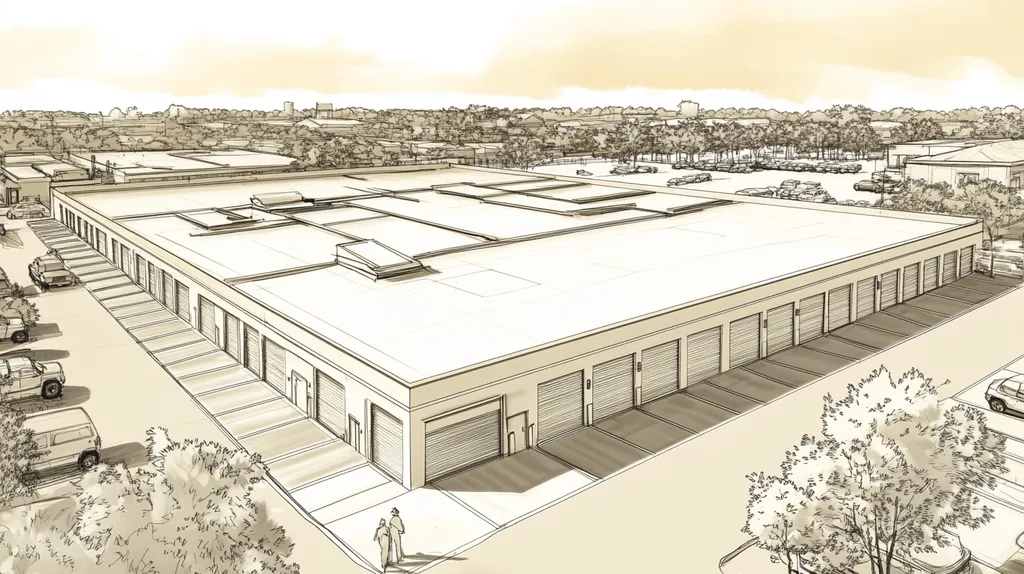
Commercial roofs silently shield billions in business assets, yet a shocking 80% of roof failures stem from inadequate maintenance scheduling. Even minor oversights in timing can slash a roof’s lifespan by 25% and trigger catastrophic repair costs.
For facility managers, mastering the timing of inspections, repairs, and preventive care isn’t just about protecting infrastructure—it’s about safeguarding business continuity and bottom-line performance.
This comprehensive guide breaks down the critical factors of roof maintenance scheduling, from performance monitoring and financial planning to compliance requirements and risk management strategies that keep commercial properties protected year-round.
SECTION 1: PERFORMANCE FACTORS
A commercial roof is more than just a cover—it’s your building’s frontline shield against the elements. Ignoring its maintenance can expose your facility to leaks, structural damage, and unexpected emergency repairs. In fact, a staggering 70% of roofing failures stem from a lack of regular upkeep. That’s why it’s crucial for facility managers and property owners to stay informed about key performance factors: roof surface integrity, flashing and seal condition, and drainage efficiency.
Roof Surface Integrity
The roof surface is your building’s first line of defense against harsh weather conditions. Any little compromise—like cracks, blisters, or punctures—can let moisture in, wreaking havoc on the layers underneath. Regular inspections should focus on assessing the condition of materials, such as membranes or shingles that naturally wear over time.
Each type of roofing system has its own vulnerabilities: TPO membranes can shrink from UV exposure, while modified bitumen can crack under extreme temperatures. Spotting these issues early is key to preventing extensive damage and avoiding hefty repair bills.
Facility managers are encouraged to document inspections and act quickly on necessary repairs. A handy checklist can streamline this process, ensuring every critical area gets the attention it deserves. Don’t hesitate to call in professionals for an in-depth evaluation when needed!
Taking a proactive approach to maintaining roof surface integrity not only extends the lifespan of the roof but also safeguards the overall value of the building while reducing long-term costs.
Key Action Items
Flashing and Seal Condition
Flashing and seals are crucial for waterproofing elements like vents and skylights on your roof. When these components start to wear down, it can lead to significant water infiltration, resulting in mold growth and structural deterioration.
Look out for common signs of wear: rust, peeling paint, or gaps in seals. Ignoring these issues can greatly undermine the roof’s overall performance and lead to unforeseen costs. Regular inspections are essential for addressing minor issues before they blossom into major headaches.
Training facility managers to identify when professional intervention is necessary is vital. Certain materials, like metal and PVC flashing, may need specialized repair techniques to ensure they last. Understanding this can make all the difference in your roof’s health.
Key Action Items
Gutter and Drainage Efficiency
Effective drainage is vital for your roof’s health, preventing the accumulation of water that can lead to wear and tear. Clogged gutters can block water flow, resulting in overflow and potential damage to the roof’s structural integrity.
Facility managers should make it a habit to regularly clean gutters and downspouts, removing leaves, dirt, and other debris. Neglecting this task can result in backflow that could damage interior spaces. A regular cleaning schedule is essential for peak drainage efficiency.
In addition, the drainage system’s design should be evaluated periodically to ensure it can handle the building’s needs. Heavy rains or unexpected storms can overwhelm an inadequate system, highlighting the importance of proper drainage capacity.
Key Action Items
SECTION 2: FINANCIAL CONSIDERATIONS
The financial impact of roofing decisions can be significant. Studies reveal that neglecting preventive maintenance can result in expenses that are 2-4 times higher than the costs of regular upkeep. For facility managers, understanding the importance of budgeting for maintenance, repairs, and eventual replacements is key to optimizing expenditures and extending the life of their roofs.
Cost of Preventive Maintenance
Investing in preventive maintenance is essential for preserving commercial roofs. Regular inspections, timely cleaning, and minor repairs can dramatically reduce the chances of major, costlier problems later on. For instance, routinely checking and cleaning drains can avert expensive water damage caused by clogs.
By allocating funds specifically for ongoing maintenance, facility managers can dodge significant repair bills and prolong the lifespan of their roofing systems. This proactive strategy helps in managing cash flow while ensuring that resources are focused on essential tasks that maintain roof integrity.
Typically, the cost of preventive maintenance hovers around 1-2% of a property’s total asset value each year. For commercial properties, this comparatively small investment can translate into substantial savings when tallied against reactive costs from emergency repairs.
Key Action Items
Budgeting for Repairs and Replacements
Effective roof management hinges on proper budgeting for repairs and replacements. Facility managers should plan for both immediate and long-term roofing expenses, which include routine maintenance and eventual roof replacements that entail substantial costs.
The average lifespan of a commercial roof ranges from 15 to 30 years, depending on factors like materials and environmental conditions. As roofs age, proactive budgeting for future replacements becomes crucial to evade unforeseen financial burdens.
By allocating funds each year for potential repairs, facility managers can soften the financial blow during major replacements. This foresight allows for strategic planning and reduces the risk of needing to pull resources from other operational budgets unexpectedly.
Key Action Items
ROI on Extended Roof Life
The return on investment (ROI) that comes from extending roof life through proper maintenance often proves to be substantial. Facility managers who prioritize roofing care can enjoy improved performance and an increase in property value. Not only does an extended roof life bolster overall building resilience, but it may also lead to lower insurance premiums.
A well-maintained roof can contribute to energy efficiency as well, which translates into reduced heating and cooling costs. These energy savings not only lessen operational costs but can also lead to potential tax benefits or incentives.
The potential ROI from a diligently managed roof often far outweighs the initial costs of maintenance. For example, extending a commercial roof’s lifespan by just five years can mean significant savings—potentially tens of thousands of dollars in avoided replacement costs.
Key Action Items
SECTION 3: COMPLIANCE REQUIREMENTS
Navigating compliance requirements for commercial roofing is no small task, yet it’s essential for avoiding alarming penalties. Ignoring these obligations can lead to fines soaring over $100,000 and can result in costly repairs stemming from neglected regulations. Facility managers must grasp the importance of building codes, regulatory inspections, and industry standards to keep roofs in prime condition while steering clear of financial pitfalls.
Building Code Adherence
Building codes are the lifelines of safety and integrity for commercial roofs. These codes outline everything from approved materials to design standards and load capacities. Ignoring them can render a roof unsafe and might lead to liability issues or structural failures.
For example, utilizing roofing materials not sanctioned by local codes could put the entire facility at risk and potentially void insurance policies. Regularly reviewing these codes enables facility managers to make informed decisions and ensures they keep pace with any changes that could affect roofing maintenance.
Additionally, codes often address critical elements such as fire safety, drainage, and energy efficiency. Being proactive about compliance audits can reveal gaps that, if left unaddressed, could result in expensive consequences down the line. Ultimately, adhering to building codes not only meets legal requirements but also safeguards years of investment in roofing systems.
Key Action Items
Regulatory Inspections and Reports
Regulatory inspections act as essential checkpoints, ensuring roofing systems meet safety and performance benchmarks. Various local and federal regulations often mandate routine inspections, especially in high-stakes industrial sectors. Non-compliance can result in devastating fines and operational halts.
For instance, if a roofing system fails an inspection, the facility may face compulsory shutdowns until issues are resolved. This downtime isn’t merely inconvenient—it can lead to a considerable hit to revenue. Understanding the timeline and scope of inspections is vital for every facility manager.
Inspection reports offer a detailed overview of the roof’s status and compliance history, serving as valuable assets for maintenance planning and insurance claims. Keeping meticulous logs of inspection findings and schedules facilitates compliance management and helps mitigate risks. Collaborating with certified roofing experts for inspections ensures thorough enforcement of regulatory standards.
Key Action Items
Industry Standards and Certifications
Adhering to industry standards is pivotal for maintaining robust and reliable roofing systems. Organizations like the National Roofing Contractors Association (NRCA) and ASTM International set the benchmarks that ensure quality and safety within the industry. Abiding by these standards effectively enhances both durability and performance.
Certifications from recognized bodies signify that roofing materials and practices meet stringent quality requirements. For instance, roofs achieving Energy Star certification can benefit from lower energy costs and tax incentives for management teams. Incorporating certified products not only ensures legal compliance but can also yield significant financial advantages.
Ongoing training and updates for maintenance personnel regarding the latest standards guarantee both compliance and operational efficiency. A well-informed team can uphold superior maintenance practices that drive better roofing longevity. In the end, prioritizing adherence to industry standards translates to safer, more durable commercial properties.
Key Action Items
SECTION 4: RISK MANAGEMENT
Risk management is vital for safeguarding commercial roofs from serious damage. A leaky roof doesn’t just spell financial trouble; it can jeopardize safety and lead to significant structural problems. The National Roofing Contractors Association points out that water intrusion can account for up to 60% of a building’s interior damage. In this section, we’ll pinpoint potential leak sources, assess weather-related risks, and share strategies to prevent structural damage.
Identifying Potential Leak Sources
The first step in effective risk management is spotting potential leak sources. Roof penetrations, seams, and flashing points are common trouble spots that demand attention. Facility managers should ensure routine inspections focus on these high-risk areas.
Incorporating moisture detection equipment can enhance traditional inspections, allowing for the early identification of hidden leaks before they cause visible damage. Proactively addressing these issues significantly cuts down on major leak risks.
It’s also crucial to train maintenance staff to recognize telltale signs of leaks, such as stains on ceilings or walls. Prompt action from well-informed staff can prevent small problems from escalating.
Teaming up with certified roofing professionals for regular assessments ensures a thorough evaluation of potential leak sources. This proactive stance saves money and helps maintain property value.
Key Action Items
Assessing Weather-Related Risks
Weather-related risks are a significant factor in commercial roof maintenance. Extreme conditions—like heavy rainfall, high winds, and snow accumulation—can wreak havoc on roof integrity. Facilities in regions prone to tough weather must adopt tailored maintenance strategies.
Routine clearing of gutters and drainage systems is critical for preventing water pooling, which can lead to severe roof leaks during storms. Local building codes often highlight materials specifically designed to withstand regional climate challenges.
Understanding historical weather patterns aids in effective maintenance scheduling. For instance, facilities in snowy areas should stress enhanced insulation and have snow removal plans in place. Monitoring weather forecasts allows managers to implement temporary protective measures during severe weather.
Key Action Items
Mitigating Structural Damage
Mitigating structural damage is all about proactive strategies that preserve roof integrity. Implementing a comprehensive maintenance schedule with regular integrity checks will help catch problems before they lead to expensive repairs.
Investing in high-quality materials is another key factor in minimizing long-term damage. Protective coatings can prolong roof life and resist weather impacts, reducing the need for frequent repairs.
Educating staff on emergency response is crucial for swift action during unexpected incidents. Quick reporting of leaks or damage can lead to timely intervention, reducing costs and operational disruptions.
Lastly, creating an emergency contingency plan can streamline response efforts and involve pre-established contracts with local contractors for rapid repairs. This foresight minimizes downtime and ensures the business continues operating smoothly.
Key Action Items

SECTION 5: OPERATIONAL PROCEDURES
Regular maintenance of commercial roofs is a must, not a mere suggestion! Neglecting routine inspections and preventative measures can lead to significant financial losses and operational hiccups. In fact, an impressive 80% of roofing failures are preventable with the right care. Facility managers need to implement robust operational procedures to protect their investments and prolong the life of their roofs.
Scheduling Regular Inspections
Establishing a routine inspection schedule is crucial for keeping a roof poised to perform. Inspections should occur at least twice a year, ideally in the spring and fall, helping to catch issues before they escalate. Not only do these check-ups satisfy warranty requirements, but they also play a key role in identifying leaks, membrane damage, and drain blockages.
Facility managers should partner with certified roofing professionals who are well-versed in the specific requirements of different building types. This ensures that inspections target vulnerabilities inherent to the roof type, such as single-ply, modified bitumen, or built-up roofing. A thorough inspection can lead to savings of up to 30% in potential repair costs.
The documentation gathered from these inspections creates a valuable baseline for tracking the roof’s health over time. Property owners can utilize these reports to make informed decisions about future maintenance and budget allocations, ultimately extending the lifespan of the roof.
Key Action Items
Performing Core Samples and Tests
Core samples and tests are invaluable tools for uncovering the true condition of roofing materials. They can reveal hidden moisture intrusions that standard inspections might miss. Conducting core samples every few years allows facility managers to assess their roof’s performance and address any underlying issues.
This process entails removing a small section of the roof to inspect its layers, determining if the insulation is damp or if other concerns exist. Moisture issues can not only lead to structural damage but also foster mold growth, posing risks to tenant health.
Furthermore, testing the physical properties of roofing materials helps identify weaknesses that could become problematic. For instance, membranes may degrade under excessive UV exposure, affecting their waterproof capabilities. Regular testing keeps facility managers ahead of potential issues.
Key Action Items
Documenting Maintenance Records
Thorough documentation of maintenance activities is the backbone of effective roof management. Keeping detailed records provides a comprehensive timeline of inspections, repairs, and material replacements, significantly aiding long-term strategic planning. This history is essential for evaluating roof performance over different conditions.
A solid record-keeping system facilitates warranty claims when issues arise. Many manufacturers require meticulous maintenance histories to honor warranties, so documentation becomes critical in risk management. Without it, facility managers can face costly setbacks.
Records should encompass inspection photos, descriptions of repairs, and service dates. Utilizing digital tools can streamline this process, making records easily accessible and well-organized. Such digital logs enhance collaboration between property managers and roofing contractors.
Key Action Items
SECTION 5: OPERATIONAL PROCEDURES
Regular maintenance of commercial roofs is not just a recommendation; it is a necessity. Neglecting routine inspections and preventative measures can lead to significant financial loss and operational disruptions. Statistics show that 80% of roofing failures are preventable with proper care. Facility managers must prioritize operational procedures to safeguard their investments and ensure the longevity of the roof system.
Scheduling Regular Inspections
Establishing a routine inspection schedule is essential for keeping a roof in top shape. Recommended inspections should happen at least twice a year—ideally in spring and fall—to catch potential issues before they escalate. These check-ups not only fulfill warranty obligations but are critical for identifying leaks, membrane damage, and drainage problems.
Facility managers should engage qualified roofing professionals who are familiar with specific building types. This ensures inspections focus on weaknesses unique to each roof style, whether it’s single-ply, modified bitumen, or built-up roofing. A well-conducted inspection can save facility managers as much as 30% in future repair costs.
Documentation from these inspections provides a useful benchmark for monitoring roof health over time. Owners can leverage inspection reports to make informed decisions about maintenance and budgeting, ultimately extending the roof’s life by several years. Proactively addressing minor issues, like clearing clogged gutters, can prevent more severe problems in the future.
Key Action Items
Performing Core Samples and Tests
Core samples and tests are invaluable for revealing the true condition of roofing materials. These assessments can uncover hidden moisture problems that regular inspections might miss. Conducting core samples every few years helps facility managers gauge the roof’s overall performance.
This process involves removing a small section of the roof to assess its inner layers. Testing can show whether insulation is wet or if there are other underlying issues. Moisture problems not only threaten structural integrity but may also create potential health hazards like mold.
Moreover, analyzing the physical properties of roofing materials can highlight vulnerabilities that may lead to future challenges. For example, membrane degradation due to UV exposure can compromise waterproofing. Regular testing helps in identifying these vulnerabilities early, prompting more timely repairs.
Key Action Items
Documenting Maintenance Records
Thorough documentation of all maintenance activities is vital for effective roof management. A detailed record provides a comprehensive timeline of inspections, repairs, and replacements, which can significantly aid long-term planning. This history is essential for understanding roof performance under various conditions.
A robust record-keeping system also streamlines warranty claims when issues arise. Many manufacturers require precise maintenance histories to honor warranties, making accurate documentation a critical risk mitigation strategy. Without it, facility managers might face unexpected costs and setbacks.
Maintenance records should include inspection photos, descriptions of any repairs, and service dates. Implementing digital management tools can simplify this process, making records easily accessible and organized. Enhanced documentation facilitates collaboration between property managers and roofing contractors.
Key Action Items
The Bottom Line
With 80% of commercial roof failures stemming from inadequate maintenance timing, the stakes for proper scheduling couldn’t be higher.
The direct correlation between maintenance intervals and roof lifespan means facility managers must take immediate action to implement comprehensive inspection schedules.
Regular assessments focusing on surface integrity, drainage efficiency, and structural components can extend a roof’s service life by up to 50%, translating to hundreds of thousands in savings.
From performance monitoring and financial planning to compliance requirements and risk management, successful commercial roof maintenance hinges on strategic scheduling.
Property owners who leverage preventive maintenance schedules, coupled with thorough documentation and professional oversight, position themselves to maximize their roofing investment while minimizing costly emergency repairs.
FREQUENTLY ASKED QUESTIONS
Q. What factors affect the performance of a commercial roof?
A. Key performance factors include roof surface integrity, flashing conditions, and drainage efficiency. Regular inspections are essential to ensure these areas remain intact. Neglecting maintenance often leads to severe damages and hefty repair costs.
Q. How should I budget for commercial roof maintenance costs?
A. Allocate 1-2% of your commercial property’s value each year for maintenance. This proactive budgeting helps prevent expensive surprises and ensures a consistently maintained roof. Regular evaluations can also help adjust budgets as needed for future repair or replacement.
Q. What are the essential compliance requirements for a commercial roof?
A. Compliance requirements include adhering to local building codes, undergoing regular regulatory inspections, and maintaining industry standards. Staying informed about these obligations can prevent costly fines and ensure your roof remains safe and effective.
Q. How can I effectively manage roofing risk?
A. Effective risk management involves identifying leak sources, assessing weather-related risks, and maintaining structural integrity through regular inspections and high-quality materials. Prompt action can also mitigate damage and save costs in the long run.
Q. Why are operational procedures important for a commercial roof?
A. Operational procedures ensure routine inspections and maintenance, significantly reducing the likelihood of roofing failures. A structured approach helps manage costs and extends the roof’s lifespan, ensuring your investment remains secure.
Q. How can I identify mold risks on my commercial roof?
A. Regular inspections for moisture accumulation and proper ventilation are crucial to identifying mold risks. Pay special attention to areas with high humidity and ensure any leaks are addressed promptly to prevent mold growth.
Q. What types of materials are best for a commercial roof?
A. The best materials depend on your building’s needs but commonly include TPO, EPDM, and modified bitumen. Each offers unique benefits in terms of longevity, durability, and resistance to environmental factors. Choose materials that align with your commercial roof’s specific requirements.






