
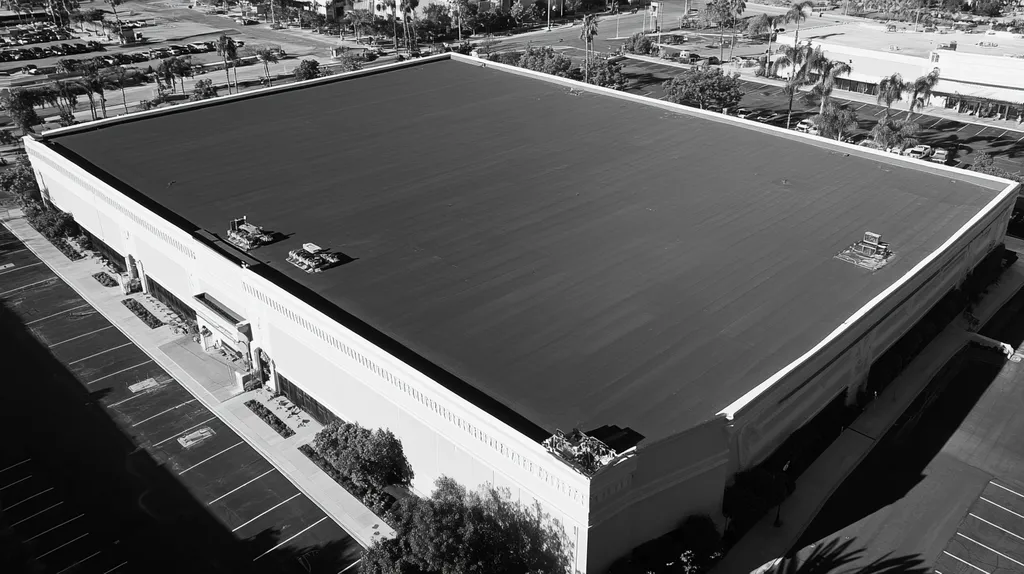
Commercial roofing systems represent one of the most significant investments for property owners, yet industry data reveals that 90% of premature roof failures stem from inadequate maintenance.
These preventable failures cost businesses billions annually in repairs, replacements, and operational disruptions that could be avoided through proper upkeep.
While persistent myths continue to influence maintenance decisions, evidence demonstrates that regular professional care can extend a roof’s lifespan by up to 50% while significantly reducing lifetime ownership costs.
This analysis examines common misconceptions about commercial roof maintenance, explores their practical implications, and presents evidence-based alternatives that protect property value.
SECTION 1: COMMON MISCONCEPTIONS
Myths surrounding commercial roofing maintenance can result in significant financial repercussions for property owners. Many underestimate the critical need for routine inspections and maintenance, often assuming their roofs are free from issues. This lack of understanding can lead to serious long-term complications that threaten the roof’s integrity. This section aims to clarify prevalent misconceptions about roof inspections, layering materials, and the variety of roofing systems. Grasping these elements is essential for preserving roof value and ensuring its longevity.
Myth: Optional Roof Inspections
A widespread belief among property owners is that roof inspections are optional. This misconception can be detrimental; without regular evaluations, minor issues can escalate into major headaches. For instance, unnoticed leaks may trigger water damage, promote mold growth, and even threaten the building’s structural stability.
Conducting regular inspections allows for the early detection of such problems, ultimately saving money over time. It is well-known that addressing minor repairs before they escalate into significant issues is far more economical. Additionally, proactive maintenance can extend the roof’s lifespan, enhancing its long-term value.
Moreover, failing to conduct inspections may violate warranty agreements. Many roofing manufacturers stipulate routine maintenance to maintain warranty protection. Missing these crucial evaluations may leave property owners responsible for unexpected repair costs when problems surface.
In conclusion, routine inspections aren’t optional; they are vital for protecting a building’s roof investment. Property owners should prioritize these assessments to ensure the ongoing health of their roofs.
Myth: Layering New Shingles Over Old
Another prevalent misconception is that it is acceptable to layer new shingles on top of old ones. Although this approach might appear cost-effective at first glance, it often leads to significant roofing challenges. For example, the added weight from multiple layers can put undue stress on the underlying structure, heightening the risk of collapse.
Furthermore, layering can trap moisture, leading to rotting and mold growth. If installed incorrectly over existing layers, water-resistant barriers might fail to perform as intended. This accumulation of water can severely compromise the roof’s integrity, potentially leading to costly repairs or even full replacements.
Additionally, local building codes frequently restrict the number of allowed roofing layers. Ignoring these regulations can lead to fines and complications, particularly during property sales. Compliance not only promotes safety but also helps maintain the property’s value.
Ultimately, removing old shingles before applying new ones is an industry best practice. This step ensures proper installation, which significantly enhances the roof’s overall performance and durability.
Myth: All Roofs Are the Same
A common misunderstanding is that all roofs are identical, failing to acknowledge the diverse range of commercial roofing systems. Each roof type—be it built-up, single-ply, or modified bitumen—boasts unique characteristics and maintenance requirements. Overlooking these distinctions can lead to improper care and premature failures.
Take, for instance, the difference between TPO and EPDM roofs; these systems require tailored maintenance strategies. Acknowledging these differences is crucial in creating a dedicated maintenance plan that targets each roof’s specific vulnerabilities.
Furthermore, environmental factors significantly influence roof performance. Elements such as climate, installation quality, and building usage play a pivotal role in determining a roof’s lifespan and upkeep demands. Ignoring these components can lead to inefficiencies and unnecessary expenditures.
In summary, recognizing that not all roofs are the same is essential for effective maintenance planning. Customizing care to the unique needs of each roofing system is vital for preserving its value and functionality.
SECTION 2: PRACTICAL IMPLICATIONS
Neglecting regular maintenance on commercial roofs can lead to dire consequences that reach far beyond simple repair costs. Studies indicate that a well-maintained roof can last up to 50% longer than one that is ignored. This reality underscores the crucial need for property owners and facility managers to view maintenance as a vital part of effective asset management. This section will delve into three key implications: the impact on roof lifespan, effects on building operations, and the consequences of neglecting care, highlighting the importance of taking proactive measures.
Impact on Roof Lifespan
Investing in regular maintenance substantially extends the lifespan of commercial roofs. Routine inspections and timely repairs enable property owners to catch minor issues before they turn into major headaches. For instance, a small crack in the roofing membrane can eventually lead to leaks, resulting in extensive water damage.
Industry professionals recommend inspections at least twice a year. During these assessments, issues such as deteriorating flashing or debris build-up can be addressed promptly. A roof in optimal condition requires less frequent replacement, providing significant long-term savings.
Moreover, effective roof maintenance helps uphold warranty coverage. Many manufacturers stipulate regular maintenance to keep warranties valid. Failing to adhere to these guidelines may leave property owners exposed to unforeseen repair costs.
Thus, proactive maintenance is essential for maximizing the lifespan of a commercial roof, ensuring that it remains a valuable investment over time.
Effects on Building Operations
Neglected roofs can severely disrupt daily operations and adversely affect tenant satisfaction. Water leaks from roofing failures might necessitate extensive downtime for repairs, which can even lead to sections of a building being temporarily closed off.
This disruption poses a serious risk to businesses operating within the premises. For example, if a retail space suffers from water damage, customer access could be limited, directly impacting sales figures. Additionally, constant interruption from repairs can detract from employee productivity and morale.
In contrast, regular maintenance ensures roofs function effectively, avoiding interference with routine business activities. By addressing potential issues proactively, tenants and employees can fully concentrate on their responsibilities without roofing-related worries.
Overall, the relationship between roof maintenance and smooth building operations is critical. An efficient roof contributes directly to an efficient business environment.
Consequences of Neglect
Overlooking roofing maintenance can lead to alarming consequences for property owners. Beyond superficial aesthetic issues, the financial repercussions are often significant. A single water leak, if ignored, can result in thousands of dollars in damages from structural issues and mold growth.
Additionally, insurance claims involving neglected roofs may not always be fully covered. This is especially true if policyholders cannot furnish evidence of proper maintenance practices, leading to unexpected out-of-pocket expenses.
The gradual deterioration of a roof also diminishes the overall value of a commercial property. Prospective buyers or tenants may perceive a poorly maintained roof as indicative of other underlying issues, decreasing the property’s market appeal.
To mitigate these risks, property owners must recognize that regular maintenance is not merely an expense but an essential investment in their property’s safety, efficiency, and overall market value.
SECTION 3: COST OF MISINFORMATION
Ignoring accurate information regarding commercial roof maintenance can have significant financial repercussions. Research from the National Roofing Contractors Association indicates that an astonishing 70% of roof repairs could have been avoided through consistent maintenance. Neglecting essential upkeep not only increases immediate costs but also leads to unanticipated expenses in the future. Understanding these potential financial burdens is imperative for property owners and facility managers striving to protect their investments.
Financial Burden of Neglect
Neglecting the maintenance of a commercial roof can result in substantial financial burdens. A roof that lacks regular attention becomes more vulnerable to leaks, which can inflict damage not only on the roofing structure but also on the interior of the building. Addressing such emergencies can incur costs that are often multiple times greater than the price of routine maintenance.
For example, an early detection of a minor leak may only require a few hundred dollars for repair. However, if the leak is left unaddressed, it can escalate into thousands of dollars in damage and restoration costs. Thus, prioritizing proactive maintenance is crucial in avoiding these preventable expenses.
Additionally, neglecting financial responsibilities may also complicate insurance matters. Many policies stipulate that proper maintenance must be performed to maintain coverage. Failing to conduct essential upkeep can result in denied claims during critical situations.
Beyond immediate costs, cumulative neglect can burden property owners financially over time. The longer maintenance is deferred, the greater the financial strain becomes, culminating in an unsustainable situation.
Hidden Costs of Delayed Repairs
Delaying roof repairs can lead to hidden costs that accumulate significantly over time. When issues are not addressed promptly, secondary complications, such as mold growth or structural damage, may develop. Initially unnoticed, these problems can ultimately require costly remediation efforts.
For instance, if a roof membrane begins to deteriorate and is not replaced in a timely manner, it may allow moisture to infiltrate. This moisture encourages mold growth, necessitating extensive cleanup and possible tenant relocations. Not only do these delays inflate repair costs, but they can also tarnish the building’s reputation, resulting in missed business opportunities.
Moreover, a prolonged period of inaction may lead to damage affecting other roof components and even the overall building structure. This domino effect can result in costs that far exceed the expenses associated with timely repairs.
In a commercial environment where efficiency is paramount, any delay in repairs translates to lost productivity and revenue. Recognizing these hidden costs is essential for making informed decisions about roof maintenance.
Long-Term Economic Consequences
Failure to maintain a commercial roof regularly can yield significant long-term economic repercussions. A roof that is poorly maintained faces a higher likelihood of premature failure, necessitating a complete replacement earlier than anticipated.
The financial implications of replacements often far exceed the cost of a well-organized maintenance program. Furthermore, frequent replacements can disrupt daily business operations, drawing scrutiny from financial stakeholders about management practices.
Additionally, the impact of neglect extends to property value. A poorly maintained roof can severely diminish the overall value of a commercial property, hindering resale potential and resultant offers from prospective buyers.
In a competitive real estate landscape, a well-kept roof can serve as a compelling selling point, whereas a neglected roof may deter potential clients. Understanding these long-term economic consequences highlights the crucial role of regular maintenance in preserving property value.
SECTION 4: REALITY CHECK
The consequences of overlooking commercial roof maintenance can be severe, affecting both the integrity of the roof and financial outcomes. Studies reveal that a staggering 75% of roofing complications arise from insufficient regular inspections. Property owners and facility managers must understand that neglecting maintenance not only invites costly repairs but also shortens the roof’s lifespan. Recognizing the critical importance of biannual inspections, the necessity of professional expertise, and the benefits of customized maintenance plans is vital for safeguarding roof value. This section will explore these essential components.
Importance of Biannual Inspections
Conducting biannual inspections is fundamental for spotting potential roofing issues before they escalate. Many complications, such as leaks or deteriorating membranes, often remain undetected without routine checks.
By ensuring inspections occur twice a year, property owners can identify minor concerns early on. For example, even a small crack may evolve into significant leakage that jeopardizes the roof’s overall structure.
Data illustrates that properties with regular inspections see a 30% reduction in major repair needs. This proactive stance not only mitigates expenses but also prolongs the roof’s functional lifespan.
In addition, many warranty agreements require regular professional inspections to remain valid. Property owners who overlook this necessity risk voiding their warranties, which could lead to financial burdens when repairs are later required.
Necessity of Professional Expertise
Utilizing professional expertise is imperative for achieving effective roof maintenance. Trained roofing specialists possess in-depth knowledge regarding the specific requirements of various materials and systems, allowing them to identify issues that may escape the notice of less experienced individuals.
For instance, professionals are equipped to assess moisture levels beneath roofing surfaces, a crucial factor often undetectable to the untrained eye. This level of expertise facilitates early interventions, preventing expensive long-term damage.
Moreover, hiring certified roofing contractors ensures that all maintenance complies with industry standards. These skilled professionals adhere to safety protocols and best practices, delivering peace of mind for property managers.
Ultimately, investing in professional inspections and maintenance can lead to substantial long-term savings while significantly reducing the risk of unforeseen expenses.
Benefits of Customized Maintenance Plans
Customized maintenance plans are tailored to address the unique needs of each roofing system. These individualized strategies take into account factors such as climate, building usage, and specific roofing materials.
For example, a maintenance plan for a flat roof situated in a humid area will considerably differ from one intended for a sloped roof in a dry environment. This personalized approach enhances the effectiveness of all maintenance efforts.
Additionally, customized plans help facilitate budgeting. Property owners can forecast routine maintenance costs more clearly, helping to avoid unexpected financial surprises.
Lastly, these tailored plans support organized reviews and future repair planning. Maintaining a structured maintenance schedule prevents last-minute scrambles and ensures roofs continue to operate at peak performance.
SECTION 5: EVIDENCE-BASED ALTERNATIVES
The necessity of regular roof maintenance is underscored by compelling evidence. Research conducted by the National Roofing Contractors Association reveals that facilities engaging in routine maintenance can extend the lifespan of their roofs by as much as 50%. This proactive approach not only significantly reduces costs associated with early replacement but also decreases disruptions to business activities. It is vital for property owners and facility managers to understand and implement effective maintenance strategies to protect their investments.
Regular Maintenance Schedules
Establishing a regular maintenance schedule is a fundamental strategy for safeguarding commercial roofs. By implementing a systematic inspection plan, potential issues, such as leaks or membrane deterioration, can be detected early. Addressing these concerns promptly allows property owners to reduce overall repair costs and significantly extend their roofing system’s lifespan.
For instance, conducting inspections twice a year can identify minor problems before they escalate into severe structural failures. Many roofing experts advocate for seasonal checks, particularly before extreme weather conditions. This proactive stance helps mitigate risks associated with unpredictable climates, ensuring the roof remains resilient.
Additionally, a consistent maintenance routine aids in budget planning for future expenses. Understanding the roof’s condition allows managers to allocate resources effectively, thus avoiding unexpected financial strains. Without a maintenance schedule, properties are often exposed to significant, unplanned costs that could jeopardize their financial stability.
Moreover, regular upkeep preserves property value, a critical factor for real estate investments. A well-maintained roof enhances the overall management image of the property, instilling confidence in potential buyers or tenants regarding its condition.
Targeted Repair and Restoration
Implementing targeted repair and restoration strategies is essential for enhancing the durability and performance of commercial roofs. Instead of resorting to complete replacement at the first signs of wear, facility managers should consider focused repair methods. For example, addressing localized areas of damage can conserve resources while ensuring roof integrity is maintained.
Advanced techniques, such as liquid-applied membranes, present effective restoration alternatives that can extend the lifespan of existing roofs. These innovative methods provide seamless protection, addressing vulnerabilities cost-effectively. In many instances, restoration efforts not only bolster functionality but also enhance energy efficiency.
It is crucial for property managers to evaluate damage carefully and plan targeted interventions. Collaborating with experienced roofing professionals can inform decisions on whether to repair or replace, safeguarding against future costly surprises.
Ultimately, these targeted repair strategies highlight sustainable practices in the roofing industry. The shift toward solutions that minimize waste not only benefits the environment but also offers financial advantages. By prioritizing repairs and restorations over complete replacements, businesses can significantly reduce their ecological impact.
Specialized Care for Different Roof Types
Commercial roofs vary widely, from single-ply membranes to built-up systems, necessitating specialized care tailored to their distinct characteristics. Each roof type exhibits unique vulnerabilities and specific maintenance requirements. Recognizing these differences is critical for maximizing roofing longevity and performance.
For instance, TPO and PVC roofs require specific cleaning agents to preserve elasticity and prevent material degradation. Regular inspections should focus on seams and flashings, areas particularly susceptible to leaks. By understanding these specific needs, property owners can implement effective maintenance strategies.
In contrast, built-up roofs may need periodic debris removal to avoid water pooling. Neglecting this simple task can lead to premature deterioration and costly damages. Engaging roofing professionals with expertise in specific roof types ensures optimal care and maintenance practices.
By selecting appropriate maintenance protocols based on roof type, property owners can enhance overall effectiveness and durability. Specialized care helps ensure roofs withstand environmental challenges while providing reliable protection throughout the year. Investing in knowledgeable care safeguards investments and promotes long-lasting performance.
SECTION 6: TEST AND VERIFY
Regular testing and verification are essential to prevent roofing issues from transforming into costly crises. Approximately 75% of roofing problems stem from undetected damage, making it crucial for property owners and facility managers to prioritize semiannual roof inspections. By identifying and addressing issues promptly, and meticulously documenting maintenance records, stakeholders can significantly extend the lifespan of their roofs while protecting their investments.
Conducting Semiannual Roof Inspections
Semiannual roof inspections are vital for preserving the integrity of commercial roofs. These assessments help pinpoint weaknesses that may lead to leaks or structural failure. Scheduling inspections seasonally—before winter and after summer—ensures roofs can withstand varying weather conditions.
Inspection teams should conduct comprehensive evaluations of all components, including membranes, flashing, and drainage systems. This proactive approach minimizes the risk of unexpected issues arising during harsh weather or peak operations. Catching potential problems early can save property owners thousands in repairs.
Utilizing advanced technology such as drones or thermal imaging can enhance inspection precision. These tools allow for a broader assessment, helping to detect issues that might otherwise go unnoticed. Consistent inspections form a cornerstone of effective roof maintenance strategies.
Ultimately, establishing a routine inspection schedule builds trust in roofing systems’ longevity. By addressing minor issues promptly, property managers ensure that their roofs last longer and contribute positively to overall building value.
Identifying and Addressing Potential Issues
Identifying potential issues during inspections is crucial for maintaining the roof’s value. Common concerns include ponding water, seam deterioration, and inadequate drainage. Immediately addressing these issues can prevent significant damage over time.
For example, a minor leak, if left untreated, can lead to mold growth or damage to inner structures, resulting in expensive repairs and business interruptions. Regular inspections enable facility managers to detect and rectify these problems before they escalate.
Property owners should develop a checklist of critical signs to monitor during inspections, including rust on metal components, blisters in roofing materials, or missing shingles. This actionable list empowers managers to quickly identify trouble areas. Collaborating with experienced roofing professionals ensures thorough evaluations.
Establishing a clear response plan for identified issues is essential. Property managers should document findings and prioritize repairs, assigning timelines for addressing the most critical issues first. This proactive management approach can significantly enhance roofing resilience.
Documenting and Tracking Maintenance Records
Documenting maintenance records is instrumental in developing a long-term roofing strategy. Accurate records offer valuable insights into the roof’s history, aiding future decision-making. These documents also provide proof of consistent maintenance, which can be crucial during property transactions or insurance claims.
By tracking inspections, repairs, and maintenance activities, property managers can identify patterns and evaluate the effectiveness of their strategies over time. Regular documentation fosters accountability among team members, ensuring adherence to maintenance protocols.
Additionally, many roofing manufacturers require proof of routine maintenance to validate warranties. Failure to maintain accurate records could result in warranty disputes, potentially leading to unanticipated costs for property owners down the line. Organized documentation safeguards investments and ensures compliance with warranty conditions.
Finally, employing digital tools or software solutions can streamline the documentation process. Such technology can automate inspection reminders and provide easy access to records, making tracking an integral part of roof management.
The Bottom Line
Industry data confirms that proper maintenance can extend commercial roof lifespans by 50% while reducing lifetime costs by up to 30%, yet 90% of premature failures stem from inadequate upkeep.
Regular professional inspections, targeted repairs, and systematic documentation represent proven strategies for protecting this critical asset.
The evidence demonstrates that myths about optional maintenance and delayed repairs cost commercial property owners billions annually in preventable damage.
As construction costs continue rising and weather patterns become more extreme, implementing a comprehensive maintenance program is no longer optional – it’s an essential investment in protecting property value and operational continuity.
The choice is clear: maintain now or pay significantly more later.
FREQUENTLY ASKED QUESTIONS
Q. Are commercial roof inspections really necessary?
A. Yes, regular inspections are essential for identifying issues early. Neglecting them can lead to costly repairs and significant roof damage, often resulting from unnoticed leaks or structural weaknesses.
Q. How does neglecting industrial roof maintenance impact operations?
A. Neglect can cause leaks, leading to extensive downtime and disruptions. This impacts tenant satisfaction and employee productivity, as unresolved issues require emergency repairs that interrupt regular business activities.
Q. What are the financial risks of ignoring commercial roof maintenance?
A. Ignoring maintenance can lead to severe financial burdens, as minor issues escalate into costly repairs. Additionally, insurance claims may be denied if consistent maintenance has not been documented, leaving property owners with unexpected expenses.
Q. Are all commercial roofs maintained the same way?
A. No, different types of commercial roofs require tailored maintenance approaches. Factors such as the roofing material and environmental conditions significantly influence maintenance needs and strategies.
Q. How often should commercial roofs be inspected?
A. It’s recommended to conduct inspections at least twice a year. Seasonal inspections help reveal potential issues before severe weather, thus promoting longevity and preventing costly repairs in the future.
Q. What should I look for during roof inspections?
A. Look for signs of water damage, missing shingles, or deteriorating seams. Pay attention to drainage systems and ensure they are clear of debris to prevent ponding water, which can indicate underlying issues.
Q. How can I ensure my commercial roof lasts longer?
A. Implement a regular maintenance schedule and conduct biannual inspections. Engaging qualified professionals for maintenance tailored to your specific roof type and keeping detailed records of all activities will also enhance longevity.






