

In commercial roofing, improper inspection scheduling leads to an average of $15,000 in preventable damage per incident, according to industry data. For property owners and facility managers, this represents a significant yet avoidable financial risk.
Establishing an effective inspection schedule throughout a commercial roof project is crucial for protecting this vital investment and ensuring long-term performance.
This comprehensive guide examines the critical components of inspection timing, from fundamental concepts and system evaluations to cutting-edge implementation methods and optimization strategies that maximize roof longevity.
SECTION 1: FUNDAMENTAL CONCEPTS
Regular inspections are not just a wise choice in commercial roofing; they are vital for ensuring the longevity and soundness of your investment. According to the National Roofing Contractors Association, neglecting these inspections can lead to damages that may cost property owners over $15,000 per incident in repairs. This section delves into why inspections are crucial, when to schedule them, and how seasonal changes affect their timing.
Importance of Regular Inspections
Regular inspections play an essential role in spotting potential roofing issues before they turn into major complications. For example, unnoticed small leaks can pave the way for mold growth and serious structural damage. By conducting routine inspections, property owners can detect these challenges early, empowering them to address concerns with timely repairs.
Additionally, inspections allow for a thorough evaluation of roofing materials. If certain components show signs of deterioration, proactive replacements can be made, helping to extend the roof’s lifespan. This approach significantly reduces the total cost associated with roof ownership throughout its lifecycle.
Thorough documentation from inspections also enhances warranty claims and boosts property value. Insurers and prospective buyers appreciate roofs that are well-maintained and have a record of regular inspections. This transparency offers a layer of financial security for property owners.
Finally, regular inspections ensure compliance with local building codes and safety regulations. A roof that does not meet these standards can result in fines or complications during property transactions.
Ideal Inspection Frequencies
The timing of inspections should reflect the specifics of the roofing system and local environmental conditions. A general guideline suggests conducting biannual inspections, typically in spring and fall, as these seasons provide insight into how well the roof withstands varied weather conditions.
For roofs with intricate designs or those situated in regions prone to severe weather, more frequent inspections may be essential. For example, flat roofs often accumulate debris that can lead to water retention, making regular checks critical to prevent serious damage.
Furthermore, roofs equipped with HVAC units or other mechanical systems might require inspections at least every three months. The wear caused by such equipment can lead to significant issues down the line, and early detection is key to averting costly repairs.
Immediately following severe weather events, inspections become crucial. Storms can cause hidden damages that, if overlooked, could evolve into extensive problems requiring expensive fixes.
Seasonal Inspection Timing
Seasonal changes greatly impact the scheduling of roof inspections. For instance, conducting pre-winter inspections is critical to ready the roof for heavy snow loads. Without proper preparation, roofs can suffer from structural failures or leaks due to melting snow.
Spring inspections are equally important, as they evaluate any damage sustained during winter storms. Identifying these issues early can prevent them from worsening as summer rains arrive. Addressing problems in the spring can help avoid more severe repairs later on.
Fall inspections, conducted just before winter, ensure that gutters and drainage systems are unobstructed. Clogged drainage can lead to water accumulation and ice damage, jeopardizing the roof’s integrity.
Therefore, scheduling inspections to align with seasonal transitions reinforces a roof’s resilience while optimizing maintenance strategies, ultimately safeguarding investments effectively.
SECTION 2: SYSTEM COMPONENTS
Overlooking the components of a roofing system can lead to significant financial setbacks and a reduced lifespan for commercial roofs. For property owners, a roof is more than just overhead protection; it’s a critical investment that demands diligent oversight. Mastering the details related to roofing materials, drainage systems, and the condition of flashing is essential for effective inspections. These elements are pivotal in safeguarding against leaks and structural deterioration.
Roofing Material Specifics
The selection of roofing material greatly influences both durability and maintenance requirements. Common options such as TPO, EPDM, and PVC each possess distinct characteristics. For instance, TPO is favored for energy efficiency but necessitates regular inspections to assess UV damage. Conversely, while EPDM is celebrated for its lifespan, improper installation can make it vulnerable to punctures.
Inspection schedules should be customized based on the roofing material in use. TPO and PVC membranes, in particular, may need checks at more frequent intervals, especially in harsh weather zones. Ongoing assessments of seams, membrane health, and any signs of degradation are vital for maintaining optimal performance.
Property owners must align their inspection criteria with these material nuances. Understanding how diverse materials respond to environmental stressors helps ensure timely maintenance. This knowledge also facilitates informed discussions about warranty expectations with roofing contractors.
Ultimately, recognizing the specific needs of each roofing material fosters targeted inspections, which contribute to longer-lasting roofs.
Drainage System Evaluation
Effective drainage is critical for the longevity of any commercial roof. Accumulated water can precipitate leaks, cause structural damage, and foster mold growth, making regular assessments indispensable. A well-functioning drainage system actively prevents water pooling, thereby preserving the roof’s structural integrity.
During routine inspections, contractors should scrutinize downspouts, gutters, and internal drainage systems. Blocked drainage can lead to serious risks, including rooftop collapses during severe weather. Regular maintenance, accompanied by these evaluations, is essential to ensure that drains are clear and operational.
Integrating drainage assessments into scheduled inspections can yield significant savings. Addressing minor blockages or necessary repairs early on can avert larger, more costly issues later. Property owners should aim to check drainage elements at least twice a year for optimal performance.
In summary, a comprehensive evaluation of the drainage system can prolong roof lifespan and substantially decrease repair expenses.
Flashing and Seal Integrity
Flashing and seals are critical components in diverting water away from vulnerable roof areas. Unfortunately, these parts are often the first to fail and can lead to leaks and serious water damage if not regularly inspected. Monitoring the condition of flashing and seals is essential for avoiding costly repairs.
During inspections, property owners should be vigilant for visible cracks, gaps, or signs of deterioration. For example, worn seals around roof penetrations can jeopardize the entire roofing system. Addressing these vulnerabilities promptly can prevent further damage and minimize repair costs.
Proactive measures include consistent assessments and timely repairs of flashing and seals. Collaborating with experienced roofing professionals ensures that maintenance is performed correctly, thereby enhancing the roof’s ability to withstand challenging conditions. Moreover, maintaining accurate records of inspections supports future evaluations and strategic maintenance plans.
In conclusion, prioritizing the integrity of flashing and seals is crucial for a resilient roofing system. By doing so, property owners can prevent leaks and significantly extend the life of their commercial roofs.
SECTION 3: IMPLEMENTATION METHODS
Effective inspection scheduling is crucial for the success of any commercial roofing project. Delays in inspections not only escalate repair costs but can also extend project timelines significantly. Research shows that a lack of diligent oversight dramatically increases the risk of roofing failures. This section explores essential implementation methods that enhance inspection efficiency, providing actionable strategies to improve the roofing process.
Pre-Inspection Preparation
Thorough pre-inspection preparation is vital for laying the groundwork for a successful roofing project. This stage should include a comprehensive review of architectural plans and an assessment of site-specific challenges, such as weather patterns and roof accessibility. Recognizing potential obstacles upfront can help prevent delays during actual inspections.
It’s also important to devise a schedule that aligns with key project milestones. By timing inspections strategically—such as after the installation of underlayment but prior to applying roofing materials—property owners reduce the risks associated with hidden defects.
Open communication with the roofing team regarding inspection expectations is essential. Setting clear guidelines about what inspectors will focus on ensures accountability and thorough assessments. Poor communication can lead to misunderstandings, resulting in costly rework or missing critical issues.
Lastly, maintaining an organized inspection log is crucial. Documenting each stage provides a valuable reference for future maintenance efforts and addresses any liability concerns. Proper documentation enhances transparency and fosters quality control throughout the project.
Advanced Inspection Techniques
Utilizing advanced inspection techniques can greatly improve the reliability of evaluations during a commercial roofing project. While traditional visual inspections are important, they may overlook underlying issues. Methods such as moisture detection and infrared scanning enable inspectors to identify problems that aren’t visible on the surface.
For example, moisture detection readings can effectively reveal water infiltration issues, allowing for prompt repairs and minimizing long-term damage. This proactive strategy significantly decreases the chances of extensive water damage that could result in major financial losses.
Thermal imaging serves as another innovative tool, pinpointing areas of heat loss and energy inefficiency. By showcasing these inefficiencies, this method not only ensures roof integrity but also aids in promoting energy conservation. With this information, property managers can make strategic improvements to enhance overall building performance.
Integrating these advanced techniques with standard inspections demonstrates a commitment to quality and longevity of the roof, ultimately preserving the property’s value for years to come.
Use of Drones and Thermal Imaging
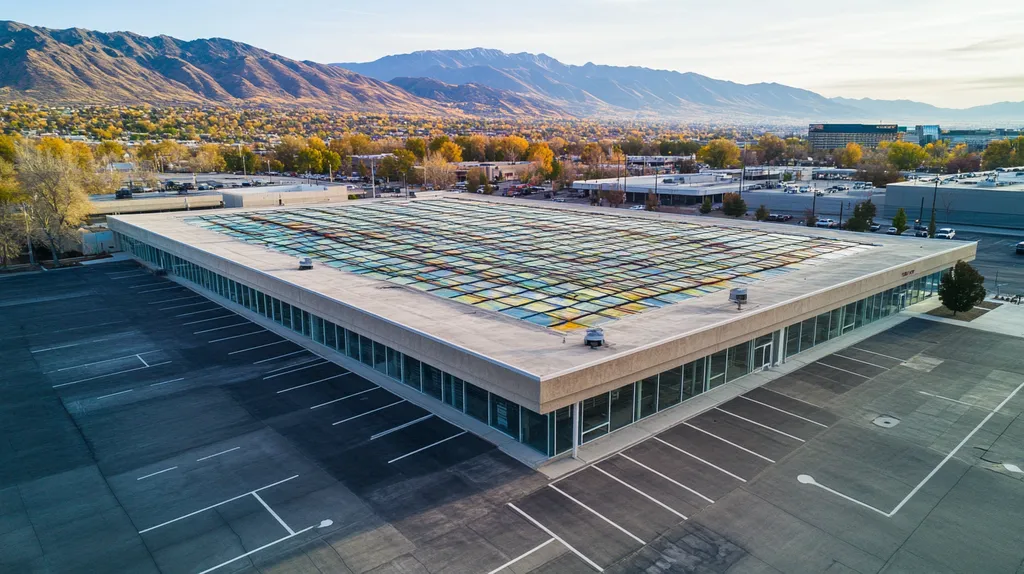
The incorporation of drones into commercial roofing inspections represents a significant advancement in the industry. Drones can swiftly cover expansive roof areas, providing a comprehensive overview that often reveals issues that ground-level inspections might miss. This technology also facilitates access to hard-to-reach areas, reducing the risks associated with manual inspections.
Using drones alongside thermal imaging enhances the inspection process by identifying insulation problems and moisture buildup efficiently. Drones equipped with thermal cameras are capable of detecting heat anomalies, illustrating where energy efficiency is lacking.
This combination of technologies accelerates the inspection process, enabling quicker decision-making and minimizing downtime for commercial properties. Drones often complete inspections in a fraction of the time required by traditional methods, supporting smoother transitions between project phases.
In conclusion, blending drones and thermal imaging not only boosts safety and efficiency but also provides accurate data for informed investment decisions. Adopting these advanced technologies is essential for modern commercial roofing projects, ensuring a durable and valuable roofing solution.
SECTION 4: MAINTENANCE REQUIREMENTS
Effective maintenance is essential for maximizing the lifespan and efficiency of a commercial roof. Failure to conduct routine upkeep can lead to unexpected repair costs and extensive damage. In fact, the National Roofing Contractors Association suggests that regular inspections can extend a roof’s lifespan by up to 30%. This section will cover crucial preventative maintenance tips, the significance of promptly addressing minor repairs, and the necessity of regular cleaning and debris removal.
Preventative Maintenance Tips
Preventative maintenance serves as the foundation of a resilient commercial roof. Property owners should aim for routine inspections, ideally twice a year, to catch potential problems before they develop into larger issues. These check-ups are especially important after severe weather, which can cause hidden damage.
Maintaining detailed records of inspections and maintenance interventions is also vital. This documentation can reveal trends and help forecast future challenges. Ensuring that a qualified roofing contractor conducts these inspections provides confidence that the roof’s condition is thoroughly evaluated.
Another critical maintenance tip focuses on drainage management. Clogged gutters and downspouts can trap water, compromising the structural integrity of the roof. Keeping these pathways clear minimizes the risk of moisture accumulation, thus protecting the roof’s materials.
Investing in a professional maintenance program can yield long-term benefits. Such programs ensure that inspections are standardized, increasing the likelihood of catching issues early, thereby extending the roof’s service life.
Addressing Minor Repairs
Swiftly addressing minor repairs is essential to prevent them from evolving into major problems. Even small cracks or blisters that go unattended can lead to leaks and significant structural damage. Property owners must prioritize these repairs to maintain the roof’s overall integrity.
During routine inspections, contractors should pay special attention to seals around roof penetrations, flashings, and seams, as these are often vulnerable points. Tackling issues in these critical areas can prevent water infiltration and associated damage.
Property managers should establish a clear protocol for rapidly reporting any signs of trouble, such as visible wear or water stains. Taking a proactive rather than reactive approach can save substantial costs over time.
Engaging a qualified contractor for minor repairs ensures adherence to industry standards. Skilled technicians will use appropriate materials and practices, which are essential for creating durable and effective repairs.
Cleaning and Debris Removal
Regular cleaning and debris removal are fundamental to effective roof maintenance. Accumulated leaves, branches, and other debris can trap moisture, creating conditions conducive to mold growth and leaks, which undermine the roof’s structural integrity.
Scheduled cleanings should target the roof surface, gutters, and drainage systems to ensure unobstructed water flow, reducing the risk of pooling or damage. This maintenance is particularly crucial in regions with heavy foliage.
Ensuring that roof penetrations remain clear also promotes proper ventilation. Adequate airflow helps reduce moisture buildup and maintain temperature balance, contributing to energy efficiency within the building.
Incorporating professional cleaning services into a maintenance plan guarantees that these tasks are performed correctly and safely. Trained professionals can access difficult areas while employing techniques that protect the roof’s surface from damage.
SECTION 5: PERFORMANCE METRICS
In the realm of commercial roofing, implementing robust performance metrics is essential for safeguarding investments and ensuring the longevity of roofing systems. Undetected issues, such as a minor leak, can lead to extensive water damage and costly repairs that easily surpass initial roofing budgets. To navigate these challenges, property owners must assess roof conditions, identify potential failures, and conduct a cost-benefit analysis of inspections. This section highlights the critical metrics that empower informed decision-making during any roofing project.
Assessing Roof Condition
Regular assessments of a roof’s condition are essential for protecting its structural integrity. Engaging trained professionals for thorough inspections during crucial phases can reveal hidden issues like material deterioration or inadequate drainage systems. By consistently evaluating aspects such as membrane thickness, material fatigue, and weather-related damage, property owners can make informed maintenance decisions that mitigate future costs and complications.
These evaluations should also be meticulously documented, allowing for a comprehensive historical record of the roof’s status over time. Tracking this data not only aids in forecasting future maintenance needs but also enhances the overall decision-making process. Furthermore, integrating technology—such as drones and infrared scans—can significantly enhance the accuracy of these assessments, revealing problems that are not visible to the naked eye. Investing in comprehensive evaluations positions property owners to protect their assets effectively.
Identifying Potential Failures
Timely identification of potential failures in a roofing system is crucial to prevent costly damage. Engaging qualified inspectors at strategic project milestones can uncover vulnerabilities tied to inadequate installation, material defects, or design flaws—many of which may remain hidden until they escalate into major issues.
Employing predictive analytics can further improve the identification process by analyzing historical data and climate patterns. For example, roofs in areas prone to heavy snowfall might require additional support to avoid collapse. Moreover, the early detection of minor leaks can prompt timely interventions, ultimately saving substantial repair costs. Establishing a routine inspection schedule also helps catch wear and tear before it becomes critical; regularly checking flashings, seams, and drainage systems can prolong the roof’s lifespan.
Cost-Benefit Analysis of Inspections
Conducting a cost-benefit analysis of roofing inspections is vital for underscoring their significance. Property owners need to evaluate the upfront costs of regular inspections against the potential financial consequences of emergency repairs. For example, a small investment in routine inspections can avert costly leaks and structural damage in the future.
Data from previous projects can illustrate the financial advantages of such inspections. Research has shown that properties with scheduled inspections typically incur up to 30% lower repair costs over five years compared to those that neglect this practice, emphasizing the value of proactive maintenance. Additionally, properly documented inspections can bolster warranty claims, as manufacturers are more likely to favor roofs with maintenance records for warranty assistance, ultimately benefiting property owners financially.
In summary, understanding the long-term financial implications empowers property owners to prioritize inspections. By doing so, they can minimize unforeseen expenses and ensure their roofing investments deliver optimal returns.
SECTION 5: PERFORMANCE METRICS
In the competitive world of commercial roofing, establishing robust performance metrics is critical for protecting investments and ensuring the durability of roofing systems. Undetected issues, such as a small leak, can escalate quickly, resulting in extensive water damage and repair costs that easily exceed initial roofing budgets. To mitigate these risks, property owners must actively assess roof conditions, identify potential failures, and conduct a thorough cost-benefit analysis of inspections. This section zeroes in on the essential metrics that can inform smarter decision-making throughout any roofing project.
Assessing Roof Condition
Regular assessments of a roof’s condition are vital for maintaining its structural integrity. Property owners should enlist trained professionals to conduct thorough inspections at critical stages of the roof’s lifecycle. These assessments can unveil hidden concerns, such as material deterioration or inadequate drainage systems, that pose significant risks.
A detailed evaluation doesn’t just identify current issues; it also provides insights into the roof’s long-term performance. Key metrics like membrane thickness, material fatigue, and the impact of weather can guide timely maintenance decisions, reducing the likelihood of costly repairs down the line.
It’s crucial to meticulously document these condition assessments. This creates a historical record that makes it easier to track changes and forecast future maintenance needs. With comprehensive data in hand, property owners can make informed choices that safeguard their assets effectively.
Utilizing advanced technology like drones or infrared scans can considerably enhance assessment accuracy. These tools offer a detailed perspective on roofing conditions that may not be visible to the naked eye. Investing in thorough evaluations positions property owners to better protect their investments.
Identifying Potential Failures
Spotting potential failures within a roofing system is essential to avert costly damage. By engaging qualified inspectors at key project milestones, property owners can uncover vulnerabilities related to inadequate installation, material defects, and design flaws—issues that often remain hidden until it’s too late.
Employing predictive analytics can heighten the efficiency of this identification process. By examining historical data and climate patterns, property owners can pinpoint areas more susceptible to failure. For example, roofs in regions with heavy snowfall might need additional support to prevent structural collapse.
Addressing potential failures early leads to timely interventions. For instance, by catching minor leaks before they worsen into major problems, property owners can save significant repair expenses. This proactive approach fosters a culture of maintenance that enhances overall roof performance.
Establishing a routine inspection schedule also plays a key role in monitoring wear and tear. Regularly checking critical components like flashings and drainage systems helps identify issues that might otherwise go unnoticed—ultimately extending the roof’s lifespan.
Cost-Benefit Analysis of Inspections
Conducting a cost-benefit analysis of inspections is crucial in highlighting their value. Property owners must weigh the upfront costs of regular inspections against the potentially hefty expenses of emergency repairs. A modest investment in routine inspections can prevent substantial leaks and structural damage in the future.
Data from previous projects illustrates the financial benefits of inspections. For example, properties with scheduled inspections often incur 30% lower repair costs over five years compared to those without. This statistic reinforces the advantages of a proactive versus reactive maintenance strategy.
In addition, inspections can make warranty claims more robust. Roofs with documented maintenance histories are viewed favorably by manufacturers when warranty issues arise, potentially saving property owners significant costs.
Ultimately, a clear understanding of long-term financial benefits enables property owners to prioritize inspections. By doing so, they minimize unexpected costs and ensure their roofing investments provide maximum returns.
The Bottom Line
With commercial roof failures costing businesses an average of $15,000 per incident, proper inspection scheduling remains the most crucial defense against catastrophic damage and financial loss.
Strategic timing of inspections throughout a roofing project’s lifecycle dramatically reduces the risk of major issues while extending roof performance by up to 30%.
Modern inspection technologies like drones and thermal imaging have revolutionized how property owners can protect their roofing investments through early detection.
By implementing comprehensive inspection schedules that incorporate seasonal timing, advanced evaluation techniques, and documented maintenance protocols, facility managers can maximize their roof’s lifespan while minimizing repair costs.
The future of commercial roofing depends on proactive inspection strategies that leverage both time-tested methods and emerging technologies to safeguard these critical assets.
FREQUENTLY ASKED QUESTIONS
Q. Why are inspections essential for my commercial roof?
A. Inspections identify potential roofing issues early, preventing severe problems and costly repairs. They also ensure compliance with local codes and maintain the roof’s value, offering long-term protection for your investment.
Q. How often should I schedule inspections for an industrial roof?
A. Ideally, schedule inspections biannually—once in spring and once in fall. More frequent checks may be necessary for roofs in severe weather areas or equipped with additional systems that could affect the roof’s integrity.
Q. What are key components reviewed during commercial roof inspections?
A. Inspectors typically evaluate roofing materials, drainage systems, flashing, and seals. Each component is crucial for the roof’s longevity, and any signs of damage can indicate necessary maintenance or repairs to uphold the roof’s performance.
Q. How can I prepare for roofing inspections?
A. Ensure you review architectural plans and identify potential challenges related to the roof. Additionally, coordinate with your roofing team to align inspection timelines with key project milestones to foster clear communication and effective evaluations.
Q. What maintenance practices can extend my commercial roof’s lifespan?
A. Establish a routine inspection schedule, promptly address minor repairs, and ensure regular cleaning. Maintaining clear drainage paths and documenting all maintenance actions further support your roof’s durability and performance over time.
Q. How can performance metrics improve my inspections?
A. Performance metrics help you assess your roof’s condition and identify potential failures early. By analyzing data from inspections, you can make informed decisions that enhance maintenance strategies, ultimately safeguarding your investment.
Q. What technologies can aid in roof inspections?
A. Drones and thermal imaging are effective technologies for inspections. Drones access hard-to-reach areas efficiently, while thermal imaging detects moisture and energy inefficiencies, providing data that enhances decision-making and inspection accuracy.






