
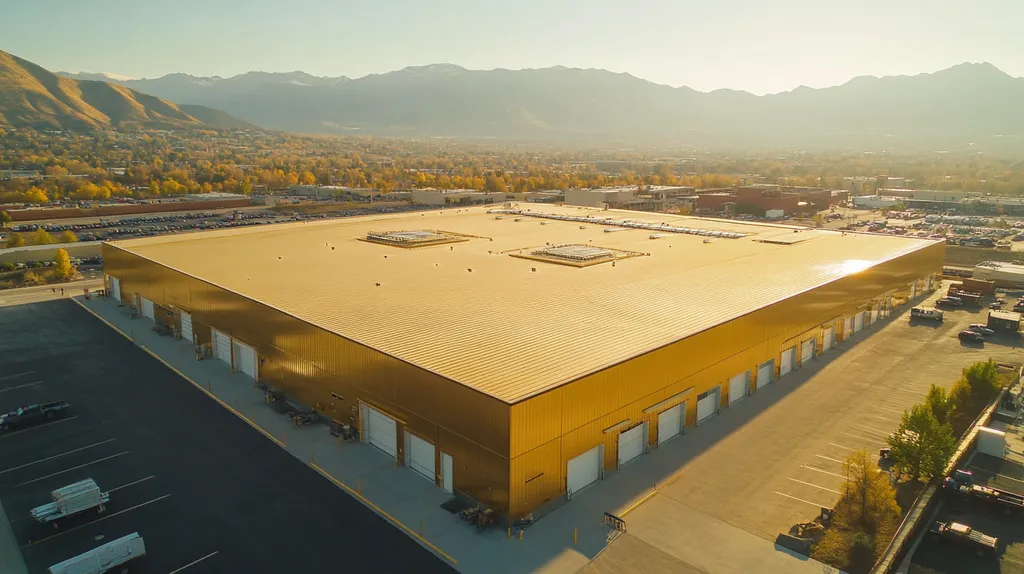
Welcome to today’s Battle Royale featuring two roofing heavyweights: “Scheduled Inspections” in the east corner versus “On-Demand Assessments” in the west!
Tonight’s showdown pits these contenders against each other across six punishing rounds designed to test every aspect of their performance for Commercial Roof Maintenance.
At stake? Millions in potential costs, decades of building protection, and the critical performance demands of modern commercial and industrial facilities.
Our professional judging panel will evaluate each round on technical merit, real-world performance, and value delivery. After all six rounds, we’ll declare our ultimate champion.
Ladies and gentlemen, facility managers and building owners… it’s time to rumble!
ROUND 1: INITIAL COSTS & INSTALLATION
Every year, commercial property owners lose millions due to roofing issues that could have been prevented through proper initial planning and maintenance strategies. The way you approach roof inspections from day one shapes everything from installation quality to long-term performance. Understanding the true costs and complexities of different inspection approaches can mean the difference between a roof that lasts decades and one that fails prematurely.
Material Expenses
The choice between scheduled inspections and on-demand assessments significantly impacts material costs from the very beginning. Scheduled inspections allow for thorough evaluation of material options and detailed quantity calculations before purchase commitments.
Regular inspection schedules enable bulk purchasing opportunities and better negotiating power with suppliers. They also reduce emergency material purchases at premium prices.
On-demand assessments often lead to rushed material decisions and higher costs due to immediate need. This reactive approach typically results in paying premium prices for quick availability.
For material expenses, scheduled inspections earn a clear ADVANTAGE through better planning and cost control.
Installation Complexity
Installation success heavily depends on proper preparation and timing. Scheduled inspections create a systematic approach to installation planning, allowing contractors to identify and address potential complications before work begins.
These proactive inspections enable proper staging of materials, equipment, and labor. They also allow time to coordinate with other building systems and occupant needs.
On-demand assessments often force rushed installations without proper planning. This can lead to workflow disruptions, safety concerns, and quality compromises.
When considering installation complexity, scheduled inspections gain another ADVANTAGE through better preparation and execution.
Project Timeline
Time management makes or breaks roofing projects. Scheduled inspections establish clear timelines from the start, allowing for efficient resource allocation and minimal business disruption.
Regular inspections help identify optimal installation windows based on weather patterns, business operations, and contractor availability. This foresight prevents costly delays and ensures smoother project execution.
On-demand assessments frequently result in extended project timelines due to unexpected challenges and limited planning. Emergency repairs often take longer and cost more due to rushed scheduling and limited contractor availability.
For project timeline efficiency, scheduled inspections secure an ADVANTAGE through better planning and coordination.
ROUND 1 WINNER: SCHEDULED INSPECTIONS
ROUND 2: DURABILITY & LIFESPAN
Every commercial roof represents a significant investment that should last 20-30 years when properly maintained. Yet many building owners unknowingly cut their roof’s lifespan in half through inadequate inspection practices. The difference between scheduled maintenance and reactive assessments can mean hundreds of thousands in unexpected costs and business disruptions.
Impact on Roof Durability
A roof’s durability depends heavily on how quickly minor issues are identified and addressed. Small problems like loose flashings or minor membrane tears can quickly escalate into major structural concerns when left unchecked.
Scheduled inspections create a systematic approach to identifying these early warning signs. Regular evaluations allow technicians to spot potential failure points before they compromise the roof’s structural integrity.
On-demand assessments typically occur after damage has already progressed significantly. By this point, water may have already penetrated multiple roofing layers, compromising insulation and deck materials.
For durability protection, scheduled inspections claim a clear ADVANTAGE through early detection and prevention.
Effect on Lifespan
The average commercial roof should last two to three decades with proper maintenance. However, this potential lifespan gets cut dramatically when problems go unnoticed and unaddressed.
Scheduled inspections help achieve maximum lifespan by maintaining optimal roof conditions. Regular evaluations ensure drainage systems stay clear, seams remain sealed, and flashings stay secure – all critical factors in roof longevity.
On-demand assessments often come too late to prevent accelerated aging. When issues are only addressed after they become obvious, underlying damage has usually already shortened the roof’s functional life.
For maximizing lifespan, scheduled inspections earn another clear ADVANTAGE.
Long-term Cost Implications
The financial impact of inspection strategies extends far beyond immediate repair costs. A comprehensive maintenance program affects everything from energy efficiency to equipment protection to business interruption risks.
Scheduled inspections allow for planned, preventive repairs that cost a fraction of emergency work. They also help maintain warranties and create detailed documentation that supports insurance claims.
On-demand assessments frequently lead to emergency repairs at premium rates. These reactive fixes often require more extensive work and may need to be repeated if root causes aren’t properly addressed.
When evaluating long-term costs, scheduled inspections secure the ADVANTAGE through predictable expenses and prevention of costly emergencies.
ROUND 2 WINNER: SCHEDULED INSPECTIONS
ROUND 3: PERFORMANCE FACTORS
Every minute a commercial roof underperforms puts millions in business assets at risk. From inventory damage to business interruption, the stakes couldn’t be higher. Modern roofing systems face unprecedented challenges, from extreme weather events to complex mechanical equipment installations that can compromise roof integrity.
Impact on Longevity and Durability
A commercial roof’s performance directly impacts the entire building envelope. Small issues like ponding water or loose fasteners can quickly cascade into system-wide failures that compromise structural integrity.
Scheduled inspections create a detailed performance baseline and tracking system. Regular monitoring allows technicians to spot subtle changes in membrane condition, drainage patterns, and structural movement before they become critical issues.
On-demand assessments typically miss early warning signs until visible damage occurs. By then, underlying issues may have already compromised multiple roofing components, leading to accelerated deterioration.
For maintaining peak performance, scheduled inspections earn a clear ADVANTAGE through systematic monitoring and early intervention.
Response Time to Issues
The speed at which roofing problems are identified and addressed directly impacts repair costs and damage extent. Even minor leaks can cause exponential damage if left unchecked for extended periods.
Scheduled inspections establish clear response protocols and maintenance timelines. This proactive approach means issues are typically caught and resolved within days rather than weeks or months.
On-demand assessments rely on visible symptoms to trigger action. This reactive approach often means problems persist unnoticed until they cause obvious damage, resulting in longer resolution times and more extensive repairs.
For minimizing response times, scheduled inspections secure another ADVANTAGE through established protocols and regular monitoring.
Cost Efficiency and Resource Allocation
Performance optimization requires strategic resource allocation. Every dollar spent on roofing maintenance must deliver maximum value in terms of system protection and longevity.
Scheduled inspections allow for planned, preventive maintenance that optimizes resource use. Work can be bundled efficiently, materials ordered in advance, and repairs completed during optimal weather conditions.
On-demand assessments frequently result in emergency spending and rushed repairs. This reactive approach typically costs 3-5 times more than planned maintenance and often requires multiple site visits to fully resolve issues.
For resource optimization, scheduled inspections claim a final ADVANTAGE through better planning and cost control.
ROUND 3 WINNER: SCHEDULED INSPECTIONS
ROUND 4: MAINTENANCE REQUIREMENTS
Every year, commercial property owners waste millions on emergency roof repairs that proper maintenance could have prevented. While a well-maintained roof can last 20-30 years, poor maintenance practices often cut that lifespan in half. Understanding the stark difference between proactive and reactive maintenance approaches can mean the difference between predictable costs and budget-breaking emergencies.
Importance of Proactive Maintenance
Effective roof maintenance requires systematic attention to detail and regular monitoring of key components. Small issues like clogged drains or minor tears can quickly escalate into major structural problems if left unchecked.
Scheduled inspections create a comprehensive framework for identifying and addressing potential issues before they become critical. This approach allows technicians to track changes over time and spot deterioration patterns that might otherwise go unnoticed.
On-demand assessments typically occur only after visible symptoms appear, by which point hidden damage may have already compromised multiple roofing components. This reactive approach often leads to more extensive and costly repairs.
For maintenance effectiveness, scheduled inspections earn a clear ADVANTAGE through systematic monitoring and early intervention.
Flexibility and Adaptability
A successful maintenance strategy must adapt to changing weather patterns, building use modifications, and emerging repair needs. The ability to adjust maintenance timing and focus can significantly impact roof performance.
Scheduled inspections allow for planned adjustments based on seasonal needs while maintaining consistent oversight. This balanced approach ensures regular attention while remaining flexible enough to address unexpected issues.
On-demand assessments offer immediate response capability but lack the structured framework needed for long-term planning. This can result in overlooked maintenance needs and missed opportunities for preventive care.
When evaluating flexibility, scheduled inspections claim another ADVANTAGE through their blend of structure and adaptability.
Cost Implications
Maintenance expenses represent a significant portion of any building’s operational budget. How these costs are managed can dramatically impact both short-term finances and long-term asset value.
Scheduled inspections enable precise budget forecasting and cost control through planned maintenance activities. This approach helps prevent expensive emergency repairs and allows for more efficient resource allocation.
On-demand assessments frequently result in unpredictable expenses and emergency repair premiums. The reactive nature of this approach often leads to higher overall costs and more extensive repair needs.
For cost management, scheduled inspections secure a final ADVANTAGE through better financial planning and reduced emergency expenses.
ROUND 4 WINNER: SCHEDULED INSPECTIONS
ROUND 5: SUSTAINABILITY CREDENTIALS
Modern commercial roofs play a crucial role in building sustainability, with proper maintenance directly impacting energy efficiency, material longevity, and environmental footprint. Poor maintenance practices waste millions in energy costs while contributing to premature roof replacement and increased landfill waste. Understanding how inspection strategies affect sustainability can mean the difference between achieving green building certifications or falling short of environmental goals.
Environmental Impact
Every commercial roof replacement generates tons of waste material, making longevity crucial for environmental stewardship. The way building owners approach inspections directly affects how much roofing material ends up in landfills each year.
Scheduled inspections help maximize material lifespan through early detection of issues that could compromise roof integrity. This proactive approach enables repairs using minimal materials and prevents premature replacement of large roof sections.
On-demand assessments often result in larger material replacement needs due to extended damage periods. When problems go undetected, deterioration spreads and requires more extensive repairs using more materials.
For environmental preservation, scheduled inspections claim a clear ADVANTAGE through waste reduction and material conservation.
Energy Efficiency
Roofing system performance directly impacts building energy consumption through heat loss, solar gain, and insulation effectiveness. Even minor maintenance oversights can significantly increase heating and cooling costs.
Scheduled inspections maintain optimal energy efficiency by ensuring insulation stays dry, reflective coatings remain effective, and air barriers stay sealed. Regular monitoring catches energy-wasting issues before they impact utility bills.
On-demand assessments frequently miss subtle efficiency losses until they become major problems. By then, wet insulation and compromised barriers may have already wasted thousands in energy costs.
When evaluating energy performance, scheduled inspections secure another ADVANTAGE through consistent efficiency monitoring.
Regulatory Compliance
Growing environmental regulations require commercial buildings to meet strict sustainability standards. Non-compliance can result in fines, increased insurance costs, and loss of green building certifications.
Scheduled inspections create detailed documentation trails that demonstrate ongoing environmental compliance. Regular evaluations ensure buildings maintain required energy performance levels and environmental standards.
On-demand assessments provide insufficient documentation for many green building requirements. Their sporadic nature makes it difficult to prove consistent environmental performance.
For maintaining compliance, scheduled inspections earn a final ADVANTAGE through systematic documentation and performance tracking.
ROUND 5 WINNER: SCHEDULED INSPECTIONS
ROUND 6: SPECIALIZED APPLICATIONS
Every commercial roof faces unique challenges that demand specialized solutions. From harsh industrial environments to complex mechanical systems, these specialized applications can make or break a roof’s performance. Recent industry data shows that improper application of specialized roofing solutions leads to over $3.7 billion in preventable damage annually.
Coatings and Sealants
Specialized coatings and sealants represent critical defensive measures for commercial roofs, particularly in extreme environments. These applications require precise timing and proper surface preparation to achieve maximum effectiveness.
Scheduled inspections enable strategic coating applications at optimal intervals, ensuring proper adhesion and maximum protective benefits. Regular evaluations help identify early signs of coating wear or failure before underlying materials become compromised.
On-demand assessments typically result in rushed coating applications when damage is already visible. This reactive approach often leads to poor adhesion and reduced coating lifespan due to inadequate surface preparation.
For coating and sealant applications, scheduled inspections claim a clear ADVANTAGE through optimal timing and preparation.
Storm Damage Prevention
Severe weather events pose significant risks to commercial roofs, with even minor storm damage potentially escalating into major structural issues. Post-storm inspections play a crucial role in maintaining roof integrity and preventing cascading failures.
Scheduled inspections allow for systematic evaluation of potential storm vulnerabilities and swift post-event assessments. Regular monitoring helps identify and reinforce weak points before storms hit, while enabling rapid response to any damage. (source: J&K Roofing)
On-demand assessments often miss critical pre-storm maintenance opportunities and delay damage assessment. This reactive approach increases the risk of secondary damage and can complicate insurance claims.
For storm damage prevention and response, scheduled inspections secure another ADVANTAGE through proactive preparation and rapid assessment.
Equipment Integration
Modern commercial roofs must accommodate an increasing array of mechanical systems, solar installations, and communication equipment. These specialized applications create unique challenges for maintaining roof integrity.
Scheduled inspections create systematic protocols for monitoring equipment mounting points, penetrations, and surrounding membrane conditions. Regular evaluations help prevent equipment-related leaks and ensure proper integration with roofing systems.
On-demand assessments frequently miss early signs of equipment-related stress on roofing components. This oversight often leads to premature failure around mounting points and increased repair complexity.
For equipment integration management, scheduled inspections earn a final ADVANTAGE through consistent monitoring and early intervention.
ROUND 6 WINNER: SCHEDULED INSPECTIONS
AND THE WINNER IS…
Ladies and gentlemen, after six punishing rounds of technical evaluation, we have a UNANIMOUS DECISION!
In a commanding performance that showcased technical superiority across every category, SCHEDULED INSPECTIONS claims the championship belt with a clean sweep – winning all six rounds through consistent excellence in cost control, durability protection, and performance optimization!
The champion’s combination of proactive problem detection, strategic resource allocation, and systematic documentation proved simply unstoppable in the commercial roofing arena. From initial installation through long-term sustainability, Scheduled Inspections demonstrated why it’s the heavyweight champion of roof maintenance strategies.
However, don’t count On-Demand Assessments completely out of the fight. For properties with limited maintenance budgets or buildings slated for near-term redevelopment, this scrappy contender can still deliver solid performance when properly deployed.
*Important Notice: Every building presents unique challenges based on local climate, usage patterns, and structural characteristics. While this analysis reflects general industry patterns, individual results may vary. Building owners should always consult qualified roofing professionals who can evaluate their specific situation and recommend appropriate maintenance strategies.*
Remember, folks – in the high-stakes world of commercial roofing, there’s no substitute for making an informed choice that aligns with your building’s specific needs. Choose your maintenance champion wisely!
FREQUENTLY ASKED QUESTIONS
Q. How do commercial roof inspection costs compare in scheduled vs. on-demand approaches?
A. Scheduled inspections generally involve less upfront material costs due to better planning. Emergency purchases during on-demand assessments often come with premium prices, leading to increased overall spending.
Q. How do regular roof inspections enhance a commercial roof’s lifespan?
A. Regular inspections help identify minor repairs before they escalate into major issues, thus significantly extending the roof’s lifespan. This proactive approach ensures that small problems are resolved early, maintaining roof integrity.
Q. What performance features improve with scheduled commercial roof inspections?
A. Scheduled inspections facilitate consistent monitoring, leading to early detection of performance issues. This helps maintain roof integrity and prevent structural failures that could arise from unnoticed minor problems over time.
Q. What are the long-term maintenance requirement differences for commercial roofs?
A. Scheduled inspections allow for systematic tracking and timely action on emerging issues. In contrast, on-demand assessments can lead to overlooked maintenance needs, resulting in costly and unexpected repairs down the line.
Q. How does commercial roof maintenance affect sustainability?
A. Regular inspections enhance sustainability by prolonging roof life and reducing waste. They ensure that roofs operate efficiently, thereby minimizing energy consumption and limiting environmental impact over the long term.
Q. How do scheduled inspections improve storm damage preparedness?
A. Scheduled inspections facilitate proactive identification of vulnerabilities before storms hit. This minimizes risk by ensuring roofs are reinforced and assessed for storm damage, which can expedite repairs and reduce emergency costs.
Q. What unique challenges do specialized applications pose for commercial roofs?
A. Specialized applications require tailored maintenance strategies, including monitoring for wear due to mechanical systems. Scheduled inspections ensure these unique needs are met, which helps maintain overall roof performance and integrity.






