

Every year, over 80,000 roofing-related injuries occur in the commercial construction sector, with falls remaining the leading cause of fatalities. Despite widespread safety protocols, traditional methods of assessing contractor safety records often fail to identify critical risks.
Current evaluation approaches overlook systemic issues like inadequate hazard identification, equipment maintenance gaps, and ineffective communication practices that contribute to workplace accidents.
This analysis examines why established safety assessment methods fall short and presents data-driven solutions for property owners seeking to better evaluate commercial roofing contractors.
SECTION 1: CURRENT PRACTICES
In the high-stakes world of commercial roofing, prioritizing safety is essential. Falls remain the leading cause of injuries and fatalities within the construction sector, making up nearly 40% of all construction-related deaths. When property owners overlook the true safety records of contractors, they expose themselves to significant risks and potential financial losses. This section examines the importance of routine safety audits, adherence to OSHA regulations, and the implementation of standard fall protection measures within the industry.
Routine Safety Audits and Inspections
Routine safety audits play a vital role in identifying risks associated with commercial roofing projects. These assessments generally evaluate compliance with established safety protocols and pinpoint areas needing improvement. However, many of these audits fail to thoroughly investigate a contractor’s historical safety performance and their actual practices on site.
For instance, an audit may confirm that a contractor possesses the necessary safety equipment, yet it may neglect to assess how effectively this gear is utilized during projects. Without a detailed analysis of past incidents and current practices, property owners may wrongly assume they are hiring a contractor with a solid safety record.
Additionally, audits conducted irregularly can lead to significant gaps in safety monitoring. If a contractor schedules audits solely during the bidding process, they may not address ongoing safety concerns. Frequent and open evaluations are crucial to ensure that safety protocols adapt to evolving work practices.
Merely depending on audit occurrences is inadequate. Industry stakeholders must advocate for more rigorous auditing processes that include comprehensive inspections tailored to specific site conditions and contractor histories.
OSHA Compliance and Regulations
Meeting OSHA regulations establishes a fundamental standard for safety in commercial roofing. These regulations offer crucial guidelines aimed at minimizing workplace hazards. However, simply adhering to these standards does not ensure a safe working environment.
Many contractors might seem to meet OSHA requirements on paper, yet still engage in unsafe practices. For example, a contractor may possess valid training certifications but fail to provide ongoing training or refresher courses necessary to reinforce safety protocols.
Moreover, OSHA regulations largely focus on accident prevention, rather than cultivating an overall safety culture. This passive approach can lead to lapses in proactive safety measures, increasing the chances of on-site incidents. Property owners should not just seek compliance, but also evaluate how deeply safety culture is integrated into a contractor’s operations.
Understanding OSHA regulations can also be challenging. Therefore, property owners should prioritize contractors who extend their safety vision beyond mere compliance, embracing best practices that reflect a genuine commitment to worker safety.
Standard Fall Protection Measures
Standard fall protection measures are crucial for minimizing risks on commercial roofing jobs. These measures include fall arrest systems, guardrails, and safety nets designed to protect workers from the dangers associated with falls. However, adherence to these safety protocols can greatly differ among contractors.
While many companies provide necessary fall protection gear, such as harnesses, actual usage of this equipment can be inconsistent. Reports indicate incidents where workers were not securely strapped in, despite having access to personal protective equipment (PPE). This gap emphasizes that merely providing safety gear does not guarantee a safe work environment.
Furthermore, a one-size-fits-all approach to fall protection fails to address the unique challenges presented by each roofing project. Factors like height, pitch, and weather conditions must be considered to ensure effective safety measures. Tailoring fall protection strategies to specific site conditions is essential for comprehensive risk management.
In conclusion, while standard fall protection measures are indispensable, their effectiveness hinges on proper training and awareness. Property owners should favor contractors who exhibit a proactive commitment to fall protection that is specifically tailored to the risks of each project.
SECTION 2: SYSTEMIC ISSUES
The safety of commercial roofing projects is often jeopardized by systemic issues within contractor practices. Alarmingly, about 40% of roofing accidents are linked to inadequate hazard identification, which can lead to severe injuries or even fatalities. Furthermore, lapses in equipment maintenance and communication gaps exacerbate these concerns. Addressing these root causes is critical for enhancing worker safety and fostering trust between property owners and facility managers.
Inadequate Hazard Identification
Proper hazard identification is a pressing concern in the roofing sector. Contractors often fail to recognize risks like unstable surfaces, adverse weather, or hazardous materials. Such oversights can create dangerous work environments that could easily be avoided.
For example, a contractor might skip evaluating the structural integrity of an aging roof before starting a project. This negligence can result in workers falling through weakened areas, risking lives and incurring significant legal costs.
To improve safety outcomes, property owners must choose contractors with robust hazard assessment protocols. Assessing how a contractor identifies and manages risks is essential for safeguarding investments and ensuring worker well-being.
In short, effective hazard identification practices are vital; without them, roofing projects remain susceptible to accidents, affecting overall safety and operational efficiency.
Insufficient Equipment Maintenance
Another critical issue is the inconsistent maintenance of roofing equipment. Regular inspections and proper upkeep of tools are crucial for ensuring safe roofing operations. Unfortunately, many contractors overlook these maintenance requirements, leading to failures during critical tasks.
For instance, a safety harness that has not undergone routine checks may malfunction, endangering workers who rely on it while performing tasks at height. This neglect not only threatens safety but also amplifies liability risks for property owners.
Implementing scheduled maintenance checks and requiring documentation can go a long way in mitigating risks associated with equipment failure. By insisting on stringent maintenance practices, property owners can elevate safety standards and reduce the likelihood of accidents.
Ultimately, establishing a strong equipment maintenance protocol contributes to fewer incidents and enhances the reliability of the roofing process.
Communication Gaps Among Workers
Effective communication among workers is essential for rooftop safety, yet it is often overlooked. Many roofing projects involve diverse teams, and communication gaps can lead to misunderstandings and unsafe practices.
For instance, if a worker is unaware of a hazard due to insufficient communication with others, the consequences could be severe, jeopardizing both individual safety and the overall project timeline.
Encouraging open communication channels can significantly improve safety. Property owners should strongly recommend that contractors hold regular safety briefings and on-site discussions to keep everyone informed and prepared.
Additionally, leveraging technology such as mobile applications for real-time communication can help bridge gaps and foster a safety-oriented culture. By prioritizing clear communication, roofing projects can operate more safely and efficiently.

SECTION 3: MISSED OPPORTUNITIES
The safety of commercial roofing work is non-negotiable, yet many property owners remain unaware of significant gaps in contractor assessments. A 2022 OSHA report revealed that falls account for over 30% of construction fatalities. When assessments miss critical elements, the result can be unsafe working conditions and increased liabilities, jeopardizing both worker safety and the property’s value. This section emphasizes three crucial areas commonly overlooked in safety evaluations: regional variations, training practices, and emergency procedure readiness.
Overlooking Provincial and State Variations
Every province and state has its own set of safety regulations that significantly impact roofing operations. Many contractors neglect to adjust their practices to align with local laws, creating unnecessary risks. For instance, a contractor who adheres to strict fall protection guidelines in one state may entirely disregard them in another with laxer regulations.
This disregard can expose property owners to serious liabilities. If a worker is injured due to a contractor’s non-compliance with local safety standards, the financial fallout can be considerable. Insurance claims resulting from such negligence can drive up premiums or even result in coverage denial.
Property owners must verify that their contractors are not only aware of but are also effectively implementing regional safety standards. Regular audits should include checks for compliance with local regulations related to roofing operations.
By making adherence to these regulations a priority, property owners enhance the safety of their sites and protect their investments. Ignoring this aspect is a lost opportunity to foster a safer work environment.
Neglecting Regular Training and Certification
Consistent training and certification for roofing crews are essential for sustained safety on job sites. Unfortunately, many contractors treat initial training as sufficient, often overlooking the necessity for ongoing education. This gap can hinder their awareness of the latest safety protocols and best practices.
Safety technologies and equipment evolve rapidly. A crew that has not undergone recent training on new fall protection systems may inadvertently increase the risk on-site. Property owners must demand proof of regular training and certifications from their contractors.
Ongoing training not only equips workers with the latest safety knowledge but also cultivates a strong safety culture within the organization. When employees feel well-prepared and knowledgeable, they are less likely to bypass protocols.
Investing in continuous training is an important opportunity for property owners to boost safety and enhance productivity during roofing projects. Neglecting this aspect puts workers at risk and can have severe implications.
Ignoring Emergency Procedure Reviews
Emergency procedures are often an afterthought in contractor assessments, but this oversight can lead to catastrophic outcomes. In roofing work, accidents can occur suddenly, making a well-prepared emergency response plan critical. However, many contractors fail to routinely review or practice these protocols.
A practiced emergency response can be the deciding factor between life and death. If workers haven’t rehearsed emergency escape routes or first-aid protocols, panicked reactions during real emergencies can worsen the situation. Regular emergency drills are essential for effective preparedness.
Property owners should ensure that contractors not only have established emergency procedures but also review and practice them frequently with their teams. This practice fosters prompt and efficient action in the event of an incident, reducing injuries and potential liabilities.
By prioritizing the evaluation of emergency procedures, property owners can transform a missed opportunity into a necessary standard, thereby improving overall job site safety.
SECTION 4: ROOT CAUSES
Safety in commercial roofing is a critical priority that cannot be overlooked. With OSHA reporting that falls from roofs account for approximately 34% of construction fatalities, the need for rigorous safety measures is clear. Yet, many roofing contractors neglect crucial evaluations that could help prevent these tragedies. By identifying the root causes of inadequate safety records, we can pinpoint systemic issues in the industry that require urgent attention. This section focuses on three primary issues contributing to safety failures: inadequate risk assessments, ineffective implementation of safety culture, and insufficient evaluations of access points.
Lack of Comprehensive Risk Assessments
Many contractors bypass essential risk assessments before commencing roofing work. This critical oversight leaves various hazards unaddressed, increasing the likelihood of accidents and injuries. For example, a contractor may neglect to assess the roof’s pitch or material strength, both of which are crucial to prevent falls and equipment failures.
A thorough risk assessment should encompass specific dangers related to each project, including site conditions, weather influences, and the capabilities of the workers involved. Ignoring these factors turns roofing projects into dangerous gambles.
Moreover, the absence of standardized risk assessment procedures often results in inconsistent safety practices across different roofing projects. Many contractors prioritize speed over comprehensive evaluations, which can severely compromise their safety records.
By implementing rigorous risk assessment protocols, contractors can not only prevent accidents but also build trust with property owners. A proactive approach to safety boosts contractor credibility and reduces liability risks.
Ineffective Safety Culture Implementation
Establishing a strong safety culture is vital for minimizing accidents in the roofing sector. Yet, many companies fail to foster such an environment, leading to neglect of safety protocols by employees on the job site.
For instance, if laborers do not feel encouraged to raise safety concerns, they might ignore hazardous conditions altogether. This culture of silence can result in injuries and ultimately damage a company’s safety record.
Furthermore, companies that underprioritize ongoing safety training often encounter a spike in accidents. Regular training sessions are essential to instill knowledge about safety procedures and the significance of a safety-first mindset among workers.
By cultivating a safety-oriented culture, companies can not only lower incident rates but also enhance employee satisfaction. A robust commitment to safety can also attract clients who value risk management.
Inadequate Access Point Evaluations
Evaluating access points is crucial for ensuring worker safety during roofing projects. However, many contractors perform insufficient assessments of these critical areas, leading to serious hazards. Poorly designed access points can result in falls or dropped tools, endangering workers below.
Time constraints and lack of oversight often cause contractors to neglect thorough evaluations. Without proper reviews of ladders, scaffolding, and tie-off points, accident risks increase significantly.
Additionally, weather variations can drastically affect access point safety. A secure access point in dry conditions can become hazardous in rain or snow. Regular evaluations are necessary to adapt safety measures as weather conditions change.
Creating clear protocols for access point evaluations can significantly improve overall safety. Ensuring consistent reviews and maintenance of access routes will better protect workers and enhance the contractor’s safety reputation.
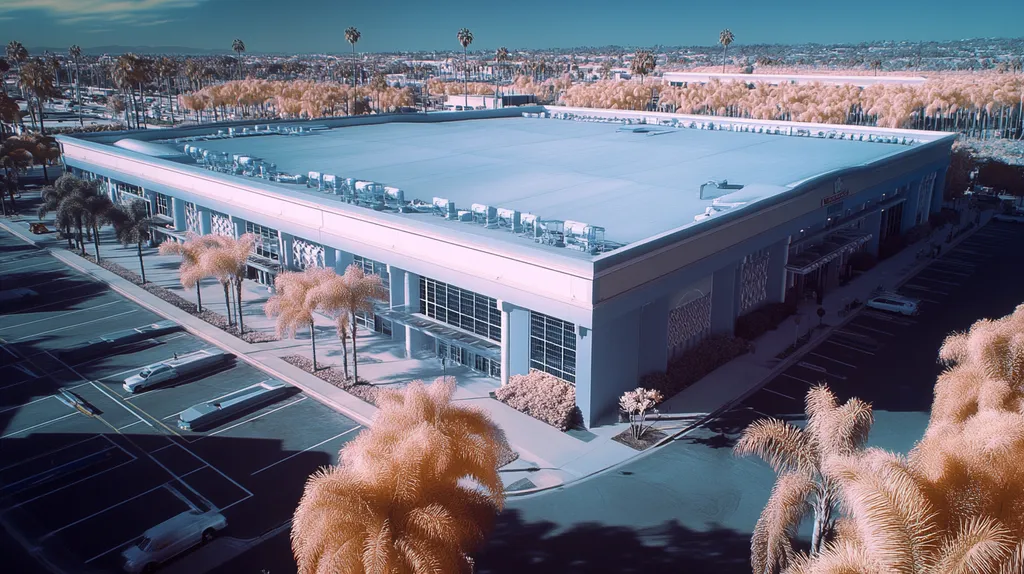
DATA DRIVEN EVIDENCE
Understanding a commercial roofing contractor’s safety record is critical, as it directly impacts worker safety and financial investment. Recent statistics highlight the gravity of this issue, revealing that roofing jobs account for over 80,000 injuries annually, according to the Bureau of Labor Statistics. This alarming figure underscores the need for thorough safety assessments when selecting a contractor.
Statistics on Workplace Accidents and Injuries
The urgency of addressing workplace accidents in the roofing sector cannot be overstated. Roofing ranks among the top 10 industries for work-related fatalities, with falls constituting nearly 39% of all roofing injuries. This stark data illustrates the necessity for detailed evaluations of safety records prior to hiring a contractor.
The financial implications of workplace injuries are significant. On average, a single injury can cost over $40,000 when factoring in medical bills and lost productivity. Contractors with a history of frequent accidents expose property owners to not only heightened safety risks but also increased insurance premiums and potential liability claims.
Property owners must ensure their roofing contractors have strong safety protocols in place. Companies that focus on safety often demonstrate lower injury rates, establishing a clear link between comprehensive safety measures and diminished risks. This reality reinforces the need for property owners to diligently review their contractors’ injury statistics as part of their hiring decisions.
In summary, collaborating with contractors who have poor safety records can have severe repercussions. Vigilance is essential; property owners should demand full transparency regarding previous accidents and the safety measures put in place by their contractors.
Impact of Non-Compliance on Safety Records
Non-compliance with established safety standards severely tarnishes a contractor’s safety reputation. Contractors who shortcut safety protocols may see temporary gains, but they ultimately create long-term liabilities that jeopardize both their standing and the safety of property owners.
For instance, a contractor found in violation of OSHA regulations may face hefty fines and legal challenges, compromising their reliability. These consequences could lead to increased insurance costs or project delays, which directly impact property owners’ investments.
Furthermore, continuous monitoring of compliance is vital for maintaining safety. Regular audits help identify and rectify potential violations before they result in accidents. Property owners should partner with contractors known for their unwavering commitment to safety standards.
In essence, evaluating a contractor’s compliance history is essential. This proactive approach helps ensure safety and minimizes risks associated with non-compliance, protecting both property and personnel in the long run.
Case Studies of Successful Safety Audits
Reviewing successful safety audits provides compelling evidence of the effectiveness of rigorous safety evaluations. One significant example involved a major commercial roofing project where the contractor underwent quarterly safety audits. These thorough assessments identified areas needing improvement, leading to a 50% reduction in accidents over two years.
In another notable case, a property management firm conducted an extensive safety audit for potential roofing contractors. Their findings demonstrated that selecting a contractor with a solid safety record resulted in a 70% decrease in work-related incidents. This actionable data reinforces that thorough safety assessments can lead to substantial enhancements in safety performance.
Such success stories highlight the need for routine and comprehensive safety audits in contractor evaluations. Property owners who leverage such data can expect better safety outcomes and reduced liability risks during roofing projects.
Ultimately, integrating safety audits into contractor assessments fosters a safety-centric culture throughout roofing operations, protecting lives and ensuring sound investments in commercial properties.
SECTION 6: ALTERNATIVE SOLUTIONS
Ensuring the safety of commercial roofs is a crucial concern, as falls contribute to over 33% of construction fatalities. Property owners and facility managers must explore innovative solutions to enhance safety and reduce accidents on their rooftops. This section discusses improved risk assessment strategies, advanced training programs, and integrated safety communication protocols designed to advance safety in roofing practices.
Enhanced Risk Assessment and Mitigation
Traditional safety assessments often miss specific environmental and structural factors affecting roofing safety. To tackle this, comprehensive risk assessment procedures should be developed to address site-specific conditions.
For instance, using drone technology allows for high-resolution imaging of rooftops, enabling the identification of potential hazards without putting workers at risk. This approach not only improves assessment quality but also facilitates effective risk mitigation planning.
Additionally, implementing regular audits to evaluate risk management practices can drive continuous improvement. Property owners should require contractors to submit detailed risk assessment reports that outline identified hazards and mitigation strategies before starting any project.
This proactive approach to risk assessment fosters a culture of safety and accountability, ultimately leading to a decrease in incidents during construction and maintenance activities.
Advanced Training and Certification Programs
Existing training programs often cover general safety practices but may lack depth in addressing specific roofing hazards. To ensure safe working conditions, advanced training and certification programs are essential.
These programs should focus on real-world roofing scenarios, such as managing materials in high winds or maintaining stability on steep slopes. Certifications from reputable organizations can demonstrate a contractor’s genuine commitment to safety.
Continuous education ensures that workers stay current with evolving safety standards and best practices. Such proactive training can substantially lower the risk of workplace injuries, benefiting the overall safety culture within the roofing industry.
When property owners insist on high training standards from their contractors, they encourage the entire industry to strive for better safety practices.
Integrated Safety Communication Protocols
Effective communication is crucial for preventing accidents, yet many contractors lack structured protocols for safety communication. Establishing integrated safety communication protocols can bridge this gap, heightening awareness among all team members.
Implementing systems for daily safety briefings and consistent incident reporting can significantly reduce misunderstandings and ensure that everyone remains informed about potential hazards. Utilizing mobile applications for real-time communication can provide immediate updates and alerts regarding safety issues.
Moreover, fostering an environment where workers are encouraged to voice safety concerns leads to quicker resolutions of issues. By prioritizing open dialogue, contractors and property owners can work together to enhance safety conditions.
Integrating these communication strategies contributes to a safer working environment, ultimately resulting in fewer accidents and improved overall safety records.
Moving Forward
With workplace accidents costing the commercial roofing industry over $1 billion annually, traditional safety assessment methods clearly require immediate reform.
Current evaluation practices consistently fail to address critical issues like inadequate hazard identification, poor equipment maintenance, and systemic communication gaps.
The implementation of enhanced risk assessments, advanced certification programs, and integrated safety protocols offers a clear path toward reducing the 80,000 annual roofing-related injuries.
Property owners and facility managers must demand comprehensive safety records that include detailed accident histories, compliance documentation, and evidence of ongoing safety training.
Only by adopting these data-driven approaches can the industry effectively protect workers while safeguarding valuable commercial properties.
FREQUENTLY ASKED QUESTIONS
Q. Why are routine safety audits crucial for commercial roof contractors?
A. Routine safety audits are essential for identifying risks associated with commercial roofing projects. They evaluate compliance with safety protocols and help pinpoint areas needing improvement. Frequent audits ensure ongoing monitoring and adaptation of safety protocols, protecting both workers and property owners.
Q. What systemic issues affect the safety of industrial roof jobs?
A. Systemic issues like inadequate hazard identification and insufficient equipment maintenance critically impact the safety of industrial roofing jobs. Communication gaps among workers also exacerbate these concerns, leading to misunderstandings that can result in accidents. Addressing these root causes is vital for ensuring worker safety.
Q. How can missed opportunities in assessments impact commercial roof safety?
A. Missed opportunities in contractor assessments, such as ignoring local safety regulations and neglecting training reviews, can lead to unsafe working conditions. These oversights increase injury risks and can result in higher liabilities for property owners. Proper evaluations are necessary to ensure comprehensive safety measures are in place.
Q. What are the root causes of poor safety records in commercial roofing?
A. Root causes of poor safety records often include inadequate risk assessments and ineffective safety culture implementation. Insufficient evaluations of access points further contribute to safety failures. Contractors must address these underlying issues to improve their overall safety performance in roofing projects.
Q. How do statistics on roofing injuries influence contractor selection?
A. Statistics on roofing injuries highlight the risks associated with hiring contractors who may not prioritize safety. Understanding these numbers enables property owners to make informed decisions. Selecting contractors with a strong safety record often correlates with lower injury rates and reduced liabilities.
Q. What alternative solutions can improve commercial roof safety?
A. Alternative solutions such as enhanced risk assessment protocols, advanced training programs, and integrated communication strategies can significantly improve safety in commercial roofing. These proactive measures address specific hazards, promote ongoing education, and ensure all team members are aware of safety practices, reducing accident risks.
Q. How does contractor communication affect commercial roofing safety?
A. Effective communication among roofing contractors is critical for safety. Gaps in communication can lead to misunderstandings about hazards and safety protocols. Establishing structured communication strategies, such as daily briefings, enhances awareness and fosters a safety-centric culture among all team members, reducing the likelihood of accidents.






