
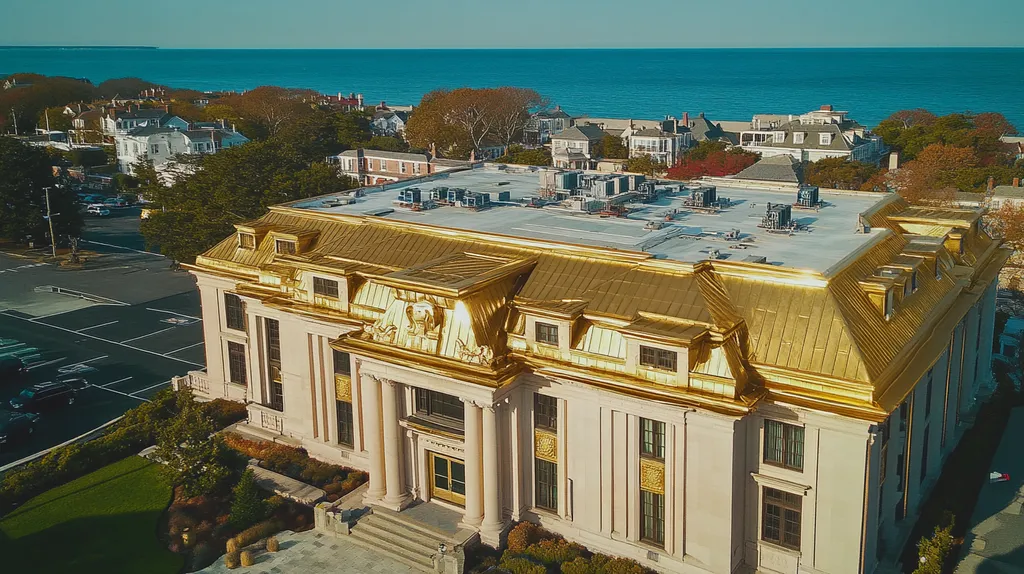
Every year, severe weather events cause billions in commercial roof damage, with the National Weather Service reporting a 47% increase in extreme storms over the past decade.
For property owners and facility managers, proper roof preparation isn’t just about maintenance – it’s about protecting valuable assets and ensuring business continuity.
From reinforcing membrane systems to implementing robust drainage solutions, understanding the essential steps in weather preparation can mean the difference between minor repairs and catastrophic failure.
This comprehensive guide examines critical aspects of roof preparation, providing actionable strategies to fortify commercial roofs against nature’s most challenging conditions.
SECTION 1: THE BASICS EXPLAINED
Severe weather can pose serious threats to commercial roofs, leading to extensive damage that results in hefty repairs and disruption of business operations. In fact, the National Oceanic and Atmospheric Administration (NOAA) reports that U.S. companies suffer billions in losses annually due to weather-related damage. Proper roof preparation is essential in safeguarding against these risks, ultimately protecting the building’s integrity and ensuring a safe environment for all occupants.
What It Is (In Plain Language)
Preparing a commercial roof for bad weather means taking proactive measures to strengthen the roof against harsh conditions. This involves essential tasks such as inspecting roofing materials, removing debris, and applying protective coatings.
In simple terms, it’s about preparing each part of the roof to endure heavy rain, strong winds, and heavy snow. By implementing preventive measures, property owners can significantly reduce their risk during stormy weather.
Common practices also include reinforcing seams and ensuring that proper drainage systems are functioning effectively. These steps help to prevent water pooling, which can lead to leaks and more serious structural issues.
Ultimately, roof preparation creates a robust defensive shield for the building, securing not just the property itself but also the safety of those who use it.
Why It Matters (To Your Building)
The urgency of preparing a roof for severe weather cannot be underestimated. A compromised roof opens the door to a host of problems such as leaks and mold growth, posing serious risks to the health and safety of occupants.
For instance, a single storm could devastate an unmaintained roof, leading to thousands of dollars in repair costs. Conversely, a well-prepared roof can stand up to tough conditions, saving on repair expenses and minimizing interruptions to business operations.
Additionally, keeping roofs well-maintained extends their lifespan, reducing the need for costly early replacements. This contributes to significant long-term savings for property owners.
Moreover, buildings with sturdy roofs attract high-quality tenants, enhancing property values. Therefore, investing in proactive roof preparation aligns with both financial goals and operational success.
How It Works
Effective roof preparation begins with a detailed inspection to uncover vulnerabilities. Inspectors examine for worn materials, loose flashings, and other signs of deterioration.
Once identified, property managers can promptly schedule necessary maintenance or repairs before severe weather strikes. Routine maintenance checks create a proactive strategy that reduces the likelihood of emergency repairs.
Applying specialized coatings can further bolster the roof’s resistance to weather elements. These coatings create protective layers that help deflect water and prevent damage.
Finally, ensuring that drainage systems are functioning properly prevents water buildup during storms. This proactive measure diminishes the risk of leaks and helps extend the lifespan of roofing materials.
SECTION 2: PRACTICAL APPLICATIONS
The stakes for commercial roof preparation have never been higher. Severe weather events, from hurricanes to intense snowstorms, are increasing in frequency and severity, leaving unprepared roofs exposed to critical damage. The National Oceanic and Atmospheric Administration reveals that severe weather incurs billions in annual property damage, much of which can be mitigated with proactive roof maintenance. Recognizing practical applications for roof preparation empowers property owners to protect their investments and minimize operational disruptions.
Common Uses & Examples
Effective roof preparation consists of straightforward practices that counter severe weather risks head-on. For instance, installing a resilient drainage system is vital to prevent water accumulation during heavy rain, effectively eliminating a significant risk factor. Additionally, applying reflective coatings serves a dual purpose by managing heat during extreme temperatures and reducing stress on roofing materials.
An equally crucial step is ensuring that all rooftop equipment is securely anchored. Loose items can become dangerous projectiles in high winds, increasing the risk of roof damage and jeopardizing safety. Using impact-resistant materials in high-risk areas adds an essential layer of protection against hail and flying debris.
Establishing regular inspection schedules helps identify vulnerabilities before they escalate into major issues. This proactive approach allows for timely repairs and upgrades, aligning maintenance efforts with seasonal weather changes.
By incorporating these common practices into routine maintenance plans, property owners can effectively fortify their roofs against the elements.
When You Need It Most
Timing plays a crucial role in preparing commercial roofs for severe weather. The onset of storm season, which typically occurs in spring and fall, is the optimal period for inspections and upgrades. Waiting until weather warnings are issued can drastically limit options for essential repairs and preparation.
Before winter arrives, property owners should conduct snow load calculations to confirm their roofs can handle the potential weight of accumulated snow and ice. Roofs that lack this capability may collapse, necessitating immediate and costly repairs.
In hurricane-prone regions, evaluations of roof materials and connections are paramount. Proactive upgrades during the dry months can bolster roofs to withstand intense winds and flying debris, mitigating long-term storm impacts.
By anticipating peak weather threats, property owners ensure their roofs are robust and ready when it matters most.
Interactions With Other Systems
Roof preparation is interconnected with other building systems, making a coordinated approach essential. For instance, the building’s HVAC system plays a significant role in roof longevity. Poorly maintained HVAC units can create leaks that degrade roofing materials over time.
Proper insulation is also vital; it manages temperature fluctuations that cause material expansion and contraction. Integrating roofs with the building envelope enhances overall energy efficiency and durability.
Additionally, effective gutter and drainage strategies must complement roofing systems. Clogged gutters can create water backup and lead to roof damage, undermining previous maintenance efforts. Routine gutter cleaning should be a priority.
Ultimately, successful roof preparation requires a holistic approach that recognizes all systems working together to defend against severe weather impacts.
SECTION 3: KEY TERMINOLOGY DECODED
Understanding roofing terminology is essential for property owners and managers gearing up for severe weather. Misinterpretations can lead to inadequate preparations, exposing buildings to costly damage. A lack of clarity on terms related to roofing materials, measurements, and industry regulations can put properties at serious risk. This section aims to demystify essential terminology, empowering informed decisions in roof preparation.
Essential Terms Explained
Key roofing terms such as “membrane” and “flashing” are fundamental to understanding roof protection. A membrane acts as a waterproof barrier, crucial for preventing leaks, while flashing is used at joints and edges to divert water away from vulnerable areas.
It’s also vital to recognize the variety of membranes available, each designed to withstand different weather challenges. For example, EPDM rubber membranes excel in resisting UV rays, whereas TPO membranes are celebrated for their energy efficiency. Knowing these differences can significantly impact material selection for tough environmental conditions.
The term “drainage system” encompasses the components that manage rainwater flow on roofs. Effective drainage prevents water pooling, a common culprit behind leaks and structural damage.
Grasping these foundational terms equips property owners to make better choices when preparing for extreme weather.
Industry Jargon Translated
The roofing industry is rich with jargon that can often be puzzling. For instance, “pitch” refers to the roof’s slope angle, directly influencing water drainage and snow accumulation. A steeper pitch facilitates quicker runoff, greatly reducing the risk of leaks.
Another crucial term, “R-value,” measures a material’s thermal resistance. A higher R-value means better insulation, resulting in improved energy efficiency that directly lowers heating costs. Understanding R-values can guide property managers in making smarter insulation decisions.
By decoding this industry jargon, property owners can communicate more effectively with roofing professionals, leading to informed preparations for weather challenges.
Measurement & Units Simplified
In roofing, understanding measurements and units is critical yet often confusing. Roof size is typically conveyed in square footage, crucial for estimating materials—roofs are measured in squares, with one square equating to 100 square feet.
The term “mil” is equally significant when discussing membrane thickness. A mil equals one-thousandth of an inch, and the thickness directly correlates with the membrane’s durability. Generally, thicker membranes offer better protection against severe weather.
Another important metric is the “wind uplift rating,” which quantifies a roof’s ability to resist wind forces. Roofs with higher ratings are less likely to sustain damage during storms, making this a vital concept for severe weather preparedness.
By simplifying these measurements and units, property owners can make informed assessments of roofing options, ensuring effective strategy against extreme weather conditions.
SECTION 4: DECISION FACTORS
Preparing a commercial roof for severe weather is not merely a strategic choice; it’s an essential action that can prevent disastrous outcomes and hefty repair costs. With the National Oceanic and Atmospheric Administration (NOAA) reporting a 100% increase in severe weather events over the past few decades, property owners and facility managers must thoughtfully consider critical decision factors. These include cost, performance trade-offs, and roof lifespan, all of which are vital in ensuring that roofing systems are equipped to withstand nature’s wrath.
Cost Considerations
Budgetary limitations often influence roof preparation decisions, but chasing low initial costs can invite bigger challenges down the road. While cheaper materials may seem attractive at first glance, they often lack the necessary durability for severe weather. Investing in high-quality materials may require more upfront capital but pays dividends in repairs saved in the future.
For example, roofs constructed with durable membranes can endure heavy winds and hail, significantly reducing the risk of expensive leaks. Additionally, considering the long-term savings linked to energy efficiency improvements can further justify the investment. A well-made roof not only protects the property but also lowers utility costs over time, contributing to a holistic understanding of financial implications.
Furthermore, property owners should factor in potential downtime costs when analyzing their budgets. A roofing failure during a storm can disrupt business operations and result in significant revenue losses. Therefore, judicious spending on roof preparation enhances the structural integrity of the building while also supporting ongoing business performance.
Performance Trade-offs
When preparing roofs for severe weather, it’s crucial to assess performance trade-offs carefully. Choosing materials that provide better protection may influence other characteristics, such as insulation capabilities or overall weight. For instance, while heavier materials can enhance durability, they might necessitate additional structural reinforcement to support them.
Trade-offs also extend into design choices. A sloped roof may facilitate superior drainage during heavy rain, but it may not align with the aesthetic goals of all properties. Each decision must align with the needs of the structure and the long-term vision for the facility. Facility managers must skillfully balance performance with aesthetic considerations and structural requirements.
Regular maintenance is another vital aspect that directly impacts performance. Without routine inspections and timely repairs, even the most well-prepared roofs can quickly deteriorate. Understanding these performance trade-offs helps property owners strike the right balance between immediate needs and future weather challenges.
Lifespan & Durability Factors
The lifespan of a commercial roof is heavily influenced by the quality of materials and the practices employed during installation. A resilient roof system can minimize the frequency of replacements and repairs due to weather-related damage, thus decreasing lifecycle costs significantly. Property owners should consult roofing professionals to choose the best materials tailored for their specific climate challenges and facility requirements.
Opting for roofing systems with warranties offers an added layer of assurance, ensuring protection during adverse weather. However, it’s imperative to fully understand warranty specifics, as not all policies cover weather-related damage. Clarity on coverage can help property owners avoid surprises down the line.
Ultimately, investing in durable roofing solutions serves to achieve long-term performance goals. Weather-resistant roofs protect not just the structure itself but also safeguard the investments made by companies. By carefully evaluating lifespan and durability, property owners can defend their properties against unpredictable weather events, creating a resilient foundation for their businesses.
SECTION 5: COMMON CHALLENGES
Severe weather events can severely impact commercial roofs, often resulting in expensive repairs and critical safety hazards. With storms becoming more frequent and intense, property owners must be vigilant in recognizing common roofing challenges to avert devastating consequences. Frequent issues such as leaks, ponding water, and structural damage can surface without proper forethought and preparation. This section highlights these challenges, points out their warning signs, and discusses effective preventative measures to protect roofs against bad weather.
Frequent Problems & Solutions
Commercial roofs encounter a range of challenges, particularly during severe weather. Leaks can develop from worn-out flashing or damaged seams, which underscores the importance of regular inspections. These proactive checks can uncover vulnerabilities early before they escalate into significant problems, saving both time and money.
Ponding water, often caused by inadequate drainage systems, presents another common dilemma. When a roof lacks proper slope, water can accumulate and deteriorate the membrane over time. To combat this, property owners should prioritize installing effective drainage and routinely clearing any debris.
Additionally, high winds can act like a double-edged sword, lifting or tearing roofing materials. This compromises the overall integrity of the roof. Reinforcing edges and securing loose materials are critical steps to mitigate this issue. Being informed about the vulnerabilities specific to their roofing type enables property owners to tackle these challenges proactively.
Warning Signs To Watch For
Catching warning signs early is key to preventing extensive damage to commercial roofs. For example, dark stains or excessive moisture inside the building often point to underlying leaks. Property managers should act quickly when they notice these issues to minimize the risk of mold growth and substantial repair costs.
Visible sagging in roof surfaces is another red flag, signaling potential ponding water or structural strain. This issue requires immediate attention, as delaying repairs could lead to a catastrophic roof failure. Conducting regular visual inspections after heavy rains can aid in spotting these growing concerns.
Cracks or blisters on the roof membrane are indicators of material deterioration. These problems can worsen rapidly, leading to leaks and costly replacements. Keeping a vigilant eye on these signs allows property owners to act before the situation escalates.
Preventative Approaches
Implementing preventative measures is essential for extending the lifespan of a commercial roof. Regular maintenance schedules should incorporate inspections and cleaning to address any small issues before they balloon into major repairs. This proactive strategy helps ensure that roofs can withstand inclement weather.
Investing in high-quality roofing materials engineered to endure severe conditions pays off in the long haul. For example, energy-efficient, durable membranes offer significantly better weather resistance than lower-cost alternatives. Selecting materials that are well-suited for local weather conditions is paramount.
Training facility staff to identify warning signs and participate in routine maintenance can further strengthen roof resilience. A knowledgeable team can respond swiftly to minor issues, ensuring the roof remains in optimal condition and significantly minimizing the risk of severe weather-related damage.
SECTION 6: NEXT STEPS & RESOURCES
With severe weather becoming increasingly unpredictable, preparation is no longer optional—it’s a necessity. Many roofing failures, as highlighted by the National Roofing Contractors Association, are linked to inadequate upkeep or lack of preparation. To effectively shield your commercial roofs from the elements, property owners and facility managers must be proactive. This section unfolds essential next steps, key questions to ask service providers, adherence to industry standards, and pathways for further learning.
Questions To Ask Providers
When selecting a roofing contractor, the questions posed can significantly enhance your roof’s resilience against severe weather. Start by inquiring about their experience in weatherproofing and whether they adhere to local building codes. Understanding their maintenance protocols and warranty offerings can provide insights into their commitment to quality workmanship.
Seek examples of previous projects that mirror your needs, specifically focusing on their methods for preparing roofs against severe weather conditions. Additionally, request testimonials from other property managers to evaluate their reliability. Discussing the use of high-grade materials is equally vital, as this choice directly impacts long-term performance.
Don’t shy away from questioning their emergency response protocols during unforeseen weather events. Knowing their strategies for urgent repairs can prove invaluable when storms strike. Lastly, ensure they provide a transparent timeline and detailed costs to prevent unexpected expenses.
Incorporating these inquiries into your standard evaluations of service providers will significantly aid in making well-informed decisions, positioning you to proactively protect your property.
Industry Standards & Guidelines
Becoming acquainted with industry standards is essential for selecting a trustworthy roofing partner. Organizations like the American Society for Testing and Materials (ASTM) and the National Roofing Contractors Association (NRCA) establish guidelines for roofing materials and installation practices. Adhering to these standards bolsters your roof’s ability to withstand extreme weather conditions.
Specific guidelines are laid out to define the minimum material and installation requirements for storm resilience. For instance, ASTM specifies testing methods that assess roofing products’ resistance to wind uplift, while crucial bonding techniques, insulation practices, and drainage designs are detailed in these standards.
It’s imperative to stay updated on any changes within these standards to maintain compliance and optimize your roofing systems. Regularly consult resources and guidelines from these organizations. Engaging with the latest research can yield actionable insights for potential upgrades and retrofits.
Lastly, collaborating with contractors who prioritize adherence to these standards is vital to prevent potentially catastrophic results. Understanding these guidelines empowers property managers to enhance their roofs’ resilience effectively.
Further Learning Simplified
Online platforms, such as the National Roofing Contractors Association’s website, provide a wealth of information, including articles, case studies, and research papers. These resources clarify complex topics, making it accessible for those without extensive expertise.
Joining industry groups or forums can foster valuable connections with other professionals. Engaging with peers enables the sharing of insights and solutions to common challenges. In addition, many local governmental organizations offer training focused on commercial building regulations related to roofing.
Dedicating time to furthering your education ensures you stay ahead of industry developments. Knowledge empowers property owners and managers to adopt best practices and mitigate risks effectively.
The Bottom Line
With weather-related roof damage increasing by 47% in the past decade, the stakes for proper preparation have never been higher.
Commercial property owners who implement comprehensive roof preparation strategies can expect to save 60-80% on emergency repairs while significantly extending their roof’s lifespan.
The key elements – from reinforced membranes to robust drainage systems – work together to create a defensive shield against nature’s most challenging conditions.
By following industry standards, maintaining regular inspections, and partnering with qualified contractors, facility managers can effectively protect their valuable assets from severe weather events.
The time to strengthen commercial roofs is now, before the next major storm arrives.
FREQUENTLY ASKED QUESTIONS
Q. What does preparing a commercial roof for bad weather involve?
A. Preparing a commercial roof includes inspecting materials, removing debris, and applying protective coatings. This proactive approach strengthens the roof against heavy rains, strong winds, and snow, ensuring safety and longevity. Common tasks like reinforcing seams and checking drainage systems are also critical for effective preparation.
Q. How can property owners apply roof preparation techniques?
A. Property owners can prevent damage by installing robust drainage systems and applying reflective coatings. It’s also essential to secure rooftop equipment to withstand high winds. Routine inspections help identify vulnerabilities early, enabling timely maintenance before severe weather occurs.
Q. What key roofing terms should I understand for commercial roofs?
A. Familiarizing yourself with terms like “membrane” and “flashing” is crucial. Membranes serve as waterproof barriers, while flashing redirects water from vulnerable roofing areas. Recognizing their types helps ensure you choose the right materials for your climate challenges.
Q. What factors should I consider when preparing my commercial roof?
A. Key factors include cost, performance trade-offs, and lifespan of materials. While initial costs may attract you, investing in durable solutions pays off by reducing future repair needs. Trade-offs in performance must align with your building’s aesthetic and structural requirements for optimal protection.
Q. What common challenges do commercial roofs face during severe weather?
A. Common challenges include leaks, ponding water, and structural damage. Regular inspections help detect flashing wear and drainage issues early to avert costly repairs. High winds can also lift materials, so proper reinforcement is vital. Knowing these risks keeps your roof resilient.
Q. What are the next steps for improving my roof’s weather resistance?
A. Start by asking roofing providers about their experience and adherence to industry standards. Understand the materials they use and their maintenance protocols. Ongoing education and workshops can also enhance your knowledge on effective weatherproofing techniques and help protect your investment.
Q. How can I choose the right contractor for my industrial roof?
A. When selecting a contractor, check their experience with severe weather preparations and request references. Discuss their warranties and emergency response strategies. Ensure they follow industry standards and regulations to minimize risks associated with roofing failures during extreme weather events.






