

With energy costs soaring by up to 30% annually, commercial property owners can no longer afford inefficient roofing systems that waste cooling resources and inflate operating expenses.
Reflective commercial roofs represent a proven solution, delivering average energy savings of 15-25% while extending roof lifespans by up to 10 years.
This comprehensive guide breaks down the essential components of reflective roofing systems, from material selection to installation best practices, empowering property managers to maximize both energy efficiency and return on investment.
SECTION 1: THE BASICS EXPLAINED
As energy costs continue to rise and climate concerns escalate, commercial property owners must tackle the dual challenge of conserving resources while minimizing expenses. Reflective roofs present an innovative solution that reflects sunlight and absorbs significantly less heat. These roofs not only boost energy efficiency but can also extend the lifespan of your building’s top layer. A solid grasp of reflective roofing fundamentals is vital for making savvy choices that benefit both your finances and the environment.
What It Is (In Plain Language)
Reflective roofs are specially designed roofing systems that reflect sunlight instead of absorbing it. This is accomplished by using advanced coatings and materials with high solar reflectance. There are various types of reflective roofs available, including single-ply membranes, coatings, and tiles.
Property owners often select reflective roofs to maintain a cooler indoor environment during sweltering weather, enhancing comfort without over-relying on air conditioning.
Additionally, these roofs play a crucial role in combating the “urban heat island” effect, where city areas tend to be hotter than nearby rural regions. By minimizing heat absorption, reflective roofs can significantly lessen this phenomenon.
Ultimately, choosing to install a reflective roof is a smart strategy for improving energy efficiency while promoting eco-friendly building practices.
Why It Matters (To Your Building)
The advantages of a reflective roof extend far beyond visual appeal. They directly translate into enhanced operational efficiency and substantial cost savings. For example, these roofs can reduce air conditioning bills by up to 30%.
Moreover, a cooler roof can prolong the lifespan of roofing materials. By mitigating thermal stress, reflective roofs decrease the likelihood of cracks and leaks, sparing property owners the expense of premature repairs.
In many regions, opting for energy-efficient roofing can yield financial incentives or tax benefits, further motivating property owners to consider reflective solutions.
In summary, reflective roofs not only drive long-term savings and increased property value but also support essential environmental efforts.
How It Works
Reflective roofs function on a straightforward principle: they send solar radiation back into the atmosphere rather than allowing it to heat the building. This is achieved through a mix of materials and coatings specifically designed for high reflectivity.
The underlying science revolves around two key metrics: solar reflectance and thermal emittance. Higher reflectance means less heat absorbed, while greater emittance enables faster heat release during cooler nighttime temperatures.
Innovative solutions like cool roof coatings are enhancing the effectiveness of reflective roofs. These coatings can be applied to existing roof systems, significantly boosting energy efficiency without the need for costly replacements.
Ultimately, the successful performance of a reflective roof plays a critical role in fostering a more sustainable built environment by reducing energy consumption and lowering greenhouse gas emissions.
SECTION 2: PRACTICAL APPLICATIONS
Grasping the practical applications of reflective roofs is crucial for turning energy savings into real results for commercial buildings. As energy costs continue to climb, having an inefficient roof can drain resources significantly. Reflective roofs can reduce energy consumption by as much as 30%, leading to considerable long-term savings. This section explores common uses, optimal scenarios for installation, and how reflective roofs work seamlessly with other building systems.
Common Uses & Examples
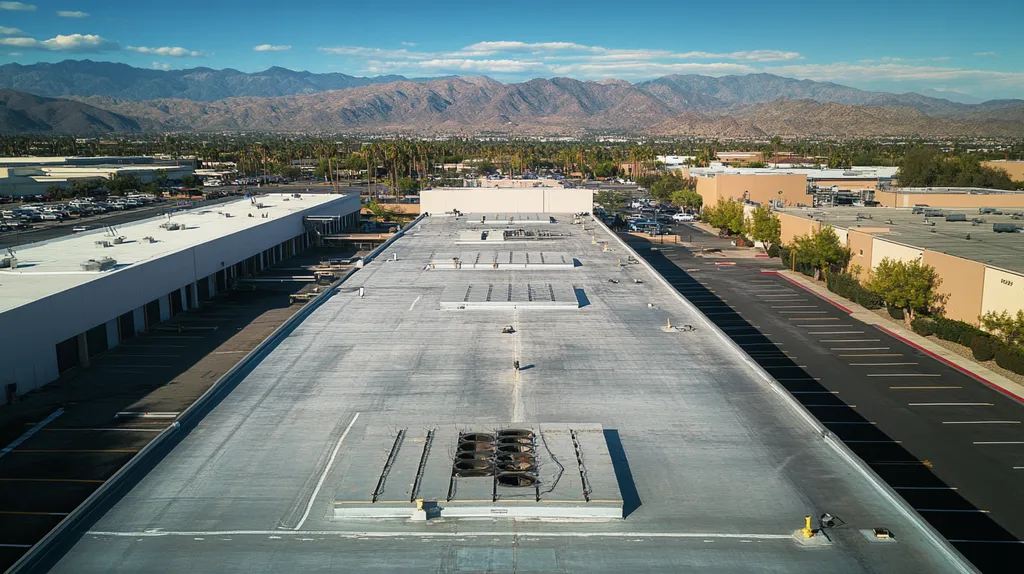
Reflective roofs are indispensable in urban landscapes, where they help mitigate the heat island effect and curb excessive energy use. Many retail spaces and warehouses are turning to cool roofing technologies to tackle rising cooling demands. For instance, a large distribution center in a hot region achieved an astonishing $50,000 in annual cooling cost savings by opting for a reflective roofing system.
Additionally, reflective membranes are ideal for flat and low-slope roofs, typically found in industrial facilities. By reducing thermal expansion and contraction, these applications not only enhance energy efficiency but also extend roof lifespan. Municipalities benefit as well, leveraging reflective roofs for greener building certifications that enhance community sustainability.
Reflective roofs are integral to energy-conscious design strategies. Facilities managers can incorporate these roofs when launching new constructions or retrofitting older buildings. Integrating reflective surfaces not only fulfills energy standards but also solidifies an eco-friendly reputation in a highly competitive market.
The diverse applications of reflective roofs highlight their essential role in today’s commercial roofing solutions, driving energy efficiency across various industries.
When You Need It Most
The optimal time to install reflective roofs is during peak summer months. Traditional roofing systems can absorb heat, resulting in escalated cooling needs. Reflective roofs tackle these challenges head-on, generating significant energy savings on scorching days.
In addition, buildings situated in regions with high solar exposure should seriously consider reflective roofs. A study conducted in California found that reflective roofing can reduce rooftop temperatures by up to 30 degrees Fahrenheit, translating to notable energy cost reductions. In climates like these, adopting reflective roofing isn’t just advantageous—it’s essential.
Moreover, when local regulations push for enhanced energy efficiency, reflective roofs become vital for compliance. Stricter codes favoring eco-friendly building materials are emerging in many regions. Thus, commercial property owners must take a proactive approach towards their roofing selections to keep pace with evolving standards.
The case for reflective roofs is clear, especially when contemplating the long-term savings and environmental benefits. Making timely decisions in favor of reflective systems guarantees immediate and enduring advantages.
Interactions With Other Systems
Reflective roofs work closely with other essential building systems, particularly HVAC and insulation. By slashing the heat load on HVAC units, these roofs significantly boost overall energy efficiency. This collaboration results in better performance and enhanced longevity for cooling equipment.
For optimal results, pairing reflective roofs with high-quality insulation is crucial. The synergy of reflective surfaces and effective insulation minimizes heat transfer, helping maintain steady internal temperatures. This combination not only fosters a more efficient indoor environment but also contributes to lower energy expenses.
Choosing compatible materials for drainage systems is another vital consideration. Reflective roofs typically require specific roofing membranes that align with existing water drainage setups. If not managed correctly, mismatches can lead to water pooling and subsequent roof damage, undermining energy savings.
These interactions highlight the importance of a comprehensive strategy when integrating reflective roofs. Understanding how they function alongside other building systems empowers commercial property owners to maximize benefits while mitigating potential issues.
SECTION 3: KEY TERMINOLOGY DECODED
In the world of commercial roofing, understanding specific terminology is critical. Misunderstandings can lead to poor decisions that cost money and waste energy. For example, the U.S. Department of Energy has found that reflective roofs can cut cooling costs by up to 30%. Grasping key terms will empower property owners and facility managers to make informed choices, ensuring both financial and energy efficiency.
Essential Terms Explained
“Solar reflectance” gauges how effectively a roof reflects sunlight. A higher solar reflectance means reduced heat absorption, leading to cooler building interiors. For instance, a solar reflectance value of 0.7 indicates that 70% of sunlight is reflected away.
“Thermal emittance” refers to how quickly a material can release absorbed heat. A higher thermal emittance is beneficial because it enables roofs to cool down rapidly, lessening the load on air conditioning systems. For example, a roof with a thermal emittance of 0.9 emits 90% of the heat it absorbs.
The term “cool roof” describes roofing materials specifically engineered for maximum solar reflectance and thermal emittance. These roofs help keep indoor temperatures lower and reduce energy costs. Opting for cool roofing materials is crucial for achieving top-tier energy efficiency.
The “urban heat island effect” occurs when city areas are hotter than surrounding rural zones. Reflective roofs can help counteract this phenomenon, bouncing solar energy back into the atmosphere which results in cooler cities and reduced energy consumption.
Industry Jargon Translated
“R-value” measures how well a material resists heat flow. A higher R-value represents better insulation capabilities, which contribute to maintaining desired indoor temperatures. Property owners should prioritize roofs with high R-values to maximize energy efficiency.
“SRI” stands for Solar Reflectance Index, which combines both solar reflectance and thermal emittance into one value. This index is valuable for assessing a roof’s overall ability to reflect solar heat. A higher SRI translates to better energy performance for reflective roofs.
“Fluid-applied roofing” is a method that involves applying a reflective coating that adapts to diverse surfaces. This technique enhances performance and simplifies installation on existing roofs, thus prolonging roof lifespan and improving efficiency.
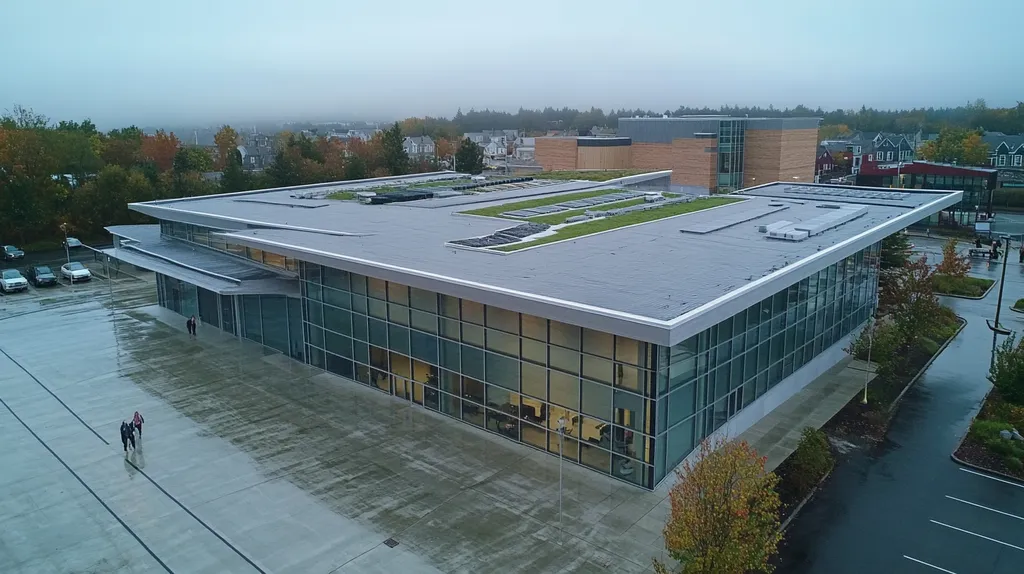
“Green roofing” features vegetation planted on roofs, offering benefits such as insulation and heightened energy performance. Although not entirely reflective, green roofs can complement reflective roofing systems to help lower overall building temperatures.
Measurement & Units Simplified
Measurements are key to understanding a roof’s efficiency. Solar reflectance is generally expressed as a decimal between 0 and 1. For example, a roof with a reflectance of 0.9 reflects 90% of solar energy.
Likewise, thermal emittance is measured on a scale from 0 to 1. Closer values to 1 indicate that a material is more effective at releasing heat.
As for R-values, these are measured in thermal resistance. Typical insulation levels for reflective roofing range from R-10 to R-30, significantly impacting a building’s energy efficiency.
Familiarity with these units allows property owners and facility managers to make decisions that balance performance with cost-effectiveness, ultimately leading to sustained energy savings.
SECTION 4: DECISION FACTORS
Choosing the right reflective roof is a pivotal decision for property owners and facility managers, with implications that extend far into the future. As energy prices soar, embracing reflective roofing solutions can lead to significant cost reductions and improved indoor comfort. However, to truly realize these benefits, it’s essential to carefully navigate the interplay of cost, performance, and durability. This section illuminates the key decision factors that will define the success of a reflective roofing project.
Cost Considerations
Cost undeniably plays a central role in roofing decisions. Reflective roofs often come with a higher initial investment compared to traditional materials, prompting some owners to hesitate. Yet, the long-term savings on cooling expenses can be substantial, making them an astute financial choice.
In fact, reflective roofs can account for nearly 30% of a building’s energy costs. With strategic investments in reflective systems, property owners can slash their energy bills significantly, often recovering their initial outlay within just a few years. For example, reflective membranes can lead to peak cooling energy reductions between 10-30%.
Moreover, tax incentives or rebates for energy-efficient upgrades can enhance the appeal of reflective roofing even further. Conducting a thorough lifecycle cost analysis will help clarify the financial benefits that accumulate over time.
However, ongoing maintenance costs shouldn’t be ignored. Maintaining the efficiency of reflective roofs may require specialized cleaning or upkeep, contributing to overall expenses that should be factored into the decision-making process.
Performance Trade-offs
Understanding performance trade-offs is integral to evaluating reflective roofing options. While these roofs excel at reducing heat absorption, property managers must consider how various factors can influence overall effectiveness. For instance, different reflective materials come with varying thermal performance ratings.
The local climate is another crucial element to ponder; humidity levels can affect the longevity and effectiveness of reflective properties. For example, regions with high moisture may require specific materials that maintain their reflective qualities over time. Poor material choices can result in increased energy consumption and reduced comfort.
Additionally, while reflective roofs primarily decrease cooling costs, they can also impact heating needs during colder months. In frigid climates, unless designed carefully to balance temperature management, property owners may face higher heating expenditures.
Evaluating these trade-offs will empower property owners to select a roofing solution that addresses their specific performance needs while maximizing energy efficiency.
Lifespan & Durability Factors
The longevity and durability of a reflective roof are other critical decision factors that affect its long-term value. Many reflective roofing materials come with impressive lifespans, but evaluating their resistance to environmental factors like UV radiation and severe weather is essential.
Typically, reflective roofs come with warranties ranging from 10 to 30 years, depending on the material type and quality. However, it’s important to note that these warranties often cover only the material itself and may not account for installation quality, which is vital for optimal performance.
Choosing materials that withstand local weather conditions is equally crucial. For instance, in areas prone to hail, opting for a durable membrane can prevent costly repairs and interruptions in service.
Regular inspections and preventive maintenance are key practices for maximizing the lifespan of a reflective roof. These efforts help identify potential issues early, ultimately extending the roof’s effective lifespan while optimizing energy efficiency.
SECTION 5: COMMON CHALLENGES
Even with the numerous advantages of reflective roofs, property owners and facility managers must navigate a series of challenges that can hinder their effectiveness. Issues such as improper installation, lack of maintenance, and environmental damage can significantly diminish energy performance. In fact, the Cool Roof Rating Council indicates that roofs designed for reflectivity may suffer from up to a 15% decrease in energy efficiency when complications arise. Addressing these challenges promptly is crucial for sustaining energy savings and extending the roof’s lifespan.
Frequent Problems & Solutions
A prevalent issue with reflective roofs is the buildup of dirt and debris. Over time, this accumulation can impede the roof’s ability to reflect sunlight effectively, leading to higher energy costs. To combat this, facility managers should schedule regular cleanings—ideally twice a year—to restore optimal performance and prevent unnecessary expenses.
Additionally, weather extremes, such as hail or high winds, can cause punctures or tears in the reflective surface, permitting moisture to enter. Conducting thorough inspections after significant weather events is essential in identifying potential vulnerabilities. Timely repairs using compatible materials can help maintain the roof’s integrity and functionality.
Finally, improper installation techniques frequently result in leaks and energy inefficiencies. Hiring roofing contractors who specialize in reflective materials is vital to ensure proper installation practices are followed. Utilizing certified professionals can help guarantee adherence to manufacturer specifications and enhance overall performance.
Warning Signs To Watch For
Timely identification of warning signs can be instrumental in preserving the efficiency of a reflective roof. Stains or discoloration are often the first indicators that dirt, algae, or other contaminants may be impacting performance. Regular visual inspections can help catch these issues early, allowing for swift remediation.
Pooling water post-rainfall is another critical warning signal that suggests inadequate drainage and can lead to damaging ponding. Addressing drainage issues through proper management, such as installing efficient gutters or drains, is essential for safeguarding the roof’s longevity.
Furthermore, cracks or blisters forming in the roofing membrane serve as red flags that can jeopardize the reflective surface and invite moisture infiltration. Identifying such defects early enables targeted repairs that are often less costly than complete roof replacements.
Preventative Approaches
To maximize the lifespan and efficiency of reflective roofs, implementing a proactive maintenance plan is non-negotiable. Scheduled inspections, ideally twice a year, can help detect and resolve problems before they escalate. Maintaining a detailed log of maintenance activities aids in long-term planning and expense management.
Utilizing protective coatings can also rejuvenate the roof’s reflective qualities. These coatings not only restore lost reflectivity but also offer an additional shield against environmental stressors. Investing in high-quality sealants can significantly enhance the durability and lifespan of the roof.
Moreover, educating facility staff on basic maintenance practices is key. Trained employees can swiftly recognize warning signs and ensure that both aesthetic and functional benefits of the roof are upheld. Establishing a culture of proactive care among staff members fosters long-term roof performance and efficiency.
SECTION 6: NEXT STEPS & RESOURCES
As commercial property owners and facility managers delve into the world of reflective roofing, the decisions they make can have significant consequences. Implementing a reflective roof can slash energy costs by as much as 20% annually, while also enhancing occupant comfort. However, the complexities involved in this process demand careful consideration and informed choices. It is crucial to ask the right questions when engaging providers, familiarize oneself with industry standards, and utilize additional resources to truly maximize energy efficiency.
Questions To Ask Providers
When choosing a roofing provider, gathering relevant information is key. Start by inquiring about the specific reflective materials they recommend and their energy efficiency ratings. Understanding warranty options is also essential; a solid warranty can protect against unforeseen expenses. Additionally, discuss their installation methodologies, as poor installation can compromise the roof’s reflective effectiveness.
Requesting references or case studies from previous projects is wise as it highlights the provider’s experience and reliability. It’s also beneficial to discuss the environmental impact of their materials, such as if they are sustainable or contain recycled content, which supports green building certifications.
Furthermore, ensure that they offer ongoing maintenance services. Regular inspections and maintenance are vital for preventing degradation and maintaining energy efficiency. Exploring financing options that providers may have for reflective roof installations can also streamline budget considerations.
Finally, insist on a complete proposal that outlines all costs, timelines, and work processes. A transparent breakdown helps avoid unexpected expenses and ensures all parties are aligned on budget expectations.
Industry Standards & Guidelines
Understanding industry standards can significantly enhance roofing decision-making. The Cool Roof Rating Council (CRRC) offers credible ratings for roofing materials based on solar reflectance and thermal emittance. Selecting CRRC-rated materials enables property owners to meet energy efficiency standards confidently.
The American Society for Testing and Materials (ASTM) provides guidelines defining performance criteria for reflective roofs. Familiarizing oneself with these guidelines can clarify which properties are necessary for durability and effectiveness in various climates.
Additionally, local building codes often pertain to energy efficiency standards and may require specific reflective properties for roofing systems. Checking with local authorities ensures compliance and prevents costly penalties.
Engaging with organizations such as the U.S. Green Building Council can also provide valuable insights into best practices for green roofing systems. Such resources can connect property managers with industry specialists and leaders in reflective roofing.
Further Learning Simplified
Staying educated about reflective roofing technologies is vital for informed decision-making. Numerous online platforms offer webinars, courses, and instructional videos focused on reflective roofing. Industry associations frequently host events that explore energy efficiency measures, including innovative roofing solutions.
For visual learners, case studies and white papers illustrate the tangible benefits of reflective roofs. Tapping into industry publications or participating in local workshops can greatly enhance understanding and skills in energy-efficient roofing strategies.
Property owners are encouraged to subscribe to relevant online journals and industry newsletters that cover emerging trends in materials and technologies. Remaining informed of these trends supports proactive decision-making aligned with industry best practices.
Finally, collaboration with local universities or community colleges can provide access to research initiatives on energy efficiency. Such partnerships may foster innovation and yield new insights into maximizing the benefits of reflective commercial roofs.
The Bottom Line
With energy costs projected to rise 40% over the next decade, maximizing reflective roof efficiency isn’t just an option – it’s an economic imperative for commercial properties.
The data is compelling: buildings with properly maintained reflective roofs consistently achieve 15-25% reductions in cooling costs while extending roof lifespans by up to 10 years.
However, these benefits are only possible through informed material selection, professional installation, and rigorous maintenance protocols.
As environmental regulations tighten and energy prices climb, reflective roofing systems represent a proven strategy for controlling operating costs while supporting sustainability goals.
The future of commercial roofing is reflective – property owners who act now position themselves to capture maximum long-term value from this essential building technology.
FREQUENTLY ASKED QUESTIONS
Q. What is a commercial roof and why is it important?
A. A commercial roof is the top covering of a commercial building designed to protect against weather elements while ensuring energy efficiency. Understanding its characteristics helps owners maintain comfort and reduce operational costs.
Q. How do reflective roofs work in commercial buildings?
A. Reflective roofs utilize specialized materials that reflect sunlight instead of absorbing it. This not only keeps indoor spaces cooler but also reduces reliance on air conditioning, leading to lower energy consumption.
Q. What benefits do reflective roofs offer to industrial properties?
A. Reflective roofs can decrease energy usage by up to 30%, leading to substantial savings on utility costs. They also help mitigate the heat island effect, making industrial properties more environmentally friendly.
Q. What factors should owners consider when selecting a commercial roof?
A. Owners should consider cost, performance, durability, and local climate when choosing a roof. Each of these factors significantly impacts energy efficiency and long-term maintenance needs, ensuring an informed decision.
Q. What maintenance is needed for an industrial roof?
A. Regular inspections and cleanings are crucial for maintaining a roof’s efficiency. It’s important to check for dirt buildup, cracks, or leaks after severe weather events, preventing costly repairs and energy loss.
Q. How can I finance a reflective roof project?
A. Property owners can explore financing options through roofing providers, government grants, or energy efficiency loans. Tax incentives for energy-efficient upgrades can also help offset initial costs and encourage investment.
Q. What are some common challenges with reflective roofs?
A. Common challenges include dirt accumulation, improper installations, and environmental damage. These issues can reduce energy efficiency, highlighting the need for regular maintenance and professional installation to ensure optimal performance.






