

In an era of escalating energy costs, commercial property owners face a critical challenge: cooling expenses can consume up to 40% of a building’s total energy budget.
The solution lies overhead – implementing reflective roofing technologies can slash cooling costs by as much as 30% while extending HVAC system lifespans.
This comprehensive guide examines how roof reflectivity impacts energy efficiency, from fundamental concepts like Solar Reflective Index (SRI) to practical implementation strategies that maximize cost savings.
Property managers will discover the latest materials, maintenance requirements, and performance metrics needed to make informed decisions about this game-changing technology.
SECTION 1: FUNDAMENTAL CONCEPTS
In an age where energy costs are skyrocketing, the reflectivity of commercial roofs emerges as a pivotal element in managing operating expenses. A roof that can effectively reflect sunlight not only keeps indoor temperatures lower but also significantly slashes cooling costs. Research has shown that well-designed reflective roofs can reduce cooling energy consumption by as much as 30%. This section delves into fundamental concepts such as solar reflectance, thermal emittance, and the Solar Reflective Index (SRI), all of which directly influence energy demand and expenses.
Solar Reflectance and Thermal Emittance
Solar reflectance gauges how well a roof can bounce solar energy away from the building. A higher solar reflectance value indicates that more sunlight is reflected, leading to cooler roof surfaces. This is vital for preventing excessive heat from penetrating the building, which in turn enhances overall energy efficiency.
Conversely, thermal emittance measures a roof’s capability to discharge absorbed heat back into the atmosphere. Roofs with high thermal emittance cool down rapidly after sunset, thereby decreasing the energy needed for nighttime cooling. Ideally, roofing systems should combine both high solar reflectance and thermal emittance for optimal performance.
For example, a roof that reflects 70% of solar energy while maintaining high thermal emittance can achieve comfortable indoor temperatures with minimal energy consumption. This combination is particularly crucial for energy efficiency in warmer climates.
Understanding solar reflectance and thermal emittance is essential for property owners looking to optimize their roofs for energy savings. Familiarity with these metrics helps guide the selection of roofing materials and systems that best fit their facilities.
Solar Reflective Index (SRI) Explained
The Solar Reflective Index (SRI) is a comprehensive metric that merges solar reflectance and thermal emittance into a single, assessable value. It is indispensable for measuring the overall performance of roofing materials in terms of heat management. SRI values span from 0 to 100, with higher numbers representing superior performance.
For instance, a roof with an SRI of 90 dramatically outperforms one rated at 30. This difference can lead to substantial energy savings, as a higher SRI indicates less heat absorption and cooler indoor environments.
Many local building codes and efficiency programs advocate for materials with elevated SRI values. This trend prompts manufacturers to develop more effective reflective roofing solutions, driving positive innovations across the industry.
Grasping the concept of SRI is key for property owners and facility managers seeking to make informed, energy-efficient roofing choices that will sustainably reduce energy demands.
Impact on Energy Demand and Costs
The influence of roof reflectivity on overall energy demand is significant. With the trend of rising temperatures, buildings without reflective roofs often face steep increases in cooling costs. In contrast, reflective roofs help maintain cooler indoor climates, which leads to lower energy consumption.
Research indicates that a properly installed reflective roof can reduce a facility’s annual cooling expenses by as much as 30%. This translates into substantial cost savings, making reflectivity a critical factor in selecting roofing systems.
In addition to lowering energy consumption, buildings equipped with high-reflectivity roofs help mitigate urban heat islands. This is essential for cities grappling with extreme heat, as it can ease the overall cooling needs in a community.
By investing in reflective roofing materials, property owners can dramatically boost their energy efficiency. The initial cost of installing high-reflectivity roofs pays off through reduced operational expenses and greater contributions to sustainability efforts.
SECTION 2: SYSTEM COMPONENTS
The selection of roofing materials and systems is crucial for enhancing a property’s energy efficiency, especially in regions experiencing high temperatures. Reflective roofing materials can trim cooling costs by as much as 30%, underscoring the importance for property owners to be well-informed about their choices. Opting for the right materials and coatings not only boosts reflectivity but also prolongs the roof’s lifespan. This section explores the different types of reflective materials, coating technologies, and key compatibility considerations essential for maximizing energy savings.
Types of Reflective Roofing Materials
Reflective roofing materials are available in several forms, such as white membranes, metal roofs, and reflective shingles. Each option offers unique advantages for energy savings. For example, white TPO or PVC membranes are particularly efficient due to their high reflectivity and energy conservation properties. Metal roofs can similarly reflect sunlight effectively, minimizing heat absorption and helping to maintain cooler indoor temperatures.
Additionally, green or living roofs offer an alternative solution. While they are not entirely reflective, the vegetation can reduce roof surface temperatures and enhance overall energy performance, especially in urban settings. Familiarity with these roofing types is essential for making informed decisions that lead to both cost savings and improved HVAC efficiency.
Property owners should assess their roofing needs in light of climate conditions, budget considerations, and architectural style. Adequate installation is vital to ensuring that these materials fulfill their energy-saving promises. Aligning roofing selections with broader energy strategies will enhance performance and maximize cost efficiency.
Coating Technologies: Acrylic, Silicone, Polyurethane
Roof coatings are integral to enhancing a roof’s reflectivity. Acrylic coatings are water-based and provide excellent resistance to UV rays, making them suitable for a range of climates. They dry quickly and are straightforward to apply and maintain. In contrast, silicone coatings offer superior waterproofing abilities, especially effective on flat or low-sloped roofs, as they resist degradation even when exposed to standing water.
Polyurethane coatings are known for their remarkable durability and resilience against harsh weather conditions. They offer robust protection against wear and chemical exposure. Each type of coating has its own strengths and weaknesses, with the best choice depending on specific project requirements and environmental factors.
Selecting the right coating technology can not only extend the lifespan of the roof but also enhance energy efficiency. While initial costs may vary, the long-term reduction in cooling expenses often justifies the investment. A clear understanding of these options empowers property owners to make informed decisions about roof preservation and operational efficiency.
Roof Membrane and Coating Compatibility
Ensuring compatibility between the roof membrane and coating is paramount for achieving optimal results. Not all coatings adhere effectively to every membrane type, which can lead to premature failures and increased costs. For instance, silicone coatings often require special primers when applied over certain substrates, while acrylic coatings tend to be more versatile across various materials.
Property owners should refer to manufacturers’ technical data sheets to confirm proper compatibility. Mismatched materials can not only void warranties but can also incur significant repair and replacement costs. Prioritizing compatibility from the start can lead to significant time and cost savings in the future.
Additionally, regular roof maintenance should take this compatibility into account. Routine inspections can help identify potential issues early, allowing for timely interventions that extend the roof’s life and maintain its energy efficiency. Focusing on these compatibility factors will enhance the reliability and performance of reflective roofing systems.
SECTION 3: IMPLEMENTATION METHODS
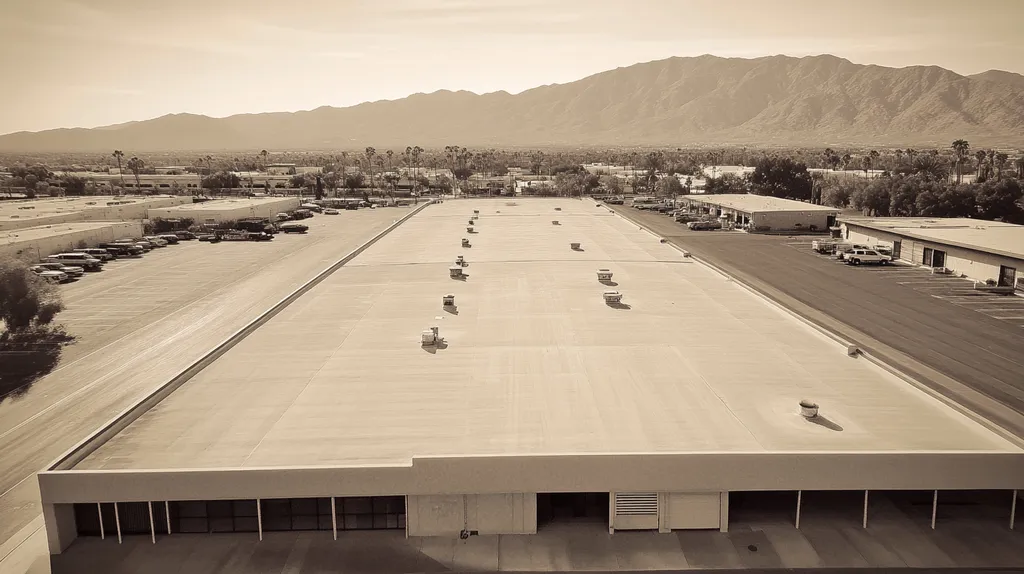
With rising energy costs and the pressing need for sustainable solutions, investing in reflective roofing systems has never been more critical. Research indicates that these cool roofs can reduce cooling energy needs by up to 30%, a game-changing benefit for property owners. Effective implementation of roof reflectivity is essential to unlocking these savings. This section will discuss crucial methods such as pre-installation inspections, application techniques, and the importance of ensuring quality coverage.
Pre-Installation Roof Inspection and Preparation
Conducting a thorough roof inspection is the foundational step for successful implementation. Assessing the current roof condition helps facility managers pinpoint any issues that may affect reflectivity. Existing damage, debris, or poor drainage can hinder the performance of the reflective coatings that are soon to be applied.
Preparation also entails cleaning the roof surface to eliminate dust, dirt, and contaminants. A clear and well-prepped surface ensures that reflective materials adhere properly and function efficiently. Furthermore, it’s essential to check weather conditions before application to prevent complications.
If repairs are necessary, addressing them beforehand is crucial. Ensuring a sound base will enhance the longevity and effectiveness of the new reflective roofing system. By meticulously inspecting and preparing, property owners can fully leverage the benefits of increased reflectivity.
Application Techniques for Reflective Coatings
The method used for applying reflective coatings can significantly affect their performance. Property owners should evaluate options like spray, roller, or brush techniques based on the roof surface. Each method offers distinct advantages, but achieving uniform coverage is critical for maximizing effectiveness.
For larger flat roofs, spray application is often the fastest way to achieve even coverage. This technique allows for a quick and uniform distribution of the reflective coating across expansive areas. Meanwhile, roller applications can provide better control and precision in smaller or more complex spaces.
It’s essential to follow the manufacturer’s guidelines regarding the number of coats and recommended drying times. Adhering to these instructions will ensure the coating reaches its full reflective potential. A careful application process will lead to lasting energy savings and improved building performance.
Ensuring Uniform Coverage and Quality
Uniform coverage is crucial in optimizing the benefits of reflective roofing. Inconsistent application can lead to increased heat absorption and decreased energy efficiency. Property managers should be vigilant during the application process to maintain high quality standards throughout.
By conducting regular checks, discrepancies in coverage can be identified and corrected immediately. This proactive approach ensures that the reflective coating enhances energy efficiency and improves the roof’s lifespan.
Once the application is complete, a final inspection allows property owners to assess coating uniformity and durability. This last step is essential for confirming that the roof can withstand heat challenges effectively. Consistent quality checks during the entire implementation process will guarantee that the roof performs to its highest reflective capability.
SECTION 4: MAINTENANCE REQUIREMENTS
Neglecting proper maintenance of reflective commercial roofs can lead not only to reduced energy efficiency but also to significantly higher cooling costs. Research indicates that unkempt roofs can lose as much as 50% of their reflectivity within just five years. Regular maintenance is essential to preserving reflectivity, which directly affects cooling expenses and overall indoor comfort. This section will outline the critical steps for conducting regular inspections, establishing cleaning routines, and implementing protective measures against environmental factors.
Regular Inspection and Repair Needs
Consistent inspections are crucial for maintaining the performance of reflective roofing. Property owners should plan for inspections at least twice a year, ideally during the spring and fall. During these inspections, look for signs of damage, wear, or areas where reflectivity might be compromised.
Checking for cracks, blisters, and punctures is essential for averting bigger issues down the road. Addressing repairs promptly, even for small problems, helps ensure the roof’s structural integrity remains intact while maximizing its reflective capabilities.
Hiring professionals who specialize in reflective roofs can provide a more thorough assessment and effective repair methods. A proactive maintenance strategy is key to long-term savings.
Documenting inspections and repairs creates a clear maintenance history. This record is valuable not only for identifying patterns or recurring issues but also when negotiating with insurers or during future property sales.
Cleaning and Reapplication Schedules
Keeping reflective roofs clean is essential to maintaining their energy-saving potential. Dirt, algae, and debris can quickly undermine a roof’s reflectivity. Establishing a regular cleaning schedule, ideally every 6 to 12 months depending on local conditions, is vital for sustaining performance.
Using non-abrasive cleaning materials and appropriate solutions is critical since harsh chemicals can damage reflective coatings. Engaging a professional cleaning service experienced with commercial roofs often results in the safest and most effective outcomes.
Moreover, reapplying reflective coatings may be required every 5 to 10 years, influenced by wear and environmental factors. This practice ensures the roof continues to effectively reflect sunlight, significantly easing the workload on HVAC systems.
As with inspections, maintaining detailed records of cleaning and reapplication ensures a reliable maintenance routine, contributing to an extended roof lifespan and reduced energy costs.
Protecting Against Environmental Factors
Environmental factors can greatly threaten the efficacy of reflective roofs. UV rays, heavy rain, and extreme temperature changes can accelerate material deterioration. Property owners need to be aware of these risks and employ preventive measures to protect their roofs.
Installing edge guards and ensuring proper drainage helps mitigate water damage during heavy rainfall. Additionally, maintaining clear airflow around the building can reduce temperature buildup, enhancing overall roof performance.
Routine tree trimming can prevent debris accumulation and shading that can impair reflectivity. A well-kept landscape contributes significantly to the longevity of the roofing system.
Finally, considering climate-specific solutions is critical. In regions with high UV exposure, UV-resistant coatings can be invaluable, while moisture-resistant materials are crucial in areas with heavy rainfall. By selecting appropriate materials and planning maintenance strategies tailored to environmental conditions, property owners can optimize roof performance and energy efficiency.
SECTION 5: PERFORMANCE METRICS
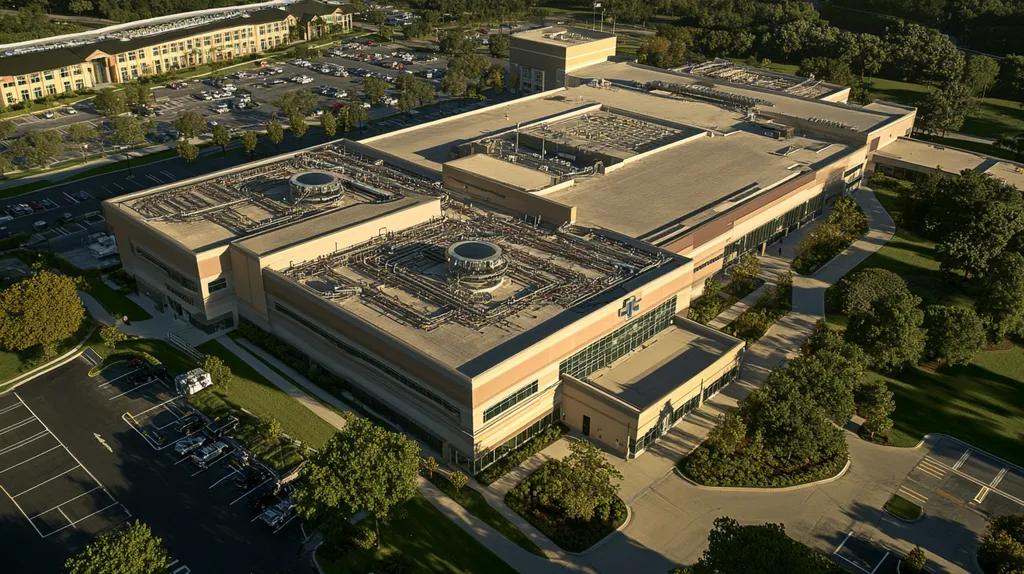
Evaluating the performance of reflective commercial roofs is essential for facility managers and property owners focused on budget efficiency. Achieving significant returns on investment hinges on analyzing cooling cost savings, especially in hotter climates where cooling expenses can rise dramatically. Properly understanding how to measure these outcomes empowers informed decision-making, ultimately leading to lower energy costs and enhanced sustainability for businesses.
Measuring Cooling Cost Savings
To accurately assess cooling cost savings, property owners should dig deeper than just appearance. A straightforward method is to compare energy bills before and after the installation of a reflective roof. Conducting energy audits can reveal how much less energy is being consumed for air conditioning.
It’s also vital to consider location, local climate, and building design, as reflective roofs typically excel in areas with consistent sunlight. In warmer regions, the potential savings can be truly significant, making this metric a top priority.
Moreover, commercial facilities can utilize energy modeling software to anticipate savings prior to installation. These analytical tools simulate various environmental conditions and energy consumption patterns, providing valuable insights into potential cost reductions.
Consistent monitoring is essential to track the long-term impact. Reviewing annual energy costs can unveil trends and help in refining strategies for optimal efficiency. Well-documented cooling cost savings play a crucial role in bolstering operational budgets.
Assessing Roof Temperature Reduction
The temperature of a roof serves as a direct benchmark for its performance. Reflective roofs typically maintain significantly lower surface temperatures compared to conventional roofing materials, achieving an average reduction of up to 30% in roof surface temperature.
Employing infrared thermography can provide precise measurements of this temperature difference. This technology identifies areas of heat buildup and energy loss, critical for optimizing cooling system efficiency.
Additionally, monitoring interior temperatures can shed light on how effectively the reflective roof mitigates heat gain. A cooler interior translates into less reliance on air conditioning, leading directly to reduced energy costs.
For industry players, understanding the nuances of roof temperature dynamics informs better decisions. Accurate assessments encourage the selection of materials and designs that align with energy efficiency goals.
Evaluating Long-Term Energy Efficiency
The enduring performance of a reflective roof should not be overlooked. Evaluating energy efficiency must occur not only during installation but also consistently throughout the roof’s lifespan. Regular inspections and maintenance are crucial for preserving reflective properties.
Implementing a lifecycle cost analysis can provide measurable insights. This analysis considers all expenses associated with the roof—from installation to maintenance and eventual replacement—over its expected lifespan. Understanding these costs helps clarify long-term savings and benefits.
Furthermore, comparing the energy performance of reflective roofs to traditional roofing systems highlights noteworthy differences over time. Reflective roofs have been shown to produce lower greenhouse gas emissions, enhancing their appeal in a sustainability-focused marketplace.
In summary, evaluating long-term energy efficiency requires a commitment to ongoing analysis and maintenance. Staying updated on advancements in roofing technology empowers property owners to make more informed choices in energy management.
SECTION 5: PERFORMANCE METRICS
Understanding the effectiveness of reflective commercial roofs is pivotal for facility managers and property owners striving to control budgets. By dissecting cooling cost savings, businesses can uncover substantial returns on investment. Reflective roofs not only help lower indoor temperatures but also significantly reduce energy expenses—especially critical in warm climates. Gaining insight into how to measure these outcomes empowers informed decision-making that can lead to cost reductions and greater sustainability in operations.
Measuring Cooling Cost Savings
To evaluate cooling cost savings effectively, property owners must look beyond superficial appearances. A straightforward method involves comparing energy bills before and after the reflective roof installation, offering clear insights into savings. Additionally, conducting energy audits provides definitive data on energy consumption reductions for air conditioning.
It’s crucial to account for location, climate, and building design, as reflective roofs thrive in areas with abundant sunlight. Consequently, property managers in hotter regions should prioritize these metrics; the potential savings can be very substantial. For example, research shows that cool roofs can lower energy use by 14-26%, which translates to savings of approximately $0.75 per square meter over time (source: MDPI).
Moreover, energy modeling software can predict savings prior to installation, helping facilities anticipate cost reductions based on different environmental conditions and energy patterns. Staying committed to monitoring energy costs long-term unveils trends that assist in refining efficiency strategies.
Ultimately, clear documentation of cooling cost savings not only bolsters operational budgets but also provides critical data to support sustainability efforts within the organization.
Assessing Roof Temperature Reduction
The temperature of a roof serves as a tangible indicator of its effectiveness. Reflective roofs consistently maintain lower surface temperatures compared to conventional materials, achieving an average reduction of up to 30%. This capability not only aids in enhancing energy efficiency but also contributes to improved indoor comfort.
Leveraging infrared thermography enables precise measurement of this temperature differential. By identifying hot spots and areas of heat loss, this technology equips facility managers with the necessary data to optimize cooling systems effectively. Additionally, monitoring interior temperatures sheds light on how well a reflective roof mitigates heat gain. Cooler interiors mean reduced air conditioning reliance, translating to direct cost savings.
For professionals in the industry, understanding these temperature dynamics can significantly influence decision-making regarding roofing materials and design choices that align with energy efficiency goals.
Evaluating Long-Term Energy Efficiency
The longevity of a reflective roof’s performance is imperative and should not be disregarded. Evaluating energy efficiency should occur both at the installation stage and throughout the roof’s lifecycle. Regular maintenance and periodic inspections are essential for ensuring that the reflective properties remain intact and effective.
Implementing a lifecycle cost analysis can yield useful insights into ongoing expenses associated with the roof over its anticipated lifespan—from installation through to maintenance and replacement. This type of analysis clarifies the long-term savings and advantages that reflective roofs can provide.
Furthermore, comparing the energy performance of reflective roofs against traditional roofing systems reveals significant differences over time. Studies indicate that reflective roofs contribute to lower greenhouse gas emissions, enhancing their attractiveness in an environment increasingly focused on sustainability.
Ultimately, committing to the ongoing evaluation of long-term energy efficiency ensures that property owners remain informed about technological advancements, equipping them to make better decisions in energy management and roofing investments.
Moving Forward
With commercial buildings consuming over 35% of U.S. electricity and cooling costs rising annually, implementing reflective roofing technology has become a critical strategy for sustainable operations.
The data clearly demonstrates that properly installed and maintained reflective roofs can reduce cooling costs by up to 30% while extending HVAC system lifespans by several years.
Beyond individual building benefits, widespread adoption of reflective roofing technology could reduce urban heat island effects and decrease grid strain during peak cooling periods.
As energy costs continue climbing and environmental regulations tighten, property owners who fail to optimize roof reflectivity risk facing both financial penalties and reduced building value.
The future of commercial roofing lies in maximizing reflectivity – those who adapt early will gain significant competitive advantages in operational efficiency and sustainability compliance.
FREQUENTLY ASKED QUESTIONS
Q. How does the reflectivity of commercial roofs reduce cooling costs?
A. Reflective roofs bounce sunlight away, keeping indoor temperatures cooler and reducing energy use. Studies show these roofs can cut cooling costs by up to 30%, benefiting both finances and comfort.
Q. What types of materials enhance the energy efficiency of an industrial roof?
A. Materials like white membranes, metal roofs, and reflective shingles can maximize energy efficiency. These options reflect sunlight effectively, aiding in temperature control and lowering cooling needs throughout the year.
Q. How can property owners ensure optimal application of reflective roofing systems?
A. Conducting a thorough roof inspection before installation is essential. Proper preparation and following application guidelines ensure that the reflective coatings adhere well, maximizing their performance and benefits.
Q. Why is regular maintenance important for commercial roofs?
A. Consistent maintenance preserves a roof’s reflectivity and prevents costly repairs. Regular inspections help identify issues early, ensuring energy efficiency is maintained and cooling costs remain low over time.
Q. How can facility managers measure the impact of reflective roofs?
A. Comparing energy bills before and after installation offers insights into cooling cost savings. Additionally, monitoring roof and indoor temperatures can help evaluate reduced heat gain and its effects on overall energy usage.
Q. What methods can enhance the longevity of industrial roofing systems?
A. Installing edge protection, ensuring proper drainage, and conducting regular inspections can significantly extend roof life. Tailoring maintenance to specific environmental challenges also preserves reflective properties and efficiency over time.
Q. Are there environmental benefits to using reflective roofing materials?
A. Yes, reflective roofs help combat urban heat island effects by lowering surrounding temperatures. They also reduce energy consumption, leading to decreased greenhouse gas emissions, benefiting both the environment and community sustainability.






