

In the industrial roofing sector, inadequate contractor certifications contribute to over $2.5 billion annually in preventable repair costs. Current accreditation practices fail to address critical safety concerns, with 40% of commercial roof failures linked directly to improper repairs by certified contractors.
The disconnect between certification standards and actual performance creates significant liability risks for property owners and facility managers. This systematic failure demands immediate attention as aging infrastructure and increasingly severe weather events put additional stress on industrial roofing systems.
This analysis examines the shortcomings in established certification practices while exploring data-driven alternatives that promise enhanced safety, reliability, and cost-effectiveness in industrial roof repairs.
SECTION 1: CURRENT PRACTICES
In the industrial roofing sector, the stakes are exceptionally high. Inadequate repairs can lead to severe leaks, costly downtime, and significant safety hazards. Alarmingly, nearly 60% of roof failures are attributed to insufficient inspection and maintenance protocols. This statistic highlights the pressing need for stringent standards in hiring and qualifications of inspectors, adherence to standard inspection protocols, and effective certification processes. Each of these elements is crucial for protecting investments and ensuring operational integrity.
Hiring and Qualifications of Inspectors
The expertise of roofing inspectors is fundamental to the quality of inspections. Unfortunately, many roofing companies hire personnel with inadequate training, which can result in overlooked defects and potential failures. Current practices often permit inspectors to operate with minimal qualifications, raising significant concerns about their evaluations.
In numerous instances, inspectors may lack certifications from reputable roofing organizations, making their assessments untrustworthy. In certain states, there are no requirements for formal training or certification, allowing anyone to claim expertise. This situation creates a critical knowledge gap regarding roofing materials and repair techniques.
Additionally, ongoing education is frequently overlooked. Inspectors must stay informed about evolving materials and technologies to accurately assess roofing conditions. A workforce that does not prioritize continuous learning undermines the integrity of the inspection process.
Poor hiring practices not only affect the immediate roofing project but can also lead to long-term liability issues for property owners. If a roof fails due to an inspector’s negligence, the resulting repercussions can be severe and expensive, emphasizing the need for enhanced hiring standards within the industry.
Standard Inspection Protocols
Consistent quality evaluations in industrial roofing hinge on standard inspection protocols. However, many companies lack established procedures, resulting in variations in inspection quality across the sector. These inconsistencies often arise from the diverse methods and criteria employed by different inspectors.
Presently, many inspections depend on subjective evaluations rather than structured guidelines. This lack of uniformity can create confusion and uncertainty for property owners. A standardized set of protocols would help ensure that all inspections adhere to a benchmark level of thoroughness and reliability.
Moreover, comprehensive inspection checklists are rarely utilized. These tools are essential for systematically identifying potential issues, ensuring that no aspect of the roofing system is overlooked. By neglecting standard protocols, the industry risks allowing critical weaknesses to remain undetected.
Ultimately, without adherence to established inspection protocols, property owners face increased risks of leaks and expensive repairs. A unified approach to inspections could lead to improved outcomes and enhanced trust in the roofing industry.
Certification Process and Documentation
The certification process for contractors involved in industrial roof repairs is often inconsistent. While many contractors assert they hold certifications, the reliability and rigor of these credentials can vary widely. This lack of standardization can mislead property owners who are seeking reassurance of quality work.
Documentation related to certifications frequently falls short or is poorly organized. Current practices often do not require regular renewal of certifications, allowing contractors to operate with outdated qualifications. This can result in the use of techniques that are no longer effective or safe.
Furthermore, there is often a lack of transparency regarding the specific standards that certifications denote. Property owners may not realize whether a certification signifies practical knowledge or simply attendance at a seminar. This ambiguity complicates the process of selecting a qualified contractor.
Inadequate certification practices diminish overall accountability, leaving property owners exposed to inferior workmanship. Improving the certification process can enhance contractor credibility and help property owners make informed, confident decisions about their roofing needs.
SECTION 2: SYSTEMIC ISSUES
In the complex landscape of industrial roof certifications, critical systemic issues jeopardize the reliability of inspections and evaluations. With an estimated 30% of commercial roofs underperforming due to inadequate initial assessments, it is imperative for property owners to understand the deficiencies in current practices. Addressing these pressing concerns is vital to ensure roofs not only meet safety standards but also function optimally over their lifespan. This section delves into the subjectivity present in visual inspections, the absence of standardization in reporting, and the shortcomings in assessing material condition.
Subjectivity in Visual Inspections
Visual inspections often serve as the cornerstone of evaluating an industrial roof’s health. However, the lack of standardized criteria results in subjectivity, allowing different inspectors to interpret identical signs in contrasting ways. For example, one inspector may assess a few cracks as minor, while another views them as critical threats.
This inconsistency can lead to unexpected issues that burden property owners with unplanned repair expenses. Moreover, subjective interpretations often cause inspectors to overlook significant problems, undermining the safety and operational efficacy of the facility.
For instance, minor repairs that would seem trivial to one inspector might escalate into severe leaks if ignored. These situations not only drain financial resources but can also disrupt business operations.
To foster reliability and uniformity in roofing assessments, establishing standardized criteria for visual inspections is essential.
Lack of Standardization in Reports
The reports produced from inspections are frequently inconsistent, varying widely between contractors. This lack of standardization can leave property owners feeling confused as they attempt to compare assessment results. In dealing with heterogeneous reports, property owners may struggle to make well-informed decisions regarding their roofing needs.
Typically, some reports emphasize only the most obvious issues, while others might provide exhaustive detail, including minor concerns. This inconsistency can obscure the overall condition of the roof, leading to gaps in understanding.
Furthermore, without a standardized reporting structure, there is no clear metric for evaluating the efficacy of repairs. Property managers may find it challenging to justify the costs associated with contractor selection and engagement.
Implementing a comprehensive, standardized reporting system would enhance transparency and enable property owners to make more informed choices regarding their roofing requirements.
Inadequate Material Condition Assessment
An effective assessment of roofing materials is crucial for ensuring proper maintenance and longevity. Unfortunately, many certification processes lack rigor in evaluating the long-term performance and current condition of roofing materials. This oversight can lead to flawed predictions regarding a roof’s lifespan and the risks of imminent failures.
For instance, if an inspector does not thoroughly test membrane integrity, they may miss signs of premature degradation. This could result in major issues that necessitate costly replacements well before the end of the expected lifespan.
Moreover, many facilities utilize a combination of roofing systems, each demanding distinct evaluation methods. Without meticulous assessments, property owners may remain unaware of potential vulnerabilities within their roofing infrastructures.
By improving material condition assessments through enhanced training and the adoption of standardized evaluation techniques, property owners can save substantially, ensuring their roofs are reliable and genuinely fit for purpose.
SECTION 3: MISSED OPPORTUNITIES
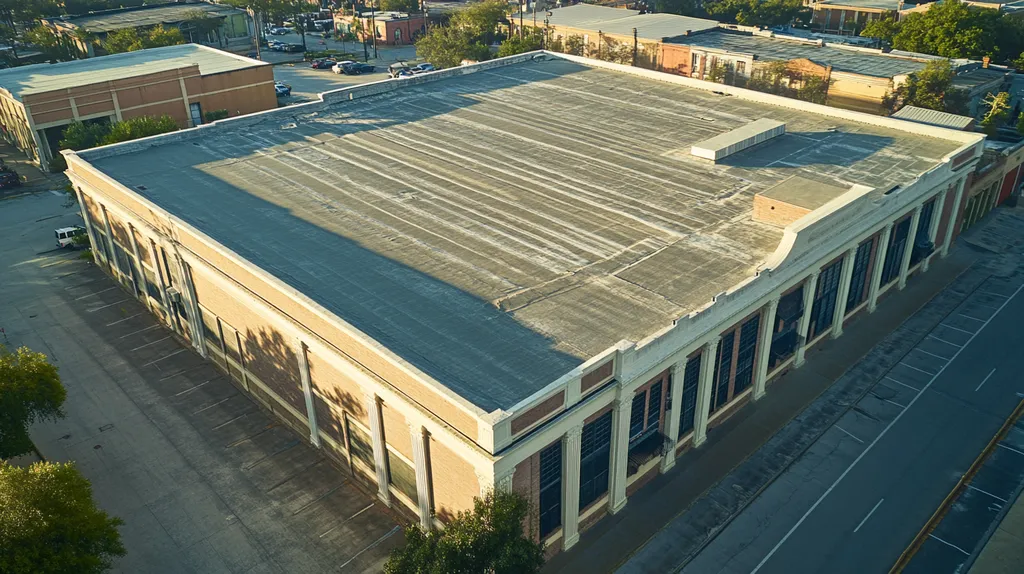
The roofing industry is facing a significant gap in technology adoption that threatens the longevity and safety of commercial properties. Traditional inspection methods often lead to undetected issues, causing property owners to incur considerable, unforeseen repair costs. With the advent of data-driven solutions, many contractors fail to leverage these tools effectively, limiting informed decision-making. This section highlights three critical areas where advancements are not being utilized to their fullest potential.
Neglect of Advanced Inspection Technologies
Many industry professionals continue to depend on conventional inspection methods, missing out on advanced technologies that significantly enhance accuracy and efficiency. For instance, drone inspections can reveal hidden problems such as membrane tears or concealed leaks that are invisible from the ground. Investing in these modern technologies can greatly elevate the safety and reliability of industrial roofs.
Roof inspections lacking thermal imaging technology risk overlooking moisture trapped beneath the roof membrane. This undetected moisture can lead to severe damage, resulting in expensive repairs and unsafe operational conditions for businesses.
Emerging drone technology is particularly advantageous for large facilities, where accessing high or hard-to-reach areas poses safety risks. Drones provide high-resolution imagery and detailed data, improving the overall understanding of roof conditions. By neglecting to adopt such technologies, contractors leave their clients with roofs that may not be optimally maintained.
In summary, overlooking advanced tools constitutes a lost opportunity for quality assurance and proactive maintenance. Integrating technology could transform roof assessment processes positively and effectively.
Limited Use of Data-Driven Reports
The reliance on anecdotal evidence rather than analytics is another critical shortfall in industry practices. Many contractors provide basic inspection reports lacking detailed data analysis, which obscures actionable insights for property managers. This can lead to misguided decisions that compromise the roof’s longevity and performance.
Without leveraging available data, property managers may continue to make assumptions about their roofs’ conditions, neglecting potential issues until they escalate into significant problems. Data-driven approaches can reveal trends related to specific materials, installation practices, and seasonal effects on roofing performance.
With detailed information from comprehensive reports, property owners can prioritize necessary repairs and allocate budgets more effectively. Ignoring data fosters a reactive rather than proactive maintenance culture.
Ultimately, embracing comprehensive data analysis not only refines decision-making but also enhances cost-effectiveness over time. A transition towards data-driven methodologies could redefine how property owners monitor and maintain their roofs.
Overlooking Preventative Maintenance
Preventative maintenance is often viewed as an unnecessary expense, leading many property owners to underestimate its importance. By neglecting regular maintenance, the risk of encountering more significant, expensive problems becomes substantially greater. For example, minor leaks can develop into more extensive water damage if not addressed promptly.
Facilities managers may defer maintenance schedules to save immediate funds, but this leads to higher long-term costs. Regular inspections and maintenance can identify potential issues before they escalate into costly repairs, ultimately extending the lifespan of roofing systems.
Simple tasks such as cleaning gutters and ensuring proper drainage can significantly reduce the risk of costly repairs associated with water intrusion. This practicality underscores the essential role that proactive maintenance plays in the overall health of roofing systems.
To foster a culture of preventative care, property owners must prioritize consistent maintenance within their roofing strategies. By doing so, they can significantly minimize repair costs and ensure the long-term integrity of their roofs.
SECTION 4: ROOT CAUSES
The certification landscape for industrial roof repairs is fraught with challenges that can directly impact the safety and longevity of properties. Inconsistent training and accreditation practices not only lead to inferior repairs but also pose significant safety risks and financial liabilities. Studies indicate that buildings with improperly installed roofing systems incur substantially higher long-term maintenance costs. This section investigates the underlying causes of these issues, spotlighting variable training standards, regional practices, and insufficient regulatory oversight.
Inconsistent Training and Accreditation
A principal issue within the roofing industry is the absence of standardized training for contractors. Various manufacturers and organizations provide differing certification programs, which results in significant knowledge and skill gaps among roofing professionals.
This disparity means property owners cannot count on a consistent level of expertise across certified contractors. For example, a contractor certified by one manufacturer may lack the necessary training to adeptly manage other roofing materials, leading to potential mishaps.
The absence of universal accreditation standards introduces confusion and complicates the process for property owners trying to evaluate contractor capabilities. This can result in decisions that ultimately yield subpar workmanship and costly repairs down the lane.
To genuinely tackle this challenge, the industry would benefit from a cohesive approach to contractor training. A universal certification encompassing a wider range of skills could not only standardize expertise but also bolster quality across the board.
Variability in Regional Practices
Regional differences also play a pivotal role in creating inconsistent roofing practices. Local climates and building codes greatly affect the design and installation of roofing systems.
For instance, areas with heavy snowfall may necessitate specific installation methods to prevent structural collapse, whereas warmer climates might focus on solar reflectivity. While contractors may adapt to these regional norms, these modifications risk creating inconsistencies with established best practices.
Moreover, the lack of any nationwide standards often results in property owners grappling with varying expertise and quality based on their geographic location. This inconsistency can detract from the overall robustness and lifespan of roofing systems.
To address these regional variances, collaboration among manufacturers, contractors, and regulatory bodies is crucial to encourage best practices that align with local conditions.
Insufficient Regulatory Oversight
The deficiencies in regulatory oversight significantly compound the existing challenges for property owners. Current regulations frequently lack the teeth needed to ensure compliance with installation and repair standards.
This regulatory gap allows inadequately trained contractors to operate without accountability, thereby endangering property integrity. For example, a contractor may skip essential procedures during installation, leading to leaks or structural integrity issues.
Additionally, limited inspections and weak enforcement mechanisms mean that many poorly executed repairs go undetected until they escalate into severe problems. This oversight not only leads to higher repair costs but may also expose property owners to liability concerns.
By strengthening regulatory oversight and delineating clearer guidelines for roofing standards, the industry could vastly improve practice integrity and better protect property investments.
DATA DRIVEN EVIDENCE
The significance of accurate measurements in the industrial roofing sector is paramount. Inaccurate assessments can lead to costly mistakes, including leaks, structural damage, and even premature roof failure. Alarmingly, over 30% of commercial roofing projects overshoot their budgets primarily due to measurement errors. Adopting standardized, data-driven evaluations can significantly mitigate these risks and enhance project outcomes.
Precision and Accuracy in Measurements
Accurate measurements form the backbone of successful roofing projects. Without them, contractors risk misjudging material needs, resulting in costly overages or shortages. For instance, a minor miscalculation in roof dimensions can escalate a simple repair into a complex and expensive project.
Embracing technology, such as drones and laser measurement tools, can greatly enhance accuracy. These advancements minimize human error and provide real-time data, ensuring that projects are executed more efficiently. Such precision not only reduces costs but also extends the lifespan of roofing systems by facilitating informed decision-making.
Furthermore, standardized measurement protocols contribute to better planning and resource allocation. By adhering to a consistent method, contractors can streamline their processes and foster a more efficient workflow, leading to decreased downtime and increased productivity.
Ultimately, improved measurement practices lead to elevated project outcomes. Enhanced accuracy not only reduces the risk of future complications but also ensures a more reliable roofing solution, benefiting both contractors and property owners alike.
Enhanced Client Communication and Trust
Clear and effective communication is crucial in the roofing industry, especially for large-scale projects. Transparency can strengthen client relationships and foster a sense of trust. When contractors utilize precise measurements, supported by data, they are better equipped to explain project needs and updates to property owners.
Sharing detailed analyses and reports regarding measurements increases contractor credibility. Clients value knowing that decisions are backed by solid evidence instead of mere estimates, creating a foundation of trust and encouraging long-term partnerships.
Moreover, effective communication helps mitigate misunderstandings that could lead to disputes. Clear documentation serves as a written record of expectations and responsibilities, which not only enhances client satisfaction but also safeguards contractors from potential claims.
In essence, investing in accurate measurement systems bolsters client interactions. By communicating effectively, contractors can position themselves as reliable partners in the roofing process, ultimately leading to more repeat business and referrals.
Detailed Documentation for Insurance Claims
When damage occurs, comprehensive documentation is vital for smooth insurance claims processing. Accurate measurements play a key role in filing claims, ensuring that property owners receive the compensation they rightfully deserve. Data-driven documentation enhances clarity, reducing the likelihood of disputes with insurers.
Thorough records of measurements, materials, and project timelines simplify the claims process. They provide irrefutable evidence of the roof’s condition before and after repairs, facilitating quicker assessments by adjusters. Claims backed by precise data are more likely to receive swift approval.
Additionally, adopting best practices in documentation protects both contractors and property owners, decreasing the risk of underestimating project scope that could incur financial losses. This proactive approach ensures adequate coverage for all parties in unforeseen circumstances.
Ultimately, thorough documentation informed by accurate measurements streamlines claims processes, safeguarding the interests of both contractors and property owners. This creates a win-win scenario for everyone involved in a roofing project.
SECTION 6: ALTERNATIVE SOLUTIONS
The stakes for industrial roofing repairs have reached a critical level. A staggering percentage of roofs fail prematurely due to inadequate inspection and maintenance practices. Industry estimates suggest that up to 30% of commercial roofs may require early replacement, resulting in millions of dollars in unexpected expenses for property owners. It is essential to explore alternative solutions that prioritize quality and durability in roof repairs, moving away from outdated certification practices.
Implementing ISO-Certified Inspection Processes
Implementing ISO-certified inspection processes establishes a globally recognized standard for quality management in roofing. This approach ensures companies adhere to stringent guidelines during roof assessments and repairs, significantly enhancing reliability while promoting transparency in operations.
By integrating ISO standards into their practices, companies can benefit from rigorous training and quality control measures. This leads to more accurate inspections, ultimately extending a roof’s lifespan. When inspections are conducted meticulously, property owners can avoid costly repairs in the long run.
Moreover, ISO-certified procedures foster greater trust between contractors and clients. With a consistent approach to evaluations and repairs, property owners can feel assured that every project meets high-quality standards. This transparency contributes to enhanced satisfaction and fosters stronger business relationships.
Utilizing Advanced Roof Inspection Tools
Investing in advanced roof inspection tools has the potential to transform the assessment of industrial roofs. Technologies such as drones and infrared cameras offer unprecedented insights into roof conditions. Drones can rapidly survey large areas, pinpointing potential issues before they escalate.
Infrared technology, on the other hand, can detect moisture intrusion hidden from plain sight, enabling targeted, efficient repairs. By addressing problem areas proactively, property owners can significantly diminish the chances of major failures, leading to considerable cost savings.
These high-tech inspection tools also provide comprehensive documentation, aiding in future maintenance strategy. By maintaining accurate records of inspections, property owners can make informed decisions about roof management, increasing accountability and ensuring that every stakeholder is well-informed.
Adopting Standardized, Nationally Recognized Certifications
Transitioning to standardized, nationally recognized certifications brings a host of advantages to the roofing industry. These certifications establish a uniform set of competencies for contractors, creating predictability for property owners regarding quality and performance expectations.
Furthermore, recognized certifications keep contractors informed about the latest industry practices and emerging technologies. Training programs associated with such certifications typically cover contemporary trends, ensuring that contractors are equipped with vital skills. This emphasis on ongoing education leads to improved quality in repairs and maintenance.
Lastly, standardized certifications foster accountability across the roofing sector. When all industry participants adhere to the same guidelines, identifying non-compliance becomes easier. Property owners can have confidence in their contracting choices, knowing they are engaging with professionals committed to safety and quality in their work.
Moving Forward
The industrial roofing sector faces annual losses exceeding $2.5 billion due to inadequate contractor certifications and flawed accreditation practices.
Without immediate reform in certification standards, property owners will continue experiencing premature roof failures, with 40% of industrial roofs requiring replacement before their intended lifespan.
The integration of ISO-certified processes, advanced inspection technologies, and standardized national certifications presents a clear path toward enhanced safety and reliability.
By adopting data-driven solutions and strengthening regulatory oversight, the industry can significantly reduce repair costs while extending roof longevity by an estimated 30%.
The time for transformation in industrial roofing certification is now – the financial and safety implications of maintaining the status quo are simply too severe to ignore.
FREQUENTLY ASKED QUESTIONS
Q. What impact does hiring unqualified inspectors have on commercial roofs?
A. Hiring unqualified inspectors can lead to overlooked defects that jeopardize roof integrity. This oversight increases the likelihood of severe leaks and unexpected costs for property owners. Insufficient inspector training can ultimately compromise safety and operational efficiency.
Q. What are the systemic issues with industrial roof certifications?
A. Systemic issues include subjectivity in visual inspections and a lack of standardization. Many inspections vary in quality due to differing criteria, making it difficult for property owners to trust the evaluations. Inconsistent reporting further complicates decision-making for necessary repairs.
Q. How do traditional inspection methods affect industrial roofs?
A. Traditional methods often lead to undetected issues, increasing repair costs over time. Without modern technology, inspectors may miss critical problems, jeopardizing roof safety and longevity. This blind spot can result in significant financial burdens for property owners.
Q. What are the root causes of inconsistent roofing practices?
A. Inconsistent training and regional practices greatly contribute to variability in roofing quality. Without standardized guidelines, contractors face differing expectations, leading to inferior workmanship. Insufficient regulatory oversight further exacerbates these issues, compromising property safety.
Q. How does data-driven evidence enhance roofing project outcomes?
A. Data-driven evidence ensures precise measurements and informed decision-making, reducing costs. By integrating advanced technology, contractors can minimize errors and streamline processes. Enhanced documentation also simplifies insurance claims and improves client trust.
Q. What alternative solutions can improve industrial roofing practices?
A. Implementing ISO-certified processes and using advanced inspection tools can significantly enhance quality. Standardized certifications also enable consistency in contractor skills. These changes foster a proactive maintenance culture that benefits property owners through reliable roofing solutions.
Q. What role do ongoing education and training play in roofing inspections?
A. Ongoing education and training ensure inspectors remain updated on evolving materials and techniques. This knowledge is crucial for effective evaluations and preventing costly repairs. Continuous learning elevates professionalism and enhances the overall quality of roofing inspections.






