
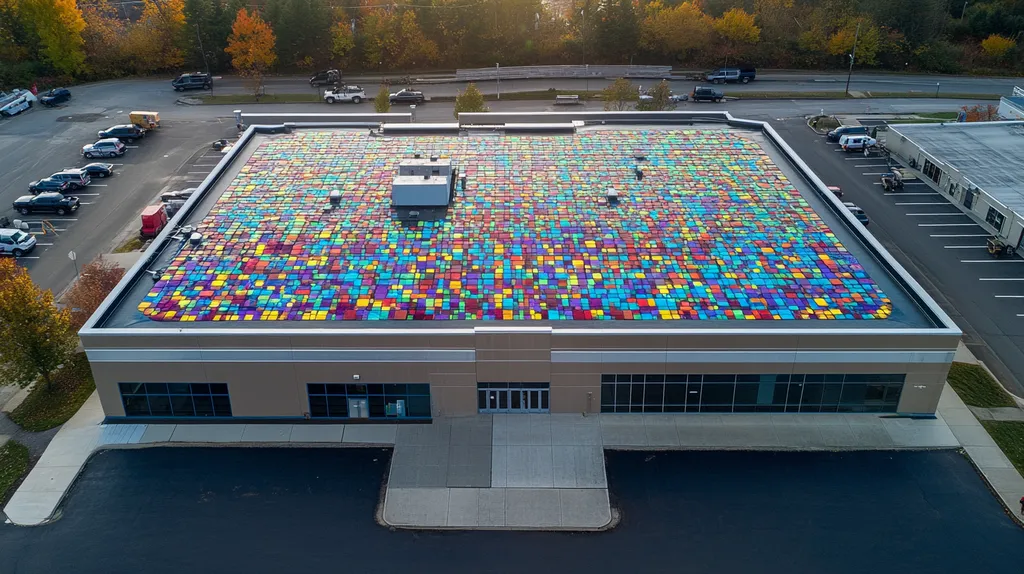
The rising trend of using residential roofing materials in commercial projects has led to a 35% increase in premature roof failures over the past decade, according to industry research. This concerning pattern stems from misconceptions about material interchangeability and perceived cost savings.
For commercial property owners and facility managers, the stakes couldn’t be higher. Using inappropriate materials can compromise structural integrity, void insurance coverage, and trigger costly maintenance cycles.
This analysis examines critical factors in material selection, exploring evidence-based alternatives that ensure long-term performance and regulatory compliance in commercial roofing applications.
SECTION 1: COMMON MISCONCEPTIONS
The roofing industry wrestles with several critical misconceptions regarding the use of residential materials in commercial roofing projects. Many property owners mistakenly believe these materials can be swapped out without concerns for performance or durability. A startling statistic from the National Roofing Contractors Association shows that approximately 20% of commercial roof failures stem from improper material choices. Misunderstandings about compatibility, installation methods, and perceived cost advantages can lead to significant financial losses. It is essential to clarify these misconceptions to empower informed decision-making in roofing projects.
Residential Materials Are Interchangeable
A prevalent misconception is the idea that residential roofing materials can seamlessly replace commercial options. Property owners may assume that materials like asphalt shingles or standard metal panels are suitable for commercial buildings, but this assumption is misleading. Residential materials are engineered to withstand different levels of environmental stress and wear compared to their commercial counterparts.
For instance, while asphalt shingles provide an appealing aesthetic for homes, they often lack the necessary durability for the flat roofs typical of commercial buildings. Commercial roofs face higher foot traffic, more extreme temperature fluctuations, and greater UV exposure than residential roofs. This difference can lead to premature roof failures when inappropriate materials are utilized.
The result of inadequate performance can severely impact a building’s finances. Increased energy costs, frequent repairs, and shortened lifespan are all common challenges faced by properties that use the wrong materials. Therefore, selecting materials specifically designed for commercial use is vital for ensuring a sound investment over time.
In summary, treating residential materials as interchangeable within commercial roofing not only increases risk but also undermines the effectiveness of the roofing system. Recognizing these differences is essential for property owners determined to protect their investments.
Same Installation Methods Apply
Another widespread myth is the belief that installation techniques for residential roofing can simply be applied to commercial roofs without modification. Although some techniques may overlap, the scale and complexities of commercial installations introduce unique hurdles. Commercial roofs often incorporate drainage systems, edge detailing, and expansion joints requiring specialized expertise.
Moreover, commercial roofing projects must adhere to strict building codes and regulations, aspects that may not be as crucial in residential installations. Neglecting to meet these standards can lead to serious liability issues and safety hazards, potentially resulting in non-compliance penalties.
Using specialized tools and skilled labor for commercial installations is not just prudent—it’s essential. Mistakes made during the installation process can necessitate costly repairs and even jeopardize the overall safety of the structure.
As such, ensuring that installers are well-versed in commercial roofing techniques is critical. A customized approach supported by industry-standard training is key to mitigating risks associated with improper installations.
Cost Savings Justify Residential Materials
Many property owners believe that employing residential materials for commercial roofing can lead to substantial cost savings. While it’s true that residential materials often come with lower initial costs, these apparent savings can become illusory over time. Commercial roofing materials are designed for durability, resulting in superior performance and longevity compared to residential options.
In fact, using residential materials could lead to higher maintenance and repair costs because they typically cannot withstand the rigorous demands of commercial settings. This can create a continuous loop of expenses that far outweighs any initial cost benefits.
Furthermore, warranties offered on residential materials are generally shorter and less comprehensive than those for commercial materials. A limited warranty means property owners might face significant financial liabilities for repairs or replacement shortly after installation.
In conclusion, the supposed cost advantages of using residential materials in commercial roofing projects are often misleading. The potential for greater long-term financial burdens prompts the need for careful consideration when selecting roofing materials. Making informed choices ensures better protection and value for the investment in commercial properties.
SECTION 2: PRACTICAL IMPLICATIONS
The choice to use residential materials in commercial roofing is a decision that carries significant consequences. Research indicates that nearly 30% of commercial roofing failures are a result of improper material choices. For property owners and facility managers, understanding the real-world implications of these selections is vital to preventing costly repairs and ensuring safety in their buildings.
Structural Integrity and Load Capacity
One of the foremost issues surrounding the use of residential materials in commercial roofing is structural integrity. Unlike residential buildings, commercial structures are often designed to support heavier loads, including equipment and foot traffic. Residential materials typically lack the requisite load-bearing capacity, which can place undue stress on the building’s framework.
This strain can culminate in premature structural failure, resulting in not only expensive repairs but also significant safety risks. For instance, a commercial facility utilizing residential shingles may be vulnerable to sagging or even collapse under heavy snow, which could lead to liability concerns and insurance claims.
Building codes for commercial properties are generally stricter, which underscores the necessity of using materials that meet these load demands. Choosing the right materials is therefore crucial for maintaining both safety and functionality in commercial operations.
Weather Resistance and Durability
Weather resistance represents another critical factor when residential materials are utilized in commercial roofing. Typically, residential products are designed for lower performance standards in the face of weather challenges, such as high winds and heavy rain. This insufficiency can lead to leaks, mold growth, and severe damage following severe weather, jeopardizing both the building and its occupants.
For example, a commercial roof constructed from residential-grade asphalt shingles may deteriorate quickly under extreme conditions, necessitating costly replacements. Conversely, materials engineered specifically for commercial roofs, such as thermoplastic or metal, provide enhanced weather resistance, withstanding varied climates and extending the roof’s lifespan.
The emphasis on durability is not simply about preference; it is a critical component in safeguarding valuable assets within a commercial property, ultimately translating into long-term financial savings.
Maintenance and Repair Challenges
Maintenance is another significant challenge that arises when residential materials are used in commercial roofing applications. Typically, residential roofing products require more frequent maintenance, leading to increased operational costs for facility managers. Commercial properties demand minimal disruption to their operations, making frequent repairs particularly problematic.
In addition, sourcing qualified professionals who can competently service commercial roofs made with residential materials can be challenging. This may result in subpar repairs, further inflating long-term expenses.
Therefore, the implications of maintenance should play a pivotal role in the decision-making process, underscoring the importance of selecting appropriate materials designed for easier upkeep and repair. Sound material choices can facilitate smoother operations while minimizing costs over time.

SECTION 3: COST OF MISINFORMATION
Making uninformed decisions about roofing materials can have devastating financial repercussions for commercial property owners. Research shows that using residential materials in commercial roofing can inflate maintenance costs by as much as 30% throughout the roof’s lifespan. This issue often spirals into a cycle of unexpected repairs and budget overruns. In this section, we will delve into the financial ramifications of misinformation regarding residential materials, focusing on maintenance costs, insurance liabilities, and the consequences of premature roof failure.
Increased Maintenance and Repair Costs
Utilizing residential materials in commercial roofing projects frequently results in heightened maintenance requirements, consuming time and financial resources. Commercial roofs encounter greater stresses than their residential counterparts, including heavier foot traffic and fluctuating weather conditions.
This heightened demand means property owners may face maintenance expenses that surpass initial estimates. For example, a flat commercial roof using residential-grade materials could necessitate preventative maintenance every six months, thus compounding costs.
Overlooking these maintenance needs significantly raises the risk of incurring extensive repairs, translating into unplanned expenses that can disrupt both capital budgets and operational funding.
To mitigate these risks, commercial property owners should conduct thorough evaluations of roofing material options. Investing in high-quality commercial-grade materials at the outset can lead to long-term savings by minimizing the frequency and extent of maintenance required.
Insurance and Liability Issues
The use of unsuitable materials can complicate insurance and liability scenarios significantly. Many insurance policies necessitate adherence to specific industry standards. If a commercial roof fails due to residential materials, property owners could find their coverage voided.
This situation can leave facility managers and property owners responsible for substantial repair or replacement costs, often resulting in protracted disputes with insurers that escalate expenses further.
Additionally, the risk of injuries from roof failures can lead to liability claims, significantly increasing insurance premiums. This raises the stakes for property owners and underscores the importance of informed material selection in commercial roofing.
To navigate the complexities of insurance requirements, property owners should engage in discussions with their insurers before finalizing material decisions. Understanding coverage policies is essential for making sound choices.
Premature Roof Failure Consequences
One of the most serious risks associated with using residential materials in a commercial context is premature roof failure. While commercial roofs are designed to last at least 20 years, improper material choices can severely shorten this lifespan.
Research indicates that roofs constructed with residential materials can fail up to 50% sooner than those designed specifically for commercial applications. This premature failure leads to not only direct costs related to replacement but also consequential losses from business interruptions.
A failing roof can halt operations and displace tenants, leading to revenue loss and damage to a company’s reputation. For facilities managers, this scenario creates significant challenges in maintaining operations while managing unexpected repair demands.
By prioritizing the investment in appropriate materials from the beginning, property owners can effectively safeguard against these long-term financial repercussions and protect their roofing investment.
SECTION 4: REALITY CHECK
When property owners choose residential materials for commercial roofing, the consequences can be far-reaching. Initial cost savings may seem attractive, but they often lead to costly repairs and potential structural failures. Studies indicate that improper material selection can inflate maintenance costs by up to 30% over a building’s lifecycle. This section explores the essential factors related to material specifications, climate considerations, and the unique needs of various commercial buildings.
Material Specifications and Building Codes
Building codes exist to safeguard the structural integrity and safety of commercial properties. Residential materials rarely meet the stringent standards required for these applications. For example, commercial roofing materials often have superior fire resistance ratings compared to their residential counterparts.
Utilizing materials that do not comply with local regulations can expose property owners to hefty fines and increase liability risks. Although codes vary by location, commercial buildings consistently require materials capable of withstanding stressors not typically encountered in residential roofing.
Moreover, warranties can be severely affected by the use of improper materials. Manufacturers often void warranties on products used in unintended applications. Adhering to local building codes is essential for avoiding future complications and saving property owners from potential troubles.
The stakes for non-compliance are high, and the costs can far exceed any initial savings achieved. Therefore, investing in compliant materials is fundamental for ensuring both performance and the protection of financial investments.
Climate and Environmental Factors
The climate significantly influences the choice of roofing materials for commercial properties. Extreme weather conditions—such as heavy snowfall or high winds—can render residential materials ineffective. In storm-prone areas, roofs must withstand severe conditions, necessitating materials specifically designed for durability.
Additional environmental factors like UV exposure and fluctuating temperatures also affect the longevity of roofing materials. Residential shingles may deteriorate quickly under harsh sunlight, resulting in increased maintenance expenses. In contrast, materials engineered for commercial use often incorporate UV resistance, enhancing their lifespan.
Disregarding these climate considerations can lead to roof failure, disrupting business operations and incurring unexpected repair costs. A well-considered investment in the right materials is crucial in challenging climates. Property owners must evaluate environmental factors when selecting roofing solutions to protect their assets effectively.
Building Type and Usage Considerations
The unique nature of a commercial space plays a pivotal role in determining appropriate roofing materials. A manufacturing facility, for example, may need a roofing system designed to handle heavy equipment loads, while a retail location might prioritize aesthetics and energy efficiency.
Carefully understanding the building’s primary function helps in selecting materials that meet specific performance requirements. For instance, warehouses may require roofs that can endure mechanical damage, whereas office buildings may need a focus on energy-efficient options and visual appeal.
Selecting inappropriate materials can compromise the required performance and safety of a building, potentially leading to regulatory issues and increased operational costs. Informed choices enable property owners to align roofing solutions with their operational needs effectively. Customized material selections are essential for optimizing the overall performance and functionality of commercial roofing systems.
SECTION 5: EVIDENCE-BASED ALTERNATIVES
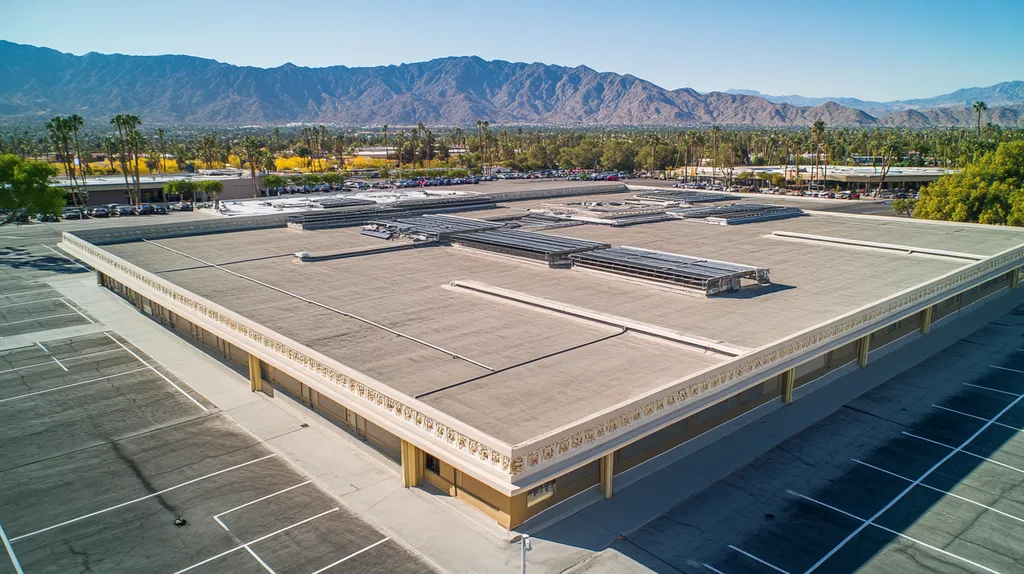
The choice of roofing materials significantly influences the longevity, energy efficiency, and overall performance of commercial properties. With nearly 30% of all commercial roofs facing issues due to inappropriate material choices, the stakes are high for facility managers and property owners. Selecting suitable, evidence-based roofing materials is not just a matter of preference; it’s essential for long-term sustainability and cost-efficiency. This section will explore acceptable commercial roofing materials, best installation and maintenance practices, and the benefits of energy-efficient options.
Suitable Commercial Roofing Materials
Choosing the appropriate materials for commercial roofing is critical for ensuring durability and performance. Options like TPO, EPDM, and PVC membranes offer notable advantages, including enhanced durability and superior resistance to UV rays. These materials are specifically engineered to handle the unique stresses faced by commercial roofs.
Metal roofing, known for its strength and longevity, is another excellent choice, particularly in regions subjected to extreme weather. Such materials streamline maintenance and reduce total lifecycle costs compared to residential alternatives.
It’s essential to avoid using residential roofing materials, such as asphalt shingles, on commercial roofs. These materials often lack the robustness needed for commercial applications, leading to premature failures and costly repairs.
Selecting appropriate materials not only enhances the aesthetic appeal of a building but also reinforces its structural integrity. Thus, informed material choices are essential for the sustainable performance of commercial properties.
Proper Installation and Maintenance Practices
Even the best materials can underperform if installed incorrectly. It is crucial that roofing installations follow the manufacturer’s specifications rigorously; this includes proper layering, sealing, and flashing techniques. Adhering to these guidelines ensures that the roof can withstand the rigors of commercial activities.
Additionally, routine maintenance extends the lifespan of a roof considerably. Facility managers should plan for regular inspections at least twice a year to identify and proactively address potential issues, such as minor leaks or wear before they escalate.
Early detection of problems can save property owners from extensive repairs and unexpected costs later on. Establishing a comprehensive maintenance plan will help sustain a roof’s performance and longevity.
Educating facility management teams on best practices for installation and maintenance can minimize risks associated with subpar roofing decisions and ultimately protect valuable investments.
Energy Efficiency and Cool Roof Options
Energy efficiency has become increasingly critical for commercial buildings, driving interest in cool roof options. These innovative roofs reflect sunlight and absorb less heat, which results in reduced energy consumption and lower cooling costs.
Cool roofs help mitigate urban heat island effects, which are linked to climate change and elevated city temperatures. Property owners can enjoy significant energy savings by integrating these sustainable practices into their roofing systems.
Incorporating energy-efficient materials, such as green roofing systems, enhances a building’s environmental responsibility. These options not only contribute to sustainability but also can improve overall property value and attract environmentally conscious tenants.
By adopting energy-efficient roofing solutions, property owners signal their commitment to sustainability, resonating positively with stakeholders across diverse sectors. This approach underscores the importance of making environmentally responsible choices in commercial roofing.
SECTION 6: TEST AND VERIFY
In the fast-paced world of commercial roofing, the stakes are high when it comes to regular assessments. Unaddressed roofing issues contribute to approximately 30% of all commercial facility maintenance expenses. Proactive evaluations serve as a safeguard, enabling property owners and facility managers to identify problems early, thereby averting costly repairs and extending the lifespan of their roofs. This section underscores the necessity of comprehensive testing and verification strategies to uphold roofing integrity.
Roof Age and Condition Assessment
The age and condition of a commercial roof are crucial components of effective maintenance planning. When a roof reaches the end of its expected lifespan, immediate action is often required. Conducting regular assessments empowers property managers to determine whether to repair or initiate a strategic replacement using suitable materials.
Technologies like infrared thermography prove invaluable in detecting moisture intrusion and insulation issues. Routine assessments can reduce the risk of roof failure during adverse weather, safeguarding both the building and its contents. Knowledge of the roof’s current condition allows for better budgeting of future repairs or replacements.
For example, a facility with an aging membrane roof can shift from a reactive maintenance approach to a proactive replacement schedule based on documented assessments. Such focused evaluations support timely upgrades, preventing minor leaks from developing into major structural damage.
Ultimately, thorough understanding of a roof’s age and condition empowers facility managers to make informed decisions, ensuring safety compliance and maximizing investment returns.
Leak Detection and Monitoring Systems
Leak detection systems play a pivotal role in protecting commercial properties from costly water damage, yet many facilities rely on outdated methods. Adopting modern monitoring technologies enables facility managers to locate leaks at their source quickly, facilitating timely repairs. Early leak detection correlates with reduced downtime and lower repair costs.
Advanced systems can send real-time alerts to facility managers, preventing minor leaks from escalating into major issues. For example, electronic leak detection methods are capable of identifying water infiltration even beneath multiple layers of roofing materials.
Regular testing and maintenance of these systems are essential for their continued reliability. Many businesses overlook the importance of periodic evaluations, leading to undetected leaks that could escalate into significant structural concerns.
Integrating advanced leak detection not only enhances roof performance but also provides critical data for future maintenance planning, thereby safeguarding commercial roofing investments.
Regular Inspection and Documentation Protocols
Implementing a routine inspection schedule is vital for maintaining the health of a commercial roof. These inspections should occur at least biannually, with additional evaluations after severe weather events. Thorough documentation of these inspections creates an invaluable historical record of the roof’s condition.
Maintaining detailed records aids in tracking wear and necessary repairs, leading to improved planning for future projects. This practice is particularly important when considering long-term roofing strategies that involve residential materials, ensuring compatibility and longevity.
Checklists during inspections help guarantee that no critical areas are missed. This thoroughness mitigates the risk of unexpected failures and supports adherence to warranty requirements and local building regulations.
Regular inspections and meticulous documentation foster a proactive maintenance culture, promoting trust among stakeholders while optimizing roofing performance. These practices not only protect the investment but also enhance operational efficiency within commercial facilities.
The Bottom Line
Industry data reveals that 35% of commercial roofs using residential materials fail prematurely, resulting in millions of dollars in preventable damage annually.
The evidence clearly demonstrates that residential roofing materials are fundamentally incompatible with commercial applications, regardless of perceived cost savings.
Property owners and facility managers must prioritize commercial-grade materials that meet building codes, withstand environmental stresses, and provide documented performance data.
Implementation of proper testing protocols, regular inspections, and advanced monitoring systems represents the foundation of sustainable commercial roofing practices.
The stakes are too high to compromise on material selection: structural integrity, occupant safety, and long-term cost efficiency all depend on choosing appropriate commercial roofing solutions.
FREQUENTLY ASKED QUESTIONS
Q. Are residential materials suitable for a commercial roof?
A. Residential materials are generally not suitable for commercial roofs due to differing performance requirements. They lack the durability and load-bearing capacity needed for commercial applications, increasing the risk of failures. Property owners should prioritize materials specifically designed for commercial use to ensure operational longevity and safety.
Q. How do residential materials impact my commercial roof’s performance?
A. Utilizing residential materials can significantly compromise a commercial roof’s performance by increasing maintenance demands and vulnerability to environmental stress. Such materials do not withstand extreme weather events well, leading to potential leaks or structural issues, ultimately degrading the roof’s integrity over time.
Q. What installation challenges arise from using residential materials on commercial roofs?
A. Installing residential materials on commercial roofs introduces several challenges, including compliance with building codes and the need for specialized techniques. Improper installations may result from using residential methods, leading to severe problems such as leaks or structural failures. Expert installers are crucial for successful commercial roofing.
Q. What are the financial implications of using residential materials in commercial roofing?
A. Using residential materials can inflate maintenance and repair costs, potentially exceeding initial savings. Statistics show that such decisions may lead to a 30% increase in lifetime maintenance expenses due to frequent repairs and potential roof failures, disrupting budgets for property owners.
Q. How do building codes affect the choice of roofing materials?
A. Building codes set stringent standards for commercial roofing materials to ensure safety and integrity. Residential materials typically do not comply with these regulations, risking fines for non-compliance and increasing liability for property owners. Adhering to local codes protects investments and ensures safety.
Q. What maintenance practices are essential for commercial roofs?
A. Regular inspections and proactive maintenance are critical for commercial roofs. Facilities should aim for evaluations at least biannually and after severe weather events to identify issues early. Proper documentation of these inspections contributes to informed decisions regarding repairs and replacements.
Q. What roofing materials are recommended for commercial applications?
A. Suitable roofing materials for commercial applications include TPO, EPDM, PVC membranes, and metal roofing. These options offer superior durability and resistance to harsh weather conditions compared to residential materials. Selecting these alternatives significantly enhances performance and reduces long-term maintenance costs.






