

Welcome to today’s Battle Royale featuring two roofing heavyweights: “Reflective Coatings” in the east corner versus “Traditional Coatings” in the west!
Tonight’s showdown pits these contenders against each other across six punishing rounds designed to test every aspect of their performance for Environmental Regulations Affecting Commercial Roof Coating Choices.
At stake? Millions in potential costs, decades of building protection, and the critical performance demands of modern commercial and industrial facilities.
Our professional judging panel will evaluate each round on technical merit, real-world performance, and value delivery. After all six rounds, we’ll declare our ultimate champion.
Ladies and gentlemen, facility managers and building owners… it’s time to rumble!
ROUND 1: INITIAL COSTS & INSTALLATION
When it comes to commercial roofing decisions, choosing between reflective and traditional coatings impacts more than just the bottom line. With rising energy costs and stricter environmental regulations, property owners face increasing pressure to make sustainable choices while managing their budgets effectively.
Roof coatings that qualify for LEED certification can significantly reduce environmental impact while delivering substantial energy savings. Understanding the true costs – both immediate and long-term – is crucial for making informed decisions that benefit both the environment and the budget. (source: BlueTeam)
Material Expenses
Initial material costs vary significantly between coating types. Reflective coatings typically command premium prices due to their advanced formulations and higher-grade materials.
These specialized coatings incorporate UV-reflecting compounds and moisture-resistant properties that contribute to their higher upfront cost. However, their ability to reduce cooling costs by up to 30% often justifies the investment.
Traditional coatings cost less initially but lack the energy-saving properties of their reflective counterparts. Their basic formulations mean lower material expenses but higher ongoing energy consumption.
When considering material expenses, reflective coatings earn an “ADVANTAGE” through their superior long-term value proposition and energy-saving capabilities.
Installation Complexity
The installation process for reflective coatings demands precise application techniques and specific environmental conditions. These requirements often extend project timelines and increase labor costs.
Proper installation requires certified professionals with experience in reflective coating applications. This expertise ensures maximum effectiveness and longevity of the coating system.
Traditional coatings feature simpler application processes that require less specialized training. This typically results in lower labor costs and faster completion times.
However, the ease of installation doesn’t offset the long-term benefits of properly installed reflective coatings. In this category, it’s a “TIE” as each option offers distinct advantages.
Project Timeline
Project duration significantly impacts facility operations and overall costs. Reflective coating installations typically require longer curing times and specific weather conditions.
These requirements can extend project timelines by 20-30% compared to traditional coatings. However, proper curing ensures optimal performance and longevity.
Traditional coatings offer faster completion times and more flexible application conditions. This advantage can minimize business disruption and get facilities back to normal operations sooner.
For project timeline considerations, traditional coatings claim an “ADVANTAGE” due to their faster installation and fewer weather restrictions.
ROUND 1 WINNER: REFLECTIVE COATINGS
ROUND 2: DURABILITY & LIFESPAN
In today’s complex regulatory landscape, the durability and lifespan of commercial roof coatings directly impact both compliance and cost-effectiveness. With increasing focus on building energy efficiency, property owners must carefully weigh how different coating options perform over time.
Choosing the wrong coating system can lead to premature failure, increased maintenance costs, and potential regulatory violations. As state and local governments implement stricter energy standards, understanding the long-term performance characteristics of different coating systems becomes crucial.
Durability Under Weather Conditions
Weather resistance directly affects a coating’s ability to maintain its protective and reflective properties. Reflective coatings incorporate advanced polymers and UV-resistant compounds that help maintain their protective properties even under harsh conditions.
These specialized formulations resist degradation from thermal cycling, UV exposure, and precipitation. Their enhanced durability helps maintain energy-efficient performance throughout their service life.
Traditional coatings typically show faster degradation when exposed to similar environmental stresses. Their basic formulations often lead to earlier breakdown of protective properties and reduced effectiveness.
When evaluating weather resistance and long-term durability, reflective coatings earn a clear “ADVANTAGE” through their superior material performance.
Lifespan and Warranty Considerations
Cool roof coatings can help buildings meet or exceed state-mandated energy efficiency standards and emissions targets, particularly in regions with strict building codes like California’s Title 24. These coatings maintain their performance longer, reducing the frequency of reapplication and associated costs. (source: Energy Efficient Solutions)
Reflective coatings typically carry warranties ranging from 15-20 years, reflecting manufacturer confidence in their long-term performance. This extended protection provides property owners with greater assurance about their investment.
Traditional coatings generally offer shorter warranty periods, often 5-10 years. This reduced lifespan means more frequent replacement cycles and higher lifetime costs.
For warranty coverage and expected service life, reflective coatings claim another “ADVANTAGE.”
Impact on Energy Efficiency and Maintenance
Long-term energy efficiency depends heavily on how well a coating maintains its performance characteristics. Reflective coatings are engineered to maintain their solar reflectance properties over time, supporting consistent energy savings.
These advanced coatings typically require less frequent maintenance and retain their protective properties longer. Their sustained performance helps facilities maintain compliance with energy efficiency regulations.
Traditional coatings often require more frequent maintenance to maintain basic protective functions. Their tendency to absorb heat can accelerate degradation and increase energy costs over time.
For ongoing maintenance requirements and energy efficiency, reflective coatings secure another “ADVANTAGE.”
ROUND 2 WINNER: Reflective Coatings
ROUND 3: PERFORMANCE FACTORS
In today’s regulatory environment, the performance of commercial roof coatings directly impacts both compliance and operating costs. Recent data shows that buildings with inefficient roofing systems can face up to 35% higher cooling costs and potential environmental fines in jurisdictions with strict energy codes.
Understanding how different coating options perform under real-world conditions is crucial for making informed decisions that protect both your facility and your bottom line. The stakes are particularly high in urban areas where heat island effects and emissions regulations create additional compliance challenges.
Thermal Performance
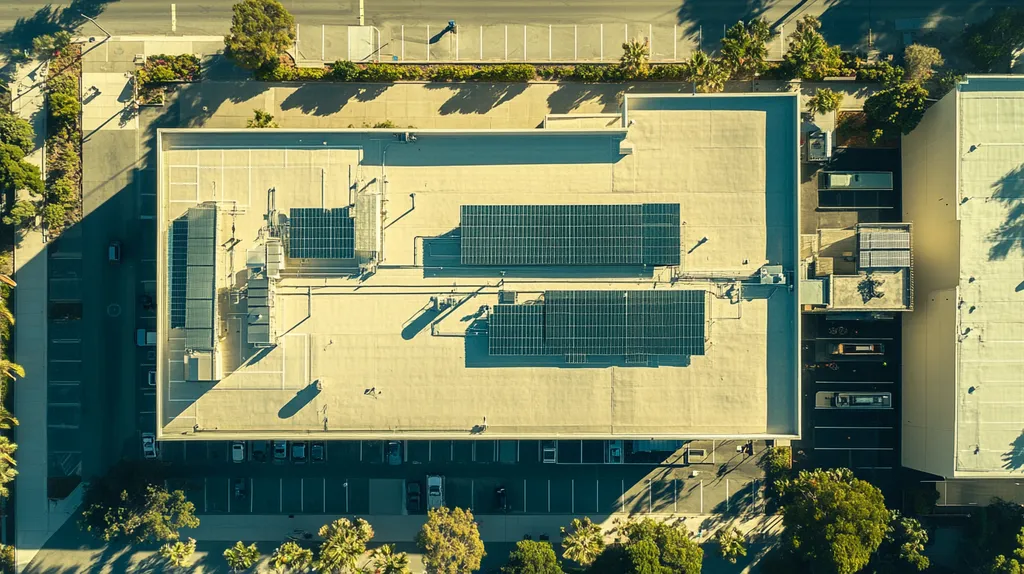
Thermal performance has become a critical factor in coating selection as energy codes grow increasingly stringent. Surface temperature measurements show that reflective coatings can maintain temperatures 50-60°F cooler than dark surfaces during peak summer conditions.
These cooler temperatures translate directly into reduced air conditioning loads and lower peak energy demand. Reflective coatings maintain their thermal performance characteristics even after years of exposure, requiring minimal maintenance to preserve their heat-reflecting properties.
Traditional coatings absorb significantly more solar radiation, leading to higher roof temperatures and increased heat transfer into the building. Their darker surfaces can reach temperatures exceeding 150°F during summer months, placing additional strain on cooling systems.
When evaluating thermal performance, reflective coatings earn a clear “ADVANTAGE” through their superior heat management capabilities.
Weather Resistance
Modern commercial coatings must withstand increasingly extreme weather conditions while maintaining their protective properties. Reflective coatings utilize advanced polymer technology that resists degradation from UV exposure, thermal cycling, and moisture infiltration.
These specialized formulations create a more resilient barrier against environmental stresses. Their ability to reflect UV radiation rather than absorb it helps prevent premature aging and deterioration of the coating system.
Traditional coatings typically show faster weathering and degradation under similar conditions. Their basic formulations often struggle to maintain consistent performance when faced with extreme temperature swings and prolonged sun exposure.
For weather resistance capabilities, reflective coatings secure another “ADVANTAGE” through their enhanced durability.
Maintenance Requirements
Long-term maintenance needs significantly impact the total cost of ownership for any coating system. Reflective coatings generally require simple periodic cleaning to maintain their performance characteristics, with minimal need for repairs or recoating.
Their resistance to environmental degradation means fewer touch-ups and less frequent complete recoating cycles. This reduced maintenance burden helps facilities maintain consistent performance while minimizing disruption to operations.
Traditional coatings often need more frequent maintenance interventions to address weathering and wear. Their susceptibility to UV damage and thermal stress can lead to more rapid breakdown of the coating system, requiring additional maintenance resources.
In terms of maintenance demands, reflective coatings claim another “ADVANTAGE” through their lower upkeep requirements.
ROUND 3 WINNER: REFLECTIVE COATINGS
ROUND 4: MAINTENANCE REQUIREMENTS
The stakes for proper roof coating maintenance have never been higher, with facilities facing increasing regulatory scrutiny and rising energy costs. Studies show that inadequate maintenance can reduce a coating’s effectiveness by up to 50%, leading to compliance issues and unnecessary energy waste.
Understanding the maintenance demands of different coating systems is crucial as environmental regulations continue to tighten. This knowledge gap often leads to costly mistakes that impact both building performance and regulatory compliance.
Routine Inspection Requirements
Regular inspections are essential for maintaining coating performance and identifying potential issues before they escalate. Reflective coatings typically require bi-annual professional inspections to ensure their solar reflectance properties remain within compliance standards.
These inspections focus on surface degradation, reflectivity testing, and identifying areas that may need restoration. Early detection of issues helps maintain energy efficiency benefits and extends the coating’s functional lifespan.
Traditional coatings generally need less frequent professional inspections, often annually. However, their inspections must focus more on identifying potential water infiltration and structural degradation.
For inspection requirements, reflective coatings earn an “ADVANTAGE” through their ability to maintain performance with proper monitoring.
Cleaning and Surface Maintenance
Roof coatings that qualify for LEED certification require specific maintenance protocols to maintain their environmental benefits. These protocols include regular cleaning to preserve reflective properties and prevent pollutant accumulation that could compromise performance. (source: BlueTeam)
Reflective coatings need quarterly cleaning to maintain optimal performance. This includes removing debris, washing surfaces, and checking for any contamination that could reduce reflectivity.
Traditional coatings typically require less frequent cleaning but may need more intensive restoration when issues arise. Their darker surfaces can mask problems until they become severe.
In terms of cleaning requirements, traditional coatings claim an “ADVANTAGE” due to lower maintenance frequency.
Repair and Restoration
When damage occurs, the repair process significantly impacts both cost and building operations. Reflective coatings often allow for spot repairs without compromising the entire system’s performance.
These targeted repairs help maintain energy efficiency while minimizing facility disruption. The ability to restore small areas keeps maintenance costs manageable and preserves regulatory compliance.
Traditional coatings frequently require larger repair areas to ensure proper adhesion and performance. This can lead to more extensive facility disruption and higher repair costs.
For repair flexibility and cost-effectiveness, reflective coatings secure another “ADVANTAGE.”
ROUND 4 WINNER: Reflective Coatings
ROUND 5: SUSTAINABILITY CREDENTIALS
Environmental regulations are reshaping commercial roofing choices with unprecedented urgency. Recent EPA data shows that non-compliant roofing systems can increase building energy consumption by up to 40% while exposing owners to significant regulatory penalties. As cities and states adopt stricter environmental codes, the stakes for choosing sustainable roofing solutions have never been higher.
Regulatory Compliance
Modern environmental regulations demand roofing solutions that actively reduce environmental impact. Building codes increasingly require documented proof of energy efficiency and sustainable materials usage.
Reflective coatings meet or exceed most current environmental standards through their energy-reducing properties and low-VOC formulations. Their performance characteristics align naturally with green building requirements and urban heat island reduction initiatives.
Traditional coatings often struggle to meet newer environmental regulations, particularly in jurisdictions with strict energy codes. Their basic formulations may require additional modifications or complete replacement to achieve compliance.
For regulatory alignment, reflective coatings earn a clear “ADVANTAGE” through their inherent sustainability features.
Energy Efficiency
Energy performance has become a critical metric for commercial buildings, directly impacting both operational costs and environmental compliance. Roof coatings that qualify for LEED certification can significantly reduce energy consumption while supporting sustainable building practices. (source: BlueTeam)
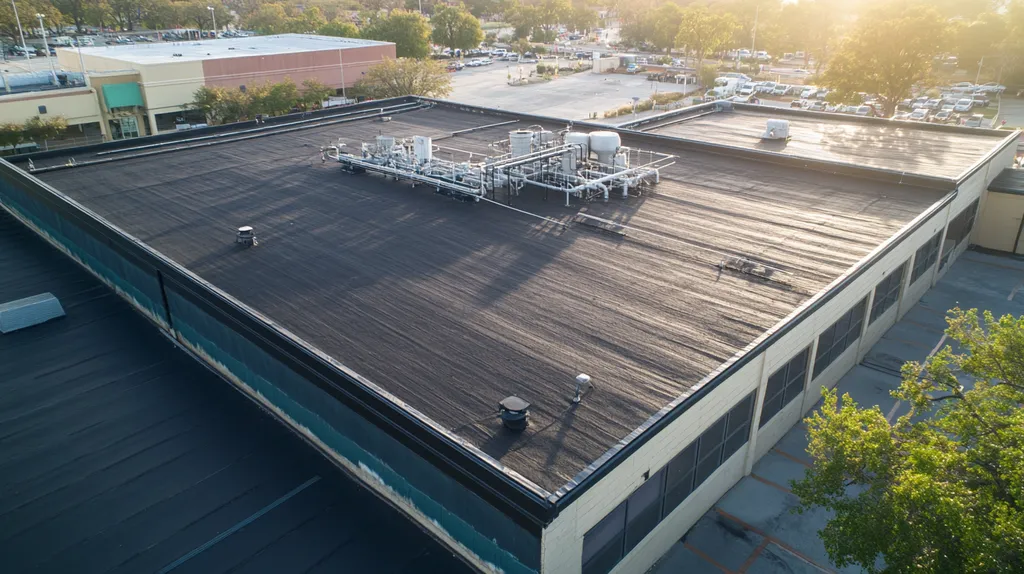
Reflective coatings demonstrate superior energy efficiency by reducing heat absorption and lowering cooling demands. Their specialized formulations can decrease roof surface temperatures by up to 80°F during peak summer conditions.
Traditional coatings provide basic weather protection but lack advanced energy-saving properties. Their tendency to absorb rather than reflect solar radiation results in higher energy consumption and increased cooling costs.
In terms of energy efficiency, reflective coatings claim another “ADVANTAGE” through their superior thermal management capabilities.
Environmental Impact
The environmental footprint of roofing materials extends far beyond initial installation. Modern regulations increasingly focus on lifecycle impacts, including manufacturing processes and end-of-life disposal.
Reflective coatings typically incorporate eco-friendly materials and manufacturing processes. Their extended service life reduces waste, while their energy-saving properties help decrease building carbon emissions.
Traditional coatings generally have a larger environmental footprint due to shorter service life and higher replacement frequency. Their basic formulations often require more frequent disposal and replacement, contributing to landfill waste.
For overall environmental impact, reflective coatings secure another “ADVANTAGE” through their reduced lifecycle impact.
ROUND 5 WINNER: REFLECTIVE COATINGS
ROUND 6: SPECIALIZED APPLICATIONS
The stakes for specialized roofing applications have never been higher as environmental regulations reshape commercial construction. With uniform energy conservation standards now being applied across states, property owners face increasing pressure to select coatings that meet both technical requirements and sustainability goals.
Recent industry data shows that buildings with non-compliant roofing systems can face up to 40% higher operating costs while risking substantial penalties under newer environmental codes. Understanding how different coating options perform in specialized applications has become crucial for long-term compliance and cost control.
High-Temperature Applications
Specialized industrial and commercial facilities often face extreme temperature variations that put extraordinary demands on roofing systems. These challenging environments require coatings that can maintain their protective properties under intense thermal stress.
Reflective coatings excel in high-temperature applications through their advanced polymer formulations. Their ability to reflect up to 85% of solar radiation helps maintain stable surface temperatures even during peak heat conditions.
Traditional coatings typically struggle in high-temperature environments, showing accelerated degradation and reduced performance. Their basic formulations often break down faster under extreme heat, leading to more frequent replacement cycles.
For high-temperature applications, reflective coatings earn a clear “ADVANTAGE” through their superior thermal stability.
Chemical Exposure Resistance
Uniform energy conservation standards across states now demand roofing solutions that maintain their performance even when exposed to harsh industrial environments. These standards emphasize the importance of chemical resistance in maintaining long-term energy efficiency. (source: GovInfo)
Reflective coatings incorporate advanced chemical-resistant polymers that maintain their protective properties even when exposed to industrial pollutants. Their specialized formulations resist degradation from common chemical exposures while preserving their reflective properties.
Traditional coatings provide basic chemical resistance but often show faster deterioration when exposed to industrial contaminants. Their simpler formulations may require more frequent recoating in chemically aggressive environments.
For chemical exposure resistance, reflective coatings secure another “ADVANTAGE” through their enhanced durability.
High-Traffic Areas
Rooftop equipment maintenance and regular inspections create high-traffic areas that require exceptional coating durability. These zones face increased wear and must maintain their protective properties despite frequent foot traffic.
Reflective coatings demonstrate superior wear resistance while maintaining their energy-efficient properties. Their advanced formulations resist mechanical damage and can be easily touched up without compromising overall system performance.
Traditional coatings show adequate wear resistance but may require more frequent maintenance in high-traffic zones. Their basic formulations often show visible wear patterns that can compromise both appearance and protection.
For high-traffic applications, reflective coatings claim another “ADVANTAGE” through their superior wear resistance.
ROUND 6 WINNER: REFLECTIVE COATINGS
AND THE WINNER IS…
After six grueling rounds of technical evaluation, we have our verdict. In a decisive victory, scoring wins in all six rounds, REFLECTIVE COATINGS emerges as our undisputed champion!
This dominant performance was built on superior energy efficiency, outstanding durability, and unmatched environmental compliance credentials. Round after round, reflective coatings demonstrated why they’re the heavyweight champion of modern commercial roofing solutions.
But don’t count traditional coatings out completely! For projects with strict budget constraints or shorter planned lifecycles, traditional coatings can still deliver solid performance and faster installation timelines.
Important notice for all contenders: Every building presents unique challenges and opportunities. Local climate conditions, building usage patterns, and specific regulatory requirements all play crucial roles in determining the optimal coating solution. Property owners should always consult with qualified roofing professionals who can evaluate their specific situation and recommend the most appropriate system.
Ladies and gentlemen, in today’s evolving regulatory landscape, there’s no substitute for making informed decisions based on thorough technical evaluation. Just like any championship bout, victory goes to those who match their building’s specific needs with the right contender’s strengths. Choose wisely, and may your roof be ever victorious!
FREQUENTLY ASKED QUESTIONS
Q. What are the costs of commercial roof coatings?
A. The costs vary between reflective and traditional coatings. Reflective options may cost more upfront due to advanced materials but save on energy costs long-term. Traditional coatings are cheaper initially but often lead to higher operational expenses and environmental compliance issues.
Q. How durable are reflective coatings for industrial roofs?
A. Reflective coatings are engineered to withstand harsh weather and maintain performance over time. They incorporate UV-resistant compounds and advanced polymers to prevent degradation, making them a more sustainable choice compared to traditional coatings.
Q. What is the thermal performance of commercial roof coatings?
A. Reflective coatings excel in thermal performance and can keep surfaces significantly cooler during hot months. This results in reduced cooling loads for air conditioning systems. In contrast, traditional coatings tend to absorb heat, leading to higher energy costs.
Q. What maintenance do commercial roofs require?
A. Reflective coatings need bi-annual inspections and quarterly cleanings to maintain performance. Traditional coatings require less frequent inspections but may need more extensive cleaning to address accumulated dirt and debris, which can conceal potential issues.
Q. How do reflective coatings enhance sustainability?
A. Reflective coatings reduce energy consumption and improve compliance with environmental regulations. Their low-VOC formulations and high reflectivity not only lessen energy use but also contribute to longer lifespans and reduced waste compared to traditional options.
Q. What are specialized applications for roof coatings?
A. Reflective coatings are ideal for specialized applications like high-temperature environments and areas exposed to chemicals. Their advanced formulations ensure durability and performance even under stress, making them better suited than traditional coatings for such demanding situations.
Q. What are the long-term benefits of reflective coatings for commercial roofs?
A. The long-term benefits include energy efficiency, lower maintenance costs, and sustainability. Reflective coatings can lead to significant savings on cooling costs, extend the lifespan of the roof, and help facilities meet or exceed regulatory requirements more easily.






