
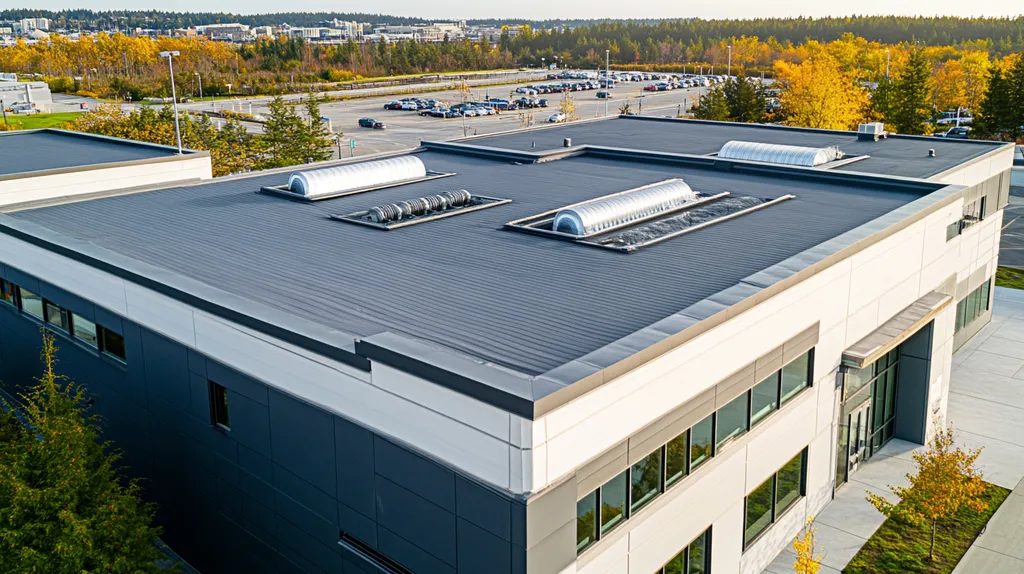
In today’s challenging economic climate, commercial property owners face a critical decision: invest in roof coatings now or risk costly repairs later. With energy costs soaring 25% year-over-year and roof replacements averaging $400,000 for a 50,000-square-foot facility, the stakes couldn’t be higher.
Understanding the ROI timeframe for roof coatings has become essential for property professionals seeking to maximize their building investments while minimizing long-term expenses.
This comprehensive guide examines the key factors that influence coating ROI, from performance metrics and financial considerations to compliance requirements and risk management strategies.
SECTION 1: PERFORMANCE FACTORS
When it comes to commercial roof coatings, understanding performance factors can make or break the investment. These elements are crucial in determining how quickly property owners can see a return on investment (ROI). Did you know that a well-maintained roof can boost property values by as much as 15%? By assessing the roof’s condition, evaluating energy efficiency, and measuring durability, property professionals can maximize ROI and ensure a savvy investment.
Roof Condition Assessment
Before diving into a roof coating application, property managers need to conduct a detailed roof condition assessment. Inspections should focus on identifying signs of damage such as leaks, blisters, and areas where water tends to pool. These factors can heavily influence how effective a coating will be.
If a roof is showing serious wear and tear, applying a simple coating may not be enough to extend its lifespan. A thorough assessment helps pinpoint urgent repairs that lead to longer-lasting results from the coating application.
Moreover, any moisture trapped beneath an old membrane could make things worse if a coating is applied. Therefore, knowing the roof’s true condition is vital for determining the ROI timeframe. Utilizing tools like infrared thermography can help uncover hidden moisture issues, sparing property owners from unnecessary costs linked to premature roof failures.
Key Action Items
Energy Efficiency Metrics
Energy efficiency plays a pivotal role when evaluating potential roof coatings. A well-chosen coating can reflect heat, leading to significant reductions in energy costs during the warmer months. In fact, reflective roof coatings can lower energy consumption by as much as 30% in hot climates.
To understand potential savings, property managers should analyze current energy bills and estimate future costs based on different coating options. This thorough analysis will shed light on the financial benefits connected to a roof coating.
Additionally, enhancing energy efficiency can also contribute to a lighter environmental footprint. Property owners who choose energy-efficient roof coatings can market their buildings as eco-friendly, attracting environmentally conscious tenants. Ultimately, the energy savings will directly impact the ROI timeframe, highlighting the advantages of a smart coating investment.
Key Action Items
Durability and Weather Resistance
The durability and weather resistance of roof coatings are essential factors that influence their long-term effectiveness. Coatings designed to handle severe weather can save property owners from the headaches of costly replacements and repairs.
Certain elastomeric coatings, for example, can expand and contract with temperature changes, making them particularly resilient against cracking. This flexibility is vital for properties in regions that experience extreme weather events, including hailstorms or heavy snowfall.
Evaluating various coating options based on their weather resistance ratings can notably affect ROI calculations. High-quality coatings that stand up to intense UV radiation can significantly extend the roof’s lifespan, reducing the frequency of repairs and replacements. In the end, the longevity of the coating contributes to the investment’s ROI, providing peace of mind alongside financial savings over the years.
Key Action Items
SECTION 2: FINANCIAL CONSIDERATIONS
Understanding the financial implications of a roof coating is essential for property owners and facility managers. The decision to invest in a roof coating involves more than just the initial outlay; it opens the door to long-term savings and potential financial perks. With studies indicating that commercial roofs can lose up to 30% of their efficiency without proper treatment, this section dives into the essential elements of investment costs, future savings, and financial incentives associated with roof coatings.
Initial Investment Costs
The initial investment for a roof coating typically ranges from $1.50 to $4.00 per square foot. This rate can vary based on materials and the state of the existing roof. Though upfront costs compared to traditional roofing methods may seem intimidating, a roof coating often proves to be a budget-friendly solution over time.
Property owners should also factor in the costs for surface preparation and application, which depend on the roof’s size and condition. For instance, a 20,000 square foot roof may see installation costs between $30,000 and $80,000. While this cost is significant, analyzing the long-term benefits will help justify the investment.
Furthermore, it’s wise to explore financing options that can ease the burden of these initial costs. Some manufacturers provide financing plans that distribute expenses over several years, ultimately giving a clearer view of the total cost of ownership, which encompasses both immediate and future expenses.
Key Action Items
Long-Term Cost Savings
Looking beyond upfront expenses, roof coatings can generate significant long-term savings. A key advantage is the reduction in energy costs, as reflective coatings can lower interior temperatures, leading to cooling expenses that drop by up to 25%.
Additionally, applying a roof coating can extend the lifespan of an existing roof by 10 to 15 years. This prolongation minimizes the need for repairs and replacements, resulting in lower maintenance costs across the board. Therefore, property managers can allocate those savings to other essential areas of their operations.
Moreover, studies demonstrate that property owners can often recoup their investment in roof coatings within 3 to 7 years through these savings. A roof coating is not just a protective layer; it’s an investment that significantly boosts long-term financial health.
Key Action Items
Tax Benefits and Depreciation
Property owners should also explore the tax benefits that come with roof coatings. Depending on local regulations, expenses related to roof maintenance and upgrades may be tax-deductible, enhancing the overall ROI calculation.
Under the Modified Accelerated Cost Recovery System (MACRS), roof coatings can often be classified as 15-year property. This classification offers accelerated depreciation, providing immediate tax relief for property managers. Implementing smart tax planning can lead to substantial savings on taxable income.
Additionally, staying informed about state and local incentives for energy efficiency improvements can further heighten the financial advantages of roof coatings. These incentives sometimes cover a portion of the investment, making roof coatings an even more attractive option.
Key Action Items
SECTION 3: COMPLIANCE REQUIREMENTS
In the realm of commercial roofing, compliance is not merely a checkpoint; it’s a cornerstone of a successful project. Ignoring regulatory standards can lead to hefty fines, decreased property values, and compromised roofing performance. With the roofing industry subject to rigorous codes and environmental regulations, it’s essential for property owners to navigate this landscape carefully. This section highlights critical compliance issues, including regulatory standards, environmental impact, and ongoing maintenance responsibilities.
Regulatory Standards and Codes
Adhering to local, state, and federal building codes is vital for every roofing project. Each jurisdiction may impose its own set of regulations concerning materials and installation processes. Take the International Building Code (IBC), for example—its guidelines are foundational to ensuring safety and performance.
Non-compliance can lead to project delays and unforeseen expenses. A roofing system that fails to meet fire safety laws may necessitate expensive rework or outright replacement. Staying informed about these requirements protects investments and assures the safety of building occupants.
Regular training and updates on regulatory changes are essential for roofing professionals. This proactive approach helps ensure installations meet the latest standards and mitigates potential compliance risks.
Key Action Items
Environmental Impact Compliance
With growing environmental concerns, building owners must prioritize eco-friendly roofing solutions. Complying with Environmental Protection Agency (EPA) guidelines can help achieve sustainability goals while enhancing ROI. This is particularly vital for coatings that bolster energy efficiency.
For instance, reflective coatings can minimize the heat island effect and reduce overall energy consumption. Buildings that utilize such environmentally friendly solutions may even qualify for various incentives and rebates, offering financial perks alongside compliance.
Ignoring environmental impact could lead to negative public perception and potential legal challenges. Property owners should assess the lifecycle of roofing materials and waste disposal methods to ensure adherence to environmental standards.
Key Action Items
Warranty and Maintenance Requirements
Grasping warranty terms is crucial for effective commercial property management. Most roofing coatings come with warranties that stipulate specific maintenance requirements. Ignoring these terms can void warranties and lead to significant out-of-pocket costs in the event of failures.
For many manufacturers, regular inspections and ongoing maintenance are prerequisites for validating warranty claims. This means property owners should schedule routine inspections and meticulously document maintenance activities.
Neglecting these obligations could result in unexpected expenses. A failing coating, due to lack of upkeep, can impose costs far beyond the anticipated ROI, jeopardizing the initial investment.
Key Action Items
SECTION 4: RISK MANAGEMENT
In the world of commercial roofing, effective risk management is essential to safeguard both the building and its occupants. Up to 30% of a facility’s energy can escape through the roof, making it vital to address risks proactively. By identifying potential leaks, understanding weather vulnerabilities, and ensuring structural integrity, property owners can prevent significant financial losses and enhance the longevity of their roofing systems. This section offers practical insights to help facility managers tackle these critical risks head-on.
Identifying Potential Leaks and Damage
Unattended leaks can morph into severe structural problems, costing property owners thousands. Regular inspections are key to catching these issues early on. Utilizing techniques like infrared thermography and moisture mapping can reveal hidden leaks before they escalate.
Flat and low-slope roofs are particularly prone to wear and tear, creating weak spots. Therefore, property owners should schedule seasonal assessments to catch cracks, blisters, or surface degradation, keeping their investment secure.
Documenting signs of moisture intrusion helps in strategizing future repairs. By analyzing past leaks, facility managers can identify patterns and implement effective preventive measures, enhancing their long-term risk management strategies.
Key Action Items
Mitigating Weather-Related Risks
Weather can wreak havoc on roofing systems, leading to costly repairs from events like heavy rains or snow. Property managers must regularly assess their roofs for vulnerabilities to these environmental challenges. For example, roofs in storm-prone areas should utilize specialized coatings that resist moisture and impacts.
Having a weather response plan in place is crucial for minimizing damage. This might involve securing loose materials or installing efficient drainage systems to prevent water pooling, which can cause leaks.
Seasonal maintenance plays a significant role in weather risk management. Regularly clearing debris and snow buildup lessens wear and tear on the roof, ensuring better performance during harsh weather conditions.
Key Action Items
Ensuring Structural Integrity
Maintaining a roof’s structural integrity is vital for the overall safety of the building. While roof coatings enhance durability, they must be applied to sound substrates. Property managers need to conduct thorough assessments to ensure the underlying materials can handle the new coating system.
Regular inspections of structural elements—like insulation and decking—can identify weaknesses early on. Addressing these deteriorating materials promptly helps avoid undue stress on the roof and costly repairs later.
Calculating load limits during the design phase is essential, particularly for roofs with heavy equipment like HVAC systems. This ensures that the roof can support additional weight without compromising safety or performance.
Key Action Items
SECTION 5: OPERATIONAL PROCEDURES
Implementing proper operational procedures is crucial for achieving successful roof coating applications. A haphazard approach can lead to inefficiencies, unexpected costs, and a lower return on investment. To circumvent these pitfalls, property professionals should focus on strategic planning that enhances the timing and effectiveness of the entire process. This section delves into the essentials of preparation, application, minimizing business disruption, and the significance of post-application inspection and maintenance.
Preparation and Application Process
Preparation is the backbone of a successful roof coating application. It all begins with thoroughly cleaning the roof surface to eliminate debris, dust, and any old coatings, as a clean foundation is key to ensuring the new coating adheres properly and lasts longer.
Next, property owners must conduct a comprehensive inspection to pinpoint existing issues such as leaks or damage. Tackling these repairs before applying the coating is essential, as any neglect can worsen underlying problems.
When it’s time for application, it’s important to choose high-quality coatings designed for the specific roofing material. Skilled professionals with expertise in best practices should carry out the application to ensure optimal adhesion and minimize future failures.
Key Action Items
Minimizing Business Disruption
Ensuring business continuity is paramount during roof coating projects. To create minimal impact on daily operations, property managers should schedule work during off-peak hours, such as evenings or weekends, tailored to their business’s needs.
Clear communication is key: informing tenants or employees in advance about potential disruptions fosters understanding and prepares everyone for the maintenance work ahead.
Employing barriers and protective measures during application can contain debris and restrict access to work areas, enhancing safety. Collaborating with the application team can streamline operations while safeguarding business functions.
Key Action Items
Post-Application Inspection and Maintenance
After applying a roof coating, conducting a thorough post-application inspection is crucial for assessing its effectiveness. This inspection should highlight any concerns like uneven coverage or unnoticed leaks.
Once the inspection is complete, establishing a long-term maintenance schedule helps maximize the roof’s lifespan and performance. Regular checks for wear and appropriate upkeep can identify issues before they become major problems.
Documenting all inspection and maintenance activities over time is also beneficial, providing valuable insights into the roof’s condition and facilitating evaluation of the ROI from the coating investment.
Key Action Items
SECTION 5: OPERATIONAL PROCEDURES
Successfully applying a roof coating requires established operational procedures. A disorganized process can trigger delays, inefficiencies, and unexpected costs, ultimately reducing your ROI. Property professionals must prioritize strategic planning to ensure that every step—preparation, application, and ongoing maintenance—is executed effectively. This section illuminates essential practices for preparation and application, minimizing business disruption, and emphasizing the significance of inspections and maintenance post-application.
Preparation and Application Process
The secret to a successful roof coating application begins with meticulous preparation. This crucial phase involves thoroughly cleaning the roof surface to eliminate debris, dust, and previous coatings. A spotless surface guarantees better adhesion for the new coating, enhancing both its performance and lifespan.
After cleaning, property owners should carry out a comprehensive inspection to detect existing issues, such as leaks or structural damage. Timely repairs are essential before coating, as any unresolved problems can escalate and compromise the new application.
When it’s time to apply the coating, selecting high-quality products specific to the roofing material is vital. The application should be conducted by skilled professionals who understand optimal techniques for strong bonding, contributing to the longevity of the coating and the property’s ROI.
Key Action Items
Minimizing Business Disruption
Maintaining business continuity is crucial during roof coating projects. Property managers should strategically schedule work during off-peak hours—like evenings or weekends—to minimize interruptions to daily operations. Tailoring the schedule to the unique needs of the business will aid in smoother execution.
Effective communication is key: alerting tenants or employees about the timeline and potential impacts builds understanding and eases frustrations relating to the maintenance work.
Additionally, employing barriers and protective measures can contain debris and manage access to work areas, promoting safety. Collaborating closely with the application team helps streamline processes while safeguarding business functions and tenant satisfaction.
Key Action Items
Post-Application Inspection and Maintenance
Once a roof coating has been applied, conducting a thorough post-application inspection is essential for evaluating its success. This inspection should identify any issues, such as uneven coverage or unnoticed leaks that need attention.
Following the inspection, establishing a routine maintenance schedule is crucial for maximizing the roof’s lifespan and performance. Regular assessments for wear and proactive maintenance can effectively resolve issues before they escalate into significant problems.
Lastly, documenting all inspection and maintenance activities is advisable to track the roof’s condition over time. This detailed record is invaluable for evaluating the ROI on the roof coating investment, ensuring the property remains in optimal condition.
Key Action Items
Moving Forward
With energy costs continuing to rise 25% year-over-year and replacement costs averaging $400,000 for a 50,000-square-foot facility, the ROI timeline for roof coatings has become a critical consideration for property professionals.
A properly executed coating project can deliver returns within 3-7 years through reduced energy consumption, extended roof life, and tax incentives.
Success hinges on thorough preparation, including comprehensive condition assessments, weather considerations, and regulatory compliance.
By following established protocols for application and maintenance while documenting all activities, property managers can maximize their coating investment and protect their facilities for years to come.
The time to act is now – each day of delay means lost savings and increased risk of costly repairs.
FREQUENTLY ASKED QUESTIONS
Q. How can I assess my commercial roof’s condition?
A. Start with a comprehensive inspection focusing on leaks, blisters, and drainage. Utilize tools like infrared thermography to uncover hidden moisture. Regular assessments ensure a smart investment and maximize the ROI timeframe.
Q. What are the financial benefits of a coating for my industrial roof?
A. Roof coatings can lead to long-term savings by reducing energy costs and extending your roof’s lifespan. You may recoup your investment within 3 to 7 years through strategic financial management.
Q. How do I ensure compliance with roofing regulations for my commercial property?
A. Stay informed of local, state, and federal building codes, including fire safety regulations. Regular training and compliance checks reduce risks and costly project delays, ensuring safety and value for your property.
Q. How can I manage risks associated with leaks in my commercial roof?
A. Conduct bi-annual inspections and utilize infrared thermography to detect hidden leaks. Document findings and establish a timeline for repairs to prevent minor issues from escalating into major structural problems.
Q. What preparation is needed before applying a coating to a commercial roof?
A. Begin with a thorough cleaning to ensure proper adhesion. Conduct inspections to address leaks or damage, and choose high-quality coatings designed for your specific roofing material for optimal results.
Q. How can I minimize disruption during the roof coating process?
A. Schedule work during off-peak hours to limit disruptions. Inform tenants and employees in advance, and utilize barriers to enhance safety and manage access to work areas effectively.
Q. Why is post-application maintenance important for my industrial roof?
A. Post-application inspections help evaluate the coating’s effectiveness and identify issues. Establishing a routine maintenance schedule maximizes lifespan, performance, and investment return, keeping your roof in optimal condition.






