

Welcome to today’s Battle Royale featuring two roofing heavyweights: “Manufacturer’s Warranty” in the east corner versus “Contractor’s Warranty” in the west!
Tonight’s showdown pits these contenders against each other across six punishing rounds designed to test every aspect of their performance for Commercial Roofs.
At stake? Millions in potential costs, decades of building protection, and the critical performance demands of modern commercial and industrial facilities.
Our professional judging panel will evaluate each round on technical merit, real-world performance, and value delivery. After all six rounds, we’ll declare our ultimate champion.
Ladies and gentlemen, facility managers and building owners… it’s time to rumble!
ROUND 1: INITIAL COSTS & INSTALLATION
Commercial roofing warranties represent a critical decision point that can impact a building’s protection for decades. When evaluating manufacturer’s versus contractor’s warranties, property owners must carefully weigh three key factors that determine both immediate and long-term costs: material quality, installation requirements, and project timing. Making the wrong choice can lead to premature roof failure and hundreds of thousands in unexpected expenses.
Material Expenses
The manufacturer’s warranty covers specific materials for repair or replacement within a defined period, with options ranging from basic material-only coverage to comprehensive “No Dollar Limit” (NDL) protection. These warranties require using approved materials that meet strict quality standards, ensuring consistent performance. (source: Nations Roof)
Contractor warranties typically allow greater flexibility in material selection, which can reduce upfront costs. However, this flexibility often means using lower-grade materials that may deteriorate more quickly or fail to meet manufacturer specifications.
While contractor warranties might seem more economical initially, the superior material quality and comprehensive coverage of manufacturer warranties provide better long-term value. Premium materials typically last longer and require fewer repairs over time.
For this subsection, the clear “ADVANTAGE” lies with the Manufacturer’s Warranty.
Installation Complexity
Manufacturer warranties demand precise installation procedures and often require certified contractors who have completed specialized training programs. These requirements ensure proper application techniques and attention to critical details.
Contractor warranties generally offer more relaxed installation standards, which can speed up the process but may compromise quality. Without manufacturer oversight, there’s increased risk of installation errors that could lead to premature failure.
The rigid quality control measures associated with manufacturer warranties help prevent common installation mistakes that often cause roof failures. This oversight provides essential protection for the building owner’s investment.
In this category, the Manufacturer’s Warranty claims another “ADVANTAGE.”
Project Timeline
Installation timelines under manufacturer warranties typically run longer due to mandatory inspections and quality control measures. These additional steps ensure proper installation but can extend project completion dates.
Contractor warranties often come with shorter installation periods, as they’re not bound by manufacturer protocols. This flexibility can help meet tight deadlines but may sacrifice thoroughness for speed.
While faster completion might seem appealing, rushed installations often lead to problems that surface months or years later. The additional time invested in manufacturer-warranted installations pays dividends through superior long-term performance.
For timeline considerations, the Contractor’s Warranty claims an “ADVANTAGE.”
ROUND 1 WINNER: Manufacturer’s Warranty
ROUND 2: DURABILITY & LIFESPAN
When evaluating commercial roofing warranties, durability and lifespan considerations can make or break a building’s long-term performance. A well-structured warranty directly impacts roof longevity, with some systems lasting 20-30 years while others fail prematurely. Property owners must carefully evaluate how different warranty types protect their investment against material degradation, maintenance issues, and environmental challenges.
Material Quality
Material quality serves as the foundation for any roofing system’s durability. Manufacturer warranties typically specify premium-grade materials that meet rigorous quality control standards and testing requirements.
These warranties provide detailed specifications for material composition, thickness, and performance characteristics. When issues arise, manufacturers stand behind their products with comprehensive coverage for material defects.
Contractor warranties may allow for lower-grade alternatives that reduce initial costs but risk premature deterioration. Without specific material quality guarantees, property owners may face uncertainty about long-term performance.
For material quality assurance, the Manufacturer’s Warranty claims a clear “ADVANTAGE.”
Maintenance Requirements
Commercial roofs often come with either manufacturer-specified maintenance protocols or contractor-recommended guidelines. Manufacturer warranties typically outline detailed maintenance schedules and procedures that must be followed to maintain coverage. (source: CentiMark)
These requirements ensure regular inspections, proper documentation, and timely repairs that extend roof life. Following manufacturer protocols helps identify potential issues before they become major problems.
While contractor warranties may include maintenance provisions, they often lack the comprehensive requirements that protect long-term performance. This flexibility can lead to inadequate maintenance and shortened roof life.
The structured approach of manufacturer warranties earns another “ADVANTAGE” in this category.
Environmental Resilience
Environmental factors significantly impact roofing performance, from UV exposure to extreme weather events. Manufacturer warranties frequently include specific provisions for environmental challenges, defining exactly what weather-related damage is covered.
These warranties often incorporate regional considerations, ensuring materials and systems are appropriate for local climate conditions. The coverage typically extends to issues like thermal cycling, chemical exposure, and standard weather events.
Contractor warranties generally provide more limited environmental protection, focusing primarily on workmanship rather than material performance under challenging conditions. This gap in coverage can leave buildings vulnerable to environmental stress.
For environmental protection, the Manufacturer’s Warranty secures another “ADVANTAGE.”
ROUND 2 WINNER: MANUFACTURER’S WARRANTY

ROUND 3: PERFORMANCE FACTORS
Commercial roof performance directly impacts building operations, tenant satisfaction, and property value. When warranty issues arise, the difference between comprehensive coverage and limited protection can mean hundreds of thousands in unexpected costs. Understanding how manufacturer’s and contractor’s warranties handle critical performance factors helps property owners make informed decisions that protect their investment.
Durability and Longevity
A commercial roof’s durability determines its ability to protect valuable assets and maintain building operations. Manufacturer warranties typically cover the entire roofing system, including materials, components, and their interaction over time.
These warranties often extend 20-30 years, demonstrating confidence in material performance and system integrity. Manufacturers maintain strict quality control over materials and system design, ensuring consistent performance throughout the warranty period.
Contractor warranties generally focus on workmanship rather than system performance, with coverage periods typically ranging from 1-5 years. This shorter duration may leave buildings vulnerable to material failures long before the expected roof lifespan ends.
For comprehensive durability protection, the Manufacturer’s Warranty claims the “ADVANTAGE.”
Maintenance Requirements
Regular maintenance significantly impacts roof performance and warranty validity. Manufacturer warranties include detailed maintenance protocols that help prevent common failure points and extend system life.
These requirements typically specify inspection schedules, maintenance procedures, and documentation standards. Following these protocols ensures early problem detection and maintains warranty coverage.
Contractor warranties often lack specific maintenance guidelines, leaving property owners uncertain about required upkeep. This ambiguity can lead to inadequate maintenance and premature system failure.
In maintenance clarity and support, the Manufacturer’s Warranty earns another “ADVANTAGE.”
Claims Resolution and Responsiveness
When roofing issues arise, swift resolution prevents minor problems from escalating into major failures. Manufacturer warranties typically include established claims procedures and response time requirements.
These warranties often provide access to technical support teams and approved contractors, ensuring qualified expertise for problem diagnosis and repair. The manufacturer’s broader resource network can expedite solutions and minimize building disruption.
Contractor warranties depend heavily on the individual company’s capabilities and availability. Smaller contractors may lack the resources for prompt response, while larger ones might prioritize new installations over warranty claims.
For reliable claims handling, the Manufacturer’s Warranty secures the “ADVANTAGE.”
ROUND 3 WINNER: MANUFACTURER’S WARRANTY
ROUND 4: MAINTENANCE REQUIREMENTS
Proper maintenance can mean the difference between a roof lasting 30 years versus failing in just 10-15 years. For commercial properties, inadequate maintenance protocols lead to over $3 billion in preventable repair costs annually. Understanding how different warranty types handle maintenance requirements is crucial for protecting your investment and avoiding catastrophic failures.
Inspection Protocols
Manufacturer warranties typically mandate specific inspection schedules, often requiring 2-4 professional evaluations annually. These inspections must be performed by certified technicians who understand the roofing system’s unique requirements and potential failure points.
Documentation requirements under manufacturer warranties are extensive and precise. Every inspection, repair, and maintenance activity must be logged and reported according to strict guidelines to maintain warranty coverage.
Contractor warranties rarely specify inspection frequency or documentation standards. This flexibility can lead to inconsistent monitoring and delayed identification of emerging problems.
For inspection protocols, the Manufacturer’s Warranty claims the “ADVANTAGE.”
Repair Standards
Manufacturer warranties outline detailed repair procedures and material requirements for maintaining warranty coverage. These standards ensure that all repairs maintain system integrity and prevent cascading failures.
Only certified contractors using approved materials can perform repairs under manufacturer warranties. This requirement maintains quality control but may limit repair options and increase costs.
Contractor warranties typically allow more flexibility in repair methods and materials. While this can reduce immediate costs, it may compromise long-term system performance.
For repair standards, the Manufacturer’s Warranty earns another “ADVANTAGE.”
Emergency Response
When urgent repairs are needed, warranty requirements can significantly impact response times and repair options. Manufacturer warranties often include specific protocols for emergency situations, including approved contractor networks and material availability.
These warranties typically specify maximum response times for different types of issues. Critical leaks usually require response within 24-48 hours to maintain coverage.
Contractor warranties rarely include specific emergency response provisions. While local contractors may respond quickly, their ability to maintain consistent emergency service can vary significantly.
In emergency response capabilities, the Manufacturer’s Warranty secures the “ADVANTAGE.”
ROUND 4 WINNER: Manufacturer’s Warranty
ROUND 5: SUSTAINABILITY CREDENTIALS
In today’s commercial building sector, sustainability credentials can make or break a property’s long-term value. With over 40% of urban carbon emissions tied to buildings, roofing choices significantly impact environmental performance. Moreover, many jurisdictions now require documented sustainability measures for code compliance, making warranty coverage of green building features increasingly critical.
Sustainability of Materials
Manufacturer warranties typically specify exact environmental performance metrics for their roofing materials, including solar reflectivity indices, recycled content percentages, and VOC emissions levels. These warranties outline specific sustainability features that help buildings meet green building standards and energy codes.
Most manufacturer warranties now include detailed documentation of material sustainability credentials, essential for LEED certification and similar programs. This documentation typically covers the full lifecycle impact of materials, from production through disposal.
Contractor warranties rarely address material sustainability features beyond basic performance guarantees. Without manufacturer-backed environmental specifications, buildings may struggle to meet increasingly stringent sustainability requirements.
In this category, the Manufacturer’s Warranty claims the “ADVANTAGE.”
Energy Performance Standards
Roofing warranties from manufacturers often include specific energy performance guarantees, particularly for cool roofing systems and thermal insulation components. These warranties outline expected energy savings and thermal performance metrics that must be maintained throughout the coverage period.
Manufacturer warranties from IBS Roofing and similar providers typically extend 20-30 years, ensuring long-term energy performance and sustainability benefits. This extended coverage helps justify investments in energy-efficient roofing systems. (source: IBS Roofing)
Contractor warranties generally focus on installation quality rather than ongoing energy performance. Without specific energy efficiency guarantees, buildings may see declining performance over time.
For energy performance assurance, the Manufacturer’s Warranty earns another “ADVANTAGE.”
Green Building Certification Support
Modern manufacturer warranties increasingly include provisions specifically supporting green building certification requirements. These warranties provide detailed documentation of environmental features, making certification processes smoother and more reliable.
The documentation typically includes third-party verification of sustainability claims and specific performance metrics. This level of detail helps building owners maintain certifications and comply with environmental regulations.
Contractor warranties rarely address certification requirements directly, potentially leaving gaps in documentation needed for green building programs. This limitation can complicate certification processes and increase compliance costs.
For certification support, the Manufacturer’s Warranty secures the “ADVANTAGE.”
ROUND 5 WINNER: MANUFACTURER’S WARRANTY
ROUND 6: SPECIALIZED APPLICATIONS
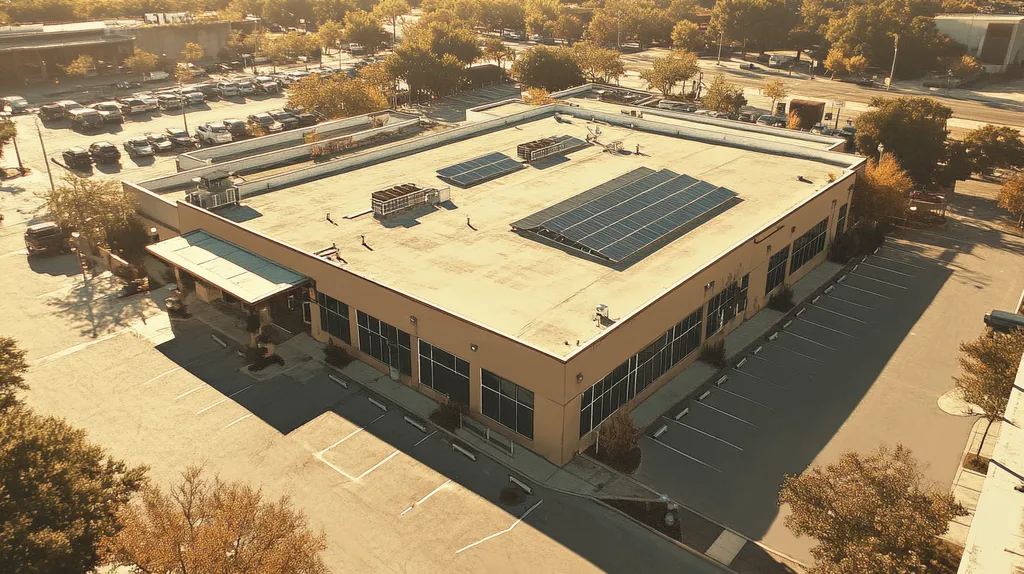
Specialized roofing applications represent a $2.3 billion segment of commercial construction, with unique challenges that standard warranties often fail to address. From vegetative roofing systems to solar installations, these specialized applications require precise material specifications and installation protocols. Without proper warranty coverage, building owners risk catastrophic failures that can cost millions in repairs and lost revenue.
Advanced System Coverage
Manufacturer warranties typically provide comprehensive coverage for specialized roofing systems, including specific performance metrics for innovative materials and technologies. These warranties outline detailed requirements for everything from solar panel integration to green roof components.
The coverage extends to both individual components and their interactions within the complete system. This holistic approach ensures that specialized features maintain their intended performance throughout the warranty period.
Contractor warranties generally focus on basic installation quality rather than specialized system performance. Without specific provisions for advanced applications, these warranties may leave critical system components unprotected.
For specialized system protection, the Manufacturer’s Warranty claims the “ADVANTAGE.”
Technical Support Resources
Manufacturer warranties include access to extensive technical support networks specifically trained in specialized applications. These resources provide crucial guidance for proper maintenance and troubleshooting of complex roofing systems.
Support teams maintain detailed documentation of system specifications and performance requirements. This information proves invaluable when addressing issues unique to specialized installations.
Contractor warranties rarely include dedicated technical support for specialized applications. Most contractors lack the resources to maintain expertise across multiple advanced roofing technologies.
In technical support capability, the Manufacturer’s Warranty earns another “ADVANTAGE.”
Performance Validation
Specialized roofing applications require ongoing performance validation to maintain warranty coverage and ensure optimal function. Manufacturer warranties typically include specific testing protocols and performance metrics that must be documented regularly.
These requirements help identify potential issues before they compromise system integrity. Regular validation ensures specialized features continue meeting design specifications and performance requirements.
Contractor warranties seldom address performance validation for specialized applications. Without established testing protocols, building owners may struggle to verify system performance and maintain warranty coverage.
For performance validation, the Manufacturer’s Warranty secures the “ADVANTAGE.”
ROUND 6 WINNER: Manufacturer’s Warranty
AND THE WINNER IS…
After six punishing rounds of technical evaluation, covering everything from initial costs to specialized applications, we have our undisputed champion!
In a dominant performance that saw victories in all six rounds, the Manufacturer’s Warranty claims the championship belt with a knockout victory over the Contractor’s Warranty!
The champion’s superior performance in material quality, installation oversight, and sustainability credentials proved decisive. Its comprehensive coverage and robust technical support network delivered crushing blows in every category.
However, don’t count the Contractor’s Warranty completely out of the fight! For smaller projects with tight timelines or limited budgets, this scrappy contender can still deliver solid protection without the extensive requirements of its heavyweight rival.
IMPORTANT NOTICE: Every building presents unique challenges that can impact warranty effectiveness. Local climate conditions, specific property characteristics, and regional building codes all play crucial roles in determining the best coverage strategy. This analysis provides general guidance but cannot account for all variables. Building owners should always consult qualified roofing professionals who can evaluate their specific situation.
In the high-stakes arena of commercial roofing, victory goes to those who match their building’s unique requirements with the right warranty’s strengths. Choose your champion wisely – millions in long-term protection hang in the balance!
FREQUENTLY ASKED QUESTIONS
Q. What are the cost differences in commercial roof warranties?
A. Manufacturer’s warranties often come with higher initial costs due to premium materials and strict installation practices. This investment, however, can lead to fewer repairs and longer lifespans. Contractor warranties may lower upfront costs but can result in more significant expenses later due to material degradation and poor installation quality.
Q. How do industrial roofs compare in durability and lifespan?
A. Manufacturer warranties usually focus on durability and lifespan, covering roofs for 20-30 years. This duration reflects confidence in the quality and performance of the roofing materials. In contrast, contractor warranties typically provide shorter coverage, risking premature failures and additional expenses over time.
Q. What maintenance requirements exist for commercial roof warranties?
A. Manufacturer warranties often stipulate specific maintenance schedules and procedures that must be adhered to in order to maintain coverage. These include regular inspections carried out by certified professionals. Contractor warranties generally lack such guidelines, potentially leading to missed maintenance and earlier roof failure.
Q. How is environmental resilience different in commercial roof warranties?
A. Manufacturer warranties usually outline specific protections against environmental challenges, such as extreme weather and UV exposure. They address material performance in various conditions, ensuring roofs withstand local climates. Contractor warranties lack such comprehensive environmental coverage, which can leave buildings vulnerable to environmental stressors.
Q. What role does sustainability play in commercial roofing warranties?
A. Manufacturer warranties frequently include detailed documentation on sustainability features of roofing materials. This documentation is crucial for achieving green building certifications like LEED. Contractor warranties, however, typically do not address sustainability, potentially creating challenges for properties aiming to meet environmental standards.
Q. How do specialized applications affect commercial roofing warranties?
A. Manufacturers often provide warranties that specifically cover advanced systems like vegetative roofs or solar installations. These warranties offer precise specifications and guidelines, ensuring optimal performance. Contractor warranties usually focus on basic installation and may not cover these specialized features, risking costly failures in unique applications.
Q. How do claims resolution processes differ between warranties?
A. Manufacturer warranties typically come with structured claims procedures and defined response times for issues. Access to trained technical support also helps expedite problem resolution. In contrast, contractor warranties can vary in response effectiveness, depending on the contractor’s resources and priorities, potentially delaying solutions to roofing problems.






