

Industrial roof penetrations represent a critical vulnerability point, with studies showing that 40% of commercial roof failures stem from improperly installed or maintained penetrations. These failures lead to millions in damage annually across manufacturing facilities, warehouses, and industrial complexes.
While many facility managers believe they understand proper penetration work, industry data reveals widespread misconceptions about contractor selection and installation requirements. These misunderstandings often result in premature roof failure and costly emergency repairs.
This comprehensive guide examines the most persistent myths about industrial roof penetration work, their practical implications, and evidence-based approaches for selecting qualified contractors to ensure long-term roof integrity.
SECTION 1: COMMON MISCONCEPTIONS
Many property owners make critical roofing decisions based on a series of misconceptions that can lead to costly mistakes. One prevalent myth is that if there are no visible leaks, the roof is in perfect condition. This belief often results in inadequate repairs and neglect of potential underlying issues. Furthermore, some property owners think that do-it-yourself (DIY) repairs can adequately address roof problems, without fully understanding the complexities involved. It’s essential to recognize these misconceptions so that informed decisions can be made regarding roofing maintenance and repairs.
Myth: No Leaks Mean No Problems
Assuming that a roof is fine simply because there are no visible leaks is a dangerous misconception. Many roofs harbor hidden vulnerabilities that can worsen over time without any signs. For instance, moisture can become trapped within roofing layers, leading to mold growth and structural damage that may go unnoticed initially.
Regular inspections are crucial in identifying these hidden issues early. Over time, unchecked moisture can damage insulation, driving up energy costs and complicating future repairs. Proactive roof maintenance is essential; routine evaluations can uncover potential threats before they escalate into costly problems.
In summary, the absence of leaks does not guarantee that a roof is healthy. Building managers should adopt a preventive approach to roofing maintenance to preserve the structure’s integrity for the long term.
Myth: DIY Roof Repairs Are Sufficient
Another widespread misconception is that DIY roofing repairs are sufficient for tackling penetration issues. While some property owners may feel competent to handle minor repairs, the complexities of roofing systems often require specialized knowledge. Poorly executed repairs can inadvertently lead to more significant problems.
For example, a poorly sealed penetration point can result in moisture infiltration, which may cause costly damage over time. In contrast, professional contractors possess the training necessary to employ techniques that ensure comprehensive protection against such risks.
Moreover, many roofing materials require specific installation methods that DIY efforts might overlook. Ignoring these requirements can void warranties and leave property owners responsible for expensive future repairs. Prioritizing professional assistance is essential for effective roof management and long-lasting results.
Myth: All Contractors Are Equally Qualified
A significant misconception is that all roofing contractors have the same level of skill and expertise. In reality, contractors vary widely in knowledge, experience, and specialization. Not all contractors are equipped to handle the specific challenges associated with industrial roof penetration work.
Choosing an unqualified contractor can lead to poor workmanship, which inevitably increases costs from future repairs. For instance, improper installation can void warranties and create safety hazards, underscoring the need for careful selection when hiring a contractor.
Property owners should seek contractors with verified credentials, industry affiliations, and positive reviews from previous clients. Assessing a contractor’s past work and familiarity with local building codes can significantly impact the quality of the roofing project.
Ultimately, acknowledging the differences in contractor qualifications is vital for making an informed choice. Investing time in selecting a qualified professional ensures quality workmanship that will support the long-term success of the roofing system.
SECTION 2: PRACTICAL IMPLICATIONS
When selecting a contractor for roof penetration work, the stakes are high for industrial buildings. Poor choices can lead to significant hidden damage, compromise structural safety, and inflate operational costs. Alarmingly, about 30% of roofing failures arise from improperly installed penetrations. Understanding these practical implications can empower property owners and facility managers to mitigate risks and enhance the longevity of their buildings.
Hidden Damage and Structural Risks
Improperly executed roof penetrations can cause hidden damage, putting a building’s structural integrity at risk. Even a tiny leak from a poorly sealed penetration can lead to serious problems, such as rotting wood trusses and compromising insulation and electrical systems.
If contractors bypass critical waterproofing steps, moisture can accumulate, promoting mold growth and increasing liability for property owners. The necessity for thorough inspections during penetration work cannot be overstated, as they reveal and address potential damage before it becomes severe.
Investing in skilled contractors who specialize in sealing techniques is essential for preventing major issues down the line. Understanding that preventive measures during installation not only protect the roof but also the entire building structure is critical for long-term stability.
By maintaining rigorous attention to detail, the right contractor can ensure lasting performance of penetrations, minimizing future structural risks. Paying close attention to quality today can mean fewer repairs and reduced costs in the future, safeguarding the building’s value.
Impact on Building Insulation and Energy Efficiency
The quality of roof penetration work has a direct impact on insulation and energy efficiency in industrial buildings. Inadequate sealing around penetrations can result in thermal bridging, where heat escapes through poorly insulated areas. This can lead to inflated energy costs; studies reveal that up to 25% of heating and cooling losses can occur through these gaps.
With rising energy prices, maintaining optimal insulation becomes even more critical. Decisions regarding penetration work today can have long-lasting effects on operational expenses. Choosing an experienced contractor emphasizes the importance of using energy-efficient materials and correct installation techniques.
Lessons from previous projects show that high-quality flashing and proper insulation around penetrations contribute to better energy savings and increased comfort within the building. Proactive action regarding insulation during roof penetration work translates into healthier workspaces and more sustainable operations.
Consequences of Poor Flashing and Seams
Poorly executed flashing and seams are often overlooked but can lead to severe consequences. Insufficient flashing can allow water to enter, causing extensive damage to both building materials and equipment. Research indicates that nearly 40% of roofing issues stem from inadequate flashing practices.
The impact goes beyond immediate water damage; ongoing neglect can jeopardize the integrity of roofing systems and escalate repairs into larger, more disruptive projects. Focusing on flashing details during installation is essential to prevent these significant setbacks.
A contractor’s experience with various roofing materials and building types is crucial for applying appropriate flashing techniques. Property owners should prioritize hiring contractors who are familiar with best practices for sealing and flashing around penetrations.
Implementing effective measures to reinforce seams and flashing during penetration work not only prevents leaks but also extends the lifespan of the roof. This proactive approach can lead to substantial financial savings and operational efficiency, ultimately reducing the risk of costly repairs in the future.
SECTION 3: COST OF MISINFORMATION
The risk of misinformation in roofing decisions can lead to devastating financial repercussions for property owners. Misjudging the importance of timely maintenance, especially concerning roof penetrations, can result in structural damage costing thousands of dollars. Studies indicate that neglecting essential upkeep can inflate repair costs by over 25% over just five years. Understanding these financial pitfalls is crucial for managing industrial roofs effectively.
Financial Consequences of Delayed Maintenance
Ignoring regular roof maintenance can be financially perilous. A minor leak at a penetration point may not seem alarming initially, but if left unattended, it can lead to severe water damage. Addressing such issues may later involve costly repairs, including the replacement of insulation and structural elements.
Additionally, neglected roofing can result in inflated energy expenses due to inefficient insulation. Air leaks from damaged roofs drive up heating and cooling costs. The long-term financial burden of delaying maintenance often overshadows any short-term savings achieved by putting off repairs.
Data shows that proactive maintenance can reduce significant repair costs by up to 50%, highlighting the value of timely action. By eschewing necessary upkeep, property owners expose themselves to escalating issues that can become financial nightmares.
Ultimately, misinformation regarding maintenance can lead to compounding costs, squeezing budgets and straining business operations. This reinforces the critical need for accurate understanding and timely intervention.
Warranty Limitations and Exclusions
Warranties for roofing systems often come with stringent requirements regarding maintenance and inspections. Many property owners remain unaware that failing to adhere to these conditions can void their warranties. Routine upkeep is typically mandated to ensure the warranty remains valid.
For instance, if extensive leaks develop due to neglected penetrations, claims under warranty may be rejected, leaving property owners with the full burden of repair costs that could have been covered. The lack of understanding surrounding warranty conditions presents a hidden financial risk.
Moreover, many property owners might employ third-party contractors who do not comply with the warranty specifications, further jeopardizing their coverage. This underscores the importance of careful contractor selection and clear maintenance practices.
In summary, navigating the fine print of warranties is essential to safeguarding investments in roofing systems from unintended liabilities.
Long-Term Costs of Cheap Workmanship
Choosing the lowest bidder for roofing work often leads to higher long-term expenses. Contractors who are unqualified might compromise on materials and techniques, resulting in quicker wear and tear. This may necessitate more frequent repairs and replacements, significantly driving up costs.
Research indicates that opting for cheaper workmanship can lead to a 30% increase in the long-term costs of roof maintenance, erasing any initial savings. What may appear to be an economical choice can evolve into an expensive challenge.
Additionally, inadequate installation practices could result in non-compliance with building codes, leading to fines or mandated modifications. These additional expenses only add to the burden of selecting cheaper options.
Ultimately, investing in qualified and experienced contractors may incur higher costs upfront but pays off with reduced long-term expenditures and enhanced roof life. Quality workmanship is an investment in the roof’s future.
SECTION 4: REALITY CHECK
As industrial buildings age, neglecting regular roof inspections can lead to expensive and unexpected consequences. Research indicates that nearly 30% of industrial facilities encounter leaks, risking costly damage if not addressed promptly. Recognizing the unique challenges presented by different roofing materials, such as gravel and metal, is essential for effective maintenance and decision-making. Additionally, understanding the role of insulation in energy efficiency is crucial, as it directly influences operational costs and overall building performance.
Importance of Regular Roof Inspections
Routine roof inspections are vital for maintaining the long-term integrity of industrial roofing systems. Without these regular evaluations, property owners may miss crucial signs of deterioration that could escalate into significant structural problems.
A survey found that facilities with a consistent inspection schedule save an average of 20% on roofing repair costs over time. Regular inspections help uncover vulnerabilities before they spiral into major issues, allowing for timely and cost-effective interventions.
Inspections can also identify concealed problems like moisture intrusion, which, if ignored, could lead to severe damage and threaten the entire roofing structure. The expenses of neglecting regular inspections can far surpass the costs associated with proactive assessments.
Establishing a comprehensive inspection program fosters a proactive maintenance culture, protecting the roofing investment and extending its lifespan. Such practices also help ensure compliance with industry regulations, safeguarding both property and tenants.
Unique Challenges of Gravel and Metal Roofs
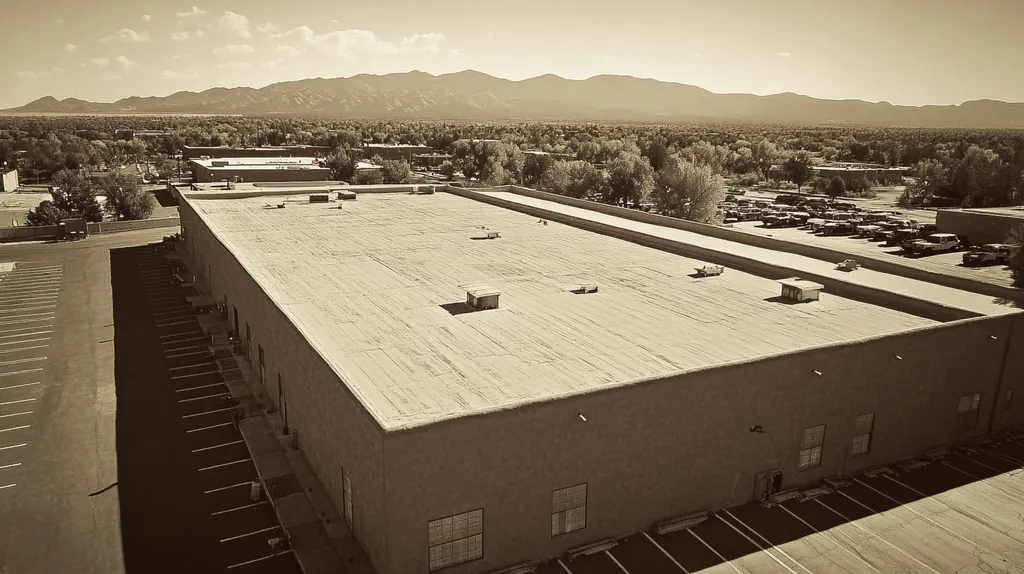
Gravel and metal roofs present specific challenges that necessitate specialized care. While gravel roofs are known for their durability, they can accumulate debris that retains moisture, leading to leaks and structural damage.
In contrast, metal roofs are prone to corrosion, especially under harsh weather conditions. If not properly maintained, rust can compromise the roof’s functionality, heightening the risk of leaks and expensive repairs.
Both roof types feature penetrations that require careful attention, as inadequate sealing around vents, pipes, and other openings can introduce vulnerabilities. Regular maintenance is crucial to mitigate these risks and ensure the overall health of the roofing system.
By understanding the unique maintenance needs of these roofing types, property owners can hire contractors with the expertise needed to manage specific details effectively. This proactive approach enhances the roof’s durability and performance over time.
Role of Insulation in Energy Efficiency
Insulation plays a pivotal role in industrial roofing systems, significantly affecting energy efficiency. High-quality insulation helps maintain steady indoor temperatures, minimizing reliance on heating and cooling systems and driving down energy costs.
Poor insulation can result in thermal bridging, leading to energy loss and higher utility bills. Studies show that enhancing roof insulation can cut energy consumption by up to 30% in certain industrial environments.
Moreover, energy-efficient roofs contribute to sustainability efforts, aligning with increasing environmental standards and regulations. Property owners who invest in proper insulation not only boost building performance but also enhance their facility’s market value.
By understanding the essential function of insulation, facility managers can make informed choices regarding materials and contractors, ensuring that their roofing systems support efficiency and effectiveness.
SECTION 5: EVIDENCE-BASED ALTERNATIVES
Selecting the right contractor for roofing work is not just a preference; it’s a necessity for industrial buildings with intricate penetration requirements. Poor execution in this area can lead to costly leaks, structural damage, and even safety hazards. Alarmingly, nearly 50% of roof failures can be traced back to inadequate installation and maintenance of penetrations. It’s crucial for property owners and facility managers to understand how to choose qualified contractors and adopt preventive strategies to protect their investments. This section will delve into effective contractor selection, the advantages of annual maintenance contracts, and innovative coating options for aging roofs.
Selecting the Right Contractor for the Job
The importance of selecting a qualified contractor for roof penetration work cannot be overstated. Property owners should take the time to verify contractors’ credentials, experience, and past project outcomes. A contractor’s knowledge of local building codes and industry standards can profoundly influence the reliability of the project.
Prioritizing contractors with a proven track record in industrial roofing is a sensible approach. Requesting references and reviewing completed projects can provide valuable insights into a contractor’s capabilities. Certifications from recognized industry organizations can further assure property owners of their expertise.
Effective communication forms the backbone of a successful contractor relationship. A competent contractor should actively engage with property owners, providing updates and insights throughout the project, fostering trust and allowing for necessary adjustments.
Finally, obtaining detailed proposals outlining project timelines, costs, and potential risks can prevent misunderstandings and align expectations. These essential steps ensure a strong partnership, minimizing project disruptions and guaranteeing high-quality workmanship.
Benefits of Annual Maintenance Contracts
Investing in annual maintenance contracts can significantly extend the lifespan and functionality of industrial roofs. These contracts facilitate regular inspections and necessary repairs, reducing the likelihood of unexpected failures. Research shows that consistent maintenance can enhance a roof’s lifespan by 30% or more.
Regularly scheduled inspections allow property managers to catch potential issues, such as leaks at penetration points or worn-out flashing, before they escalate. By addressing these concerns proactively, they can avert more extensive damage and unplanned downtime.
Annual maintenance agreements often come with prioritized emergency services, ensuring that contractors are readily available for urgent repairs, minimizing interruptions to business operations.
Additionally, many contractors include service guarantees within these contracts, promoting accountability and aligning their performance with the property owner’s expectations. This added peace of mind can be invaluable in a demanding industrial environment.
Effective Coating Solutions for Aging Roofs
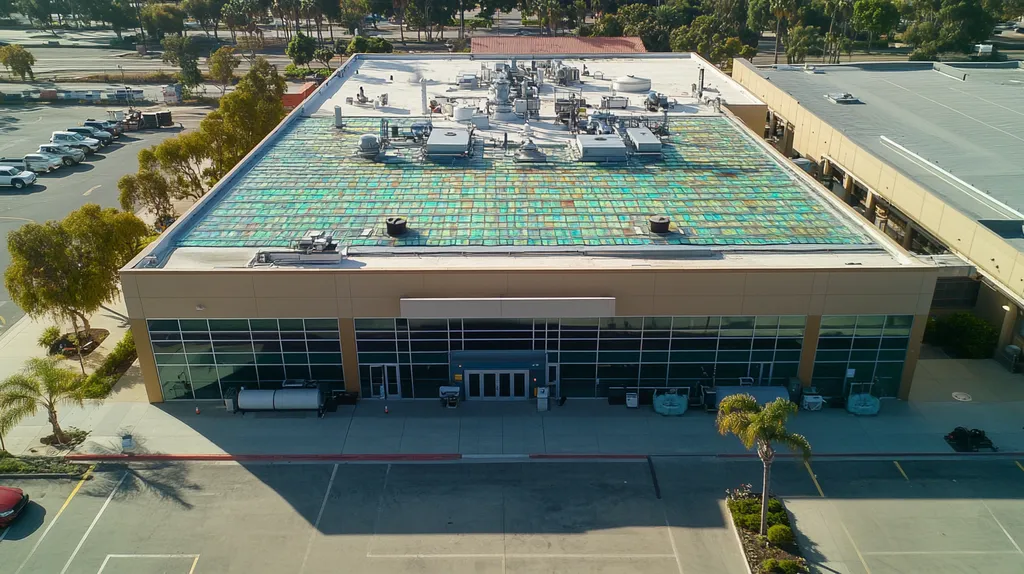
Aging roofs require robust coating solutions to prolong their life and improve performance. Advanced roofing coatings provide an effective protective layer, reflecting sunlight and reducing thermal stress, which is essential for industrial buildings facing significant temperature fluctuations.
Coating systems can effectively seal existing penetrations, bolstering waterproofing efforts. This is critical for preventing future leaks and preserving the structural integrity of the roof. Many modern coatings also come with warranties, adding layers of protection for the investment.
Environmental considerations are increasingly relevant as well. Many contemporary coatings are designed to be energy-efficient, contributing to lower energy costs while aligning with sustainability initiatives. They enhance the overall energy performance of a building, which can be an attractive selling point.
In conclusion, when contemplating coating solutions, property owners should consult experts to determine the best products for their specific roofing needs. The right selection leads to significant long-term savings and boosts the roof’s resilience, ensuring continued protection.
SECTION 6: TEST AND VERIFY
In the high-stakes world of industrial roofing, the consequences of mistakes can be severe. An improperly installed roof penetration can lead to significant leaks, structural damage, and costly repairs. Alarmingly, around 30% of roof-related issues stem from subpar workmanship during penetration work. This section underscores the importance of thorough testing and verification processes to make sure that contractors meet industry standards and that the roofing remains reliable in the long run.
Verifying Contractor Credentials and Experience
Selecting the right contractor for roof penetration work is crucial. Property owners must take the time to verify the credentials of their contractors to confirm they possess the necessary licenses and certifications. For example, contractors should have training specifically in roofing systems and adherence to local building codes.
Experience is key. A contractor with a successful history in similar projects is more likely to grasp the complexities involved in roof penetrations. Contacting references and examining past project outcomes offers valuable insight into a contractor’s ability to deliver high-quality work.
Additionally, verifying insurance coverage is essential. Contractors should hold liability insurance and workers’ compensation to protect property owners from potential liabilities during work. Without these safeguards, property owners face considerable risks.
Certifications from respected manufacturers also suggest that a contractor is qualified to utilize particular products effectively. This not only ensures compatibility but also enhances the performance of roofing materials, reducing the likelihood of future failures.
Conducting Thorough Roof Inspections
Before commencing any penetration work, it is vital for property owners to conduct comprehensive roof inspections. Such inspections can reveal existing vulnerabilities that may worsen with new penetrations. This proactive strategy helps prevent future issues from escalating.
Engaging a certified roofing inspector adds an extra layer of confidence. These inspectors can evaluate the roof’s overall condition and document findings. This report highlights areas needing attention, aiding in well-informed decision-making.
Involving the contractor in the inspection process fosters better planning and communication. Both parties can discuss strategies to minimize risks during installation and agree upon action plans for any identified underlying issues.
Regular inspections should not end after installation. Continuously monitoring the roof’s condition allows for early detection of signs of wear or damage, ensuring that penetrations remain secure and functional over time.
Monitoring and Maintaining Roof Health Over Time
After completing penetration work, consistent maintenance is vital for the roof’s long-term health. Scheduling regular inspections helps property owners address potential issues before they develop into costly repairs. These preventive check-ups can significantly reduce expenses and minimize operational downtime.
Establishing a maintenance plan that includes routine cleaning and timely repairs is essential. This plan should encompass not only the penetrations but the entire roofing system. For example, ensuring that flashings around penetrations are intact greatly diminishes the risk of leaks and moisture intrusion.
Beyond visual inspections, advanced technology such as infrared thermography can identify hidden moisture problems. This technique detects temperature variations in roofing materials, indicating wet areas that require immediate attention.
Finally, maintaining effective communication with contractors about any observed issues ensures timely responses. A proactive approach rather than a reactive one can prolong the roof’s lifespan and avert unexpected renovation costs.
The Bottom Line
With 40% of commercial roof failures stemming from improper penetration work, the stakes for industrial facilities have never been higher.
The evidence clearly shows that selecting qualified contractors, implementing regular inspections, and maintaining comprehensive documentation are essential for protecting these critical building components.
Property owners who verify credentials, demand proper warranties, and invest in preventive maintenance can expect to reduce repair costs by up to 30% while extending roof life by decades.
As industrial buildings become more complex and energy efficiency requirements tighten, the importance of professional penetration work will only increase.
The time to establish rigorous contractor selection processes and maintenance protocols is now, before emergency repairs and structural damage force costly reactive measures.
FREQUENTLY ASKED QUESTIONS
Q. Why is believing no leaks means no roof problems a mistake?
A. Many roofs can have hidden vulnerabilities that aren’t visible. Moisture can become trapped, possibly causing mold and structural damage over time. Regular inspections help identify these issues before they become costly repairs, thus ensuring long-term roof health.
Q. How do poor contractor choices impact my industrial roof?
A. Choosing the wrong contractor can lead to hidden damage and inflated repair costs. Poor workmanship may also void warranties, creating safety hazards that can significantly burden property owners. Therefore, selecting someone well-qualified is crucial for ensuring proper installation and maintenance.
Q. What financial risks are associated with neglecting roof maintenance?
A. Neglecting maintenance can lead to significant costs due to worsening leaks and structural damage. Long-term expenses can escalate if minor issues are not promptly addressed, causing additional financial strain beyond initial repair savings. Proactive upkeep is therefore essential.
Q. Why are regular roof inspections critical for industrial buildings?
A. Routine inspections help catch signs of deterioration before they escalate into major problems. Statistics show that continual evaluations can save a considerable percentage in repair costs, thereby extending the life of the roof and preserving building integrity.
Q. How can annual maintenance contracts benefit my industrial roof?
A. Annual maintenance contracts ensure regular inspections and timely repairs. They can significantly extend the lifespan of your roof while minimizing unexpected failures and associated costs. Plus, many include service guarantees, enhancing accountability among contractors.
Q. Why is contractor verification important in roofing projects?
A. Verifying a contractor’s credentials ensures they possess necessary skills and licenses. Lacking this confirmation can result in poor workmanship and costly mistakes. Ensuring their experience and insurance also safeguards property owners from potential liabilities during the project.
Q. What innovative solutions are available for aging roofs?
A. Advanced roofing coatings provide durability and energy efficiency. They can help seal penetrations and reflect sunlight, reducing thermal stress. Consulting with experts to identify the best coating type enhances roof resilience, leading to significant long-term savings.






