
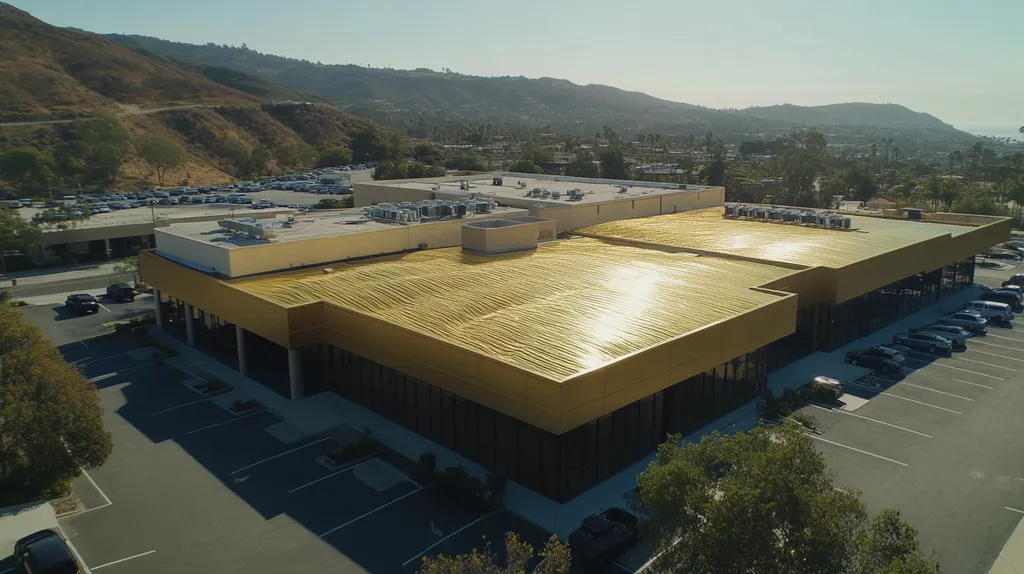
In an era where industrial air quality faces increasing scrutiny, facility managers are discovering an unexpected ally: their rooftops. Poor air quality costs U.S. industries over $8 billion annually in lost productivity and health-related expenses.
Living roofs – essentially functioning ecosystems installed atop industrial buildings – are emerging as a sophisticated solution that can reduce air pollutants by up to 37% while providing additional benefits like energy savings and extended roof life.
This guide unpacks the essentials of living roof systems, from their practical applications in industrial settings to the critical factors that determine their success in improving air quality.
SECTION 1: THE BASICS EXPLAINED
With air quality becoming an increasing concern, industrial facilities find themselves under the microscope. Insufficient air quality can lead to health complications for workers and costly machinery failures. Enter living roofs—an innovative, eco-friendly solution that not only tackles these pressing issues but also enhances the environment of industrial buildings. Grasping the fundamentals of what living roofs are, why they matter, and how they function is essential for property owners and facility managers striving for cleaner, greener operations.
What It Is (In Plain Language)
Living roofs, or green roofs, incorporate vegetation into the roofing system. These roofs support thriving plant life, which offers insulation and minimizes runoff. Unlike traditional roofs, living roofs play a positive role in our ecosystem. Property owners can utilize them to create lush green spaces while championing sustainability.
Constructed with layers that generally include a waterproof membrane, drainage system, and growth medium, living roofs are engineered not just for structural integrity but also for the well-being of plants. This cutting-edge solution can amplify the visual appeal of industrial buildings, transforming them into green oases. By replacing impermeable surfaces with greenery, living roofs take proactive steps to improve air quality.
They can accommodate a variety of robust plant species, handpicked for their resilience and suitability to local climates. Maintenance is typically straightforward—relying on native plants that flourish with minimal care. By understanding the essentials of living roofs, property owners can confidently explore more sustainable roofing options.
Why It Matters (To Your Building)
Air quality is not merely an environmental concern; it directly influences workplace productivity and employee health. Poor air quality can result in respiratory issues and other health woes, which can lead to decreased morale and rising absenteeism. Living roofs can markedly improve air quality by filtering out pollutants, contributing to a healthier work atmosphere.
Moreover, better air quality can lead to enhanced energy efficiency. Living roofs serve as natural insulators, diminishing the demand for heating and cooling in industrial buildings. This translates to lower energy bills and reduced operational costs—an alignment of fiscal prudence with environmental responsibility.
Beyond health and cost advantages, adopting living roofs can greatly boost a company’s reputation. Businesses committed to sustainability often attract more clients and may benefit from tax incentives associated with green building initiatives. Thus, integrating living roofs into industrial facilities is not just eco-friendly; it’s also a savvy business strategy with transformative potential.
How It Works
Living roofs operate through a strategic combination of vegetation, soil, and specially engineered systems that manage water and promote plant growth. Plants are crucial to this system—they absorb carbon dioxide and harmful pollutants while releasing oxygen, which improves air quality both inside and outside the building.
Effective water retention and management are integral features of living roofs. They capture rainwater, which is stored in the growing medium, empowering plants to flourish. This functionality reduces stormwater runoff, mitigates environmental impact, and eases pressure on local drainage systems.
The photosynthesis process carried out by the plant life on living roofs is essential for air purification. By trapping dust, soaking up toxins, and filtering out harmful particulates, living roofs act as natural air filters. Over time, this can lead to a significant improvement in air quality within industrial environments.
To maximize their effectiveness, living roofs require proper installation and routine maintenance. Property owners can reap the greatest benefits by carefully selecting plant species and incorporating technology that monitors roof conditions. This comprehensive approach not only tackles air quality issues but also extends the lifespan of the roofing system itself.
SECTION 2: PRACTICAL APPLICATIONS
As air quality becomes a critical issue in urban industrial landscapes, the case for living roofs stands stronger than ever. Research indicates that urban areas can enjoy a remarkable 20% reduction in air pollution through the incorporation of vegetation into building designs. Living roofs not only enhance the visual appeal of industrial facilities but also serve as essential tools for improving air quality and fostering healthier environments for employees and surrounding communities. This section delves into the common uses of living roofs, the scenarios that highlight their necessity, and how they interact with other building systems.
Common Uses & Examples
Living roofs have become a popular choice in various industrial contexts, striking a balance between beauty and utility. Factories and warehouses are increasingly embracing green roofs, adorned with native flora that effectively filters harmful pollutants. Not only do these environmentally friendly choices enhance energy efficiency, but they also create vital habitats for local wildlife. For instance, cities like Chicago showcase industrial leaders who have adopted these roofs, resulting in measurable drops in local air pollutants.
The adaptability of living roofs also shines through when it comes to stormwater management. By capturing rainwater, these roofs significantly curb runoff and the associated pollution risks. Companies that prioritize sustainability, especially those in eco-friendly manufacturing, often flaunt living roofs as a testament to their commitment, elevating their brand image while contributing to cleaner air. The green landscapes also help combat the urban heat island effect, creating a more pleasant microclimate.
Moreover, workplaces benefit from the psychological effects of greenery. Research shows that employees in environments adorned with plants report higher job satisfaction and lower absenteeism. These living roofs embody dual advantages, nurturing both environmental health and enhancing workplace morale, fostering a happier and more productive workforce.
When You Need It Most
Recognizing the right moment to implement living roofs is essential for maximizing impact. Older industrial buildings often contend with stale air quality due to outdated roofing methods. Those located in bustling industrial zones or high-traffic areas stand out as prime candidates for living roof installations. In these regions, green roofs provide a natural barrier against damaging emissions and particulate matter.
Moreover, major renovations or expansions present a golden opportunity to integrate living roofs into existing structures. This proactive approach not only transforms them into sustainable assets but also ensures compliance with increasing emissions regulations, safeguarding the facility from potential legal hurdles.
Living roofs are particularly advantageous in areas prone to extreme weather conditions. In regions facing intense heat waves or heavy rains, green roofs offer insulation, minimize heating and cooling costs, and mitigate flooding risks. As climate variability threatens industrial operations, the urgency of adopting these solutions becomes clear.
Interactions With Other Systems
Living roofs seamlessly integrate with various building systems, elevating performance and efficiency. For instance, when paired with HVAC systems, they can help reduce energy consumption by naturally cooling ambient temperatures, yielding significant savings in cooling costs for large industrial spaces.
Additionally, a well-designed living roof enhances water management systems by capturing rainwater and decreasing runoff. This reduction minimizes the strain on stormwater drainage systems, thereby lowering municipal fees related to excessive runoff and creating financial incentives for incorporating living roofs.
Furthermore, living roofs can connect with advanced monitoring technologies. Smart building systems track the vegetation’s health and assess their air quality impact, providing invaluable data for facility managers. This information allows for optimized roof maintenance, enabling the living roofs to function at their best.
By acknowledging how living roofs interact with other systems, property owners can craft a holistic strategy that fosters sustainability while simultaneously improving air quality. Such an integrated approach sets the stage for future advancements in industrial roofing.
SECTION 3: KEY TERMINOLOGY DECODED
As air quality issues loom larger over industrial facilities, understanding the key terms associated with living roofs becomes imperative. Solutions that enhance air quality are more than just buzzwords; they’re vital for health and productivity in the workplace. This section breaks down essential concepts and measurements to help property owners and facility managers leverage the full benefits of living roofs.
Essential Terms Explained
Living roofs, or green roofs, are not just lush landscapes planted on rooftops; they’re an ingenious way to insulate buildings while filtering out pollutants from the air. By absorbing carbon dioxide and harmful particulates, these innovative structures significantly combat urban heat islands, making them champions of air quality improvement.
Another key term is “biophilic design,” which underscores the importance of nature in our environments. This philosophy enhances employee well-being by creating spaces that connect people with the natural world. For industrial facilities, incorporating living roofs aligns with both cleaner air initiatives and the mental health benefits that greenery brings.
Then there’s “LEED certification,” short for Leadership in Energy and Environmental Design. As a hallmark of sustainability in construction, living roofs play a crucial role in attaining this certification, boosting not only a facility’s eco-credentials but also its market appeal in an increasingly green-conscious landscape.
Lastly, “stormwater management” describes how living roofs can absorb rainwater and minimize runoff, reducing the risk of pollution in urban water systems. This capability is essential for effective urban planning and environmental protection.
Industry Jargon Translated
Navigating industry jargon can be a challenge, but it doesn’t have to be a roadblock. Terms like “substrate” refer to the specially designed soil or growing medium that supports plant life on green roofs. Selecting the right substrate optimizes both drainage and nutrient availability, ensuring plants thrive while contributing to a roof’s efficiency.
“Diversity” in plant selection is critical for resilience. A mix of native species enhances the ecosystem’s stability, making it less susceptible to pests and diseases. This biodiversity not only boosts rooftop plant health but also contributes to improved air quality.
The term “microclimate” describes the localized environmental conditions influenced by living roofs. These installations can create cooler areas, reducing surrounding temperatures and promoting better air flow in industrial settings.
Finally, “carbon sequestration” is the process of capturing atmospheric carbon dioxide. Living roofs contribute to this effort by monitoring and absorbing CO2, thus lowering greenhouse gas levels and fostering cleaner air for everyone in the vicinity.
Measurement & Units Simplified
Measurements associated with living roofs often involve units like square feet (sq ft) and pounds per square foot (psf). Understanding these units is crucial for assessing how much load existing roofs can handle when being repurposed into living systems.
The “albedo” effect is another measurement worth noting. It gauges the amount of sunlight a surface reflects; a higher albedo means less heat is absorbed, which aids in energy conservation and further enhances air quality.
“Volatile Organic Compounds” (VOCs) are gases emitted from various solids and liquids, including many industrial materials. Living roofs can absorb these compounds, lowering indoor pollution levels and creating a healthier work environment.
Lastly, “ambient air quality” refers to the air quality in the external environment surrounding facilities. This measure directly impacts worker health and community well-being, and living roofs significantly elevate ambient air quality through their natural filtration capabilities.
SECTION 4: DECISION FACTORS
As industries navigate the evolving landscape of environmental regulations, choosing the right roofing solutions has never been more critical. Living roofs present a promising opportunity to not only enhance air quality but also significantly reduce energy costs. Studies reveal that integrating green infrastructure can bolster worker health and productivity—key factors for maintaining a competitive edge. When considering living roofs, property owners and facility managers must carefully weigh several decision factors to ensure they make a well-informed investment.
Cost Considerations
The initial investment for living roofs might raise eyebrows, as costs often surpass those of conventional roofing materials. However, the long-term savings can quickly make up for those upfront expenses. Property owners should take into account energy savings, decreased stormwater management fees, and even possible tax incentives that green solutions may offer.
Moreover, living roofs have a knack for increasing property values. Research indicates that properties featuring green roofs can fetch a price premium of 5-15% compared to traditional counterparts. While initial costs may appear higher, the overall financial picture can turn out quite favorable.
Conducting a thorough cost-benefit analysis enables facility managers to better understand the potential return on investment. Diligently investigating local regulatory frameworks can also unveil financial support opportunities for adopting living roofs, further enhancing their appeal.
Ultimately, while cost is undeniably a significant factor, it shouldn’t overshadow the potential for considerable long-term savings and meaningful environmental contributions.
Performance Trade-offs
Living roofs present a multitude of performance benefits, but they also introduce considerations that facility managers need to evaluate. Notably, they call for a different level of maintenance compared to conventional roofs. Where traditional roofs might only require occasional inspections and spot repairs, living roofs demand routine irrigation and diligent plant care to truly thrive.
Additionally, the weight and structural requirements of a living roof can have implications for the existing building foundation. Ensuring the building can withstand the added load is critical for both safety and performance. Thoughtful planning and assessment can alleviate any potential structural concerns.
Despite these trade-offs, the air quality improvements delivered by living roofs can enrich the overall building environment. By absorbing CO2 and filtering pollutants, they foster healthier indoor air, which is increasingly mandated by occupational health regulations.
The benefits of enhanced biodiversity and visual appeal further elevate the value of these green spaces. Balancing increased maintenance and structural considerations, it becomes clear that the advantages still strongly favor the integration of living roofs.
Lifespan & Durability Factors
The lifespan of a roofing system is an essential component of the investment equation. While traditional roofing systems may last 20-30 years, properly maintained living roofs can reach 40 years or more. Such longevity can lead to substantial cost savings over the long haul.
However, durability is closely tied to ongoing maintenance. Regular upkeep is crucial to preventing plant overgrowth and ensuring optimal functionality. With the right management practices, pests can be controlled, and plant health maintained, contributing to the overall success of the roof.
Moreover, natural elements like wind, rain, and sun exposure play a significant role in the durability of living roofs. Selecting plant species resilient to local climate conditions enhances robustness, ensuring longevity and performance.
In the end, while living roofs require thoughtful consideration regarding lifespan and durability, their potential for longevity combined with environmental benefits often outweighs the initial complexities involved in implementation.
SECTION 5: COMMON CHALLENGES
While living roofs offer a plethora of benefits, implementing them in industrial settings can sometimes feel akin to navigating a minefield. Issues such as maintenance, structural integrity, and environmental factors can turn what should be a breath of fresh air into a source of concern. Property owners must carefully sidestep these challenges to fully reap the air quality rewards that living roofs promise. By addressing common pitfalls, identifying warning signs, and employing preventative strategies, facilities can ensure long-term success.
Frequent Problems & Solutions
In the world of living roofs, inadequate drainage is a notorious culprit. When water gathers and refuses to budge, it can invite plant decay and even place stress on the roof structure. To tackle this, integrating a high-quality drainage layer ensures that excess water is channeled away, maintaining both plant health and structural integrity.
Another common stumbling block revolves around plant selection. Choosing vegetation that is ill-suited for local climate conditions can lead to dismal growth or, worse, total plant loss. Performing a detailed site assessment and collaborating with horticultural experts can significantly elevate the chances of success.
Pest infestations are also a pesky nuisance, as certain insects can wreak havoc on plants and disrupt the ecological balance. Regular inspections paired with organic pest control methods can act as a shield against these threats, fostering a healthy rooftop ecosystem.
Budget constraints often lead to maintenance being shelved, which spells trouble for living roofs. Implementing a consistent maintenance schedule may require an initial investment, but it prevents many issues from escalating and protects both the roof’s functionality and the broader environmental benefits.
Warning Signs To Watch For
Vigilance is the name of the game when it comes to spotting trouble with living roofs. One of the most noticeable warning signs is standing water, which hints at drainage problems that need immediate attention. If water collects repeatedly, it’s time to investigate and rectify the issue before it escalates.
Apathetic plant life is another red flag—discoloration or wilting foliage can point to poor soil composition or nutrient shortages. Conducting a soil test helps pinpoint the problem and guides necessary amendments to elevate the plant’s environment.
Visible pests are further indicators that all is not well. An uptick in insect population often foreshadows a larger ecological dilemma. Taking swift action can prevent these unwelcome guests from spiraling out of control and protect the entire roof ecosystem.
If any signs of structural deformation or cracks appear in the roof substrate, they warrant immediate action. These indications could reveal issues of weight overload or water damage, making it crucial to conduct a thorough structural inspection without delay.
Preventative Approaches
Preventative measures are essential for the longevity and sustainability of living roofs. One effective practice is scheduling regular maintenance checks at least biannually. This proactive approach allows for the early identification of issues, ensuring the roof infrastructure remains robust and reliable.
Moreover, incorporating a diverse array of plant species offers resilience against varying conditions, creating a rich ecosystem that’s less prone to pests. Not only does diversity bolster plant health, but it also enhances the overall appeal of the living roof.
Using high-quality materials during installation is another critical safeguard against early failures. Investing in durable, waterproof membranes can significantly reduce the risks of leaks and water damage, protecting both the plants and the structure.
Finally, training maintenance staff to understand the specific needs of living roofs is invaluable. Knowledgeable personnel can conduct more effective inspections and provide care, prolonging the roof’s life and ensuring it actively contributes to improved air quality.
SECTION 6: NEXT STEPS & RESOURCES
As air quality regulations tighten and environmental concerns rise, industrial facilities must adapt swiftly to remain compliant and competitive. Living roofs offer a proactive solution, but their successful integration requires careful planning and informed decision-making. Property owners and facility managers must know the right questions to ask, understand the applicable standards, and discover further educational resources. This section lays out essential next steps and resources to guide informed discussions regarding living roofs.
Questions To Ask Providers
Before committing to a living roof project, property owners should engage potential providers with well-targeted questions. Critical inquiries should center on the provider’s experience specific to living roofs. Understanding their past projects provides insight into their capabilities and reliability.
Maintenance plans are another vital area to puzzle out. How will the roof’s health be monitored and cared for over its lifespan? It’s important to discuss the sustainability of the vegetation and the mechanisms for irrigation.
Property owners should also probe the expected lifespan of the roof and how it translates into a return on investment. Inquire about concrete metrics on how living roofs can enhance energy efficiency and improve air quality.
Lastly, ensure that the provider is familiar with local regulations on stormwater management and plant-selection guidelines. Such knowledge is essential for securing long-term success and compliance.
Industry Standards & Guidelines
Staying informed about industry standards is crucial for the successful implementation of living roofs. Organizations like the American Society of Landscape Architects (ASLA) and Green Roofs for Healthy Cities (GRHC) offer valuable resources and guidelines that cover essential design standards and maintenance recommendations.
Local building codes rightfully influence the types of plants and systems allowable on living roofs. Familiarizing yourself with these can help avoid costly modifications later on.
Many regions also enforce environmental compliance policies affecting air quality. Understanding these regulations can help align living roof projects with broader community health objectives, possibly opening doors to funding opportunities.
Finally, engaging with local experts and industry associations can provide insights into best practices and innovative techniques for effective living roof systems. This networking can pave the way for successful installations.
Further Learning Simplified
For property owners and facility managers eager to delve deeper into living roofs, numerous resources can simplify complex concepts. Online courses and webinars from reputable industry associations present accessible formats for enhancing expertise.
Reading case studies that highlight successful living roof implementations provides practical insights and invaluable lessons learned. Manufacturers of living roof systems often offer comprehensive guides and documentation that serve as helpful references.
Networking at industry events or workshops offers opportunities for hands-on experience and knowledge exchange among peers. Building relationships within the industry can set a solid foundation for successful projects ahead.
Lastly, subscribing to industry publications focused on sustainable building practices will keep stakeholders informed of the latest trends and developments, fortifying their decision-making toolkit.
Looking Ahead
With industrial air pollution costing global economies over $225 billion annually in health-related expenses, living roofs represent a crucial investment in both environmental and economic sustainability.
These green innovations have demonstrated their ability to reduce air pollutants by up to 37% while delivering tangible benefits in energy savings and increased property values.
As regulations tighten and stakeholders demand greater environmental responsibility, facilities without sustainable roofing solutions risk falling behind their competitors and facing mounting compliance costs.
The question is no longer whether to implement living roofs, but rather how quickly industrial facilities can adapt to this green revolution that promises cleaner air, healthier workplaces, and a more sustainable future.
FREQUENTLY ASKED QUESTIONS
Q. What is a commercial roof and why does it matter?
A. A commercial roof is a specialized roofing system designed for commercial buildings. Its importance lies in protecting assets, providing insulation, and enhancing air quality. With the rise of living roofs, they’re becoming greener and more efficient, making them essential for modern properties.
Q. How can an industrial roof benefit from living roofs?
A. Living roofs on industrial buildings can filter air pollutants, improve employee health, and enhance energy efficiency. They act as natural insulators and help reduce stormwater runoff. These benefits contribute significantly to creating a sustainable industrial environment.
Q. What essential features define living roofs?
A. Living roofs consist of several layers, including waterproof membranes, drainage systems, and soil for plant growth. They support diverse vegetation, which contributes to air quality improvement by absorbing pollutants and releasing oxygen, enhancing the overall urban environment.
Q. What are common challenges of implementing living roofs?
A. Common challenges include maintenance demands, suitable plant selection, and structural integrity concerns. Regular checks are vital to ensure proper drainage and address pest issues early on. Careful planning can mitigate these challenges, ensuring the roof functions effectively for years.
Q. What decision factors should I consider for a living roof?
A. Key decision factors include cost versus long-term savings, maintenance requirements, and structural capacity. It’s also essential to discuss the roof’s expected lifespan and how it aligns with regulatory compliance in air quality standards.
Q. How can I effectively maintain a living roof?
A. Regular maintenance, including inspections and irrigation, is crucial for living roofs. It’s important to monitor plant health, address pest issues promptly, and ensure efficient drainage. Hiring qualified maintenance staff can help keep the roof thriving and functional.
Q. Where can I find further resources about living roofs?
A. Numerous resources are available, including online courses from industry associations and guidelines from the American Society of Landscape Architects. Engaging with local experts, attending workshops, and following publications focused on sustainable building practices can enhance your knowledge significantly.






