

In an era where commercial buildings account for nearly 40% of global energy consumption, the industrial roofing sector stands at a critical crossroads. Traditional roofing systems not only drain business finances but also contribute significantly to environmental degradation.
From solar-integrated designs to vegetation-covered surfaces, revolutionary eco-friendly roofing solutions are transforming how industrial facilities interact with their environment. These innovations promise up to 30% reduction in energy costs while dramatically lowering carbon footprints.
This comprehensive guide explores the latest advancements in sustainable industrial roofing, equipping property owners and facility managers with essential knowledge to make informed decisions about these game-changing technologies.
SECTION 1: FUNDAMENTAL CONCEPTS
As the industrial sector grapples with the urgent demand for sustainable practices, eco-friendly roofing emerges as a game changer. Consider this: a significant portion of energy expenses in commercial properties stems from outdated roofing systems, leading not only to hefty bills but also environmental degradation. By gaining insight into eco-friendly roofing, property owners can make informed choices that not only bolster their financial health but also support the planet’s well-being.
Definition of Eco-Friendly Roofing
Eco-friendly roofing encompasses materials and systems designed specifically to reduce environmental impact. This includes exciting innovations like cool roofs, green roofs, and solar-integrated designs. Each method utilizes sustainable materials or strategies to boost energy efficiency while cutting down on waste.
For example, cool roofs reflect sunlight and absorb less heat, which can lead to lower cooling costs. Meanwhile, green roofs, adorned with vegetation, not only provide extra insulation but also foster biodiversity. These definitions reveal that eco-friendly roofing represents a vibrant array of options, tailored to meet contemporary needs.
Importantly, eco-friendly roofing isn’t solely for new builds; retrofitting existing roofs to meet these green standards can yield remarkable benefits. Upgrading an aging structure enhances its performance and extends its lifespan, significantly increasing its appeal to prospective tenants.
Ultimately, the transition to eco-friendly roofing acts as a proactive response to climate change and the pressing need for energy efficiency. For property managers aiming to adopt sustainable solutions, grasping these fundamental concepts is essential for success.
Environmental Benefits of Sustainable Roofs
Eco-friendly roofing delivers substantial environmental advantages that go beyond mere energy savings. Sustainable roofs can effectively reduce the urban heat island effect, keeping surrounding areas cooler. For instance, cool roofs can mitigate temperature spikes in cities, leading to healthier ecosystems all around.
Furthermore, green roofs play a crucial role in stormwater management. They absorb rainwater, which reduces runoff and the likelihood of flooding. By allowing rainwater to nourish the vegetation, these roofs also lessen the burden on municipal drainage systems.
Moreover, these innovative roofing options contribute to improved air quality. The use of environmentally friendly materials helps lower harmful emissions, boosting the overall health of nearby communities. For instance, plants nestled on green roofs filter pollutants and produce oxygen, enhancing air purification efforts.
Because of these compelling environmental benefits, sustainable roofing systems are vital tools in combating climate change. As industries strive to shrink their carbon footprints, the adoption of these cutting-edge technologies becomes increasingly essential.
Economic Advantages of Green Roofs
Choosing eco-friendly roofing is not just a matter of sustainability; it’s also a savvy economic decision for property owners. While the initial investment might seem steep, the long-term savings can be truly impressive. Energy-efficient roofs can slash cooling costs by up to 30%, resulting in significant savings over time.
In addition, properties sporting sustainable roofing often enjoy a boost in value and marketability. Eco-conscious consumers actively seek buildings with green certifications, which can elevate rental prices and occupancy rates.
Additionally, many governmental programs offer incentives for adopting green building practices, making the financial transition even more manageable. Tax credits and rebates can greatly alleviate upfront costs, motivating property managers to embrace these innovative roofing technologies.
In conclusion, investing in eco-friendly roofing is a strategic move that pays off in both sustainability and savings. As industry standards shift towards greener practices, selecting green roofing solutions can give property owners a competitive edge in an increasingly eco-aware market.
SECTION 2: SYSTEM COMPONENTS
As the movement towards eco-friendly industrial roofing accelerates, understanding the critical system components has never been more important. Property owners and facility managers are faced with impactful choices that influence both environmental sustainability and financial performance. Did you know that roofing systems can contribute to over 25% of a building’s energy consumption? By being aware of material innovations and technological advancements, decision-makers can drive effective action and achieve significant long-term savings.
Sustainable Roofing Materials Overview
Modern sustainable roofing materials are essential players in the quest to reduce ecological footprints. Innovations like recycled shingles and cool roofing materials not only conserve energy but also enhance performance. For instance, reflective membranes help keep roof temperatures down, which in turn reduces the demand for air conditioning.
The financial rewards of utilizing sustainable materials extend well beyond energy savings. Many green options also boast increased durability, resulting in fewer replacements over time. A longer lifespan translates to less resource consumption and waste.
Property owners are now turning to materials such as rubber and TPO roofs. These eco-friendly and cost-effective solutions contribute to sustainability while easily meeting regulatory standards that foster environmentally responsible practices.
By investing in sustainable roofing, property performance improves while property values potentially rise. As awareness of environmental issues grows, buildings featuring green roofing solutions attract more interest from tenants and buyers alike.
Green Roof Systems and Components
Green roof systems epitomize innovation in eco-friendly roofing. These living roofs not only support plant life but also serve as natural insulators and effective stormwater management systems. A well-constructed green roof can cut energy use by as much as 25%!
Key components of a green roof include a waterproof membrane, drainage layers, and a growing medium. Each element collaborates to sustain plant health while safeguarding the building beneath. This layered approach promotes better temperature regulation and improves air quality.
In addition, green roofs play a significant role in preserving biodiversity by creating habitats for various species. As urban landscapes expand, integrating green infrastructure becomes vital for promoting sustainability and counteracting the urban heat island effect.
Investments in green roofs can also open doors to financial incentives like tax breaks and grants. These benefits can help alleviate initial installation costs, making green roofs a viable choice for various facilities.
Energy-Efficient Roofing Solutions
Energy-efficient roofing solutions have revolutionized the industrial roofing sector. Technologies such as solar panels and high-efficiency insulation have become standard, with potential for energy savings exceeding 30%!
Reflective coatings and membrane systems enhance energy efficiency by limiting heat absorption. Structures equipped with these solutions stay cooler, leading to reduced cooling expenses during the warmer months and fostering sustainable building operation.
Advanced insulation materials, like spray foam, offer superior thermal resistance, ensuring buildings remain comfortable regardless of outside temperatures. Adhering to modern energy codes has become increasingly important, and higher insulation standards help meet these regulations.
By placing a premium on energy-efficient roofing solutions, property owners can significantly lower operational costs while creating healthier environments. Buildings that embrace these technologies typically achieve better energy ratings, enhancing their competitive standing in an eco-conscious market.
SECTION 3: IMPLEMENTATION METHODS
The urgency for eco-friendly solutions in industrial roofing cannot be overstated. Given that buildings contribute a staggering 39% of carbon emissions according to the U.S. Environmental Protection Agency, the industry’s shift towards sustainable roofing practices is essential for curbing these figures. By implementing methods like using recycled materials, integrating solar panels, and adopting green roofing systems, property owners can play a significant role in reaching sustainability milestones while reaping tangible benefits.
Installing Recycled Roofing Materials
Utilizing recycled roofing materials is a powerful way to curb landfill waste and promote sustainability. Traditional materials, like asphalt shingles, often find their way to landfills when replaced. By choosing materials reinforced with recycled content, property owners can help close the loop in the roofing supply chain. For instance, some modern roofing membranes are made from post-consumer plastics, cutting down on environmental impact significantly.
This commitment to recycled materials also brings potential cost savings. Many states provide financial incentives for projects that incorporate recycled content, making the upfront investment more manageable. Plus, these materials typically meet or surpass industry standards for durability, ensuring long-lasting roofing solutions.
By opting for recycled materials, businesses also send a strong message about their dedication to sustainability, appealing to customers and clients who value eco-friendliness. This choice can elevate a building’s marketability and reputation in a competitive landscape.
In summary, integrating recycled roofing materials is a straightforward, impactful way to support both the environment and the integrity of industrial roofs.
Integrating Solar Panels and Reflective Coatings
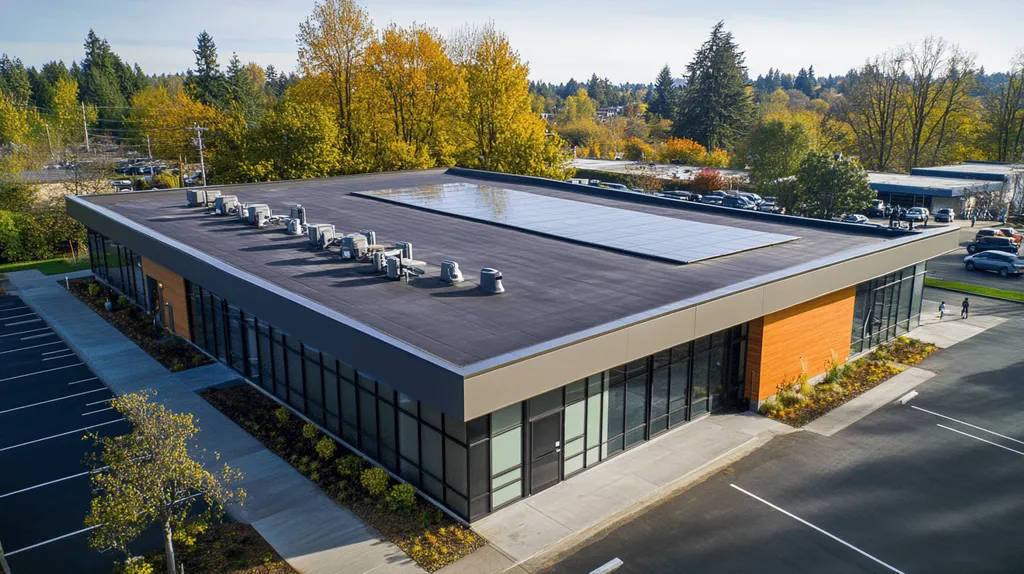
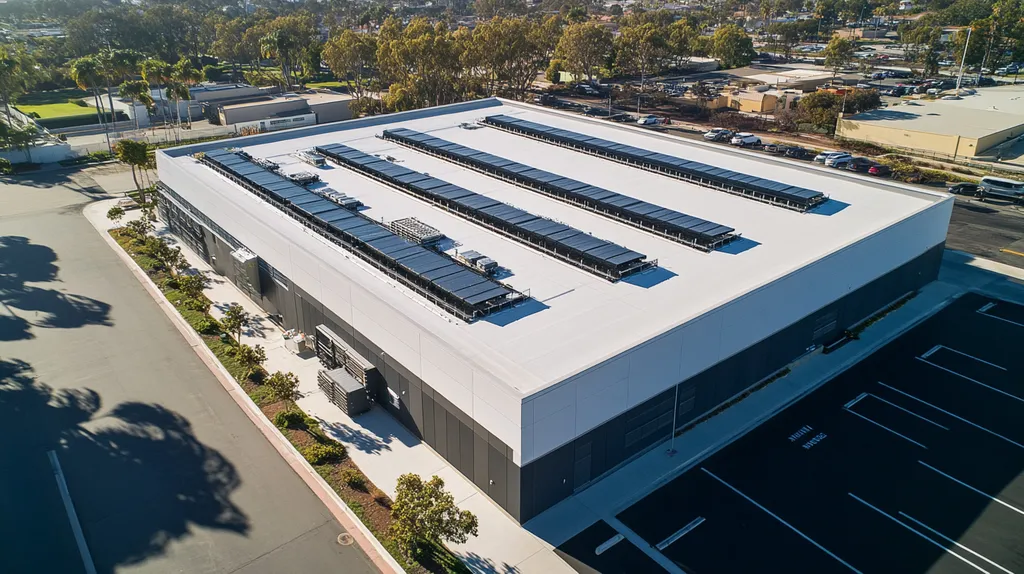
Solar panels have gained notoriety as indispensable additions to industrial roofs. The National Renewable Energy Laboratory highlights rooftops as prime locations for solar systems, making the integration of solar panels a savvy choice. By harnessing solar energy, property owners can reduce their reliance on fossil fuels while enjoying long-term cost savings due to energy independence.
To enhance energy efficiency further, reflective coatings can be applied to roofs. These coatings effectively minimize heat absorption, decreasing energy costs by reducing the need for cooling during warmer months. When used alongside solar panels, reflective coatings optimize energy systems, enhancing overall efficiency.
Implementing Green Roofing Systems
Green roofing systems are transforming the industrial roofing space. These innovative systems involve cultivating vegetation on rooftops, providing remarkable insulation and reducing stormwater runoff. According to the Green Roofs for Healthy Cities organization, a single green roof can absorb up to 25% of rainfall, alleviating some common stormwater management challenges.
Furthermore, green roofs purify the air by filtering pollutants and carbon dioxide, creating healthier urban environments. They additionally offer habitats for various species, promoting biodiversity and contributing to a more balanced ecosystem. Facilities that adopt green spaces can significantly enhance their ecological footprint.
SECTION 4: MAINTENANCE REQUIREMENTS
As eco-friendly roofing systems grow in popularity, understanding their maintenance requirements becomes vital for property owners. Keeping these advanced roofing solutions in top shape is crucial not just for operational efficiency but for maximizing their environmental benefits. Regular inspections and diligent care prevent costly repairs down the road and ensure that energy consumption remains low.
Routine Inspection and Repair
Regular inspections serve as a crucial first step in maintaining eco-friendly roofs. Property owners should conduct inspections at least twice a year, ideally before and after extreme weather events. This proactive approach helps identify potential issues like leaks, wear, and structural damage before they escalate.
Timely repairs are vital for extending the lifespan of eco-friendly roofing systems. For instance, addressing minor issues like damaged sealant or flashing can stave off major water damage. Neglecting small problems often leads to larger, more expensive headaches, including structural complications for the entire building.
A responsive maintenance plan ensures that when problems arise, swift action can be taken. This not only saves property owners from costly emergency repairs but also empowers them to protect their investments. In essence, routine inspections and prompt repairs are best practices in preserving the integrity of eco-friendly roofs.
Maintenance of Green Roof Vegetation
When it comes to green roofs, the health of the vegetation is paramount. Routine maintenance tasks like weeding, watering, and fertilizing are essential for ensuring that plants thrive while maximizing their efficiency. Neglecting vegetation care can result in root damage and decreased effectiveness in stormwater management.
Property owners should implement a maintenance schedule tailored to the specific needs of their greenery. Collaborating with professional landscapers who specialize in green roofs provides expertise to help these plants flourish. Regular checks allow for timely replacement of any dead or struggling plants, keeping the green roof at peak performance.
Healthy vegetation not only enhances insulation but also contributes to urban biodiversity. By ensuring that green roofs are properly maintained, property owners enable these systems to deliver ecological advantages while improving the building’s visual appeal. Balancing ecological responsibilities with aesthetic considerations is crucial for successful maintenance planning.
Upkeep of Energy-Efficient Roofing
Energy-efficient roofing systems often have specific maintenance needs to ensure optimal performance. Regularly cleaning reflective surfaces is essential, as dirt and debris can compromise energy savings. A dirty roof diminishes solar reflection, raising cooling costs and undercutting the intended efficiencies.
To further enhance energy efficiency, reflective coatings must be inspected and reapplied as needed. Property owners should consult with their roofing contractors to establish best practices for maintaining these surfaces and ensuring long-term performance.
Routine inspections should also target insulation and ventilation issues. Proper airflow and insulation are key to preventing heat retention, which can lead to increased energy costs and decreased comfort levels inside the building. Neglecting these factors not only impacts energy performance but also diminishes the overall effectiveness of eco-friendly roofing solutions.
SECTION 5: PERFORMANCE METRICS
In the quest for sustainable industrial roofing, understanding performance metrics is paramount. These metrics significantly affect energy consumption, operational costs, and environmental impact—all vital for property owners and facility managers. Did you know that a well-designed eco-friendly roof can cut energy costs by up to 30%? This highlights the immediate financial advantages associated with sustainable roofing investments. In this section, we’ll delve into energy efficiency, stormwater management, and the lifecycles of modern industrial roofing systems.
Energy Efficiency and Cost Savings
Energy efficiency in industrial roofing is no longer just a trend—it’s a must. A considerable portion of a building’s energy consumption originates from its roofing system. Innovative reflective roofing materials help reduce heat absorption, leading to decreased reliance on air conditioning.
This reduction not only lowers utility costs but also prolongs the life of HVAC systems. For instance, using cool roofing technologies can decrease energy expenses by as much as 20% annually. Imagine the resources saved over time!
Moreover, many utility companies provide rebates and incentives for businesses that adopt energy-efficient roofing solutions. This financial kickback can significantly offset initial investments, enhancing the economic benefits of eco-friendly roofing.
In summary, embracing energy-efficient roofing solutions offers immediate cost savings and helps achieve long-term sustainability goals.
Stormwater Management and Runoff Reduction
Effective stormwater management is vital in urban landscapes, where concrete and asphalt lead to flooding and water quality dilemmas. Eco-friendly roofing solutions, such as green roofs and permeable membranes, tackle stormwater issues head-on.
Green roofs can capture rainwater, allowing it to evaporate or nourish plants, reducing runoff by up to 75%. This not only helps prevent flooding but also enhances local biodiversity by creating more green spaces.
Additionally, these advanced systems assist property owners in complying with local regulations that increasingly impose sustainable water management practices. Non-compliance can result in hefty fines and reputational damage, making eco-friendly upgrades a smart move.
In essence, superior stormwater management through eco-friendly roofing contributes significantly to urban resilience and adherence to environmental regulations.
Life Cycle Assessment and Durability
The life cycle assessment (LCA) of roofing materials is crucial for evaluating their overall environmental impact. When assessing a roof’s full lifecycle—from its production to disposal—property owners can make informed, impactful decisions.
Many modern eco-friendly roofing materials emphasize longevity, offering warranties that surpass 30 years. This durability equates to lower maintenance costs and infrequent replacements, both of which are financial wins.
Moreover, advanced materials often use recycled content, reducing their ecological footprint. LCAs reveal that these roofs might boast a smaller carbon footprint compared to traditional materials throughout their lifespan, making the upfront investment worthwhile.
Ultimately, examining the life cycle and durability of roofing systems highlights both economic and environmental benefits of investing in eco-friendly solutions.
SECTION 5: PERFORMANCE METRICS
In the race toward sustainable industrial roofing, grasping performance metrics is essential. These metrics impact energy consumption, operational costs, and environmental outcomes—key concerns for property owners and facility managers alike. For instance, a well-crafted eco-friendly roof can slice energy expenses by up to 30%, underscoring the immediate financial benefits of sustainable roofing options. This section will take a closer look at energy efficiency, stormwater management, and the longevity of modern industrial roofing systems.
Energy Efficiency and Cost Savings
Energy efficiency in industrial roofing isn’t just an add-on—it’s a necessity! A significant chunk of a building’s energy usage can be traced back to its roofing system. With advancements in reflective roofing materials, heat absorption is significantly reduced, allowing for less dependency on air conditioning.
This cut in energy consumption translates not only to lower utility bills but also extends the lifespan of HVAC systems. For example, deploying cool roofing technologies can slash energy expenses by an impressive 20% each year!
Many utility companies sweeten the deal by offering rebates and incentives for businesses adopting energy-efficient roofing solutions. This financial boost can significantly alleviate the initial investment, making eco-friendly roofing even more appealing.
In summary, choosing energy-efficient roofing solutions leads to immediate cost savings while also advancing long-term sustainability goals. It’s a win-win for both the wallet and the planet!
Stormwater Management and Runoff Reduction
Effective stormwater management is a pressing concern in urban settings, where hard surfaces lead to flooding and compromised water quality. Fortunately, innovative eco-friendly roofing solutions, such as green roofs and permeable membranes, tackle stormwater challenges head-on.
Green roofs can capture substantial rainwater, allowing it to either evaporate or nourish plants, reducing runoff by up to 75%! This not only cuts down on flood risks but also enhances local biodiversity through the creation of vibrant green spaces.
Implementing these smart systems aids property owners in adhering to local regulations, which increasingly mandate sustainable water management practices. Ignoring these guidelines can lead to hefty fines and reputational hits, so eco-friendly renovations emerge as both a responsible and strategic choice.
In essence, effective stormwater management through eco-friendly roofing enhances urban resilience and guarantees compliance with environmental legislation.
Life Cycle Assessment and Durability
Understanding the life cycle assessment (LCA) of roofing materials is an essential step in evaluating their overall environmental impact. By examining a roof’s entire lifecycle—from production to disposal—property owners can make informed, impactful choices.
Today’s eco-friendly roofing materials are designed for longevity, with many options offering warranties that exceed 30 years. This durability means reduced maintenance costs and fewer replacements over time, contributing to both economic and environmental benefits.
Moreover, many advanced materials incorporate recycled content, further lowering their ecological footprint. Assessing the LCA reveals these roofs can have a smaller carbon impact compared to traditional materials throughout their lifespan, validating the initial investment.
Ultimately, evaluating the life cycle and durability of roofing systems reinforces the economic and environmental advantages of investing in eco-friendly solutions.
Looking Ahead
With commercial buildings contributing 40% of global energy consumption, the transition to eco-friendly industrial roofing isn’t just an option—it’s an imperative for environmental and economic sustainability.
The innovations explored in this guide, from solar-integrated systems to green roofs, demonstrate potential energy savings of up to 30% while significantly reducing carbon footprints.
As regulations tighten and climate challenges intensify, property owners who embrace these sustainable roofing solutions position themselves at the forefront of industry evolution.
The future of industrial roofing lies in these eco-friendly alternatives, offering a clear path toward reduced operational costs, enhanced building performance, and meaningful environmental stewardship.
The question isn’t whether to adopt sustainable roofing—it’s how quickly you’ll implement these game-changing solutions to secure your property’s future.
FREQUENTLY ASKED QUESTIONS
Q. What is eco-friendly roofing for a commercial roof?
A. Eco-friendly roofing refers to materials and systems designed to minimize environmental impact. This includes innovative options like cool roofs or green roofs that enhance energy efficiency while reducing waste. Retrofitting existing roofs to meet eco-friendly standards can boost property performance significantly.
Q. What are key components of an industrial roof system?
A. Important components of an industrial roof system include sustainable materials like reflective membranes and insulation. These elements work together to enhance energy efficiency and promote durability. Investing in these components can lead to significant long-term savings and environmental benefits.
Q. How can I implement green roofing systems?
A. You can implement green roofing systems by cultivating vegetation on rooftops to enhance insulation and stormwater management. These systems often require an initial investment but can significantly reduce energy costs and improve air quality over time, making them a worthwhile endeavor.
Q. What maintenance is needed for eco-friendly roofs?
A. Regular inspections and prompt repairs are crucial for maintaining eco-friendly roofs. This includes checking for leaks and wear, as well as caring for any vegetation on green roofs. Ongoing maintenance not only prevents costly repairs but also maximizes energy efficiency.
Q. How do I evaluate energy efficiency in my commercial roof?
A. To evaluate energy efficiency, analyze your roof’s insulation, reflective materials, and overall performance. Innovative solutions, like cool roofing, can reduce heat absorption and energy costs significantly. Additionally, consider tax incentives available for energy-efficient upgrades to enhance savings.
Q. How do eco-friendly roofs contribute to stormwater management?
A. Eco-friendly roofs help manage stormwater by capturing rainwater and allowing it to evaporate or nourish the vegetation. This reduces runoff and significantly decreases the risk of flooding, making them vital in urban landscapes where water management is crucial.
Q. What financial incentives exist for installing industrial roofs?
A. Various financial incentives, such as tax credits and rebates, are often available for installing energy-efficient roofing solutions. These programs can reduce the initial investment and enhance the overall appeal of eco-friendly upgrades, making them more accessible for property owners.






