

Historic commercial buildings are facing a roofing crisis, with 47% of structures requiring major repairs within the next decade due to inappropriate material choices and installation methods.
From Victorian warehouses to Art Deco office buildings, each architectural style demands its own specialized roofing approach to maintain both structural integrity and historical authenticity.
Property professionals must navigate complex decisions around materials, compliance requirements, and installation techniques that can impact building value by up to 35%.
This comprehensive guide examines the critical factors in selecting and implementing roofing solutions that honor architectural heritage while meeting modern performance standards.
SECTION 1: PERFORMANCE FACTORS
The integrity of a historic building’s roof isn’t just about aesthetics—it’s a matter of survival! A compromised roof can lead to structural failures, hefty repair bills, and a drastic drop in property value. Inadequate roofing techniques can shave decades off the lifespan of these invaluable structures. For property owners and facility managers, grasping the performance factors of roofing options suited to historic styles is absolutely essential.
Structural Integrity Assessment
Kickstarting any roofing project on a historic building means performing a structural integrity assessment of the roof. This crucial step involves scrutinizing the existing framework for signs of decay, warping, or damage. Many older roofs endure unique loads from original construction methods that may not align with today’s safety standards.
A comprehensive evaluation pinpoints weaknesses that could compromise the overall safety of the building. For instance, a roof on a vintage warehouse might not support modern rooftop equipment without some serious reinforcement. Failing to catch these potential pitfalls can result in safety hazards and unforeseen expenses down the road.
Roofers need to consider the weight and nature of new materials introduced as well. Traditional materials like slate or cedar shakes may shine in historical contexts, but they demand a substantial structure underneath to hold their heft. Ignoring structural assessments can lead to premature failures and escalating costs later on, so prioritizing this evaluation is crucial to preserving historical significance.
Key Action Items
Material Compatibility and Durability
Selecting the right materials is vital when roofing historic buildings. Many modern materials simply don’t fit the bill; some can disrupt the building’s historical charm. It’s critical to evaluate historically accurate options for their longevity and visual appeal.
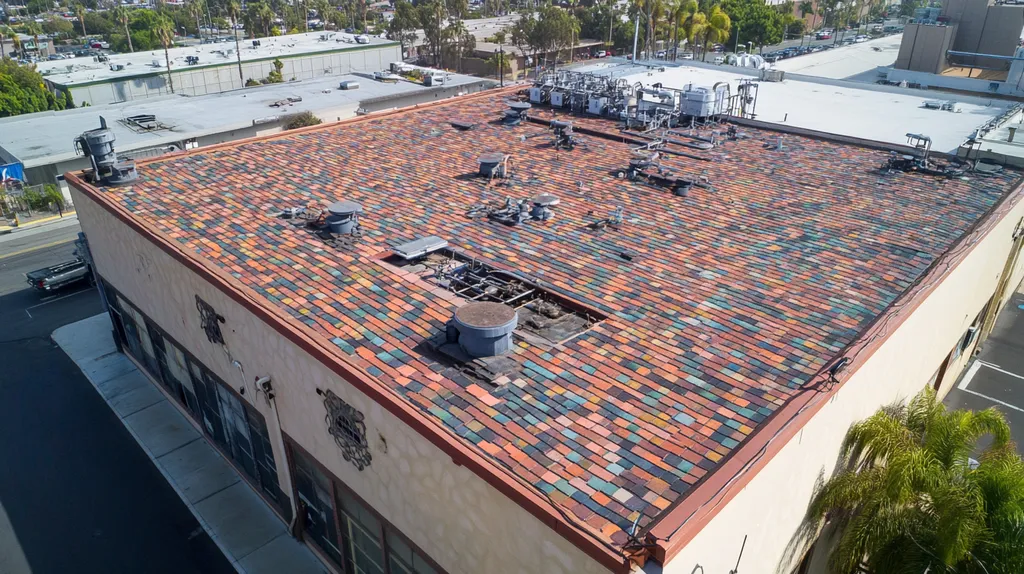
For example, opting for asphalt shingles instead of traditional clay tiles on a Victorian-era home would not only take away from its unique character but could also elevate maintenance costs in the long term. Using incompatible materials may trap moisture, consequently leading to rot and structural issues.
Durability stands as another performance cornerstone. Materials that are weather-resistant and mimic historic styles can prevent future repair headaches. A metal roof designed to look like slate can offer lasting protection while honoring the building’s original aesthetic.
Key Action Items
Aesthetic Consistency with Historical Style
Maintaining aesthetic consistency is crucial for preserving the cultural value of historic buildings. Property professionals need to prioritize roofing solutions that respectfully reflect the original architectural style. This isn’t just about looks; it’s about understanding the historical significance that design conveys.
Inconsistent roofing choices can undermine a building’s integrity and historical narrative. For example, a replacement roof that doesn’t honor the original design can clash with neighboring historic structures, jeopardizing the community’s visual harmony.
Furthermore, local historical preservation codes often impose guidelines about material types and colors. Ignoring these regulations risks penalties and may force property owners to redo roofing projects, racking up unexpected costs. By ensuring aesthetic consistency, facility managers foster an environment that values heritage while protecting property investments.
Key Action Items
SECTION 2: FINANCIAL CONSIDERATIONS
When it comes to roofing for historic commercial properties, financial implications are more than just numbers on a spreadsheet—they can make or break the project’s success! Failing to accurately budget can lead to unforeseen expenses that leave property owners scrambling. Alarmingly, 30% of property owners underestimate the long-term maintenance costs tied to historic roofing. Recognizing these financial aspects is key to making educated choices that support both preservation goals and budget realities.
Initial Installation Costs and Budgeting
The initial investment required for roofing a historic property can vary greatly depending on factors like material choices, complexity, and local labor rates. Quality materials that honor historic preservation often come with a premium price tag. For instance, while metal roofs are renowned for their durability, they typically cost more than standard asphalt shingles.
To ensure a successful project, property owners should hire experienced contractors who specialize in historic roofing practices. This way, they receive accurate estimates that encompass both material and labor costs. Budgets should also incorporate potential costs for compliance with regulations and the specialized craftsmanship necessary for meticulous restoration.
Being well-informed regarding financing options—like grants or tax incentives geared towards historic preservation—can significantly lighten the financial load of installation. By leveraging these resources, roofs can simultaneously meet aesthetic standards and fiscal realities.
Key Action Items
Long-Term Maintenance and Repair Expenses
Long-term maintenance for historic roofs is a critical financial consideration that can dramatically affect the overall cost of ownership. Skipping out on maintenance leads to neglected issues that result in costly repairs down the road. For example, foregone regular inspections can invite leaks that may cause interior damage.
It’s essential to seek out preservation specialists for ongoing maintenance, as their expertise can help minimize the frequency and severity of repairs. Using the right techniques and materials ensures that future costs are kept in check.
To proactively budget for maintenance, plan for routine evaluations, ideally every six months to a year. This forward-thinking approach allows property managers to catch minor problems before they inflate into larger expenses.
Key Action Items
Return on Investment and Cost-Benefit Analysis
Calculating return on investment (ROI) is vital for property owners exploring roofing options. When assessing ROI, consider how the expected lifespan of materials and the historical value they uphold contribute to overall benefits. For instance, slate roofs not only enhance aesthetic appeal but also offer longer-lasting value compared to typical options.
Additionally, a roof’s quality can significantly impact property value. Investing in a well-maintained historic roof boosts curb appeal and can lead to higher market demand and rental income. Properties in prime areas with preserved roofs often command premium prices.
Moreover, integrating modern technologies, such as energy-efficient materials or reflective coatings, can lower energy costs and yield long-term savings. Evaluating both quantitative and qualitative benefits ensures investments meet business and community standards, thereby securing the legacy of historic properties for future generations.
Key Action Items
SECTION 3: COMPLIANCE REQUIREMENTS
For property owners and facility managers, adhering to compliance requirements in historic roofing projects is essential—it’s the difference between a successful renovation and costly setbacks. Ignoring historical preservation codes could result in hefty fines and project delays. Local jurisdictions often enforce strict regulations to safeguard the aesthetic integrity of historic neighborhoods, making it critical to understand these codes before starting work.
Adherence to Historical Preservation Codes
Historic buildings are often protected by preservation codes that prioritize their original design features. These codes dictate what materials, colors, and roofing styles may be used during maintenance and restoration efforts. For example, substituting modern roofing materials that don’t align with a building’s historical character can lead to significant penalties.
Before starting any roofing project, property owners should thoroughly research the historical preservation codes specific to their area. Each city or state may have its own nuanced guidelines that can greatly impact the approved restoration methods.
Failing to comply not only invites legal issues but can also jeopardize historic grants or tax credits intended to support the project. Engaging with local historical societies and preservation boards early in the planning process is strongly recommended.
Key Action Items
Compliance with Local Building Regulations
In addition to historical preservation codes, property owners must navigate local building regulations that establish additional standards for roofing projects. These regulations often encompass structural integrity, safety standards, and environmental considerations.
Roofing choices must align with energy efficiency guidelines and structural safety protocols set forth by local authorities. For instance, roofing structures might need to withstand specific load requirements, especially in regions that experience severe weather.
Neglecting these regulations can lead to dangerous situations post-installation and can put the building’s operational permits at risk. Regular consultations with local building inspectors can help minimize compliance-related issues and keep the project on track with community standards.
Key Action Items
Obtaining Necessary Permits and Approvals
Acquiring the necessary permits and approvals for a historic roofing project is a crucial step that can affect the timeline of the entire project. Different municipalities may have varying requirements, so it’s essential to understand the specific type of work involved and apply for the appropriate permits.
This may range from simple roof repairs to complete replacements, with some initiatives requiring public notification or community feedback. The permitting process can often be lengthy, with certain applications taking weeks or even months to obtain.
Property owners should start the permitting process well in advance to avoid delays. Understanding the permit requirements early also aids in budgeting and project organization.
Key Action Items
SECTION 4: RISK MANAGEMENT
Effective risk management is essential for property owners and facility managers when tackling roofing projects involving historic buildings. The distinct architectural features of these roofs call for a thoughtful approach to weighing structural loads, mitigating fire hazards, and addressing weather-related challenges. Neglecting these risks can lead to pricey repairs and safety concerns. A proactive stance ensures both the roof and the building’s historical essence are preserved.
Assessing Weight and Structural Load Risks
Recognizing the weight and structural load risks tied to historic roofing materials is critical for safety. Many traditional roofs utilize heavy materials such as slate or tile, imposing significant demands on the building’s structure. If the underlying framework lacks adequate support, this additional weight can compromise overall integrity.
Prior to any roofing endeavor, property professionals should conduct a comprehensive structural assessment. Collaborating with a qualified structural engineer helps identify necessary reinforcements or adjustments. Ignoring these evaluations can result in severe issues that impact not only the roof but also the entire building.
Furthermore, when considering new roofing materials, lighter options that mimic historical designs while offering necessary support can be beneficial. Selecting historically accurate, yet structurally sound materials safeguards both the appearance and functionality of the building.
Key Action Items
Mitigating Fire and Weather Damage Risks
Fire and weather damage pose significant threats to historic roofing systems. Many older roofing materials, particularly those made from wood or untreated components, may be more vulnerable to fire incidents. It’s crucial to ensure roofs meet modern fire safety codes to mitigate these risks.
Applying fire-retardant coatings or treatments can substantially improve the safety of historic materials, reducing the likelihood of devastating fires. Additionally, regular inspections and preventive maintenance—such as removing debris—play a vital role in decreasing fire hazards in dry conditions.
Weather-related risks also demand attention. Historic roofing can be vulnerable to extreme weather, like heavy snowfall or strong storms. Property managers should verify that roofs are equipped to withstand local weather conditions through routine inspections and weather-proofing techniques.
Key Action Items
Managing Maintenance and Inspection Schedules
Routine maintenance and timely inspections are the backbone of effective risk management for historic roofs. Establishing a detailed schedule is essential to catch small issues before they escalate into significant problems. Given their unique vulnerabilities, historic roofs benefit from specialized expertise during assessments.
Inspections ideally occur every six months to monitor wear and tear comprehensively. It’s important to evaluate both the roofing materials and the underlying structure to proactively safeguard against unexpected failures and their associated costs.
Additionally, maintaining an exhaustive maintenance log is advantageous. Keeping track of inspections, repairs, and treatments provides invaluable insights into the roof’s long-term performance, informing future strategies for preservation.
Key Action Items
SECTION 5: OPERATIONAL PROCEDURES
Operational procedures are the backbone of successful historic roofing projects. With multimillion-dollar investments at stake, even minor oversights can snowball into costly repairs. A meticulous approach to planning, execution, and post-installation inspection is key for minimizing risks while safeguarding the historical value of the property. This section outlines the essential steps for executing roofing projects, highlighting pre-installation preparations, best practices during installation, and critical post-installation actions.
Pre-Installation Planning and Site Preparation
Getting pre-installation planning right is crucial. Begin by assessing the existing roofing structure and conducting a detailed inspection to ensure it meets the needs of the historic property. For example, traditional materials like slate or clay tiles remain essential for Victorian buildings, as modern substitutes might compromise its charm.
Creating a comprehensive project plan is fundamental. This document should outline all phases, timelines, and specific roles for each team member. By clarifying responsibilities, the risk of miscommunication decreases, enhancing overall workflow.
Site preparation must also include securing necessary permits in line with local historic preservation regulations. By doing so, property owners can avoid potentially expensive legal complications while upholding the property’s integrity. Establish safety protocols by setting up barriers and clearly marked access points to protect both workers and visitors.
Moreover, stakeholder meetings prior to the project kickoff are invaluable. Engaging all parties early can uncover concerns and insights that influence roofing decisions, paving the way for a smoother installation.
Key Action Items
Execution of Roofing Work: Best Practices
During the execution phase, sticking to established best practices is essential for preserving the roof’s longevity. Begin with the careful removal of the old roofing material; this process must be executed gently to avoid damaging underlying structures, particularly in historic buildings where substrates may be delicate.
Skilled tradespeople should then install the new roofing system according to the planned design and specified materials. Adhering to the manufacturer’s guidelines is crucial as any deviations may void warranties and diminish the roof’s lifespan.
Precision in every detail of the installation process greatly influences the roof’s functionality. Proper installation of sealants, flashing, and ventilation systems is key to preventing leaks and ensuring optimal airflow. Omission of these elements could lead to moisture retention and severe damage.
Encouraging regular communication within the installation team promotes accountability and quality assurance. Daily check-ins can help ensure that tasks stay on track and facilitate swift resolutions to any challenges that emerge.
Key Action Items
Post-Installation Inspection and Testing
The conclusion of a roofing project marks the beginning of another important phase: post-installation inspection. These assessments are essential to verify that the work aligns with established standards. This encompasses both visual inspections and performance testing of key elements like drainage systems and insulation.
Visual inspections should focus on evenness, alignment, and the secure attachment of roofing materials. Ensuring compliance with technical specifications not only supports functionality but also upholds aesthetic standards critical to the property.
Following the initial inspection, performance tests—such as water penetration assessments—are necessary. These evaluations help uncover potential vulnerabilities and confirm that the new roofing system can effectively withstand local weather conditions.
Thorough documentation of all findings is indispensable for ongoing maintenance and can provide insights for future restoration efforts. Establishing a regular maintenance schedule post-installation guarantees long-term roof performance and anticipates challenges before they become costly repairs.
Key Action Items
SECTION 5: OPERATIONAL PROCEDURES
Effective operational procedures are essential for the success of historic roofing projects. With multimillion-dollar investments on the line, even slight oversights can result in costly repairs. A thorough approach to planning, executing, and inspecting roofing work is crucial for minimizing risks and preserving historical value. This section outlines key steps for executing roofing projects, emphasizing pre-installation planning, best practices during installation, and vital post-installation actions.
Pre-Installation Planning and Site Preparation
Thorough pre-installation planning is vital for project success. Begin by assessing the existing roofing structure through a detailed inspection to ensure it aligns with the historic style. For instance, traditional materials like slate or clay tiles are indispensable for a Victorian building, while modern substitutes may compromise its charm.
Creating a comprehensive project plan is crucial. This document should outline project phases, timelines, and specific roles for team members. Clarity in responsibilities minimizes miscommunication risks and streamlines workflow.
Site preparation involves securing the necessary permits and ensuring compliance with local historic preservation regulations. Such measures mitigate legal complications and safeguard the property’s integrity. Establishing safety protocols, such as barriers and marked access points, protects both workers and visitors.
Lastly, stakeholder meetings before work begins foster alignment among all participants. Early collaboration reveals concerns and insights that can influence roofing decisions, paving the way for a smoother installation process.
Key Action Items
Execution of Roofing Work: Best Practices
During the execution phase, adhering to established best practices is critical for the roof’s longevity. Start by gently removing the old roofing material to avoid damaging fragile underlying structures, especially in historic buildings.
Next, skilled tradespeople should install the new roofing system according to the planned design and materials. Following manufacturer guidelines is essential, as improper installation may void warranties and shorten the roof’s lifespan.
Attention to detail during installation significantly impacts the effectiveness of the roofing system. Proper installation of sealants, flashing, and ventilation is crucial to prevent leaks and promote adequate airflow. Omitting these components can lead to moisture retention and serious damage.
Encouraging regular communication within the installation team fosters accountability and quality assurance. Daily check-ins ensure that tasks remain on track and facilitate immediate troubleshooting for any emerging issues.
Key Action Items
Post-Installation Inspection and Testing
The conclusion of a roofing project signals the start of an important phase: post-installation inspection. These assessments confirm that the work aligns with established standards, including visual inspections and performance tests of roofing elements like drainage systems and insulation.
Visual inspections should focus on the evenness, alignment, and secure attachment of roofing materials. Ensuring compliance with technical specifications upholds the roof’s functionality and aesthetic appeal.
Following visual checks, performance tests—such as water penetration assessments—help identify vulnerabilities and ensure the roofing system can withstand local weather conditions effectively.
Thorough documentation of all findings is essential for future maintenance and can greatly assist with restoration efforts. Establishing a regular maintenance schedule after installation guarantees long-term performance and helps anticipate issues before they escalate into costly repairs.
Key Action Items
Looking Ahead
With 47% of historic commercial buildings requiring major roof repairs within the next decade, property professionals must act decisively to protect these irreplaceable assets.
The successful preservation of historic roofing systems demands a carefully orchestrated approach that balances authenticity with modern performance requirements.
From Victorian warehouses to Art Deco office buildings, each architectural style presents unique challenges that can only be addressed through specialized material selection and installation techniques.
By following established best practices for structural assessment, compliance, and risk management, property owners can extend their roof’s lifespan while maintaining historical integrity.
The future of our architectural heritage depends on making informed decisions today about how we protect and preserve these vital structures for generations to come.
FREQUENTLY ASKED QUESTIONS
Q. Why is understanding structural integrity important for a commercial roof?
A. Understanding structural integrity is essential as it ensures the longevity and safety of the building. It helps identify weaknesses that may compromise both the roof and the entire structure, potentially avoiding costly repairs and safety hazards in the future.
Q. What financial considerations should I keep in mind for an industrial roof?
A. When budgeting for an industrial roof, it’s crucial to consider initial installation costs as well as long-term maintenance expenses. Regular upkeep and repairs can add up, so planning these costs into your budget will help maintain the roof’s integrity while avoiding financial surprises.
Q. How can I ensure compliance with historic preservation codes for my commercial roof?
A. To ensure compliance, start by researching local historic preservation codes relevant to your project. Consulting with local historical societies and preservation boards can provide valuable insights and guidance on approved materials and methods.
Q. What risks should I manage when dealing with a historic roofing project?
A. Key risks include assessing structural loads, mitigating fire hazards, and preparing for weather challenges. Collaborating with specialized professionals can help to identify and address these risks effectively, ensuring both safety and the preservation of the building.
Q. What operational procedures are crucial for successful roofing work?
A. Operational procedures start with thorough pre-installation planning, followed by adherence to best practices during execution. Post-installation inspections are also vital to ensure that everything meets the required standards and functions properly.
Q. How can I influence roofing choices while looking to honor historical significance?
A. Engaging with preservation experts and understanding the original architectural style is crucial. Selecting materials that closely match historical designs ensures that your roofing choices honor the building’s cultural integrity while maintaining its aesthetic charm.
Q. What should I document during a roofing project for future references?
A. Document all inspections, maintenance actions, and compliance with building codes. Maintaining a detailed log will help in addressing future issues and contribute to the overall understanding of the roof’s condition and history.






