

In today’s competitive commercial real estate market, over 65% of property owners face critical decisions about integrating historical elements during roof upgrades. The stakes are particularly high, as improper historical preservation can lead to regulatory violations and costly remediation.
From century-old slate tiles to distinctive regional craftsmanship, these historical components play a vital role in both aesthetic appeal and structural integrity. Modern facility managers must navigate complex preservation standards while implementing energy-efficient solutions.
This comprehensive guide examines essential aspects of historical commercial roofing, from fundamental concepts through optimization strategies, providing property owners with actionable insights for successful upgrades.
SECTION 1: FUNDAMENTAL CONCEPTS
In the fast-paced world of commercial real estate, the urgency to upgrade roofing systems can often overlook crucial historical elements. Skipping these aspects can lead to significantly expensive errors and compliance challenges. Research indicates that nearly 40% of property owners fail to appreciate the importance of incorporating historical materials and methods in roofing upgrades. By delving into the past, property owners empower themselves to make savvy choices that boost both the durability and value of their roofs.
Historical Roofing Materials
Historical roofing materials are vital to the stability and resilience of structures. For example, clay tiles and slate are enduring choices that not only enhance a building’s charm but also improve energy efficiency. Understanding these traditional options provides property owners with valuable insights into the best practices for modern roofing.
Although many modern commercial roofs still feature these time-honored materials, installation techniques have often strayed. This deviation from historical methods can threaten a roof’s effectiveness and lifespan. Incorrectly installed slate, for instance, can lead to water leaks that drastically reduce a roof’s longevity.
Integrating historical materials into a roofing upgrade not only preserves a building’s authenticity but also promotes long-term benefits. Aligning new materials with the original design minimizes potential issues with building codes. Acknowledging the significance of these components is therefore essential for property owners aiming for quality upgrades.
Investing in appropriate historical materials can lower maintenance costs while increasing property value. Prioritizing these elements in any roofing upgrade ensures that the roof remains a valuable asset rather than a liability.
Regional Craft Practices
Distinctive regional craft practices have emerged over time, shaped by historical necessities and environmental conditions. For example, in snowy regions, roofs are typically built with steep pitches to prevent snow accumulation—a design rooted in local expertise that can significantly enhance roofing performance.
Furthermore, local craftsmanship reflects cultural heritage, making it crucial to uphold these methods during roofing upgrades. Overlooking these regional techniques can lead to subpar installations that fail to accommodate local climatic factors, inadvertently impacting roof durability.
By incorporating regional craft practices into modern upgrades, property owners can embrace historical standards while benefiting from advancements in materials technology. This fusion of tradition and innovation creates roofs that are both resilient and contextually fitting.
Collaborating with local contractors who understand these regional techniques can further elevate project outcomes. Their specialized knowledge about best practices and local weather challenges ensures that upgrades are effective and maintain historical respect.
Preservation Standards
Adhering to preservation standards is essential when upgrading roofs on historic properties. These guidelines help maintain a building’s integrity and character, and many municipalities require compliance during renovations to safeguard historical value.
Ignoring these standards can result in penalties and legal complications. Moreover, failing to follow preservation guidelines can alter the visual and structural identity of a building, jeopardizing its historical significance.
When upgrading a roof, consulting preservation agencies is critical to ensure compliance with approved standards. This process often involves using appropriate materials and honoring original designs, which helps maintain the building’s historical context.
Additionally, understanding local zoning laws and securing necessary permits are vital steps before initiating any restoration work. Each roofing upgrade presents a chance to foster historical appreciation while also enhancing a building’s functionality.
SECTION 2: SYSTEM COMPONENTS
In the realm of commercial roofing upgrades, understanding system components is not just important; it’s essential for maximizing the lifespan and performance of a building. The design and materials chosen play a pivotal role in energy efficiency, longevity, and maintenance costs. Studies indicate that properties with modern roofing systems can reduce energy expenses by up to 30%. This section illuminates the key components—roof shapes and designs, decorative features, and traditional materials—showing how each element contributes to successful and efficient upgrades.
Roof Shapes and Designs
The shape and design of a roof are critical determinants of both aesthetics and functionality. Flat roofs, for instance, are favored in commercial settings for their easy access and ability to accommodate HVAC systems. However, sloped roofs, with their ability to enhance drainage, are excellent at preventing water pooling, which can extend the lifespan of roofing materials.
Incorporating historical designs, like gable or hipped roofs, offers advantages beyond visual appeal. These forms enhance ventilation and promote healthier airflow within the building. Facility managers must consider these historical aspects when selecting new roofing systems to comply with building codes and ensure optimal performance.
Local climate conditions are also essential to roof shape selection. While a flat roof may excel in drier regions, it can struggle to handle heavy rainfall in others. Choosing the right design not only meets functional needs but also connects the roof to the property’s historical context, preserving its architectural integrity.
A thorough understanding of various roof shapes can lead to innovative and effective solutions that honor both tradition and modern functionality.
Decorative Features and Details
Often underestimated, decorative features significantly enhance the character and valuation of commercial properties. Elements like cornices, parapets, and ornamental ridges contribute not only to visual identity but can also serve practical purposes, such as providing additional protection against harsh weather.
Integrating decorative features with historical significance can make a property more attractive to potential tenants or customers. In competitive markets, buildings that reflect a unique architectural style stand out. It’s vital for property owners to thoughtfully marry enhancements with the existing style while ensuring functionality.
These intricate details may require specialized installation skills, underscoring the necessity of partnering with experienced contractors. Facility managers should engage professionals who are adept at executing these decorative elements without compromising the structural integrity of the roof.
A careful balance between aesthetics and function in decorative roofing can yield substantial returns on investment, enhancing both property value and tenant satisfaction.
Traditional Roofing Materials
Selecting the right roofing materials is crucial for durability and upkeep. Traditional materials such as slate, clay, and metal have proven their worth over the years thanks to their robustness and visual appeal. For instance, a well-maintained slate roof can endure for over a century, making it a financially sound choice.
Adopting traditional materials can also result in improved energy efficiency. Metal roofs, for example, reflect solar heat, helping to lower cooling costs in warmer months. Facility managers should weigh the long-term advantages of these time-tested materials when planning upgrades.
Moreover, considering the availability and historical relevance of materials is vital. Sourcing materials that align with regional historical designs helps maintain the building’s character and may qualify for tax benefits aimed at preservation.
Ultimately, opting for traditional materials honors the property’s legacy while supporting sustainability by reducing the frequency of necessary repairs and replacements.
SECTION 3: IMPLEMENTATION METHODS
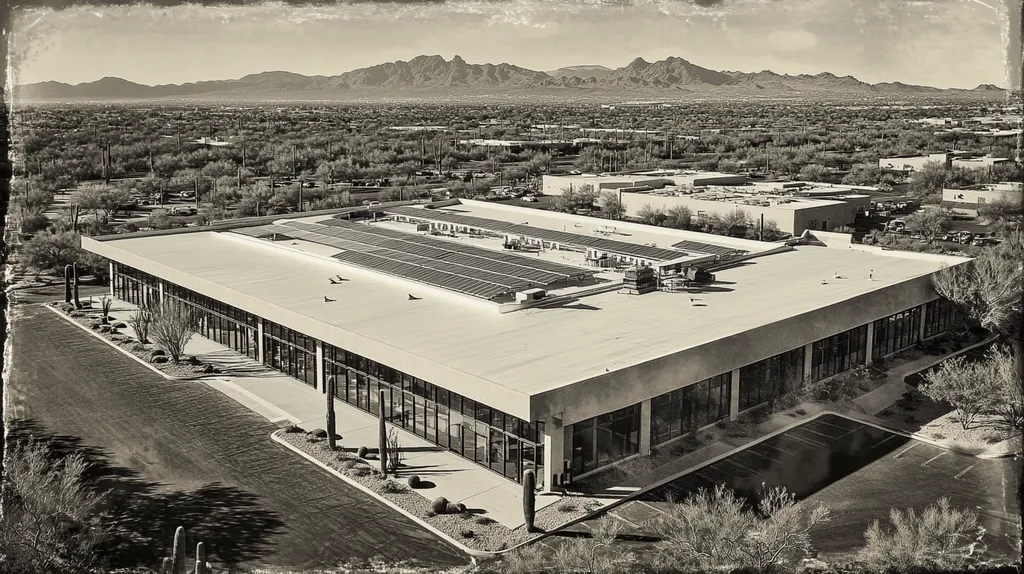
Upgrading commercial roofs, especially those with historic significance, requires meticulous planning to harmonize modern requirements with preservation priorities. Roofs are not only essential for building integrity but also play a vital role in sustaining property value. Recent surveys show that 70% of facility managers agree that keeping historic elements in roofing upgrades boosts both aesthetic appeal and energy efficiency. This section outlines effective methods to upgrade historic roofs while honoring their unique heritage.
Restoration of Historic Roofs
Restoration is vital for maintaining the character and integrity of historic roofs. Property owners should focus on techniques that keep original materials intact whenever possible. Doing so not only preserves historical value but can also enhance energy efficiency.
Key materials like slate, clay tiles, and timber frames should be thoroughly assessed for their condition and lifespan before beginning restoration work. Specialized craftsmen are often engaged to evaluate these materials, ensuring that traditional craft techniques are respected while enhancing functionality.
Incorporating knowledge of local climate and weather patterns also improves the roof’s durability. For example, upgrades to drainage systems can effectively prevent water accumulation and structural deterioration over time.
Each restoration project necessitates a tailored approach, putting emphasis on comprehensive assessments to guide the work and achieve the best results.
Compatible Material Substitution
Material substitution can be an effective solution when original components are too damaged for restoration. It’s essential to choose materials that closely resemble the original in both appearance and functionality. This strategy keeps the building’s historic look while meeting modern performance needs.
For instance, using synthetic slate instead of natural slate can maintain the visual aesthetic while reducing maintenance challenges. Furthermore, advanced roofing membranes can be engineered to integrate seamlessly with historic substrates, providing energy efficiency without compromising the charm of older materials.
Consulting with architects and historians can greatly aid in the selection of suitable materials that respect the building’s original character while enhancing its performance.
This approach requires a thoughtful balance between aesthetics and engineering standards, underscoring the importance of informed decision-making throughout the upgrade process.
Modern Techniques in Historic Context
Adopting modern roofing techniques can offer significant benefits while still honoring historical elements. Technologies such as infrared thermography can detect leaks and insulation problems without disturbing the original structure, enabling proactive maintenance and reducing potential damage.
Implementing green roofs or cool roofing systems can yield environmental advantages, like improved energy efficiency and decreased stormwater runoff. Additionally, these solutions can be designed to blend seamlessly with traditional architectural aesthetics.
Integrating modern methods requires collaboration with professionals who are well-versed in both new materials and historic preservation standards. This results in an approach that enhances the existing structure rather than overshadowing its historical significance.
Ultimately, modern techniques should complement the building’s historic character, fostering a visionary approach that harmonizes the old and the new.
SECTION 4: MAINTENANCE REQUIREMENTS
Ensuring the effective maintenance of commercial roofs is crucial for maximizing their lifespan and preventing expensive repairs. Research indicates that roofs receiving regular inspections can endure up to 20% longer than those that do not. Skipping maintenance, particularly in older buildings with historical elements, can lead to significant issues down the line, imposing heavy financial burdens. By understanding essential maintenance protocols, property owners and facility managers can make informed decisions that protect their roofing investments.
Regular Inspection Protocols
Implementing a consistent inspection schedule is vital for the upkeep of commercial roofs. Inspections should occur at least biannually, ideally before and after inclement weather. These regular assessments allow for the early identification of minor issues, such as loose flashing or small leaks, which can escalate into larger problems if left unchecked.
Property owners should create a comprehensive checklist for these inspections, focusing on vulnerable areas like seams and rooftop penetrations. It’s essential to engage qualified professionals familiar with the distinct characteristics of historical roofing materials to ensure that potential issues are detected early.
Documenting each inspection is crucial. Having detailed records helps track the roof’s condition over time and informs future maintenance decisions. Additionally, such documentation is beneficial for demonstrating compliance with warranty requirements, ultimately extending the roof’s lifespan.
Seasonal inspections are particularly important in regions prone to heavy snowfall or frequent storms. Keeping a close watch on drainage capabilities is essential for preventing water damage, a common threat to both modern and historic roofs.
Repair vs. Replacement Decisions
Deciding whether to repair or replace portions of a historic roof is a significant choice for property owners. Often, repairs can extend the life of an existing roof considerably. However, a thorough assessment of the entire roof’s condition and its historical significance is vital.
Cost considerations heavily influence the repair versus replacement decision. A seemingly inexpensive patch for a small leak may mask underlying issues. Conducting a more in-depth evaluation can clarify whether more extensive work is warranted.
When repairs become frequent or costly, replacement may be the prudent path forward. Although modern materials can enhance performance, it’s crucial to ensure that replacements respect the roof’s historical attributes. This strategy preserves aesthetics while potentially reducing future repair expenses.
Working with experienced contractors who specialize in historical roofing can aid significantly in this decision-making process. Their expertise ensures that financial and historical values are both effectively prioritized.
Preventive Maintenance Strategies
Preventive maintenance is a proactive approach that helps property owners avoid unexpected costs. Developing a maintenance plan that includes regular inspections and minor repairs is essential for prolonging roof life. Seasonal cleanouts to remove debris can significantly deter water pooling and subsequent leakage.
Applying protective coatings can bolster roof durability. These products offer additional resistance to UV rays and severe weather, minimizing wear over time. Routine cleaning and maintenance of gutters and drainage systems are also critical for preventing clogs that can lead to extensive water damage.
Establishing a maintenance fund is also a wise strategy. Setting aside resources annually allows property owners to be prepared for unanticipated repairs and necessary upkeep, ensuring that the roof remains in peak condition. This financial planning demonstrates a commitment to maintaining the integrity of historical structures.
Lastly, training staff in basic roof maintenance checks cultivates an environment of vigilance. Property managers should encourage team members to report any abnormalities they notice, making it easier to address potential issues before they worsen.
SECTION 5: PERFORMANCE METRICS
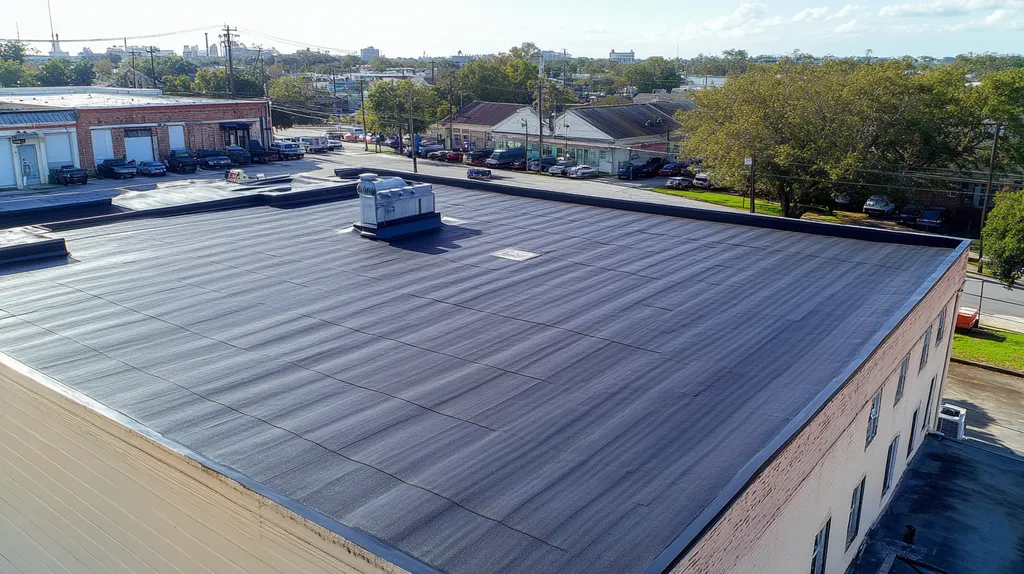
In the journey of upgrading commercial roofs, understanding performance metrics is essential for ensuring long-lasting success. Statistics reveal that over 60% of roofing failures stem from poor material choices and insufficient installation practices. By evaluating crucial factors such as durability, fireproof properties, and aesthetic impact, building owners can significantly enhance their roofs’ lifespan, safety, and overall value. This section delves into the key performance metrics that should steer every roofing decision, ultimately promoting informed and effective upgrades.
Durability and Longevity
Durability signifies how well a roofing system can endure various environmental challenges over time. Materials such as TPO and EPDM have become industry standards due to their exceptional performance records. For example, TPO roofing can last up to 30 years with proper maintenance, making it a wise investment for commercial properties.
Moreover, longevity depends on several factors, including regional climate, moisture levels, and UV radiation. In areas prone to severe weather, roofs should prioritize designs that can withstand high winds and heavy snowfall. This foresight can save property owners from the headaches associated with frequent repairs and roof replacements.
Investing in high-quality materials and installation techniques can dramatically boost durability. A roof built with precision and top-notch materials will resist cracking, splitting, and deterioration, ensuring long-term functionality. Building owners should also look for warranties that specifically cover longevity, further safeguarding their investment.
To maximize durability, regular inspections are vital. By identifying potential issues early on, property owners can prevent extensive damage and prolong roof lifespan. An effective maintenance plan is central to enhancing a building’s overall resilience and operational efficiency.
Fireproof and Weather Resistance
Fire safety and weather resistance are critical metrics in roofing performance. As commercial buildings often contain valuable assets and personnel, choosing fire-resistant materials is essential. Modified bitumen roofs, for example, provide substantial fire protection, helping to mitigate liability while ensuring safety.
Weather resistance also plays an important role, as roofs face various threats, including rain, snow, hail, and strong winds. The industry trend is shifting toward materials designed for enhanced waterproofing and wind uplift resistance. Single-ply membranes and standing seam metal roofs exemplify materials that perform excellently under adverse conditions.
Additionally, employing reflective coatings on roofs can help decrease heat absorption, thereby improving energy efficiency. This strategic choice not only lowers cooling costs but also aligns with sustainable practices, enhancing operational continuity. Careful consideration of fireproof and weather-resistant options enables informed roofing decisions that effectively reduce overall risks.
Aesthetic Integrity
The visual appeal of a commercial roof plays a significant role in shaping a company’s public image. As businesses strive for a strong branding presence, maintaining aesthetic integrity is paramount. Today, modern roofing materials come in various colors and styles that can enhance a building’s look while ensuring essential performance.
Selecting roofing systems that harmonize with the architectural design fosters a cohesive appearance. Green roofs, for instance, offer a beautiful natural aesthetic while promoting environmental sustainability and energy efficiency. This combination of visual charm and functionality can positively affect property values and marketability.
Furthermore, aesthetic considerations should be weighed alongside potential expansions or renovations. Ensuring that new roofing systems align with existing structures will help sustain a professional image. It’s essential for property owners to communicate their aesthetic preferences to roofing contractors early in the planning stages.
Incorporating functional design elements like skylights or solar panels can elevate aesthetics while boosting building performance. This approach merges visual appeal with energy efficiency, proving increasingly popular among commercial property owners. Investing in functional and aesthetic features showcases a commitment to quality and innovation in the roofing upgrade process.
SECTION 5: PERFORMANCE METRICS
As commercial building owners embark on the essential task of upgrading their roofs, understanding performance metrics becomes crucial for achieving lasting success. Alarmingly, over 60% of roofing problems originate from poor material choices and installation practices. By critically evaluating key factors such as durability, fire safety, and aesthetic impact, building owners can enhance their roofs’ lifespan, safety, and overall value. This section addresses the performance metrics that should guide every roofing decision for optimal outcomes.
Durability and Longevity
Durability reflects how well a roofing system withstands the challenges of time and environmental stresses. Materials such as TPO and EPDM have emerged as industry standards due to their proven performance. For example, TPO roofing can endure for up to 30 years with proper maintenance, representing a wise investment for any commercial property.
Furthermore, factors like regional climate, moisture levels, and UV exposure heavily influence longevity. Properties located in areas with severe weather must prioritize roofs that can handle high winds and heavy snowfall. This foresight can alleviate the need for frequent repairs and replacements over time.
Investing in high-quality materials and meticulous installation techniques can substantially enhance durability. A roof constructed with excellent craftsmanship and robust materials will resist issues like cracking and deterioration, ensuring long-term effectiveness. Property owners should also seek warranties that specifically cover longevity, providing further protection for their investment.
Regular inspections are vital for maximizing durability. By proactively identifying potential issues, property owners can prevent extensive damage and promote longevity. Developing a strategic maintenance plan is key to enhancing a building’s resilience and operational efficiency.
Fireproof and Weather Resistance
Fire safety and weather resistance are critical components of roofing performance. Given that commercial buildings often contain valuable assets and personnel, the use of fire-resistant materials is paramount. For instance, modified bitumen roofs deliver superior fire protection, crucial for reducing liability and ensuring safety.
Weather resistance also plays a significant role, as roofs contend with relentless threats like rain, snow, hail, and strong winds. The industry is increasingly leaning toward materials designed for enhanced waterproofing and wind uplift resistance. Materials such as single-ply membranes and standing seam metal roofs showcase outstanding performance in adverse weather conditions.
In addition, roofs with reflective coatings can effectively reduce heat absorption, leading to improved energy efficiency. This strategic choice not only reduces cooling costs but also aligns with sustainable practices, thus enhancing operational continuity. Meticulously considering these attributes during roof upgrades helps bolster durability and safety.
Ultimately, evaluating fireproof and weather-resistant options enables informed decision-making. Choosing the right materials based on a building’s location and specific needs can dramatically reduce risks and enhance overall safety.
Aesthetic Integrity
The aesthetic appeal of a commercial roof significantly influences a company’s public image. As businesses work to strengthen their brand presence, the importance of maintaining aesthetic integrity cannot be overlooked. Modern roofing materials offer a myriad of colors and styles that elevate a building’s appearance without sacrificing performance.
Selecting roofing systems that align with the original architectural design fosters a harmonious look. For instance, green roofs not only provide an appealing natural aesthetic but also promote sustainability and energy efficiency. This combination of beauty and function can enhance property values and marketability.
Moreover, aesthetic considerations should factor into future renovations or expansions. Ensuring that new roofing systems complement existing structures will maintain a professional appearance. Property owners need to communicate their aesthetic preferences to roofing contractors early in the planning process.
Incorporating functional design elements, like skylights or solar panels, can further enhance both aesthetics and performance. These options merge visual appeal with energy efficiency, making them increasingly sought after among commercial property owners. The investment in both functional and aesthetic features showcases a commitment to quality and innovation in the roofing upgrade process.
Moving Forward
With over 70% of commercial properties facing critical roofing decisions in the next decade, the integration of historical elements has never been more urgent.
The consequences of improper historical preservation extend far beyond aesthetics, potentially resulting in regulatory violations with penalties exceeding $100,000.
Success in commercial roof upgrades demands a careful balance between honoring architectural heritage and embracing modern performance standards.
By implementing systematic maintenance protocols, choosing historically appropriate materials, and leveraging advanced installation techniques, property owners can protect their investments while preserving historical integrity.
The future of commercial roofing lies in this strategic fusion of traditional craftsmanship with contemporary innovation, ensuring buildings remain both historically significant and functionally superior.
FREQUENTLY ASKED QUESTIONS
Q. Why are historical elements important in commercial roof upgrades?
A. Historical elements in roofing help maintain charm and functionality. Ignoring them can lead to costly mistakes during upgrades, affecting compliance and value.
Q. How do roof shapes impact the industrial roof upgrade process?
A. Roof shapes influence drainage and ventilation, which are crucial for roof longevity. Selecting appropriate designs enhances both aesthetics and performance while respecting historical context.
Q. What restoration techniques preserve historic roofs during upgrades?
A. Focus on maintaining original materials and employing traditional techniques. Assess conditions thoroughly and adapt upgrades to reinforce functionality while respecting historical significance.
Q. Why are regular inspections essential for commercial roofs?
A. Regular inspections help identify minor issues early, extending roofs’ lifespans. Documenting these assessments ensures compliance with warranties and facilitates proactive maintenance decisions.
Q. What metrics should guide my commercial roof upgrade decisions?
A. Evaluate durability, fire safety, and aesthetics to ensure a long-lasting roof. Informed choices prevent costly repairs and enhance the property’s overall value and safety.
Q. How does maintaining aesthetic integrity benefit industrial roofs?
A. Aesthetic integrity enhances a property’s appeal and brand image. Modern materials can bolster performance while aligning with architectural design, ultimately boosting property value and attractiveness.
Q. What financing options are available for commercial roof upgrades?
A. Many financing options include loans, grants, and tax credits tailored for roofing projects. Research local programs that encourage energy-efficient upgrades to maximize financial support.






