
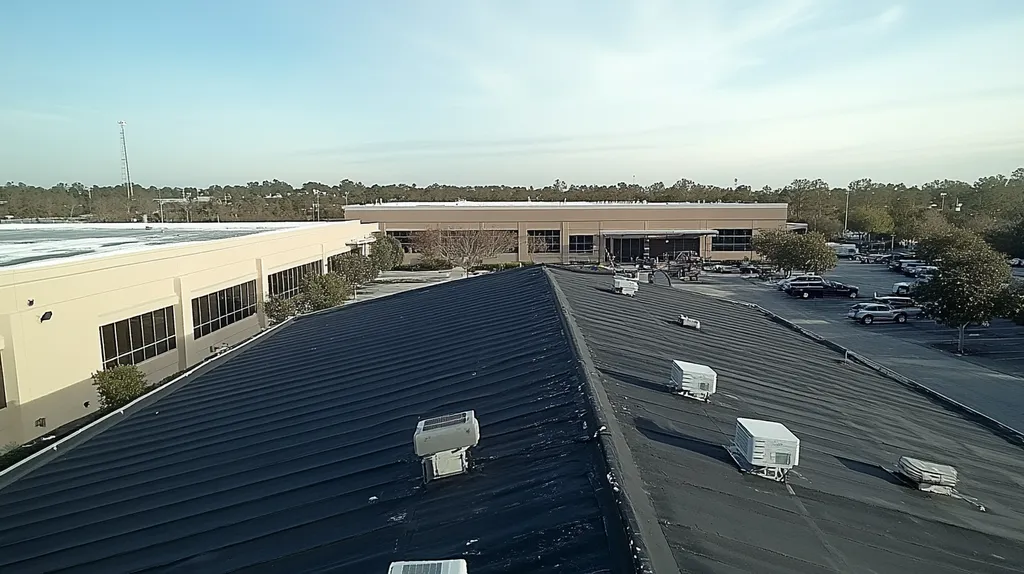
Welcome to today’s Battle Royale featuring two roofing heavyweights: “Thermoplastic” in the east corner versus “PVC Membrane” in the west!
Tonight’s showdown pits these contenders against each other across six punishing rounds designed to test every aspect of their performance for Industrial Roof Installation Without a Permit.
At stake? Millions in potential costs, decades of building protection, and the critical performance demands of modern commercial and industrial facilities.
Our professional judging panel will evaluate each round on technical merit, real-world performance, and value delivery. After all six rounds, we’ll declare our ultimate champion.
Ladies and gentlemen, facility managers and building owners… it’s time to rumble!
ROUND 1: INITIAL COSTS & INSTALLATION
When considering an industrial roofing project, the initial investment and installation process can make or break both budget and timeline. For projects exceeding $10,000 in value, proper permits are typically required – a critical consideration that impacts material selection and installation approach. Understanding the true costs and complexities of thermoplastic versus PVC membrane systems helps facility managers make informed decisions that align with both immediate needs and long-term objectives.
Material Expenses
Material expenses represent the foundation of any roofing project’s budget. Thermoplastic roofing membranes typically cost $2 to $6 per square foot, making them an attractive initial option for cost-conscious facility managers.
PVC membranes command a premium price point of $3 to $8 per square foot, reflecting their advanced chemical formulation and enhanced durability. Any work valued over $10,000 requires proper permitting to ensure compliance and protect warranty coverage. (source: AllPhase Roofing & Restoration)
While the upfront cost difference may seem significant, PVC’s superior longevity and performance characteristics often justify the higher investment. The material’s extended lifespan and reduced maintenance needs typically result in lower total ownership costs.
ADVANTAGE: Thermoplastic
Installation Complexity
Installation complexity directly impacts labor costs and project duration. Thermoplastic membranes offer straightforward installation methods, requiring basic tools and standard roofing expertise.
These systems can be mechanically fastened or fully adhered, providing flexibility based on building requirements and weather conditions. The simpler installation process reduces the risk of errors and minimizes the need for specialized training.
PVC membranes demand more precise installation techniques, particularly around seams and penetrations. The heat-welding process requires skilled technicians and specific equipment, increasing both complexity and potential for installation errors.
ADVANTAGE: Thermoplastic
Project Timeline
Project duration significantly affects facility operations and overall costs. Thermoplastic installations typically proceed faster due to their simpler application methods and more forgiving nature during installation.
These systems allow for quicker completion times, reducing disruption to building operations. The streamlined process also minimizes weather-related delays and scheduling complications.
PVC installations require more time for proper heat welding and quality control checks. While this attention to detail ensures a superior final product, it extends the project timeline and increases exposure to weather-related complications.
ADVANTAGE: Thermoplastic
ROUND 1 WINNER: Thermoplastic
ROUND 2: DURABILITY & LIFESPAN
When industrial roofs fail prematurely, the consequences ripple throughout an entire facility. From production disruptions to inventory damage, a compromised roof can lead to millions in losses. Understanding the durability differences between thermoplastic and PVC membranes becomes critical when considering long-term facility protection, especially for installations proceeding without proper permits.
Durability Against Environmental Elements
Thermoplastic roofs deliver exceptional resistance against UV rays, chemicals, and environmental pollutants. Their advanced formulation creates a robust barrier that maintains structural integrity even under harsh conditions. These membranes excel at reflecting sunlight and heat, reducing thermal stress on the roofing system. (source: Baroofings)
PVC membranes offer strong chemical resistance but can become brittle in extreme cold. While they perform well in moderate climates, their reduced flexibility in low temperatures increases vulnerability to impact damage and stress cracking.
ADVANTAGE: Thermoplastic
Overall Lifespan Expectations
Thermoplastic membranes typically deliver 20-25 years of reliable service when properly installed. Their resistance to degradation and ability to maintain physical properties over time makes them a dependable long-term solution.
PVC systems generally last 15-20 years before requiring replacement. While still respectable, this shorter lifespan means more frequent replacements and higher lifetime costs for facility owners.
ADVANTAGE: Thermoplastic
Maintenance Requirements Over Time
Thermoplastic roofing systems require minimal ongoing maintenance beyond routine inspections. Their superior durability and resistance to common forms of damage reduce the frequency of repairs and associated maintenance costs.
PVC membranes demand more regular maintenance attention, particularly around seams and penetrations. These systems often require more frequent repairs and closer monitoring to prevent premature failure.
ADVANTAGE: Thermoplastic
ROUND 2 WINNER: Thermoplastic
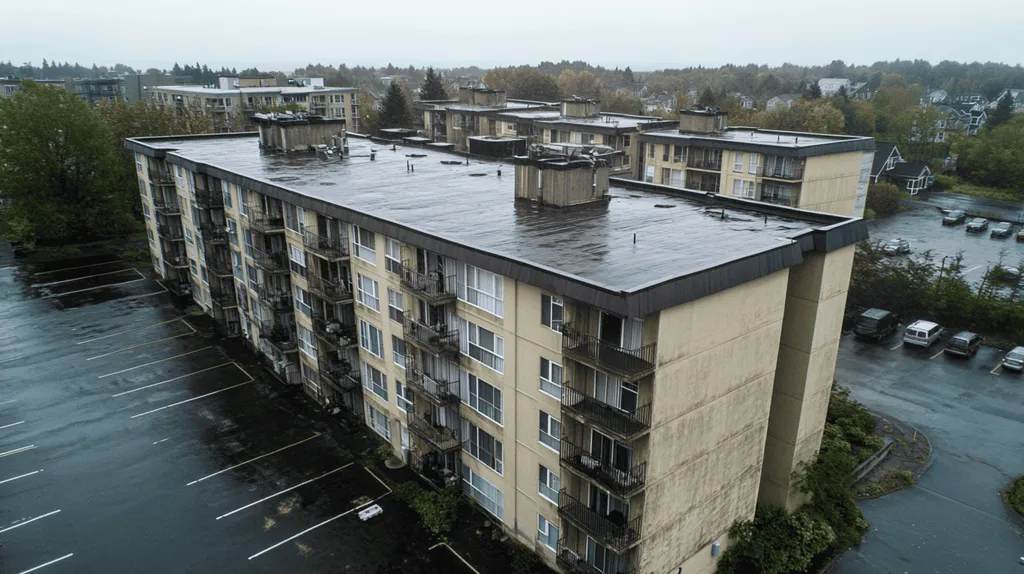
ROUND 3: PERFORMANCE FACTORS
Performance factors can make the difference between a roof that protects valuable industrial assets and one that leads to catastrophic failures. With industrial roofing projects often exceeding $100,000 in value, choosing the wrong system can result in extensive damage, production delays, and compliance violations that threaten business continuity.
Weather Resistance
In industrial settings, roofing systems must withstand extreme temperature fluctuations, heavy rainfall, and intense UV exposure. These environmental stresses can quickly deteriorate inferior materials, leading to premature failure.
Thermoplastic membranes excel in harsh weather conditions, maintaining flexibility and structural integrity across a wide temperature range. Their advanced polymer composition provides superior resistance to thermal cycling and UV degradation.
PVC membranes offer good weather resistance but can become brittle in extreme cold. While they perform adequately in moderate climates, their reduced flexibility increases vulnerability to weather-related stress and damage.
ADVANTAGE: Thermoplastic
Chemical Resistance
Industrial facilities often expose roofing materials to chemical emissions, exhaust fumes, and atmospheric pollutants. A building permit is typically required for any substantial construction project, including commercial roof installation, to ensure proper material selection for specific environmental conditions. (source: Naroofing)
Thermoplastic membranes demonstrate exceptional resistance to most industrial chemicals, acids, and oils. Their molecular structure remains stable even when exposed to harsh chemical environments.
PVC membranes match this chemical resistance capability, providing equally robust protection against industrial contaminants. Both materials excel in this critical performance category.
ADVANTAGE: TIE
Fire Safety
Fire safety represents a critical performance factor in industrial roofing, where electrical equipment, hot work, and flammable materials create constant ignition risks. Proper material selection can mean the difference between containing a small incident and suffering catastrophic losses.
Thermoplastic membranes provide good fire resistance but may soften under intense heat. While they meet basic fire safety standards, their performance in extreme heat conditions can be compromised.
PVC membranes offer superior fire resistance, with self-extinguishing properties and higher melting points. This enhanced fire protection makes them the safer choice for facilities with elevated fire risks.
ADVANTAGE: PVC
ROUND 3 WINNER: TIE
ROUND 4: MAINTENANCE REQUIREMENTS
Neglected maintenance on industrial roofs leads to catastrophic failures that can shut down operations and create massive liability exposure. Without proper permits, these risks multiply as work may not meet code requirements or manufacturer specifications. Understanding the maintenance demands of different roofing systems becomes critical for protecting both the facility and the bottom line.
Regular Inspection Requirements
Thermoplastic roofing systems demand quarterly visual inspections to check for punctures, tears, and seam integrity. Their durable nature means these inspections can often be performed by in-house maintenance teams following basic protocols.
The flexible nature of thermoplastic membranes makes identifying and documenting potential issues straightforward. Most problems can be spotted early through simple visual assessment before they develop into major concerns.
PVC systems require more frequent and detailed inspections, especially around seams and penetrations. Their reduced flexibility in certain conditions means potential stress points need careful monitoring to prevent sudden failures.
ADVANTAGE: Thermoplastic
Repair Complexity
The penalty for unpermitted work on commercial buildings can reach $15,000 or 21 times the permit fee, making proper maintenance critical to avoid major repairs that would trigger permit requirements. (source: New York City Rules)
Thermoplastic membranes allow for relatively simple repairs using heat-welding techniques. Most minor damages can be addressed quickly with standard repair materials and basic roofing skills.
PVC repairs often require specialized knowledge and equipment, particularly for proper seam restoration. The complexity of these repairs increases both cost and time requirements.
ADVANTAGE: Thermoplastic
Long-term Maintenance Costs
Thermoplastic systems typically incur lower annual maintenance costs due to their durability and simpler repair requirements. Their resistance to environmental damage means fewer interventions are needed over time.
The straightforward nature of thermoplastic maintenance allows facilities to handle many tasks in-house, reducing contractor expenses. This self-sufficiency translates to significant cost savings over the roof’s lifespan.
PVC systems generally require more specialized maintenance attention, leading to higher long-term costs. Their more complex repair needs often necessitate professional contractor involvement.
ADVANTAGE: Thermoplastic
ROUND 4 WINNER: Thermoplastic
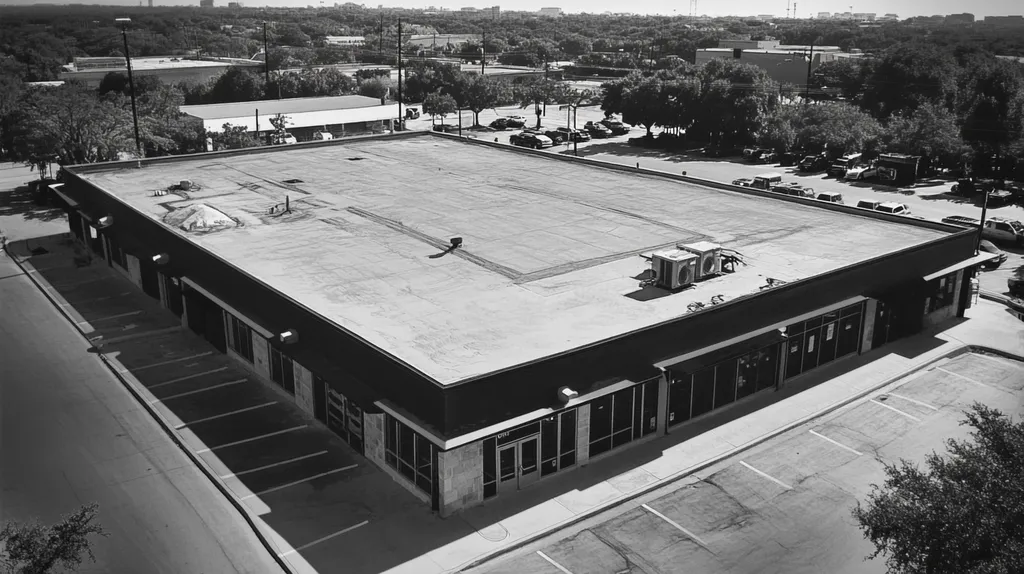
ROUND 5: SUSTAINABILITY CREDENTIALS
As industrial facilities face mounting environmental regulations and rising energy costs, roofing material choices can dramatically impact both compliance and operating expenses. Poor material selection leads to excessive energy waste, higher carbon footprints, and potential regulatory penalties that threaten business sustainability. Today’s facility managers must carefully weigh the environmental performance of roofing systems against increasingly strict sustainability requirements.
Energy Efficiency
In industrial settings, roof surfaces can significantly impact facility cooling loads and energy consumption. The right roofing material can reduce HVAC demands by up to 20%, creating substantial operational savings.
Thermoplastic membranes deliver superior solar reflectance, often exceeding 85% reflection of incoming solar radiation. This high reflectivity dramatically reduces heat absorption and thermal load on cooling systems.
PVC membranes offer moderate reflective properties but typically achieve only 65-75% solar reflectance. While still energy-efficient, they cannot match the thermal performance of thermoplastic systems.
ADVANTAGE: Thermoplastic
Recyclability
End-of-life material management has become a critical factor in industrial construction as landfill costs rise and waste regulations tighten. Responsible disposal practices protect both environment and budget.
Thermoplastic membranes can be fully recycled into new roofing materials at the end of their service life. Their pure composition allows for straightforward reprocessing without degradation of material properties.
PVC membranes present recycling challenges due to their chemical additives and processing requirements. While technically recyclable, the process is more complex and costly, often resulting in downcycling rather than true recycling.
ADVANTAGE: Thermoplastic
Environmental Impact
Manufacturing processes and chemical composition significantly influence a roofing material’s overall environmental impact. Modern facilities must consider these factors to meet corporate sustainability goals.
Thermoplastic membranes require less energy during production and generate fewer harmful emissions. Their manufacturing process releases minimal volatile organic compounds (VOCs) and creates less waste.
PVC production involves chlorine-based processes that can release dioxins and other harmful compounds. While modern manufacturing has reduced these impacts, PVC still carries a higher environmental burden.
ADVANTAGE: Thermoplastic
ROUND 5 WINNER: Thermoplastic
ROUND 6: SPECIALIZED APPLICATIONS
Industrial facilities face unique roofing challenges that can make or break operational continuity. From chemical processing plants to food manufacturing facilities, specialized environments demand roofing systems that can withstand extreme conditions while maintaining structural integrity. Making the wrong material choice in these settings leads to premature failure, production shutdowns, and potential regulatory violations.
Chemical Processing Environments
Industrial chemical exposure creates unique challenges for roofing systems. Acids, bases, solvents, and other corrosive substances can rapidly degrade standard roofing materials, leading to premature failure and potential contamination risks.
Thermoplastic membranes offer good resistance to common industrial chemicals but may show vulnerability to certain organic solvents. Their molecular structure provides protection against acids and bases, though prolonged exposure can impact long-term performance.
PVC membranes demonstrate superior resistance across a broader spectrum of industrial chemicals. Their chlorinated structure creates exceptional barriers against both organic and inorganic compounds, making them ideal for chemical processing facilities.
ADVANTAGE: PVC
High-Temperature Applications
Manufacturing processes generating significant heat put intense stress on roofing systems. Constant thermal cycling and elevated temperatures can cause material degradation, dimensional instability, and premature aging.
Thermoplastic membranes maintain good dimensional stability up to 180°F but may soften at higher temperatures. While suitable for moderate heat exposure, they can show limitations in extreme heat conditions.
PVC membranes excel in high-temperature environments, maintaining structural integrity at temperatures exceeding 200°F. Their superior heat resistance makes them ideal for facilities with hot exhaust systems or intense solar exposure.
ADVANTAGE: PVC
Food Processing Requirements
Food processing facilities demand roofing systems that resist bacterial growth while maintaining strict hygiene standards. Contamination risks from roof deterioration can shut down operations and trigger regulatory interventions.
Thermoplastic membranes provide good resistance to microbial growth but may require additional treatments for optimal performance. Their smooth surface helps prevent accumulation of contaminants but offers limited inherent antimicrobial properties.
PVC membranes naturally resist fungi and bacteria growth, making them preferred for food processing environments. Their inherent antimicrobial properties and easy-to-clean surface create superior protection against contamination risks.
ADVANTAGE: PVC
ROUND 6 WINNER: PVC
AND THE WINNER IS…
After six grueling rounds of technical evaluation, we have our verdict…
In a decisive victory, taking four rounds with one tie, THERMOPLASTIC emerges as our Industrial Roofing Champion! This powerhouse performer dominated with superior cost-effectiveness, exceptional durability, easier maintenance requirements, and outstanding sustainability credentials.
But don’t count PVC out of the fight! This technical specialist proved unbeatable in specialized applications, particularly chemical processing environments and high-temperature scenarios. When facing extreme industrial conditions or strict antimicrobial requirements, PVC still packs a championship-caliber punch.
IMPORTANT NOTICE: While this match-up highlights general performance characteristics, every facility faces unique challenges. Local climate conditions, building codes, and specific operational requirements can significantly impact roofing system performance. Property owners should always consult qualified roofing professionals who can evaluate their specific situation and ensure proper permits are obtained before proceeding with any installation.
Ladies and gentlemen, in the high-stakes arena of industrial roofing, there’s no substitute for making an informed choice. The true victory comes not from following the crowd, but from selecting the roofing system that best protects your specific facility’s long-term interests. Fight smart!
FREQUENTLY ASKED QUESTIONS
Q. What are the initial costs for a commercial roof installation?
A. The initial costs for a commercial roof vary based on materials. Thermoplastic membranes are generally priced between $2 and $6 per square foot, while PVC membranes range from $3 to $8 per square foot. Although thermoplastic systems might have lower upfront costs, PVC’s durability could make it a more economical choice over time.
Q. How do thermoplastic and PVC membranes differ in durability for industrial roofs?
A. When comparing durability, thermoplastic membranes often outperform PVC counterparts due to their resistance to UV rays and chemicals. Thermoplastics can last 20-25 years, while PVC membranes typically last 15-20 years. The choice of materials can greatly affect long-term performance and maintenance needs for an industrial roof.
Q. Which roofing option offers better weather resistance for industrial roofs?
A. Thermoplastic membranes generally excel in weather resistance, maintaining flexibility and structural integrity in extreme temperatures. They outperform PVC in harsh conditions, as the latter can become brittle in severe cold. Choosing the right material depends on your facility’s local climate and environmental stress factors.
Q. What are the different maintenance requirements for commercial roofs?
A. Thermoplastic roofs need quarterly inspections to monitor for damage, and repairs tend to be simpler. In contrast, PVC roofs require more frequent and specialized inspections, especially near seams. Understanding these maintenance differences can help ensure long-term performance and compliance with manufacturer specifications.
Q. How do thermoplastic and PVC membranes compare in energy efficiency?
A. In terms of energy efficiency, thermoplastic membranes typically offer superior solar reflectance, reducing heat absorption significantly. They can reflect over 85% of solar radiation, while PVC membranes tend to reflect 65-75%. This difference can have substantial impacts on cooling demands and overall energy costs for commercial facilities.
Q. What safety considerations exist for industrial roof applications?
A. Safety is paramount in industrial roof applications due to fire risks from equipment and flammable materials. Thermoplastic offers decent fire resistance but may soften under intense heat, while PVC provides superior fire safety with its self-extinguishing properties. Evaluating fire safety during material selection is crucial for protecting assets and ensuring compliance.
Q. Can I install an industrial roof without a permit?
A. Installing an industrial roof without a permit can lead to significant penalties and compliance issues. Most jurisdictions require permits for substantial renovations or new installations, especially those valued over $10,000. Failing to obtain the necessary permits can result in costly fines, increased liability, and potentially unsafe conditions.






