
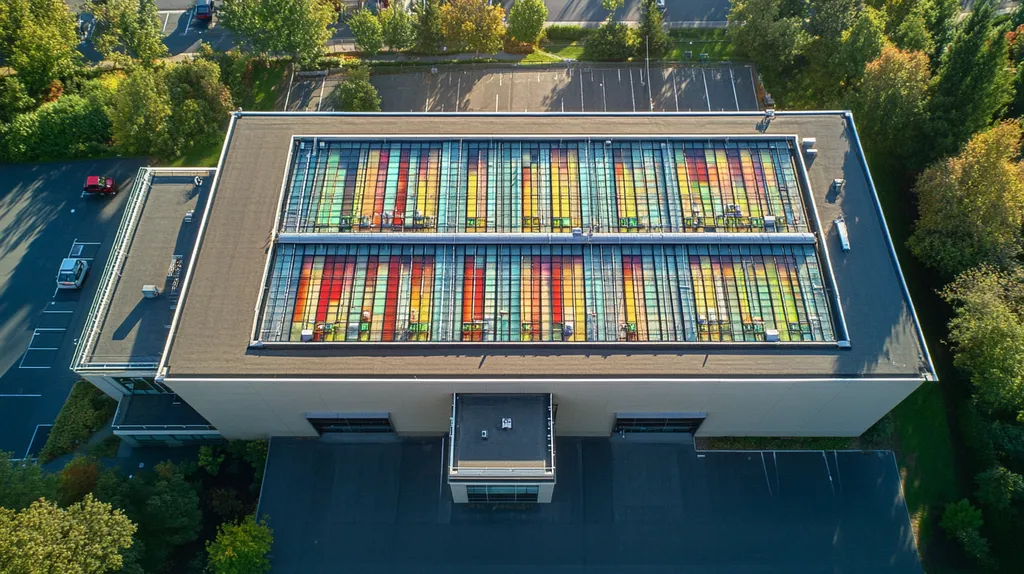
In the high-stakes world of industrial roofing, design flaws aren’t just expensive—they’re potentially catastrophic. Studies show that 40% of all industrial roof failures stem directly from inadequate initial design, leading to billions in annual repair costs.
From load-bearing calculations to drainage systems, every design decision ripples through a facility’s operational efficiency and bottom line. Even minor oversights in roof design can trigger a cascade of problems, from energy waste to structural compromise.
This comprehensive guide examines the critical elements of industrial roof design, exploring how thoughtful planning can dramatically enhance performance while preventing costly failures.
SECTION 1: THE BASICS EXPLAINED
Roof design is not just an afterthought; it’s fundamental to the strength and lifespan of industrial buildings. An ill-conceived roof can spell disaster, leading to leaks, insulation problems, and even structural failures. Shockingly, research indicates that over 70% of roof failures stem from design flaws. For property owners and facility managers, mastering the basics of roof design is not just smart—it’s essential for protecting their investments and optimizing building performance.
What It Is (In Plain Language)
Simply put, roof design involves the strategic planning and construction of a roof to guarantee its effectiveness under a wide range of conditions. This includes selecting the right materials, understanding load factors, and considering architectural appearance. A well-designed roof deftly diverts water, withstands harsh winds, and manages thermal expansion with ease.
Crucial components of roof design encompass slope, drainage, and ventilation. These are not just buzzwords; they significantly affect how the roof handles rain and snow, common headaches for industrial facilities. For instance, a perfectly flat roof cleverly requires a slight incline to ensure drainage and thwart water pooling.
Material selection is paramount, too. Different roofing materials offer varying levels of durability and maintenance requirements. Picking the right one can extend the roof’s lifespan and enhance its performance against challenges like heavy snow or sweltering heat.
In essence, thoughtful roof design is a forward-looking strategy. It creates a solid barrier against nature while addressing unique operational demands.
Why It Matters (To Your Building)
The importance of roof design goes far beyond appearances; it dramatically influences both functionality and cost-effectiveness of a building. A thoughtfully designed roof curtails maintenance costs and boosts energy efficiency, slashing utility bills. That’s right—energy-efficient roofs can trim HVAC expenses by as much as 15%.
On the flip side, a failing roof can wreak havoc, leading to unplanned repairs that can stall business operations. Consider this: a leaky roof can wreak havoc on equipment or inventory, leading to unexpected financial setbacks and a costly downtime.
Moreover, a well-executed roof contributes to employee safety and comfort. By enhancing temperature control and ventilation, an effectively engineered roof fosters a better work environment, ultimately driving productivity through the roof.
Consequently, grasping roof design basics is not merely optional; it’s a vital investment in the sustainability and efficiency of the entire facility.
How It Works
To grasp how roof design works, it’s essential to understand the interactions between its various elements. A roof’s framework—comprising rafters, trusses, and decking—is intended to evenly distribute loads across the structure. This design ensures stability even when faced with extreme weather challenges.
Effective drainage systems are crucial in averting water buildup, which can lead to leaks and significant structural deterioration. Roofs typically incorporate gutters and downspouts to channel water away from the foundations and minimize risks.
Ventilation is also an unsung hero in this equation, regulating temperature and moisture levels within the roof cavity. Ensuring proper airflow helps prevent mold development, safeguarding not just the roof but the building’s interior as well.
Lastly, the synergy between materials and design features dictates a roof’s longevity. Opting for durable materials that harmonize with the design boosts the roof’s resilience to wear and tear, arresting potential vulnerabilities and ensuring that the facility stays protected for years.
SECTION 2: PRACTICAL APPLICATIONS
Understanding the real-world implications of roof design isn’t just a clever idea; it’s a necessity for industrial property owners. A poorly designed roof can lead to sticker-shock repairs and sky-high energy costs, draining thousands from your budget every year. According to the National Roofing Contractors Association, slapdash design can hike energy bills by up to 30%. In this section, we’ll take a look at common roofing applications, pinpoint when design becomes critical, and examine how roof systems interact seamlessly (or not) with other building functionalities.
Common Uses & Examples
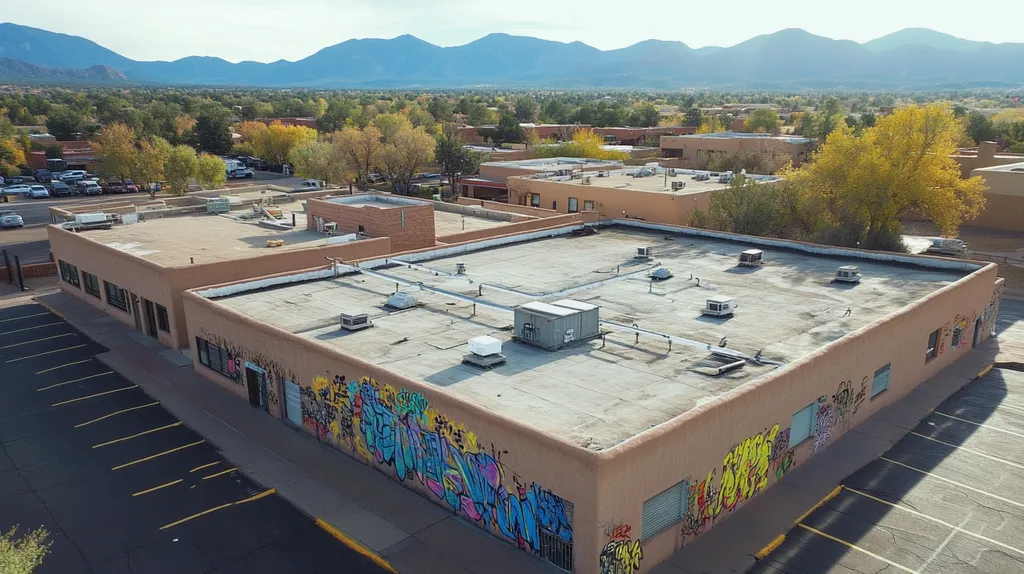
Industrial roofs aren’t just for keeping the rain out; they serve multiple purposes that can make or break operational efficiency. Flat roofs dominate the warehouse scene due to their straightforward installation and easy upkeep. Meanwhile, sloped roofs shine in manufacturing settings, effectively draining water and fending off pesky snow that loves to pile up.
A roof designed with foresight can also host vital components like HVAC systems and skylights, enhancing airflow and flooding work areas with natural light. Take a food processing plant, for instance—it might employ a membrane roof paired with insulation to regulate temps and ensure products don’t spoil.
What’s more, adding specific coatings can work wonders for longevity and performance. Reflective coatings are the unsung heroes that slash cooling costs by bouncing back the sun’s heat. This proactive strategy not only extends your roof’s life but also keeps financial burdens in check.
Knowing these applications empowers property managers to choose roofs that satisfy immediate needs while remaining flexible for future challenges.
When You Need It Most
Certain scenarios demand heightened vigilance regarding roof design, especially during chaotic weather shifts. Industrial buildings can quickly become the victim of nature’s tantrums—think heavy snowfall, torrential rain, or fierce winds. A solid roof design can keep these disasters at bay, saving you from costly repairs and downtime.
Additionally, retrofitting older roofs with advanced insulation is critical during significant facility upgrades. A savvy approach to insulation during renovations can elevate energy efficiency, which is particularly beneficial for aging structures. The result? Substantial cost benefits and a smooth transition to modern energy practices.
In the blueprint stage of new constructions, collaborating with expert designers early can elevate roof optimization to another level. This teamwork ensures roofs meet the specific demands of their environment and purposes. With ever-evolving regulations, integrating energy-efficient designs from the get-go is no longer optional—it’s imperative.
Addressing these pivotal moments leads to resilient, cost-effective roofs that elevate the entire industrial operation.
Interactions With Other Systems
A roof is not a lone wolf; its design is intricately woven into the fabric of electrical, plumbing, and HVAC systems, playing a vital role in the overall efficiency of the building. For example, if roof vents are wrongly positioned, you might see condensation wreaking havoc, damaging insulation and materials stored below—never a good day at the office!
Moreover, embracing green tech like solar panels requires rock-solid roof design. Solar arrays add weight, and if a roof isn’t built to handle it, the result could be catastrophic. And let’s not forget the drainage systems; they should be engineered thoughtfully alongside solar installations to prevent water pooling that could wreak havoc on your equipment.
Smart roof access design enhances maintenance efficiency for rooftop systems, making inspections easier and safer. However, if access points are poorly designed, routine maintenance can turn into a nightmare, potentially leading to significant problems down the road.
Overall, ensuring roof designs account for these vital interactions helps optimize building performance and longevity. This interconnectedness is the bedrock of efficient industrial operations and smart cost management.
SECTION 3: KEY TERMINOLOGY DECODED
Grasping essential roofing terminology is more than just a good idea; it’s a necessity for industrial property owners and facility managers. A simple misunderstanding can lead to expensive blunders and jeopardize the soundness of a building. Take, for instance, a miscalculated load-bearing measurement—a single error could trigger profound structural failures. Clearly defined terms lay the groundwork for making informed roofing choices and optimizing performance.
Essential Terms Explained
Roofing terminology may sound daunting, but mastering it is crucial for effective project management. For example, “load-bearing capacity” signifies how much weight the roof can support—a fundamental concept. Misinterpretation here can result in designs that lack the fortitude to withstand natural forces.
“Thermal performance” is another important term, representing a roof’s ability to insulate the building. Adequate thermal performance not only cuts energy costs but also improves overall comfort. A poorly performing roof can lead to skyrocketing heating and cooling bills that drain budgets.
Lastly, let’s not overlook “drainage systems,” which ensure that water flows efficiently away from the roof’s surface. Ineffective drainage spells disaster, causing leaks and accelerating the deterioration of roofing materials, ultimately cutting into the bottom line.
By fully understanding these terms, stakeholders can make better choices regarding their roof designs and ultimately enhance the system’s overall performance.
Industry Jargon Translated
The industrial roofing world can feel like a foreign language, packed with jargon that can baffle the uninitiated. Take “field seams,” for example—these are the joints where roofing sheets join, and their integrity is critical for leak prevention. Knowing this term empowers facility managers to communicate installation standards effectively.
“Integrated roof system” is another handy term to know; it describes a roofing assembly that combines elements like insulation and waterproofing into one unified structure. Being familiar with this concept allows facility managers to make smarter decisions about materials and designs.
Finally, “sustainability” has become a buzzword that holds real weight in roofing projects. It describes practices aimed at minimizing environmental impact. A sustainable roof isn’t just good for Mother Earth; it’s also a savvy economic choice that could lead to long-term savings.
Decoding this jargon helps property owners avoid miscommunications, refining their decision-making process.
Measurement & Units Simplified
Measurements are the backbone of roofing, influencing everything from material estimation to structural soundness. Commonly used metrics include square footage, which refers to the roof area. Knowing the total square footage is vital for accurately calculating material needs and budgeting.
The “R-value” is another critical measurement that gauges thermal resistance. A higher R-value means better insulation, which directly impacts energy costs and comfort levels in the building. Choosing materials with satisfactory R-values is essential for optimizing performance.
“Pitch” is a measurement that denotes a roof’s steepness, generally expressed as a ratio. Understanding pitch is crucial not just for drainage considerations but also for selecting the right roofing materials tailored for varying slopes.
Simplifying these measurements empowers facility managers to keep their roofing projects on budget while hitting performance benchmarks. It’s all about achieving efficiency without the guesswork.
SECTION 4: DECISION FACTORS
Making the right roofing choice for an industrial facility is more than just a money game; it’s about ensuring peak performance and lasting strength. A roof that’s poorly designed can become a financial black hole, leading to quicker degradation, soaring energy bills, and skyrocketing maintenance costs. Research shows that a well-crafted roof can boost energy efficiency by as much as 30%. Therefore, grasping these vital decision factors is essential for property owners and facility managers aiming for optimal results.
Cost Considerations
Cost is the first thing that strikes fear into the hearts of property owners tackling roofing decisions. Opting for a low upfront price tag may be tempting, but this can lead to steep long-term expenses. For instance, investing in budget roofing materials might save a few bucks today, but it could mean tearing down that roof sooner than expected for costly repairs.
Many industrial facilities grapple with tight budgets, yet the total financial picture can be deceptive. Higher-quality materials might seem pricey at first, but they can yield significant savings in energy costs and reduce maintenance headaches over time. Remember, durable roofing boosts the overall value of the building and can lower operational overhead.
Additionally, financing options and incentives are game changers for cost management. Many regions offer tax credits or rebates for energy-efficient roofs that can soften the blow to your budget. Understanding these financial tools can create a significant positive impact on the bottom line while improving performance.
In the end, savvy owners and managers must evaluate immediate costs against potential long-term savings. Doing your homework can lead to roofing solutions that fit your financial plan while ensuring durability and efficiency in the years to come.
Performance Trade-offs
Performance is a non-negotiable factor that directly links to roof design. Choosing the right materials and structures tailored to the building’s specific needs is critical for avoiding functionality pitfalls. Some roofing systems may excel at insulation but fail to efficiently shed water, resulting in leaks and stresses.
Awareness of local climate conditions is also essential. Facilities located in regions with heavy snowfall need roofs robust enough to hold that weight, while those in scorching environments should prioritize reflective materials to keep cooling costs down. Choosing wisely can make all the difference.
Trade-offs may also include comparing roofing durability with maintenance demands. Some materials need little upkeep but may buckle under extreme conditions. Striking that balance between durability and manageability is crucial for lasting roofing success.
Ultimately, well-informed decisions about performance characteristics lead to roof systems that perfectly align with operational needs. The ideal design maximizes functionality while minimizing future maintenance and repair headaches.
Lifespan & Durability Factors
The lifespan and durability of roofing systems are paramount considerations in the decision-making arena. A roof’s capability to withstand environmental stressors will significantly impact maintenance schedules and replacement times. For instance, a traditional asphalt roof typically lasts only 15-20 years, whereas options like metal or thermoplastic can last over 30 years with proper care.
But durability isn’t just about the materials. It’s also about installation quality. A shoddy job can doom a roof to premature issues like leaks or structural flaws. Ensuring that qualified professionals handle the installation is key to maximizing both lifespan and performance.
Weather resistance features in roofing materials are crucial, particularly in areas prone to extremes. Roofs built to endure harsh UV exposure, fierce winds, and heavy rainfall prove to be far more durable. This strategic design focus can help reduce the likelihood of downtime and disruptions in industrial operations.
In conclusion, selecting roofs based on their lifespan and durability aligns perfectly with the sustainability goals of industrial operations. Property owners who arm themselves with this knowledge will make informed choices that cater to their immediate needs while securing their long-term interests.
SECTION 5: COMMON CHALLENGES
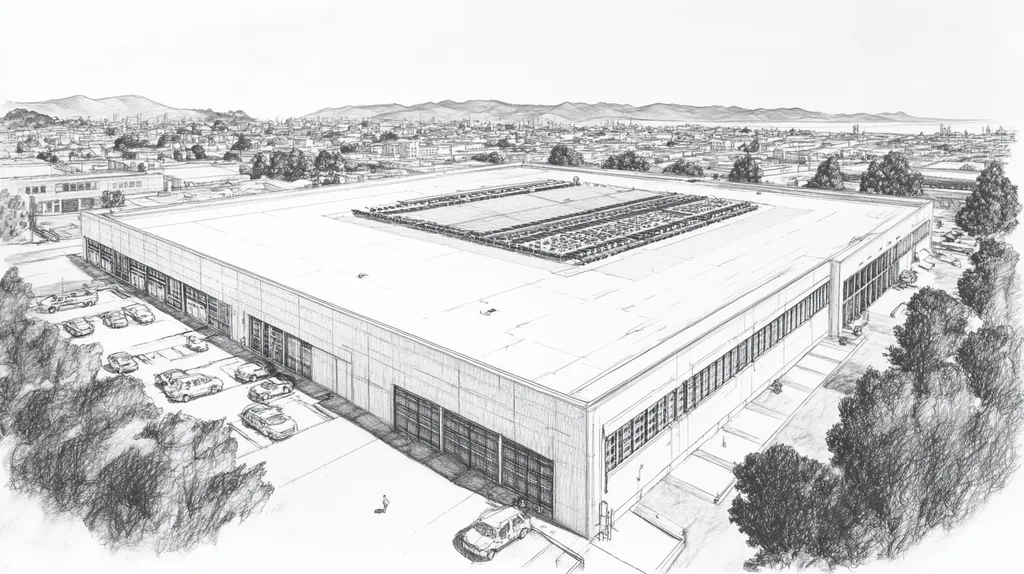
Industrial roofs are far from invincible; they face a daunting array of challenges that can jeopardize their effectiveness and lifespan. Alarmingly, studies reveal that up to 30% of facilities encounter roof-related issues that lead to expensive downtime and repairs. For property managers, understanding these roadblocks is paramount to preventing catastrophic failures. This section explores frequent problems, warning signs, and proactive strategies that can keep industrial roofs in peak condition.
Frequent Problems & Solutions
Issues often sprout from inadequate design or sloppy installation, with drainage trouble being a major offender. Standing water can rapidly deteriorate roofing membranes, like those found in single-ply systems that may not be sealed properly. This is a red flag—address it before it sinks your budget.
Temperature swings are another sneaky adversary, causing materials to expand and contract and leading to premature damage. To counter this, consider installing tapered insulation that effectively promotes drainage and using thermal expansion joints in your design. Regular inspections can catch these problems before they worsen.
Structural weaknesses manifest as sagging or deflected areas, and that’s a recipe for disaster. Opt for stronger materials and ensure proper structural support during installation to stave off these issues. Collaborating with a knowledgeable roofing contractor can yield tailored solutions that fit your specific needs, empowering you to manage risks effectively.
Ultimately, a proactive stance toward identifying and resolving common issues is key to sustaining the integrity of industrial roofs. Investing in quality materials and skilled installation will yield dividends in performance and durability.
Warning Signs To Watch For
Staying alert to early warning signs can be the difference between costly repairs and catching problems in time. Look for stains on ceilings or walls—these often signal leaks that demand immediate attention. Puddles of water on the roof’s surface? That’s a bad sign indicating poor drainage or failing membranes.
Cracks or blisters in the roof membrane are red flags that the material is past its prime and may need replacing. Regular checks for debris build-up are also essential, as accumulated debris can trap moisture, worsening roof damage.
Even small issues like split seams or peeling flashings can escalate into significant complications if ignored. Scheduling routine inspections with a qualified roofing contractor can help nip these problems in the bud, preventing further damage.
Ignoring these symptoms can lead to complicated repairs or even system failures. An ounce of prevention here can dramatically extend the life of the roof and protect the whole building’s structure.
Preventative Approaches
Effective preventative strategies are your best defense against roof deterioration. Establishing a routine maintenance schedule helps spot potential problems before they spiral into significant repairs—this should include inspections following severe weather events.
Opting for advanced roofing materials suited for your local climate can prolong your roof’s life. For example, reflective roofing materials can minimize heat absorption, safeguarding the membrane from the harsh sun.
Additionally, investing in a quality drainage system is a must. This minimizes standing water and reduces leak risks, while regular gutter and downspout cleanings ensure proper water flow.
Lastly, cultivating a culture of roof awareness among facility staff is vital. Encourage prompt reporting of issues; this proactive mindset can significantly boost the lifespan and performance of industrial roofs while saving time—and money—in the long run.
SECTION 6: NEXT STEPS & RESOURCES
The stakes for selecting the right roof design are anything but trivial; they directly impact a facility’s longevity and operational effectiveness. Inadequate roofing leads to costly repairs and frustrating downtime. Research shows that poorly designed roofs can cause energy expenses to balloon by 20% annually. Property owners and facility managers must actively engage with the complexities of roofing decisions. This section highlights critical questions to pose to roofing providers, outlines essential industry standards, and suggests further learning resources to empower informed decision-making.
Questions To Ask Providers
When vetting roofing providers, asking the right questions is crucial for ensuring quality and performance. Start by asking about their experience with different roof types, as this can significantly affect durability. Dig into their familiarity with materials like TPO, EPDM, and modified bitumen, probing how these materials perform in your specific climate.
Next, inquire about their design process. How do they address factors like water drainage, insulation, and resilience to harsh elements? Grasping how these elements fit into the overall roof design can uncover potential long-term savings and performance enhancements.
Don’t skip the details on warranties and maintenance plans. A strong warranty signals confidence in the work and materials, while regular maintenance is essential for long-term roof integrity. Ask how they recommend maintaining the roof over time; proactive care can prevent bigger issues down the line.
Finally, request references from previous clients. This offers a window into the provider’s reliability, communication skills, and customer satisfaction levels, ensuring you partner with a quality-focused provider.
Industry Standards & Guidelines
Understanding industry standards is fundamental for making savvy roofing decisions. The American Society for Testing and Materials (ASTM) sets the bar for roofing materials, ensuring they achieve specific performance metrics. Adhering to these guidelines can lead to roofs that last longer with reduced failure risk.
The National Roofing Contractors Association (NRCA) also provides best practices for installation and maintenance. Their resources cover crucial aspects like ventilation and moisture management, key factors in avoiding structural complications.
Don’t overlook local building codes; they dictate necessary performance standards that must be followed. Facility managers must verify that their roof designs comply with these codes to guarantee safety and legal compliance.
Staying updated on these industry standards fosters a proactive roofing strategy, saving costs over time. Implementing best practices enhances not just structural integrity but also boosts energy efficiency, contributing to a sustainable operation.
Further Learning Simplified
Increasing knowledge about industrial roofing is vital for informed choices. Many resources, including webinars and industry publications, offer valuable insights into the latest trends and technological advancements. For instance, the Roofing Industry Alliance for Progress hosts webinars that delve into best practices and innovative materials crucial for today’s roofing landscape.
Local trade associations often conduct workshops and seminars, providing opportunities for facility managers to connect with both experts and their peers. These events typically tackle topics like roofing design fundamentals and energy-efficient technologies, deepening attendees’ understanding of roofing systems.
Online courses are another excellent resource. Many organizations offer economical training covering technical aspects of roofing, from installation techniques to maintenance practices. Investing in education equips managers to engage effectively with roofing providers and oversee projects with confidence.
Lastly, joining industry forums or online groups facilitates ongoing learning. These platforms allow facility managers to share experiences, ask questions, and stay abreast of industry innovations, ultimately leading to better roofing decisions.
The Bottom Line
With 40% of industrial roof failures stemming from design flaws, the stakes couldn’t be higher for facility managers and property owners.
Poor roof design choices cascade through operations, inflating energy costs by up to 30% while threatening structural integrity and business continuity.
The path forward demands rigorous attention to design fundamentals: proper drainage systems, climate-appropriate materials, and integrated system planning.
Smart facility managers are moving beyond quick fixes, embracing comprehensive design strategies that consider long-term performance metrics and total cost of ownership.
In an era where energy efficiency and sustainability drive bottom-line results, thoughtful roof design isn’t just an option—it’s a critical investment in operational resilience and financial stability.
FREQUENTLY ASKED QUESTIONS
Q. What is commercial roof design, really?
A. Roof design involves planning and constructing a roof to ensure effectiveness. It considers materials, load factors, and aesthetics, creating a barrier against nature while addressing specific operational needs.
Q. How does a commercial roof impact energy costs?
A. A well-designed roof can dramatically improve energy efficiency, potentially reducing bills by 30%. Poor design, however, leads to excessive heating and cooling costs, draining budgets over time.
Q. What crucial terms should I know about industrial roofs?
A. Familiarize yourself with terms like load-bearing capacity, thermal performance, and drainage systems. They influence roofing choices and performance, ensuring you manage your building effectively.
Q. What are the big mistakes in commercial roof design?
A. Common blunders include focusing solely on initial costs, neglecting long-term efficiency. Poor material choices or design ignoring local climate can lead to expensive repairs and operational headaches later.
Q. How can I spot problems with my industrial roof?
A. Look for water stains, puddles, cracks, or debris accumulation. These signs indicate potential leaks or drainage issues that need immediate attention to avoid extensive damage and costly repairs.
Q. What questions should I ask roofing providers?
A. Inquire about their experience with various roof types, their design process, warranties, maintenance plans, and references from past clients. This ensures you choose a reliable provider for your roofing needs.
Q. How do roofs interact with HVAC systems?
A. Roof design must accommodate HVAC vents and systems to prevent condensation issues. Proper planning ensures optimal airflow and function, mitigating risks to equipment and enhancing overall efficiency.






