
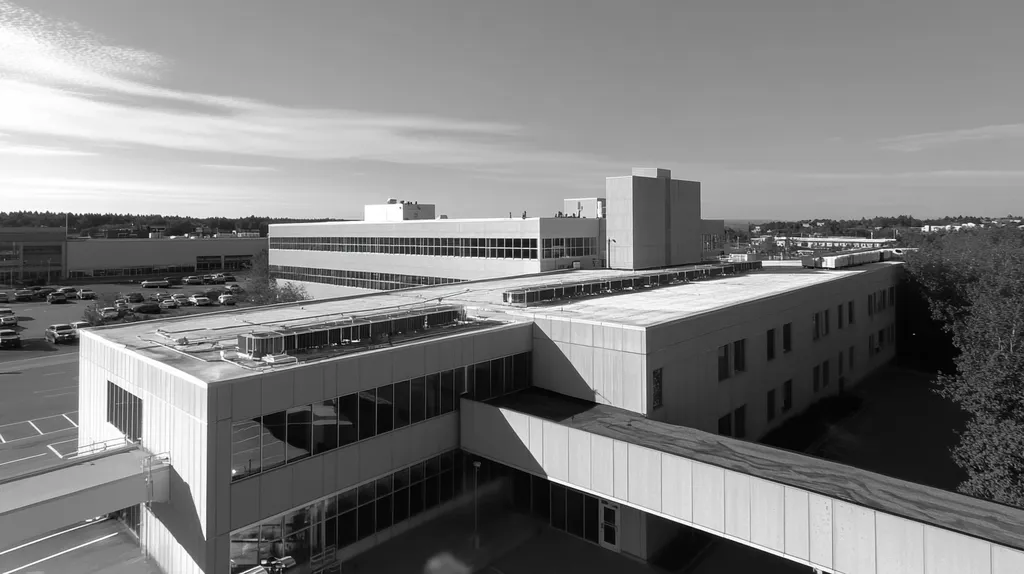
In today’s industrial landscape, poorly managed exhaust stacks contribute to over $2 billion in annual environmental fines and remediation costs across North America. Nearly 40% of facilities fail to meet basic air quality standards due to inadequate stack management.
The stakes couldn’t be higher – from worker safety and regulatory compliance to community health impacts and operational efficiency. Proper exhaust stack management represents a critical cornerstone of responsible industrial operations.
This comprehensive guide examines the essential elements of exhaust stack management, from fundamental concepts and system components to implementation methods and optimization strategies that ensure both compliance and performance.
SECTION 1: FUNDAMENTAL CONCEPTS
In the realm of industrial operations, managing exhaust stacks effectively is not just about adhering to regulations; it’s about safeguarding community health and improving air quality. As industrial activity rises, a clear understanding of exhaust stack functionality becomes vital for facility managers. Properly designed stacks can significantly mitigate the risks associated with emissions, making their management essential for a healthier environment.
Exhaust Stack Purpose and Function
Exhaust stacks play a crucial role in directing fumes, smoke, and other pollutants away from industrial facilities. Their primary goal is to ensure that emissions do not endanger workers or nearby communities. A well-engineered exhaust stack discharges pollutants efficiently, promoting rapid dispersion and reducing their concentration at ground level.
The design of stacks varies based on the operations they support and the specific emissions they handle. For instance, some stacks may need to be taller or shorter depending on the nature of the pollutants. These considerations are integral for meeting environmental standards and maintaining public health.
Additionally, the location and height of exhaust stacks must align with safety requirements and functional needs. Stacks should be strategically placed to avoid interference with a building’s structure and to mitigate impacts from nearby structures. Thus, understanding how stacks function is pivotal for successful facility management.
Ultimately, an effective exhaust stack is not only a matter of regulatory compliance; it is essential for responsible environmental stewardship. The influence of proper management on air quality and operational efficiency makes it an indispensable focus for facility managers.
Plume Rise and Dispersion Principles
Grasping the concept of plume rise is vital for effective exhaust stack management. When emissions exit a stack, they create a plume that rises due to a combination of heat and velocity. This rising action helps to disperse pollutants, thus lowering localized concentrations.
The initial height and speed of the plume are key elements influencing its dispersion. Factors like the temperature of the gases and wind conditions directly affect how high and far the plume travels. To ensure effective dispersion, stacks must be tall enough to prevent pollutants from falling back into occupied areas.
Moreover, regulatory standards often dictate minimum stack heights depending on emission types and volumes. Ignoring these guidelines can lead to increased pollution levels at ground level and potential air quality violations. Regular evaluations of stack height and function are essential for facility managers to remain compliant with the latest standards.
The challenges of managing plume rise and dispersion are ongoing. By staying informed on current research and technological advancements, facility managers can enhance the efficiency of their exhaust systems while prioritizing community health.
Wind and Building Interactions
The dynamics between wind and buildings are critical for the effectiveness of exhaust stacks. Buildings can create zones of turbulence, which can disrupt the efficient dispersion of pollutants. For example, wind gusts may push plumes downward or toward neighboring properties, posing health risks.
It is imperative for facility managers to understand the wind patterns around their facilities. Conducting wind flow studies helps reveal how building design and surrounding terrain influence dispersion. This knowledge enables informed decisions about stack placement and necessary design modifications.
Seasonal wind variations can also have a significant impact on emission dispersion. During colder months, temperature inversions may trap pollutants close to the ground. By considering these fluctuations, facility managers can optimize their exhaust systems to adapt to varying environmental conditions.
Neglecting the interactions between wind and stack function could jeopardize regulatory compliance and public safety. Therefore, thorough assessments of facility positioning relative to prevailing winds are imperative for successful exhaust management.
SECTION 2: SYSTEM COMPONENTS
Effective management of exhaust stacks on industrial roofs is not just a regulatory detail; it is crucial for protecting both human health and the environment. Components such as stack height and exit velocity significantly influence how well emissions are dispersed. Additionally, the interplay of exhaust fans and makeup air systems is essential for ensuring proper ventilation throughout facilities. By understanding filtration and scrubbing technologies, facility managers can adhere to regulatory standards and promote cleaner air. Optimizing these components is a vital pursuit for anyone involved in facility management.
Stack Height and Exit Velocity Requirements
Proper stack height and exit velocity are pivotal in achieving effective exhaust dispersion. Insufficient stack height can cause pollutants to linger near the ground, jeopardizing air quality and endangering worker health. The Environmental Protection Agency warns that many facilities risk non-compliance due to poorly designed stacks.
Regulatory agencies establish minimum height requirements based on a facility’s emissions and its surrounding environment. These guidelines are vital to optimize the dispersion of harmful substances, reducing their concentration at ground level. Equally important, adequate exit velocity directly affects how fast emissions are diluted into the atmosphere.
A higher exit velocity ensures that contaminants are propelled high enough to rise above nearby structures, where they can be effectively mixed with ambient air. Failing to meet these criteria can result in severe air quality problems and potential fines, underlining the importance of robust stack management.
To ensure compliance with these regulations, property owners should conduct regular assessments. This process may involve consulting experienced roofing professionals to evaluate and modify existing systems as necessary. Neglecting stack height and exit velocity can lead to long-term operational and financial repercussions.
Exhaust Fans and Makeup Air Systems
For optimal ventilation in industrial facilities, exhaust fans and makeup air systems must operate in harmony. Exhaust fans are responsible for removing polluted indoor air, while makeup air systems introduce fresh air to uphold a balanced pressure. An imbalance in either system can diminish overall efficiency.
Inadequate capacity in exhaust fans can elevate indoor pollution levels, which can adversely affect employee health and productivity. Conversely, ineffective makeup air systems can lead to soaring energy costs and uncomfortable temperature fluctuations throughout the workspace.
Facility managers should routinely evaluate both systems to ensure they meet current operational demands. Upgrading to high-efficiency fans and incorporating variable speed drives can enhance energy efficiency and performance. This proactive approach not only improves air quality but also lowers overall operating costs.
Regular maintenance checks are essential to avoid breakdowns that could disrupt daily operations. Scheduling inspections with qualified technicians will help keep systems functioning efficiently and compliant with occupational health standards.
Filtration and Scrubbing Technologies
Filtration and scrubbing technologies are critical in managing emissions from industrial exhaust stacks. These technologies effectively capture harmful particles and gases before they enter the environment, playing a significant role in meeting stringent environmental regulations.
Modern filtration systems are designed to efficiently remove particulates from exhaust gases. For instance, HEPA filters can trap up to 99.97% of airborne particles, ensuring that emissions are as clean as possible. Utilizing these systems not only safeguards environmental health but also improves workplace air quality.
Scrubbing technologies, such as wet scrubbers, employ liquid mediums to extract specific gases, including volatile organic compounds and sulfur dioxide. Implementing these solutions can dramatically lessen environmental impact and reduce regulatory burdens, showcasing a commitment to sustainability.
Property owners need to stay abreast of the latest advancements and regulatory updates in filtration and scrubbing technologies. Upgrading or retrofitting existing systems can mitigate compliance issues and enhance operational efficiency. Investing in these innovations ultimately benefits both the community and the organization’s financial health.
SECTION 3: IMPLEMENTATION METHODS
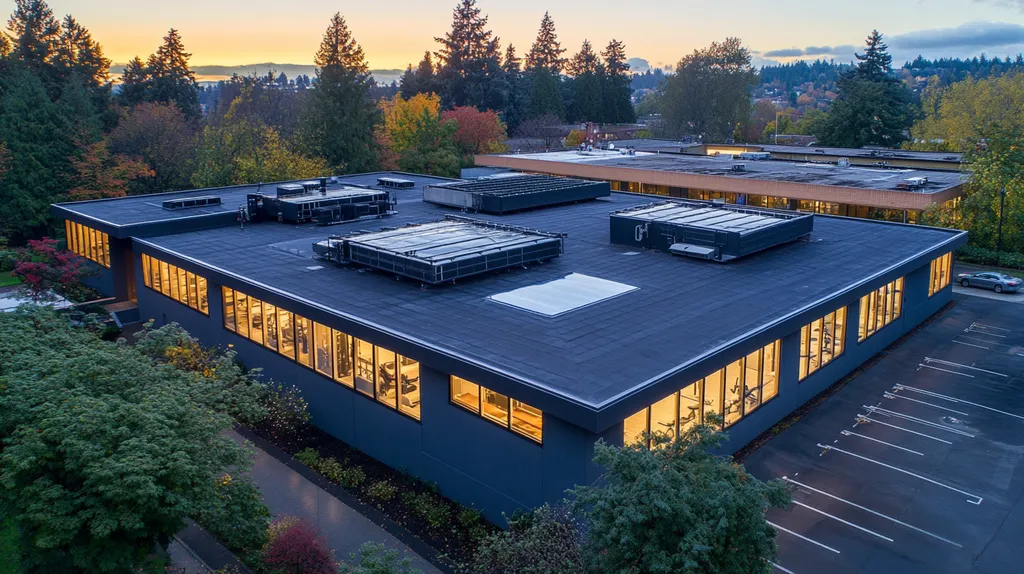
Effectively managing exhaust stacks on industrial roofs is critical for ensuring safety and operational efficiency. A misaligned or poorly placed exhaust stack can release hazardous emissions into the facility or surrounding areas, endangering health and compliance. Alarmingly, over 30% of industrial establishments face regulatory action due to failures in exhaust management. This section discusses vital implementation methods, including optimal stack placement, the integration of central exhaust systems, and architectural considerations for visual screening.
Stack Placement and Orientation Guidelines
Proper placement of exhaust stacks is essential for effective management. Stacks must be positioned to avoid recirculation of exhaust gases into air intake vents. A recommended minimum distance of 10 feet from rooftop equipment is critical for maintaining safety standards.
Orientation is equally important. Stacks should face away from building edges and adjacent air intake systems to reduce the risk of contaminated air being drawn into the facility. Careful positioning lowers the chances of health hazards associated with poor air quality.
Incorporating prevailing wind patterns into stack design further enhances performance. Utilizing wind roses can help assess local wind behaviors, guiding the ideal stack orientation for optimal exhaust discharge.
Finally, stacks should exceed building height by a minimum of three feet to ensure effective emissions dissipation and minimize ground-level contamination. This design consideration helps maintain air quality for surrounding communities.
Integrating Central Exhaust Systems
A central exhaust system is a powerful way to enhance exhaust management within industrial facilities. By consolidating multiple exhaust points, these systems streamline airflow control and reduce redundant processes.
Such integration also simplifies maintenance, as a single system allows for more efficient inspections and repairs, thereby minimizing both downtime and potential disruptions to operations.
Furthermore, central systems are often equipped with advanced filtration technologies that meet or exceed environmental standards. Implementing HEPA filters can drastically cut down on particulate emissions, improving both air quality and regulatory compliance.
The addition of variable frequency drives (VFDs) contributes to real-time adjustments according to operational needs. This flexibility not only optimizes energy efficiency but also lowers the wear and tear on exhaust equipment, ensuring longer lifespan and reliability.
Architectural Screen Considerations
Architectural screens offer both aesthetic and practical benefits for exhaust stack management. Effective screening can disguise unsightly stacks while also mitigating the noise pollution generated by exhaust systems.
When designing screens, it’s crucial to select materials and styles that harmonize with the existing facility. Popular options include wooden slats and decorative metal panels, tailored to enhance overall architectural appeal.
In designing screens, it’s vital to allow for ample airflow while still capturing visual distractions. This often necessitates careful design choices that incorporate appropriate slats or mesh to avoid impeding exhaust efficiency.
Lastly, attention to local zoning regulations cannot be overlooked. Some jurisdictions have specific limitations on stack visibility or requirements that can influence the design and placement of architectural screens, ensuring compliance and a smooth operation.
SECTION 4: MAINTENANCE REQUIREMENTS
Proper management of exhaust stacks is essential for the safety and efficiency of industrial roofing systems. Neglecting maintenance can lead to severe repercussions, with a single leak potentially costing an average of $1,500 in repairs. Regular upkeep not only extends the lifespan of roofing systems but also minimizes risks associated with operational failures. This section will explore vital inspection protocols, safe shutdown procedures, and effective hazard identification to underscore the importance of committed maintenance efforts.
Regular Inspection and Testing Protocols
Routine inspections are the foundation of effective exhaust stack maintenance. Facilities should conduct comprehensive visual inspections at least twice a year, focusing on key elements like structural integrity, corrosion, and the condition of sealants. Additional testing should include evaluations of emissions and airflow to ensure that all operations meet environmental standards.
Keeping meticulous records of each inspection is crucial. Facility managers should maintain a detailed log that tracks inspection dates, findings, and any required follow-up actions. This log serves not only for compliance purposes but also as a reference for future maintenance planning.
Leveraging technology can enhance the efficiency of inspections. Drones equipped with high-resolution cameras can access difficult-to-reach areas, minimizing risks associated with manual inspections. Utilizing data analysis software ensures a timely response to identified issues, making maintenance more proactive.
Moreover, installing advanced monitoring systems, including temperature and pressure sensors, enables continuous assessment of stack performance. These measures significantly reduce the risk of expensive failures and ensure that exhaust systems operate optimally, benefiting both safety and compliance.
Shutdown Procedures for Safe Maintenance
Establishing safe shutdown procedures is vital when performing maintenance on exhaust stacks. Facilities must develop clear protocols that outline the steps for safely suspending operations to protect personnel and minimize hazards during maintenance activities.
Effective communication is crucial in any shutdown procedure. A designated team should be responsible for notifying all relevant stakeholders about shutdown timelines and operational expectations. Signage and alerts should clearly indicate restricted areas during maintenance to avoid misunderstandings.
In addition, adhering to lockout/tagout practices is essential to ensure that exhaust systems are completely deactivated before workers begin. This precaution prevents accidental activation, safeguarding workers from potential injuries or equipment damage.
Training employees in emergency response protocols is another vital aspect of these shutdown procedures. Regular drills should be undertaken to reinforce safety practices and prepare teams for unforeseen incidents, ensuring a well-equipped staff ready to handle emergencies effectively.
Hazard Identification and Labeling
Implementing a comprehensive hazard identification system is crucial for the safe operation of exhaust stacks. Proper labeling of hazardous materials and equipment is necessary to protect all personnel who work near stack systems. Clear and visible labels communicate vital information regarding potential risks associated with maintenance tasks.
Updating safety documentation and protocols regularly is essential for continued compliance with local and federal regulations. This information should be easily accessible to all team members, fostering a strong culture of safety and awareness across the facility.
Using color-coded labeling systems can significantly enhance workplace safety. For example, red labels could indicate immediate danger, while yellow might signify caution areas. These visual enhancements allow for quick hazard recognition and informed decision-making by all personnel.
Additionally, carrying out routine safety audits helps identify new hazards arising from changes in operations or equipment. Continuously improving hazard management strategies ensures maintenance procedures are adaptive and responsive to evolving facility needs, effectively minimizing potential risks.
SECTION 5: PERFORMANCE METRICS
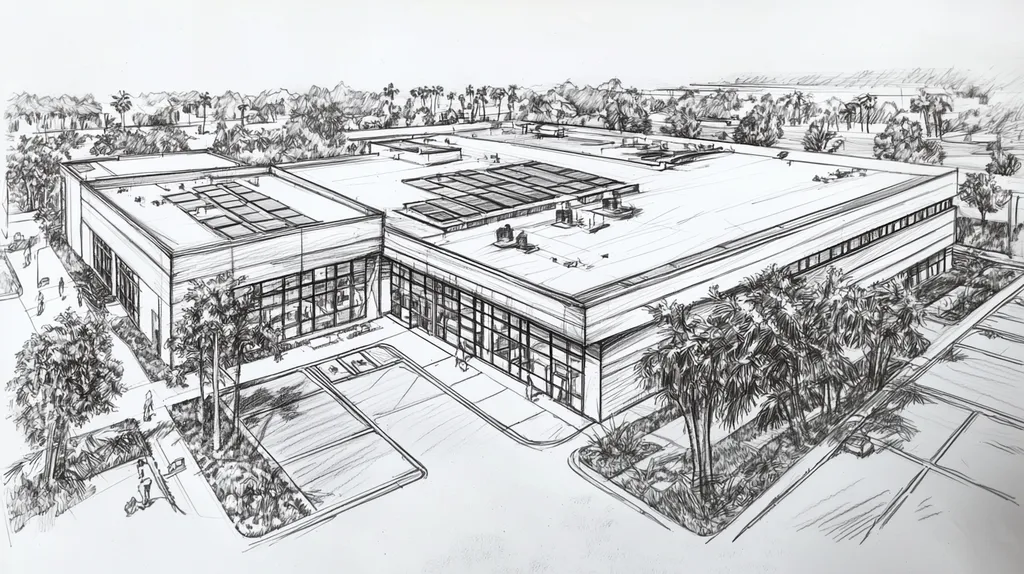
Managing exhaust stacks on industrial roofs is paramount for both environmental compliance and operational efficiency. Inadequately designed or maintained exhaust systems can not only escalate pollution levels but also trigger regulatory fines and health risks for employees and surrounding communities. Alarmingly, a study revealed that 40% of industrial facilities are falling short of air quality standards, underscoring the pressing need for effective performance metrics that accurately gauge system efficiency and emissions management.
Measuring Plume Rise and Dispersion
Grasping plume rise and dispersion is essential for effective exhaust stack management. Plume rise describes how high exhaust gases ascend once they exit the stack, while dispersion measures how these gases dilute within the atmosphere. Key factors influencing these processes include stack height, exit velocity, and atmospheric conditions.
Facilities can utilize modern modeling techniques to predict the trajectory of exhaust plumes. Software simulations can create visual representations of how the plume behaves, allowing managers to identify potential hotspots where pollutants may accumulate.
Systematic measurements of plume characteristics can also aid in aligning with compliance standards. Insights gained from this data empower facility managers to adjust stack configurations or operational routines for improved performance, greatly reducing the chance of air quality violations.
Investing in regular assessments of plume rise and dispersion not only ensures optimal facility operations but also promotes a healthier environment. Well-informed decisions enable property owners to prevent costly compliance issues before they manifest.
Evaluating Contaminant Concentration Levels
To gauge the effectiveness of exhaust stacks, it’s crucial to evaluate contaminant concentration levels. This measurement reveals the volume of harmful substances released into the atmosphere, making regular emissions monitoring essential to maintaining regulatory compliance.
Through sampling and analysis of exhaust gases, facilities gather critical data for assessing stack performance. Continuous emissions monitoring systems (CEMS) provide real-time readings of pollutant levels, enabling swift responses to any abnormalities.
Understanding these concentration levels is vital for determining necessary operational adjustments. If contaminants exceed acceptable limits, facilities may need to modify processes, upgrade equipment, or enhance filtration systems. Overlooking these metrics can result in regulatory penalties and reputational damage.
Implementing effective monitoring practices ensures compliance and promotes sustainable operations. By maintaining acceptable concentration levels, facilities contribute positively to community air quality and demonstrate their commitment to public health.
Compliance with Air Quality Standards
Compliance with air quality standards is imperative for industrial facilities. Regulatory bodies like the Environmental Protection Agency (EPA) set emission limits that, if exceeded, can lead to significant fines and operational stoppages. Regular assessment of exhaust stack performance is crucial for sustaining compliance.
To ensure adherence, facilities should conduct comprehensive audits of their emissions systems. Knowledge of specific applicable standards enables effective management strategies, while staying updated on regulations prepares facility managers for unscheduled inspections.
Establishing a thorough compliance program is essential for preventing violations. This program should feature consistent monitoring, timely reporting, and appropriate responses to any discrepancies. By fostering accountability, facilities reinforce their commitment to air quality.
Ultimately, effective compliance not only meets regulatory requirements but also builds community trust and reduces operational risks. Investing in compliance measures underscores a facility’s dedication to environmental stewardship and public health.
SECTION 5: PERFORMANCE METRICS
Effectively managing exhaust stacks on industrial roofs is not just about meeting regulations; it’s essential for safeguarding community health and ensuring operational efficiency. Neglecting proper designs or maintenance can result in increased pollution, hefty fines, and serious health hazards for workers and surrounding neighborhoods. Alarmingly, research shows that 40% of industrial facilities are failing to meet air quality standards, highlighting the urgent need for effective performance metrics that accurately assess emission control and system efficiency.
Measuring Plume Rise and Dispersion
Understanding plume rise and dispersion is crucial for effective exhaust stack management. Plume rise determines how high exhaust gases ascend upon exiting the stack, while dispersion measures how these gases dissipate in the atmosphere. Factors such as stack height, exit velocity, and atmospheric conditions significantly influence these processes.
Facilities can leverage advanced modeling techniques to predict the trajectory and behavior of exhaust plumes. Utilizing software simulations creates accurate visualizations of plume dispersal patterns, enabling managers to pinpoint potential hotspots for pollutant concentration.
By incorporating systematic measurements of plume rise and dispersion, facilities can align operations with compliance standards. This data equips facility managers to make informed adjustments to stack configurations or operational practices, greatly minimizing the risk of air quality violations.
Investing in periodic assessments not only optimizes facility performance but also enhances environmental stewardship. Well-informed decisions allow property owners to proactively prevent costly compliance issues before they materialize.
Evaluating Contaminant Concentration Levels
Assessing contaminant concentration levels is imperative for gauging the effectiveness of exhaust stack systems. This metric reveals the volume of harmful substances being released into the atmosphere, making regular emissions monitoring a necessity for regulatory compliance.
Through routine sampling and analysis of exhaust gases, facilities can gather critical data for evaluating stack performance. Continuous emissions monitoring systems (CEMS) provide real-time readings, allowing managers to quickly address any irregularities that may arise.
Understanding concentration levels helps guide operational adjustments. If pollutant levels exceed acceptable limits, it may necessitate process modifications, equipment upgrades, or improved filtration systems. Overlooking these metrics can lead to regulatory fines and tarnished reputations.
Implementing effective monitoring practices not only ensures compliance with regulations but also promotes sustainable operational practices. By maintaining acceptable concentration levels, facilities can contribute positively to community air quality and environmental health.
Compliance with Air Quality Standards
Adhering to air quality standards is non-negotiable for industrial facilities, as compliance is crucial for avoiding fines and operational disruptions. Regulatory agencies, such as the Environmental Protection Agency (EPA), set strict limits on emissions, making regular assessments of exhaust stack performance essential.
Facilities should conduct thorough audits of their emissions systems to remain compliant. Understanding specific regulations applicable to their operations is fundamental for developing effective management strategies. Being up-to-date on regulatory changes prepares facility managers for unannounced inspections.
Establishing a solid compliance program helps prevent violations and ensures accountability. This program should encompass consistent monitoring, timely reporting, and efficient measures to remediate any discrepancies found.
Ultimately, effective compliance not only meets regulatory requirements but also strengthens community trust while minimizing operational risks. Investing in robust compliance measures reinforces a facility’s commitment to environmental health and public well-being.
Looking Ahead
With industrial emissions contributing to over 40% of air quality violations nationwide, proper exhaust stack management has never been more critical for facility operations and public health.
The financial impact of non-compliance now exceeds $2 billion annually across North America, making strategic exhaust management an essential priority for industrial facilities.
Success requires a comprehensive approach incorporating proper stack design, regular maintenance protocols, and continuous performance monitoring.
By implementing the strategies outlined in this guide, facility managers can ensure regulatory compliance while protecting both worker safety and community health.
The future of industrial operations depends on facilities embracing these proven exhaust management practices to create cleaner, more sustainable environments for generations to come.
FREQUENTLY ASKED QUESTIONS
Q. What is the purpose of exhaust stacks on commercial roofs?
A. Exhaust stacks are designed to direct fumes and pollutants away from industrial facilities, protecting both workers and nearby communities. Their design varies based on operations and emissions being handled, ensuring compliance with environmental standards. Properly managed stacks are vital for maintaining air quality and safeguarding public health.
Q. How does stack height affect industrial roof ventilation?
A. Stack height is crucial for effective exhaust dispersion; insufficient height can cause pollutants to linger near ground level, jeopardizing air quality. Regulatory agencies set minimum height requirements based on emissions and surrounding environments. Maintaining adequate stack height helps ensure compliance while protecting worker health and reducing local pollution levels.
Q. What should facility managers consider during stack placement?
A. Proper placement of stacks is vital to avoid recirculation of exhaust gases and ensure safety. Position stacks at least 10 feet away from rooftop equipment and orient them away from building edges and air intakes. Considering local wind patterns during design can also enhance emissions efficiency and minimize health risks.
Q. How frequently should exhaust stacks be inspected?
A. It is recommended that facilities conduct visual inspections of exhaust stacks at least twice a year. These inspections should focus on structural integrity, corrosion, and performance evaluations. Keeping detailed records of each inspection aids in compliance and helps plan future maintenance to avoid costly operational failures.
Q. What role do emissions monitoring systems play in exhaust management?
A. Continuous emissions monitoring systems (CEMS) provide real-time data on pollutant levels, enabling rapid responses to any irregularities. This data is crucial for evaluating stack performance and ensuring compliance with environmental regulations. Regular assessments of emissions not only uphold standards but also promote operational efficiency and community health.
Q. What sustainability practices can enhance exhaust stack performance?
A. Implementing advanced filtration and scrubbing technologies significantly enhances exhaust stack performance by capturing harmful pollutants before release. Regular upgrades to emission control systems ensure compliance and promote cleaner air. Additionally, integrating renewable energy solutions in operations can further reduce overall emissions, contributing to a more sustainable facility management approach.
Q. How can facility managers streamline exhaust stack maintenance?
A. Streamlining maintenance can be achieved by scheduling regular inspections and incorporating advanced monitoring systems. Utilizing technology such as drones for hard-to-reach areas, and keeping detailed maintenance logs will improve efficiency. Coordinating with experienced roofing professionals for assessments can also facilitate effective modifications to existing exhaust systems.






