
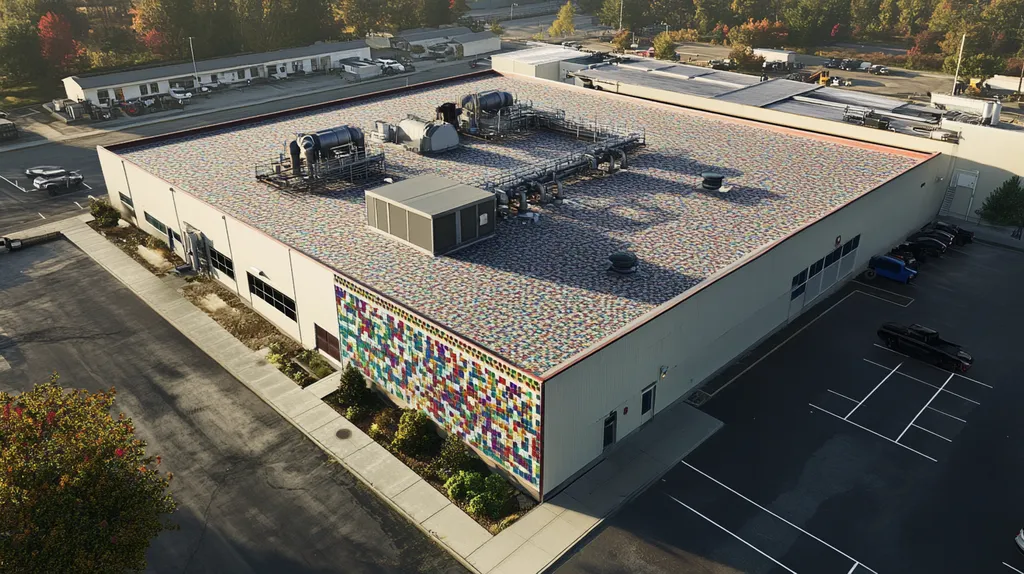
The commercial roofing industry stands at a critical turning point, with over $5.4 billion in annual losses attributed to outdated roofing materials and failing membrane systems. Modern material innovations promise to revolutionize how buildings perform, offering unprecedented durability and energy efficiency.
From advanced polymer composites to smart membrane systems that monitor their own condition, these technological breakthroughs are reshaping what’s possible in commercial roofing. Property owners who fail to adapt risk falling behind, facing higher maintenance costs and decreased building performance.
This comprehensive guide examines the latest advancements in roofing membrane technology, exploring everything from fundamental concepts to cutting-edge implementation strategies that are transforming the industry.
SECTION 1: FUNDAMENTAL CONCEPTS
In today’s rapidly changing landscape of commercial roofing, the choice of roofing membrane materials is paramount to a building’s durability and efficiency. With nearly 50% of commercial roofs experiencing problems such as leaks and rapid deterioration, it’s essential for property owners and facility managers to grasp the various types of roofing membranes and their key properties. This section will break down the primary membrane options, detail their unique characteristics, and examine their resistance to environmental factors, facilitating informed decision-making.
Types of Roofing Membranes
When it comes to roofing membranes, understanding the options available is crucial. The three main types—Thermoplastic Olefin (TPO), Ethylene Propylene Diene Monomer (EPDM), and Polyvinyl Chloride (PVC)—each bring their own strengths and weaknesses, influencing long-term performance.
TPO is gaining popularity due to its energy-efficient properties, effectively reflecting UV rays and helping keep buildings cooler. In contrast, EPDM is celebrated for its remarkable durability and resistance to extreme weather conditions. Meanwhile, PVC excels with its superior chemical resistance, making it ideal for facilities with specialized industrial applications.
Selecting the appropriate membrane impacts not only installation costs but also affects energy savings and maintenance requirements throughout its lifespan. By understanding the application scenarios for each type, property owners can achieve significant cost savings and enhance roof functionality.
A thorough exploration of membrane types helps decision-makers align their choices with the building’s specific attributes and local climate conditions, ensuring a robust long-term investment.
Material Properties and Characteristics
The effectiveness of roofing membranes largely depends on their material properties. Important attributes include tensile strength, flexibility, and thermal performance. Tensile strength indicates the material’s capacity to withstand stress and punctures, which is vital for guarding against external threats.
Flexibility is equally essential, allowing membranes to adjust to a building’s movement without cracking or separating—a crucial feature in climates with dramatic temperature swings. Thermal performance measures a membrane’s insulating capabilities against heat, directly influencing energy consumption.
Innovative materials are continually emerging, enhancing these properties. For instance, new polymer blends provide increased strength while minimizing weight, resulting in longer-lasting roofs that incur lower maintenance costs. Ultimately, these advancements lead to a better return on investment.
By understanding the significance of these material characteristics, property owners can select membranes that effectively meet their needs, promoting better energy efficiency and extending roof life.
Environmental Resistance and Durability
Environmental resistance is a critical aspect in the selection of roofing membranes. Different materials showcase varying resistance levels to elements such as UV exposure, high wind conditions, and chemical interactions. For example, EPDM is recognized for its excellent UV resistance while PVC provides outstanding protection against corrosive substances.
The durability of a membrane directly affects its ability to handle environmental challenges. A resilient roof can endure harsh conditions without significant degradation, sparing property owners from costly repairs or replacements. Notably, a well-installed TPO roof can last over 20 years when properly maintained.
This durability is particularly crucial in industrial sectors where roofs face extreme environmental conditions. Property owners in these fields must prioritize membranes that withstand rigorous use and environmental stress, ensuring reliability over time.
Regular evaluations of environmental resistance empower owners to engage in proactive maintenance, safeguarding their roofs against potential damage and bolstering their overall performance long-term.
SECTION 2: SYSTEM COMPONENTS
The stakes are high when it comes to selecting the right roofing membrane system. Making poor choices can lead to leaks, decreased energy efficiency, and expensive repairs. Alarmingly, nearly 30% of commercial roofs fail prematurely due to inadequate materials and installation practices. This section delves into critical roofing systems—single-ply membranes, modified bitumen, built-up roofing, and metal or synthetic options—to empower property owners and facility managers to make informed, effective decisions.
Single-Ply Membrane Systems (PVC, TPO, EPDM)
Single-ply membrane systems are gaining traction for their durability and straightforward installation. PVC (Polyvinyl Chloride) and TPO (Thermoplastic Olefin) membranes shine for their energy efficiency, effectively reflecting sunlight to lower heating and cooling costs. This makes them an excellent choice for businesses looking to reduce their environmental footprint.
EPDM (Ethylene Propylene Diene Monomer) also commands a strong market presence due to its impressive resistance to weather. This rubber-like material performs exceptionally well in low-slope applications, making it a preferred choice for commercial rooftops. Each of these materials brings unique strengths, which should be assessed according to the specific needs of the facility.
Moreover, advancements in seam technology have significantly bolstered the waterproofing capabilities of these membranes. Innovations such as factory-applied tape offer stronger, longer-lasting seals compared to traditional adhesives, enhancing overall roof performance.
Ultimately, selecting a single-ply system should reflect the specific requirements of the building, including its location, climate, and operational needs.
Modified Bitumen and Built-Up Roofing
Modified bitumen roofs represent a reliable option that merges flexibility with rugged durability. Composed of asphalt with added modifiers, this material boosts UV resistance and weatherproofing capabilities. Buildings with heavy foot traffic or sensitive equipment may find this robust solution particularly advantageous.
On the other hand, built-up roofing—often referred to as BUR—involves multiple layers assembled on-site, allowing for tailored thickness and composition to meet diverse roofing needs. While BUR excels in providing effective waterproofing, it generally requires longer installation times compared to newer systems.
Both modified bitumen and built-up systems are well-suited to handle thermal expansion and contraction, making them reliable for varying climates. Notably, these materials can also help lower interior temperatures by reflecting sunlight, which may contribute to reduced energy costs.
As advancements continue to emerge in both systems, innovations targeting sustainability and enhanced installation methods should be top of mind for property owners exploring their options.
Metal and Synthetic Roofing Options
Metal roofing has become a favored choice in commercial settings, appreciated for its extended lifespan and recyclability. Options like steel, aluminum, and copper withstand severe weather conditions while their reflective properties enhance energy efficiency. In fact, with proper maintenance, metal roofs can last over 50 years, representing a significant long-term investment.
Synthetic roofing systems, including polymer-based products, strive to provide the benefits of traditional materials while enhancing performance. These systems offer improved flexibility and UV stability, ensuring longevity with lower maintenance sprees.
The versatility of modern metal and synthetic options allows property owners to select roofs that not only fit the aesthetic of their buildings but also align with eco-friendly practices. This dual focus on function and sustainability reflects a growing trend in the industry.
Decision-makers should carefully evaluate upfront costs against potential long-term gains. By selecting the right metal or synthetic solution, facility managers can maximize their roofs’ return on investment while supporting broader sustainability initiatives.
SECTION 3: IMPLEMENTATION METHODS
The importance of proper implementation methods for advanced roofing materials cannot be overstated. Inadequate installation can lead to significant issues like leaks, elevated energy costs, and expensive repairs, with the National Roofing Contractors Association reporting that improper installation accounts for up to 50% of roofing failures. Understanding effective techniques—from installation methods to integrating renewable energy solutions like solar panels and green roofs—is essential for maximizing the integrity and efficiency of commercial roofing systems.
Installation Techniques and Tools
For advanced roofing membranes to perform at their best, specific installation techniques and tools must be utilized. Techniques like heat welding and mechanically fastening membranes are critical for ensuring a tight, watertight bond. These methods not only strengthen the roof’s resilience but also extend its lifespan significantly.
Employing modern tools such as plasma cutters and digital leveling systems helps achieve precise application. This accuracy minimizes installation time and waste, ultimately benefiting project budgets and timelines. It’s important that roofing crews receive proper training in these techniques, as small missteps can lead to serious problems down the line.
Additionally, new mechanical fastening systems are designed to limit damage during installation, decreasing vulnerability to environmental pressures and enhancing overall durability. Property owners should prioritize skilled labor equipped with the latest techniques and tools to ensure efficient and effective installation.
In summary, prioritizing advanced installation methods not only bolsters roof performance but also offers peace of mind for property owners, ensuring their investment stands the test of time.
Adhesive and Fastening Systems
The selection of adhesive and fastening systems plays a crucial role in prolonging the lifespan of roofing membranes. Today’s advanced adhesives provide superior bonding strength, significantly enhancing the membrane’s resistance to peeling and lifting. This innovation ensures a robust hold that adapts well to fluctuating weather conditions.
For instance, spray-applied and liquid adhesives allow for rapid application across larger surfaces, offering convenience for expansive commercial roofs where traditional fasteners could be labor-intensive. This efficiency can lead to significant savings on installation costs.
Moreover, mechanical fastening systems now include self-sealing options that effectively prevent leaks. This feature addresses one of the leading causes of roofing failures: water intrusion. Choosing the right fastening system tailored to a building’s unique requirements can result in substantial long-term savings.
By utilizing high-performance adhesives and fasteners, property owners can not only increase their roof’s lifespan but also enhance its overall energy efficiency. It’s advisable for owners to consult with roofing professionals to identify the most suitable adhesive or fastening solutions for their projects.
Integration with Solar Panels and Green Roofs
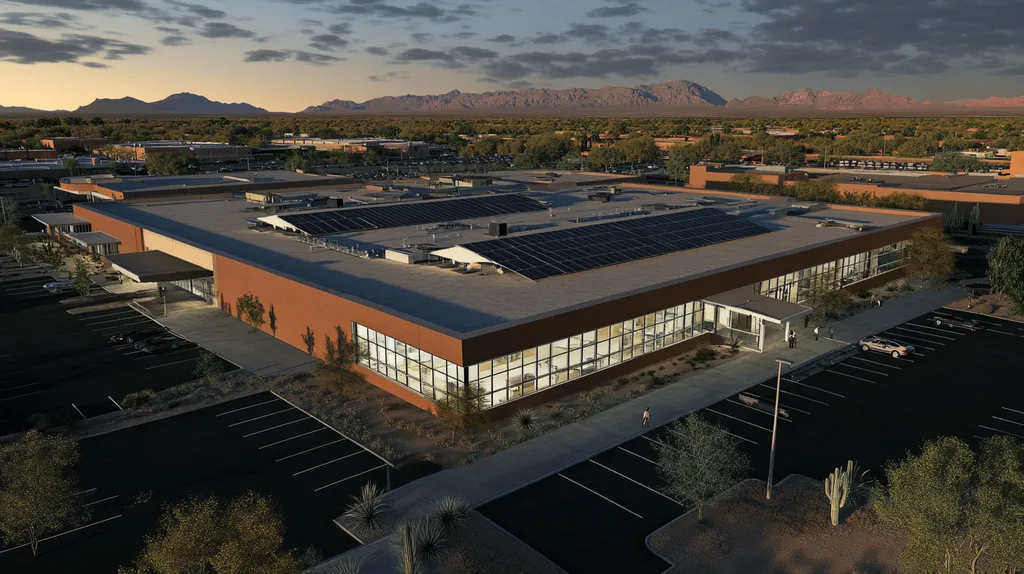
As sustainability takes center stage, integrating roofing systems with solar panels and green roofs has become vital. Advanced roofing membranes can effectively support these eco-friendly initiatives by reducing heat absorption while providing a solid base for solar installations.
Some membranes are specifically designed to carry the additional weight of green roofs while ensuring proper drainage. These materials create a leak-proof barrier that not only protects the building but also facilitates the growth of vegetation, contributing to urban greenery.
Incorporating solar panels into roofing systems can lead to remarkable energy savings. Innovative membranes now equipped with photovoltaic capabilities convert sunlight into energy, providing significant reductions in utility costs.
Ultimately, the integration of cutting-edge roofing solutions with energy-efficient technologies enhances both environmental sustainability and the profitability of commercial properties. Staying abreast of these trends enables property owners to maximize their building’s potential while embracing greater sustainability.
SECTION 4: MAINTENANCE REQUIREMENTS
Routine maintenance of commercial roofing membranes is not just a good practice; it’s essential for ensuring their longevity and optimal performance. Neglecting this aspect can lead to serious issues like leaks or structural damage, resulting in costly repairs that could run into the thousands. Regular upkeep not only extends the life of a roof but also boosts energy efficiency. This section will highlight the critical importance of routine inspection, effective repair methods, and proactive maintenance strategies.
Regular Inspection and Monitoring
Regular inspections are vital for spotting early signs of wear and tear on roofing membranes. Property owners should schedule these inspections at least twice a year, ideally in spring and autumn, to catch seasonal damage before it escalates. A thorough inspection can uncover issues like punctures, cracks, and blisters that might go unnoticed without the trained eye.
Incorporating technology can improve inspection efficiency. Drones equipped with cameras can deliver aerial views, making it easier to identify areas in need of attention. This advanced approach saves time and ensures thorough coverage, reducing the risk of overlooking critical spots.
Maintaining accurate records is equally important. Keeping a detailed log of inspections allows property owners to monitor the roof’s condition over time and provides valuable insights for future maintenance planning or when considering roof replacement.
Partnering with professional roofing contractors can enhance the effectiveness of these inspections. With their expertise and specialized equipment, they ensure a comprehensive review of the roof and can recommend appropriate actions.
Repair and Patching Procedures
Timely repairs are crucial when issues arise during inspections. Ignoring minor defects, such as small punctures or weak seams, can lead to leaks and significant damage down the road. Addressing these small problems promptly saves considerable time and money in the long run.
Repair techniques may differ according to the type of membrane. For instance, EPDM roofs require specific adhesives for effective patches, while TPO membranes might necessitate specialized welding methods. Understanding these nuances is vital for ensuring effective repairs.
Using high-quality materials for patching can further enhance the durability of the roof. While opting for cheaper materials may seem tempting, it often results in frequent issues and increases long-term costs.
Training maintenance staff in simple repair techniques can be invaluable. Equipping teams with this knowledge enables immediate action, minimizing potential damage and associated costs.
Preventative Maintenance Strategies
Implementing preventative maintenance can significantly prolong the lifespan of roofing membranes. Regular cleaning helps avoid debris buildup, which can trap moisture and facilitate mold growth. Keeping rooftops clear of leaves and dirt is critical for maintaining the integrity of the roofing materials.
Effective drainage is also essential. Ensuring that gutters and downspouts are free of clogs helps prevent water accumulation, which can otherwise lead to leaks and structural damage. Regular monitoring of these systems can help property owners avoid expensive water damage.
Installing protective coatings is another proactive strategy. These coatings can enhance UV resistance and reduce thermal expansion, contributing to the longevity of the membrane. Depending on the membrane type, they can also offer additional insulation benefits.
Lastly, creating a comprehensive maintenance calendar can streamline management efforts. Including all inspection dates, repairs, and preventative measures helps ensure nothing is overlooked throughout the year, maximizing roof performance and safety.
SECTION 5: PERFORMANCE METRICS
In the competitive realm of commercial roofing, the stakes are high when selecting the right membrane. A poor choice can lead to rising energy costs and diminished property value. With energy prices climbing steadily, property owners need roofing systems that not only offer robust protection but also deliver noticeable energy savings. Research suggests that advanced roofing membranes can lower energy bills by up to 30%, underscoring the importance of performance metrics in decision-making. This section explores critical aspects such as energy efficiency, weather resistance, and compliance with building codes.
Energy Efficiency and Cost Savings
Energy efficiency is essential in today’s commercial roofing solutions. Reflective membranes like TPO or PVC are designed to lower surface temperatures, which can greatly reduce cooling needs during hot months. By using solar energy effectively, these materials can lead to significant cost savings over the life of the roof.
A study from the Oak Ridge National Laboratory found that reflective membranes can cut cooling energy usage by up to 50%. This not only leads to lower electricity bills but increases the comfort of the indoor environment. As energy efficiency becomes a more critical criterion, property owners should focus on membranes that meet or exceed ENERGY STAR® ratings.
Additionally, incorporating energy-efficient roofing can make buildings eligible for valuable rebates and tax incentives. These financial advantages reinforce the importance of choosing high-performance materials that adhere to energy efficiency standards.
Overall, investing in energy-efficient roofing membranes translates to long-term savings, enhanced comfort, and potential financial rewards for property owners.
Weather Resistance and Lifespan Evaluation
Weather resistance is a vital concern for commercial roofing membranes, particularly in areas that experience severe weather. Materials such as EPDM and modified bitumen stand out for their impressive durability against high winds, storms, and UV degradation. Ensuring that chosen membranes can withstand tough elements protects property investments over time.
For instance, with proper installation and maintenance, EPDM membranes can last up to 50 years, significantly reducing the need for frequent roof replacements—a major expense for owners. Furthermore, the ability of modern membranes to endure extreme temperatures and severe weather enhances their overall performance metrics.
Research indicates that roofs built with high-quality weather-resistant materials not only last longer but also incur lower maintenance costs. Property owners should carefully review warranties and performance testing to confirm that their selected membranes are supported by reliable resistance metrics.
Ultimately, investing in weather-resistant roofing membranes greatly boosts the durability of the property and alleviates the long-term financial burden of maintenance and replacement.
Compliance with Building Codes and Standards
Adhering to building codes and industry standards is crucial when selecting roofing membranes. Compliance ensures safety, optimal performance, and appropriate insurance coverage for property owners. Various regulations, such as those from the International Building Code (IBC), outline necessary specifications for roofing materials based on geographical and climatic factors.
Many advanced roofing membranes not only meet these regulations but also offer peace of mind to property owners. For example, cool roofing products, designed to reflect sunlight, frequently comply with local and state energy codes while promoting sustainability.
Choosing compliant membranes protects property owners from potential liabilities. Non-compliance can result in costly fines, higher insurance premiums, or legal troubles following roofing failures.
In conclusion, understanding and adhering to building codes and standards is essential when selecting suitable roofing membranes. Compliance guarantees safety and performance and shields property owners from unexpected financial consequences.
SECTION 5: PERFORMANCE METRICS
In the fast-paced world of commercial roofing, making the right choice of membrane can dramatically affect a property’s financial performance. With energy costs on the rise, it’s critical for property owners to invest in roofing systems that not only protect against nature’s challenges but also offer significant energy savings. Recent studies reveal that modern roofing membranes can decrease energy bills by as much as 30%, highlighting the necessity of performance metrics in guiding decisions. This section will explore critical areas like energy efficiency, weather resilience, and adherence to industry regulations.
Energy Efficiency and Cost Savings
Energy efficiency has shifted from a luxury to a requirement in today’s commercial roofing landscape. Reflective membranes, such as TPO and PVC, are engineered to minimize heat absorption, leading to lower roof surface temperatures and reduced cooling demands. These innovations translate into lower energy consumption, resulting in substantial cost savings over the roof’s life cycle.
A study by the Oak Ridge National Laboratory highlights that reflective membranes can decrease cooling energy use by up to 50%. This not only lowers electricity expenses but also improves indoor comfort levels. As energy efficiency becomes increasingly vital, property owners should prioritize membranes that meet or surpass ENERGY STAR® ratings.
Moreover, investing in energy-efficient roofing can make buildings eligible for lucrative rebates and tax incentives. These financial benefits underscore the importance of selecting high-performance materials that align with energy efficiency standards.
In essence, choosing energy-efficient roofing membranes leads to long-term savings, enhanced comfort, and potential financial rewards for property owners.
Weather Resistance and Lifespan Evaluation
Weather resistance is essential for commercial roofing membranes, especially in regions facing extreme weather. Membranes like EPDM and modified bitumen are known for their outstanding durability against severe storms, wind, and UV degradation. By ensuring that selected membranes stand up to tough elements, property owners protect their investments over time.
For instance, properly installed EPDM roofs can last up to 50 years, diminishing the need for frequent replacements—an expensive and disruptive process. Additionally, modern membranes’ ability to endure extreme temperatures and severe weather conditions enhances their overall performance metrics.
Research indicates that roofs made with high-quality weather-resistant materials tend to last longer, resulting in lower maintenance costs. Property owners should scrutinize warranties and performance testing to confirm their membranes offer reliable resistance metrics.
Investing in weather-resistant roofing membranes significantly boosts property durability while reducing the long-term financial pressures associated with roof maintenance and replacement.
Compliance with Building Codes and Standards
Adhering to building codes and industry standards is crucial in selecting roofing membranes. Compliance not only ensures safety but also guarantees performance and appropriate insurance coverage for property owners. Regulations like those from the International Building Code (IBC) lay out required specifications based on geographical and climatic factors.
Many advanced roofing membranes meet or exceed these standards, providing reassurance to property owners. For example, cool roofing products that reflect sunlight often align with local energy codes, promoting sustainability while ensuring compliance.
Choosing compliant membranes also shields property owners from potential liabilities. Non-compliance can lead to expensive fines, increased insurance rates, or legal challenges stemming from roofing failures.
In summary, understanding and adhering to building codes and standards is vital when selecting the right roofing membranes. Compliance ensures safety and performance while protecting property owners from unexpected financial setbacks.
Looking Ahead
With over $5.4 billion in annual losses from outdated roofing systems, the commercial roofing industry stands at a critical crossroads where material innovation will determine success or failure.
Advanced membrane technologies, from self-monitoring smart systems to enhanced polymer composites, are reshaping what’s possible in terms of durability, sustainability, and energy efficiency.
Property owners who embrace these innovations can expect up to 30% reduction in energy costs while extending roof lifespans by decades through improved weather resistance and maintenance capabilities.
The integration of IoT sensors, green roofing solutions, and solar-ready membranes signals a fundamental shift toward intelligent, sustainable building envelopes that will define commercial roofing’s future.
Those who fail to adapt risk falling behind in an increasingly competitive market where superior roofing technology directly impacts bottom-line performance.
FREQUENTLY ASKED QUESTIONS
Q. What types of commercial roof membranes are available?
A. The primary types are TPO, EPDM, and PVC. TPO reflects UV rays, keeping buildings cooler, while EPDM is known for its durability against extreme weather. PVC offers excellent chemical resistance for specialized applications. Selection depends on your building’s needs, climate, and budget.
Q. What is the best commercial roof system for energy efficiency?
A. Single-ply membranes like TPO and PVC are excellent for energy efficiency. They reflect sunlight, which significantly reduces cooling costs during hot months. Choosing these materials can lead to lower energy bills and a more comfortable indoor environment.
Q. How often should I inspect my commercial roof?
A. Regular inspections should occur at least twice a year, ideally in spring and autumn. This helps catch issues like cracks or punctures early, preventing expensive repairs later. Schedule these inspections with professional roofing contractors for optimal results.
Q. What are the best repair methods for a commercial roof?
A. Promptly address issues with appropriate materials specific to your membrane type. For instance, EPDM roofs require specialized adhesives for effective patches, while TPO may need welding. Timely repairs prevent leaks and more extensive damage, saving costs over time.
Q. How do modern membranes improve energy savings?
A. Modern membranes incorporate reflective properties that reduce heat absorption, lowering cooling demands. The right materials can cut energy costs significantly, with some studies showing up to 30% savings. This not only benefits your budget but enhances indoor comfort as well.
Q. What factors should I consider for membrane longevity?
A. Key factors include the quality of the material, installation methods, and regular maintenance. Weather resistance and environmental exposure also play significant roles. Choosing high-quality materials and hiring skilled labor can ensure your roof lasts longer and performs efficiently.
Q. Are there new trends in commercial roof materials?
A. Yes, trends include more eco-friendly materials, improved reflective surfaces, and membranes integrated with solar technologies. Green roofs and solar installations are also gaining popularity, allowing property owners to enhance sustainability while maximizing energy efficiency. Staying updated can benefit long-term investment.






