

When golf ball-sized hail pummels an industrial facility, every minute of downtime can cost thousands in lost productivity. Yet studies show that 65% of commercial properties lack adequate hail protection features, leaving them vulnerable to devastating damage.
From specialized impact-resistant materials to advanced protective coatings, modern roofing innovations offer robust defense against nature’s aerial assault. But navigating these options requires understanding key performance metrics and implementation strategies.
This comprehensive guide examines the critical features that transform standard industrial roofs into hail-resistant shields, helping facility managers protect their operations and bottom line.
SECTION 1: FUNDAMENTAL CONCEPTS
Hail damage can wreak havoc on industrial roofing systems, resulting in hefty repair bills and operational disruptions. In areas prone to severe storms, grasping the features that enhance hail protection is not just smart—it’s vital. Choosing the wrong roofing can leave a property vulnerable, risking both safety and finances. This section delves into essential concepts, such as the importance of Class 4 Hail Impact Ratings, the fascinating dynamics of hail formation, and the rigorous standards governing roofing material testing.
Understanding Class 4 Hail Impact Ratings
Class 4 Hail Impact Ratings signify the pinnacle of impact resistance for roofing materials. Determined through standardized testing, these ratings assess how well various materials withstand simulated hail impacts. For property owners, opting for materials with a Class 4 rating can drastically reduce potential damage from severe storms, lessening the financial strain of repairs.
Unfortunately, many conventional roofing materials don’t meet this rating, leaving properties more susceptible to hail damage. A single severe storm could result in leaks and insulation compromise in roofs that fail to meet Class 4 standards. Therefore, it’s critical for industry stakeholders to prioritize roofs that meet these benchmarks to boost building resilience.
Class 4 rated roofs are constructed from durable materials, like modified bitumen or advanced single-ply systems. These materials can endure hailstones as large as two inches in diameter without suffering structural failure. By investing in roofing that satisfies these criteria, property owners not only protect their assets but also extend their roof’s lifespan and reduce ongoing maintenance costs.
Understanding Class 4 ratings is key to making informed roofing decisions that shield industrial facilities from the harsh realities of hailstorms.
Hail Formation and Storm Dynamics
Hail develops under specific atmospheric conditions and is often spawned by intense thunderstorms. Understanding these dynamics helps property owners gauge their exposure to potential hail damage. The process begins with powerful updrafts that lift moisture high into the atmosphere. As this moisture freezes and gathers, it ultimately falls as hail when it becomes too heavy for the updrafts to maintain.
The size and density of hailstones depend on various storm characteristics, including temperature and the storm’s intensity. Regions frequently affected by robust storm systems face an elevated risk of severe hail events. Property owners in these areas must consider fortified roofing systems designed to withstand such impacts.
Moreover, hailstorms can be unpredictable, underscoring the need for proactive roofing strategies. Businesses may experience significant operational interruptions and repair costs as a result of these weather phenomena. By investing in roofs engineered for hail resistance, property owners can greatly reduce these risks.
A solid grasp of hail dynamics enables property managers to make astute decisions regarding roofing investments, ultimately safeguarding their facilities against the impacts of extreme storms.
Roofing Material Testing Standards
Roofing material testing standards are crucial for ensuring that structures can withstand various natural forces, including hail. These standards set performance and safety benchmarks that guide manufacturers in creating robust products. Organizations like Underwriters Laboratories (UL) and the American Society for Testing and Materials (ASTM) provide strict testing protocols that roofing materials must adhere to in order to achieve specific impact ratings.
Many property owners underestimate the significance of these standards, which can lead to lower-quality roofs that may incur higher repair costs down the line. Inadequate testing can yield materials that don’t perform as expected, exposing properties to increased risk during severe weather.
Compliance with established standards is essential—not only for ensuring product performance but also for maintaining insurance coverage. Some insurers require roofing materials to meet specific impact ratings to provide coverage for hail damage. By ensuring compliance, property owners can secure more favorable terms and conditions in their insurance policies.
Ultimately, understanding roofing material testing empowers property owners to make educated decisions about their investments, fostering resilience against the costly repercussions of hailstorms.
SECTION 2: SYSTEM COMPONENTS
When it comes to safeguarding industrial roofs against hail, understanding the core components of the roofing system is essential. As severe weather events become more frequent, property owners risk facing skyrocketing repair bills if they settle for inadequate roof protection. A robust roofing system not only curbs damage expenses but also ensures that operations continue smoothly during and after storms. In this section, we will explore durable roofing materials, the importance of high-wind mitigation strategies, and protective coatings that enhance overall resilience.
Durable Roofing Materials for Hail Resistance
Choosing the right roofing material is crucial for fortifying against hail. Resilient options like TPO (Thermoplastic Olefin) and EPDM (Ethylene Propylene Diene Monomer) are famous for their ability to withstand hail impacts and resist puncturing. These materials are not only durable but also easy to maintain—making them excellent long-term investments.
Metal roofing shines as another top contender for hail-prone regions. Its strength and durability mean that, over time, metal roofs often boast lower lifecycle costs compared to traditional materials. Additionally, modified bitumen systems, designed with thicker membranes for high-impact resistance, can provide reliable protection against hail.
By investing in high-quality materials, property owners can boost both safety and property value. Engaging with roofing professionals can help identify the best materials tailored to specific climate conditions and operational requirements.
High-Wind and Wind Uplift Considerations
High winds frequently accompany hailstorms, further increasing the potential for roof damage. Roofing systems must be engineered to handle both hail and substantial wind pressures. Essential considerations include wind uplift ratings and proper installation methodologies to ensure secure placements.
A well-anchored roof not only offers protection from hail but can also prevent devastating failures during storms. Features like enhanced fasteners and adhesive applications are effective strategies to mitigate wind uplift risks.
Interestingly, roofs designed to withstand wind pressure often prove more resilient to hail damage as well. Given the escalating frequency of extreme weather events, property owners must prioritize wind performance in their roofing decisions.
Taking these factors into account can lead to significant cost savings and peace of mind during harsh weather, while also reducing maintenance needs over the roof’s lifespan.
Protective Coatings and Surface Treatments
Protective coatings and surface treatments act as the first line of defense against hail impact. These options fortify the roof’s durability by introducing an extra layer of protection. Many commercial roofs utilize specialized coatings that absorb shock, effectively reducing the potential damage from hailstones hitting their surface.
Besides enhancing resilience, surface treatments can improve a building’s energy efficiency. Reflective coatings, for instance, minimize heat absorption, which benefits both the roof material and lowers cooling costs.
Regular maintenance of these coatings is vital for sustained protection. Property owners should collaborate with experts to evaluate the condition of protective treatments and schedule timely reapplications as necessary.
Investing knowledgeably in protective coatings extends the lifespan of roofs while maximizing their resistance to hail. Ensuring proper upkeep means this essential protective layer remains effective throughout its service life.
SECTION 3: IMPLEMENTATION METHODS
Owning an industrial property comes with the critical task of protecting it from the costly consequences of hail damage. In storm-prone areas, embracing robust roofing solutions is not just a smart move—it’s essential. Selecting reliable materials, implementing the right installation techniques, and ensuring compliance with local building codes can dramatically reduce repair costs and minimize operational downtime. This section will delve into the installation of metal and composite roofing systems, integrating hail-resistant asphalt shingles, and adhering to local regulations to bolster hail resistance.
Installing Metal and Composite Roofing Systems
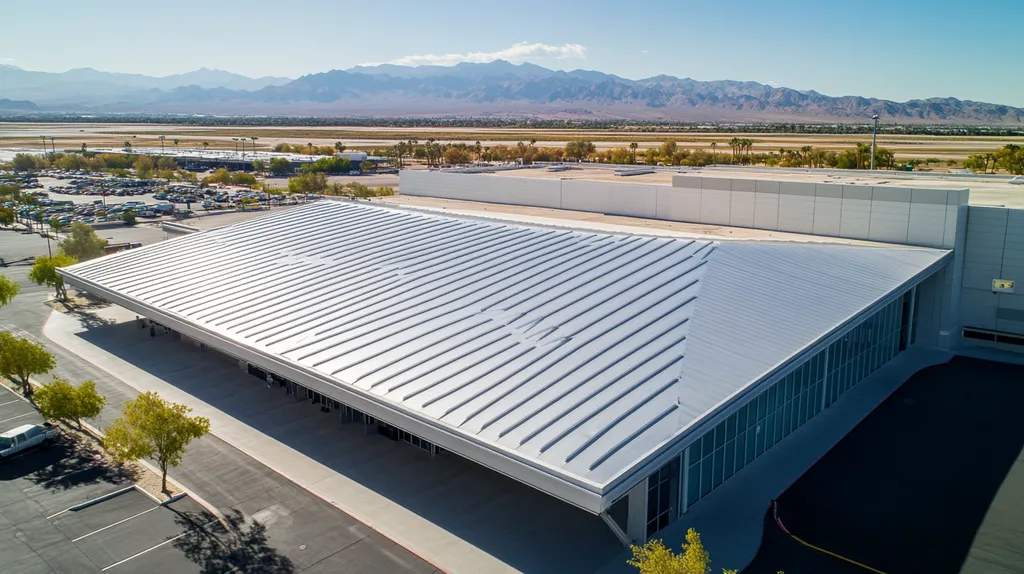
Metal and composite roofing systems have surged in popularity in recent years, and it’s easy to see why. These materials are engineered to withstand the harshest weather, significantly extending the lifespan of any roof. Standing seam metal roofs, for instance, feature interlocking panels that provide superior protection while making water drainage a breeze.
For those seeking an alternative to traditional options, composite roofing materials like engineered polymer shakes offer impressive impact resistance with a classic look. They mimic the appearance of wood or slate while outperforming standard shingles during severe weather events. Not only do they offer peace of mind, but they also reduce replacement frequency due to their durability.
However, the installation of these roofing systems demands the expertise of qualified professionals. Proper sealing and anchoring are crucial—sloppy installation can undermine the benefits these robust materials provide. Regular maintenance checks can further enhance their longevity and ensure continued protection from hail.
Integrating Hail-Resistant Asphalt Shingles
Another solid option for industrial roofs is hail-resistant asphalt shingles. Designed with a fiberglass core and thicker granules, these shingles are built to endure hail impacts and safeguard your investment. Property owners should always look for shingles that have been rated by Underwriters Laboratories (UL) for their impact resistance to ensure they’re getting the best protection possible.
These shingles not only come in a variety of styles and colors, allowing for aesthetic flexibility, but they are often more budget-friendly than metal or composite alternatives. Additionally, many insurance companies offer reduced premiums for properties with hail-resistant roofing materials, making them an appealing economical choice.
When integrating these shingles, it’s vital to adhere to the manufacturer’s installation guidelines. Following the correct nailing techniques and overlap patterns can significantly enhance resistance against wind-driven hail. Routine inspections after severe weather events are also advisable to catch and address potential issues before they escalate into costly repairs.
Ensuring Compliance with Local Building Codes
Complying with local building codes is a non-negotiable aspect of any roofing project, especially in hail-prone regions. These codes exist to ensure that roofing materials meet necessary performance criteria, which includes their ability to withstand hail attacks. Ignoring these regulations can lead not only to safety hazards but also to hefty fines that could hit budgets hard.
Property owners should familiarize themselves with local requirements, which frequently include specifications for materials, insulation values, and installation techniques. Consulting with local roofing professionals can help in understanding and navigating these often-complex regulations effectively.
Maintaining open communication with building inspectors and staying updated on any changes to local codes further enhances compliance. This proactive stance not only safeguards investments but also fosters community safety while ensuring roofing enhancements are effective against hail damage.
SECTION 4: MAINTENANCE REQUIREMENTS
Keeping industrial roofs in prime condition is absolutely crucial, especially when it comes to defending against the costly impacts of hail damage. In fact, studies reveal that hail-damaged roofs can rack up repair costs exceeding $10,000, particularly for larger commercial structures. Regular maintenance isn’t just about roof longevity; it’s also key to meeting insurance requirements. This section dives into essential inspection protocols, efficient repair strategies, and proactive preventative measures to bolster hail protection.
Regular Inspection Protocols for Hail Damage
Establishing a solid inspection schedule is vital for catching hail-related damage before it spirals into bigger issues. Roof inspections should be conducted at least twice a year and immediately following severe weather events. Engaging trained professionals to check for cracks, dents, and other signs of hail impact can make all the difference.
During these inspections, it’s crucial to conduct thorough visual checks for overall surface integrity and structural soundness. Utilizing advanced tools like drones or infrared technology can enhance accuracy and reveal conditions that might lead to leaks or more serious deterioration.
Documenting inspection findings is essential for monitoring changes over time. Facility managers should keep a detailed log complete with photographs and repair recommendations. This documentation aids in informed decision-making and demonstrates compliance with maintenance guidelines.
Finally, addressing any issues uncovered during inspections promptly can mitigate future risks. Even minor damage can escalate quickly if ignored, leading to costly repairs and operational delays.
Repair and Replacement Strategies
Once hail damage is detected, prompt repair action is crucial to minimize long-term consequences. The ease of repairing roofing materials can vary; for instance, single-ply membranes are often patchable. However, for more complex systems like modified bitumen, a full replacement might be necessary.
Choosing skilled contractors who specialize in hail damage repairs is essential. This ensures adherence to industry standards, which protects warranties on roofing materials. Neglecting proper repair methods can void warranties, leaving property owners open to unexpected costs.
Taking a strategic approach to repairs means prioritizing the most affected areas first. Facility managers should focus on sections most vulnerable to water penetration. This targeted repair strategy minimizes disruption to daily operations while streamlining the repair process.
In cases where hail damage is a recurring issue, investing in a roof replacement may be a more financial sound decision. Opting for more resilient materials or hail-resistant systems can ultimately enhance protection while saving on future repair costs.
Preventative Measures Against Hail Impact
Proactive strategies can greatly lessen the chances of hail damage. For starters, opting for hail-resistant roofing materials can help withstand severe weather conditions more effectively. Choices like metal panels or advanced synthetic systems are known for their exceptional durability compared to traditional options.
Additionally, incorporating physical barriers such as roof gardens or vegetation can absorb some impact from hail. These green roofs not only protect but also offer environmental benefits, such as improved insulation and aesthetic enhancement.
Maintaining clean and functional drainage systems is another critical preventative measure. Clogged gutters can worsen water damage after storms, especially following hail events. Routine cleaning and inspection of drainage systems ensure efficient water management away from the roof.
Finally, educating onsite personnel about roof care and encouraging immediate reporting of any concerns can significantly enhance overall roof protection. Training staff to recognize early signs of damage can empower them to act quickly, safeguarding the facility against further complications.
SECTION 5: PERFORMANCE METRICS
Grasping the performance metrics that indicate hail protection is vital for industrial roofs. The damage caused by hail can result in expensive repairs and significant operational disruptions. In fact, statistics reveal that hail damage claims can exceed millions of dollars annually. By evaluating metrics like UL2218 testing, wind uplift resistance, and post-hail monitoring, property owners can make informed decisions for superior protection.
Evaluating Hail Resistance Through UL2218 Testing
The Underwriters Laboratories (UL) 2218 testing standard establishes a roof’s capacity to endure hail impacts. This standard categorizes roofing materials into different classes based on their performance in controlled hail simulations. The coveted Class 4 rating, the highest available, signifies exceptional resilience against larger hailstones, making it essential for industrial facilities.
For businesses located in hail-prone areas, investing in roofs with a Class 4 rating ensures robust protection from severe storms. These roofs not only withstand impacts but also diminish the risk of leaks and extensive damage. Being familiar with these ratings empowers owners to select solutions that genuinely safeguard their investments.
Additionally, UL2218 testing provides insights into a roof’s long-term durability against hail. This understanding is crucial for budgeting, as it affects initial investment and ongoing maintenance costs—making it an invaluable aspect of strategic facility management.
To sum up, UL2218 ratings serve as a reliable benchmark for assessing hail resistance, guiding facility managers toward resilient roofing solutions that can withstand Mother Nature’s worst.
Assessing Wind Uplift and High-Velocity Performance
Wind uplift resistance is a critical performance metric when evaluating hail protection for industrial roofs. High-velocity winds can amplify hail damage, especially if the roof isn’t securely fastened. Understanding a roof’s ability to resist wind forces is key to ensuring safety and structural integrity.
Testing standards like ASTM D3161 assess wind uplift performance by simulating high-speed wind conditions. Roofs rated for high wind resistance help prevent system failures during storms, protecting the valuable operations housed underneath. This becomes particularly crucial in industrial zones where equipment and operations are on the line.
Wind uplift ratings work hand in hand with hail resistance capabilities. A roof designed to withstand high winds will also limit hail damage, providing peace of mind during extreme weather events. Properties in hurricane or tornado-prone areas stand to benefit immensely from roofs engineered for both hail and wind resilience.
Regular performance evaluations support justified maintenance schedules, helping ensure roofs remain compliant with safety standards throughout their lifespan. By prioritizing roofing systems with proven wind uplift metrics, facility managers can safeguard their buildings effectively.
Monitoring Roof Condition Post-Hail Events
After a hail event, post-storm monitoring is essential to maintain the integrity of industrial roofs. Following a hailstorm, property owners should carry out thorough inspections to uncover any damage that may not be immediately visible. Early detection is paramount for preventing further complications and operational interruptions.
Utilizing advanced technologies such as drones or infrared imaging can enhance roof assessments after storms. These innovative methods allow for a detailed examination of potential hidden flaws while minimizing safety risks for maintenance teams. Timely evaluations are crucial for insurance claims, ensuring repairs are initiated quickly and efficiently.
Establishing a routine monitoring schedule after storms is necessary for keeping roof integrity in check. Tracking conditions over time helps facility managers anticipate maintenance needs before they escalate, ultimately saving on costly major repairs.
In summary, diligent post-hail monitoring restores safety and efficiency, fortifying investments and better equipping facilities for future weather encounters.
SECTION 5: PERFORMANCE METRICS
When it comes to protecting industrial roofs from the fury of hail, understanding performance metrics is essential. Hail damage can lead to staggering repair costs and disrupt daily operations, with claims sometimes surpassing millions of dollars annually. Evaluating metrics such as UL2218 testing, wind uplift resistance, and post-hail monitoring equips property owners with the knowledge needed to make informed choices for optimal roof protection.
Evaluating Hail Resistance Through UL2218 Testing
The Underwriters Laboratories (UL) 2218 testing standard defines how well a roof can endure hail impacts. This benchmark categorizes roofing materials into classes based on their performance in simulated hail conditions. Achieving a Class 4 rating— the highest available— signifies exceptional endurance against larger hailstones, making it imperative for industrial roofs.
Choosing roofs with a Class 4 rating provides essential protection for facilities located in hail-prone areas. Such roofs not only withstand damaging impacts but also significantly lower the chances of leaks and costly repairs. Familiarity with these ratings empowers property owners to select reliable solutions that genuinely protect their investments.
Additionally, UL2218 testing evaluates long-term durability against hail over time, a critical consideration for budgeting. Understanding the relationship between these ratings and maintenance costs helps facility managers plan effectively for ongoing roof expenses.
In summary, the UL2218 rating is a vital benchmark in assessing hail resistance, guiding decision-makers toward resilient roofing solutions that withstand harsh weather conditions.
Assessing Wind Uplift and High-Velocity Performance
Wind uplift resistance plays a key role in evaluating hail protection for industrial roofs. High-speed winds can worsen hail damage, especially if roofs aren’t anchored securely. Knowing how well roofing systems resist wind forces is essential for maintaining safety and integrity.
Standards like ASTM D3161 simulate high-speed wind conditions to assess wind uplift performance. Roofs rated for strong wind resistance help prevent failures during storms, crucial for safeguarding operations below. In industrial settings, where equipment and processes are at stake, this metric becomes particularly important.
Wind uplift ratings complement hail resistance capabilities. A roof designed to withstand high winds often minimizes hail damage as well, offering peace of mind during extreme weather events. Properties in high-risk areas for hurricanes or tornadoes benefit immensely from roofs engineered for both hail and wind strength.
Regular evaluations of these performance metrics bolster justified maintenance schedules, ensuring roofing systems remain compliant with safety standards throughout their lifespan. Facility managers can make informed choices by prioritizing roofing systems known for their proven wind uplift advantages.
Monitoring Roof Condition Post-Hail Events
Effective post-hail monitoring is crucial for preserving the structural integrity of industrial roofs. After a storm, thorough inspections are essential for spotting damage that might not be visible at first glance. Early detection plays a vital role in preventing further complications, thereby averting operational disruptions.
Utilizing advanced tools, such as drones or infrared technology, can enhance the effectiveness of post-storm roof assessments. These technologies allow for detailed inspections, revealing hidden problems while keeping maintenance teams safe. Timely evaluations are also key for insurance claims, ensuring that repairs begin promptly.
Establishing a routine monitoring schedule after hail events contributes to maintaining roof integrity. Keeping track of the roof’s condition over time helps facility managers anticipate maintenance needs and prevent expensive major repairs down the line.
In conclusion, diligent post-hail monitoring not only restores safety and efficiency but also safeguards investments, preparing facilities for the unpredictable weather ahead.
Looking Ahead
With annual hail damage claims reaching $14 billion and climbing, industrial facilities can no longer afford to ignore critical roof protection features.
The integration of Class 4 impact-rated materials, advanced protective coatings, and strategic implementation methods has revolutionized how properties defend against devastating hail events.
Regular monitoring through UL2218 testing standards and wind uplift assessments ensures these protective features maintain their effectiveness over time.
As extreme weather events become more frequent, facilities that implement comprehensive hail protection strategies will see significant returns through reduced repair costs, minimal operational disruptions, and extended roof lifespans.
The future of industrial roofing lies not just in reactive repairs, but in proactive protection that shields both facilities and bottom lines from nature’s aerial assault.
FREQUENTLY ASKED QUESTIONS
Q. What are Class 4 ratings for commercial roofs?
A. Class 4 ratings denote the highest impact resistance level for roofing materials, ensuring fewer damages. Roofs with this rating can withstand hailstones up to two inches, protecting property investments effectively.
Q. How do durable roofing materials improve industrial roof protection?
A. Resilient roofing materials like TPO and metal minimize damage from hail impacts. Their strength leads to lower maintenance costs and longer lifespan, offering significant long-term savings for property owners.
Q. How can I ensure compliance with local roofing codes?
A. Familiarize yourself with local building codes, focusing on materials and installation techniques. Consulting efficient roofing professionals helps simplify the complexities and ensures adherence to safety regulations.
Q. How often should I inspect my industrial roof for hail damage?
A. Aim for roof inspections at least twice a year, plus immediately after severe weather. Regular checks catch early signs of damage, preventing costly repairs down the line and ensuring roof longevity.
Q. What role do protective coatings play in roof maintenance?
A. Protective coatings act as a defense layer against hail, enhancing durability and energy efficiency. Regular maintenance of these coatings ensures lasting protection, maximizing your roof’s lifespan and performance.
Q. How does post-hail monitoring help maintain my industrial roof?
A. Post-hail monitoring allows for the early detection of hidden damage. Utilizing technology like drones can enhance inspections and enable timely repairs, preserving roof integrity and safeguarding your investment.
Q. What are the benefits of using metal roofing for industrial rooftops?
A. Metal roofing offers exceptional strength and longevity, making it ideal for hail-prone areas. Its durability often leads to lower lifecycle costs and reduced maintenance needs, ensuring your roof withstands extreme weather.






