
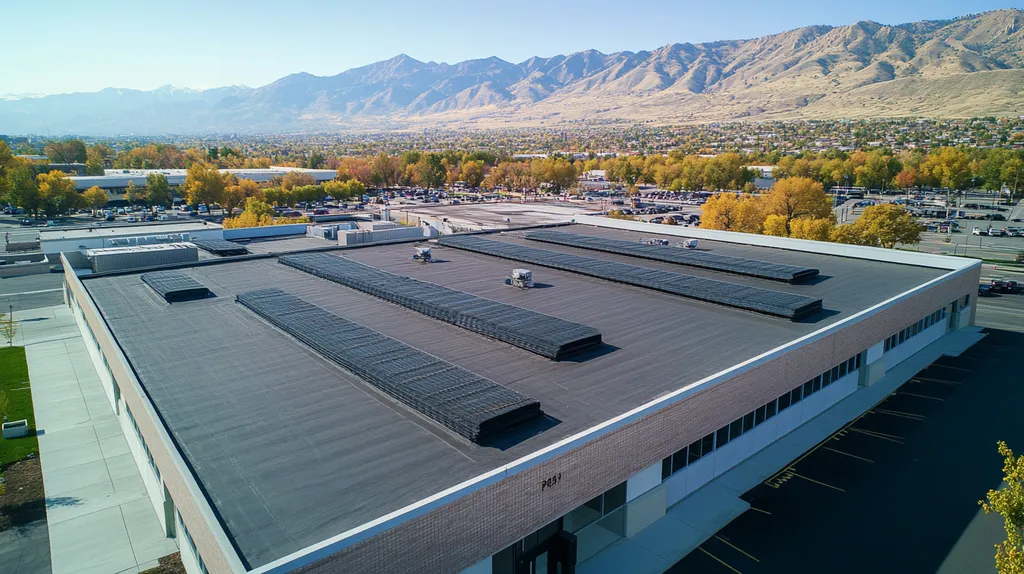
Welcome to today’s Battle Royale featuring two roofing heavyweights: “EPDM” in the east corner versus “PVC” in the west!
Tonight’s showdown pits these contenders against each other across six punishing rounds designed to test every aspect of their performance for commercial roof penetration.
At stake? Millions in potential costs, decades of building protection, and the critical performance demands of modern commercial and industrial facilities.
Our professional judging panel will evaluate each round on technical merit, real-world performance, and value delivery. After all six rounds, we’ll declare our ultimate champion.
Ladies and gentlemen, facility managers and building owners… it’s time to rumble!
ROUND 1: INITIAL COSTS & INSTALLATION
In the high-stakes world of commercial roofing, the wrong membrane choice can drain hundreds of thousands from your budget faster than a leaky drain. While property owners obsess over material costs, installation complexities and timeline delays often blindside even veteran facility managers, creating budget-busting surprises that make initial savings look like pocket change.
Material Expenses
Let’s cut through the marketing hype and get real about costs. EPDM membrane pricing typically runs 30-40% lower than PVC, making it the darling of procurement departments everywhere.
PVC membrane costs more upfront because it’s essentially the Swiss Army knife of roofing – packed with features like enhanced UV resistance and superior chemical protection. It’s like comparing a basic flip phone to a smartphone.
But here’s where it gets interesting: focusing purely on material costs is like judging a book by its cover price without checking how many times you’ll need to replace it. EPDM’s lower price point comes with trade-offs in durability and energy efficiency.
ADVANTAGE: EPDM (but it’s a shortsighted victory)
Installation Complexity
Installing EPDM is relatively straightforward – think “peel and stick” versus “precision welding.” This simplicity means more contractors can handle the job competently, keeping labor costs competitive.
PVC installation demands specialized equipment and skilled technicians who know their hot-air welders from their heat guns. It’s like comparing assembling IKEA furniture to crafting custom cabinetry.
The complexity gap becomes especially apparent around roof penetrations and corners, where PVC’s precise welding requirements can turn a simple job into a technical challenge. However, this precision often results in superior seam strength and fewer callbacks.
ADVANTAGE: EPDM
Project Timeline
Time is money, and EPDM installations move at the speed of business. A typical 10,000-square-foot installation can be knocked out in days, minimizing disruption to operations.
PVC projects demand more patience. The precise welding techniques and attention to detail around penetrations can extend timelines by 25-40% compared to EPDM installations.
Weather sensitivity adds another wild card – PVC welding requires specific temperature and humidity conditions, while EPDM’s more forgiving nature means fewer weather delays.
ADVANTAGE: EPDM
ROUND 1 WINNER: EPDM
ROUND 2: DURABILITY & LIFESPAN
When a commercial roof fails, it’s not just about patching holes – it’s about protecting millions in assets, operations, and reputation. While EPDM and PVC both claim superior durability, temperature fluctuations create a relentless stress test that separates marketing hype from real-world performance.
Around penetrations especially, these daily thermal cycles create a brutal expansion-contraction dance that can tear lesser materials apart faster than a toddler with wrapping paper. Understanding how each membrane handles this ongoing abuse is crucial for avoiding costly failures.
Temperature Resistance
EPDM thrives in temperature extremes, maintaining flexibility from -40°F to 300°F without becoming brittle or losing structural integrity. This rubber-like adaptability means fewer stress cracks around penetrations and better long-term performance under thermal cycling.
PVC handles heat well but can become problematic in extreme cold, particularly around penetrations where thermal movement is most pronounced. While modern formulations have improved, PVC’s reduced flexibility in cold weather remains a consideration for facilities in variable climates.
The superior flexibility and consistent performance of EPDM across the entire temperature spectrum makes it the clear winner for thermal stability.
ADVANTAGE: EPDM
Chemical Resistance
EPDM’s chemical resistance is generally good but can be compromised by exposure to oils, petroleum products, and some cleaning solutions. Around rooftop mechanical equipment, this vulnerability can create maintenance headaches and potential failure points.
PVC shines in chemical resistance, laughing off exposure to acids, bases, grease, and industrial pollutants. This immunity to chemical attack makes it especially valuable for facilities with extensive mechanical equipment or in industrial areas.
When it comes to defending against chemical exposure, PVC’s superior resistance gives it an undeniable edge.
ADVANTAGE: PVC
Weather Endurance
EPDM’s simple molecular structure and carbon black content create exceptional resistance to UV radiation and ozone exposure. This fundamental durability translates to fewer weather-related repairs and consistently reliable performance around penetrations.
PVC membranes rely on chemical UV stabilizers that can gradually deplete over time. While modern formulations have improved longevity, extended exposure can still lead to material degradation, particularly around stressed areas like penetrations.
For long-term weather resistance, EPDM’s natural durability proves more reliable than PVC’s engineered protection.
ADVANTAGE: EPDM
ROUND 2 WINNER: EPDM
ROUND 3: PERFORMANCE FACTORS
When temperatures swing from scorching days to freezing nights, commercial roof penetrations become ground zero for potential disaster. Every pipe, vent, and HVAC unit creates a weak point where thermal movement can tear membranes apart like tissue paper, leading to catastrophic failures that can flood entire buildings.
While both EPDM and PVC claim superior thermal performance, the real test comes when these materials face the relentless expansion-contraction cycle that turns penetration points into stress magnets. Let’s examine how these materials perform when the heat is on – and off.
Material Durability
EPDM’s rubber-like composition allows it to handle temperature extremes without breaking a sweat. Its molecular structure maintains integrity even after years of thermal cycling, though UV exposure can gradually degrade its surface.
PVC brings advanced polymer science to the fight, with a reinforced construction that resists deterioration. Its heat-welded seams create a monolithic surface that maintains strength even as temperatures fluctuate.
While both materials offer impressive durability, PVC’s superior resistance to UV damage and chemical exposure gives it better long-term performance around high-stress penetration points.
ADVANTAGE: PVC
Flexibility Under Stress
EPDM shines when it comes to flexibility, stretching and recovering like an Olympic gymnast. This natural elasticity helps it accommodate building movement and thermal expansion without tearing or splitting around penetrations.
PVC offers good flexibility in warm conditions but can become less pliable in cold weather. This reduced flexibility means more stress concentrates around penetrations during temperature swings.
For handling the daily gymnastics of thermal movement around roof penetrations, EPDM’s superior flexibility makes it the clear winner.
ADVANTAGE: EPDM
Performance Around Penetrations
EPDM relies on adhesive bonds and pressure-sensitive tapes to seal around penetrations. While these connections are initially strong, they can weaken over time as thermal cycling stresses the adhesive bonds.
PVC’s heat-welded flashing creates permanently fused connections around penetrations that become literally one piece with the membrane. This molecular-level bond maintains its strength regardless of temperature changes.
When it comes to maintaining watertight seals around critical penetration points through years of thermal stress, PVC’s welded connections provide undeniable superiority.
ADVANTAGE: PVC
ROUND 3 WINNER: PVC
ROUND 4: MAINTENANCE REQUIREMENTS
When commercial roof penetrations fail, the repair bills can spiral faster than a tornado in Kansas. Every maintenance shortcut becomes a time bomb waiting to explode, with even minor neglect around HVAC units or vent stacks creating damage that can cascade through multiple floors.
While both EPDM and PVC promise minimal maintenance, the reality hits harder than a hailstorm when temperature changes start testing those penetration seals. Let’s examine how these materials hold up when Murphy’s Law meets maintenance budgets.
Routine Inspection Requirements
EPDM’s simpler composition means fewer potential failure points to monitor. Basic visual inspections can catch most developing issues before they become catastrophic, with quarterly checks typically sufficient for most facilities.
PVC demands more sophisticated inspection protocols, particularly around penetrations where thermal stress concentrates. The membrane’s molecular structure requires trained eyes to spot early signs of material fatigue or seam deterioration.
The straightforward nature of EPDM inspections translates to lower ongoing costs and fewer specialized personnel requirements. This simplicity gives it a clear edge in routine maintenance demands.
ADVANTAGE: EPDM
Repair Complexity
EPDM repairs often involve simple peel-and-stick solutions or basic adhesive applications. Most maintenance teams can handle minor repairs in-house, reducing response times and cutting costs.
PVC repairs require hot-air welding equipment and specialized expertise. Even small fixes around penetrations demand professional intervention to maintain the membrane’s watertight integrity.
The technical complexity of PVC repairs creates higher costs and longer response times compared to EPDM’s more forgiving nature. This difference becomes particularly apparent during emergency situations.
ADVANTAGE: EPDM
Long-term Performance Requirements
EPDM’s vulnerability to UV degradation means increasing maintenance attention as the membrane ages. Surface chalking and gradual hardening can accelerate around penetrations where stress concentrates.
PVC maintains its performance characteristics longer, with less degradation of its core properties over time. While initial maintenance might be more complex, the frequency of required interventions typically decreases as the roof ages.
Despite higher initial maintenance demands, PVC’s superior long-term stability around penetrations results in fewer interventions over the membrane’s lifespan. This durability translates to lower total maintenance costs across decades of service.
ADVANTAGE: PVC
ROUND 4 WINNER: EPDM
ROUND 5: SUSTAINABILITY CREDENTIALS
While property owners debate membrane costs and performance, environmental regulations and energy codes are reshaping the commercial roofing landscape. As temperatures swing dramatically throughout the year, these shifts create brutal stress cycles that can prematurely age roofing systems, leading to early replacement and increased environmental impact.
These thermal cycles don’t just threaten individual buildings – they’re testing the entire industry’s commitment to sustainability at a time when every replacement membrane adds to our growing landfill crisis.
Recyclability and Waste Management
EPDM membranes, while exceptionally durable, face significant recycling challenges. Their complex rubber composition makes them difficult to process, often resulting in materials being diverted to landfills at end-of-life.
PVC membranes shine in recyclability, with established take-back programs and processing infrastructure. Many manufacturers now incorporate recycled content into new membranes, creating a closed-loop system that reduces waste.
The stark contrast in recyclability makes this an easy call, as PVC’s established recycling programs and infrastructure create a clear path to reducing environmental impact.
ADVANTAGE: PVC
Energy Efficiency
EPDM’s traditional black surface absorbs heat aggressively, dramatically increasing cooling loads and accelerating thermal stress on the membrane. These dramatic temperature changes can be especially stressful to roof systems, causing leaks as the roof expands and contracts.
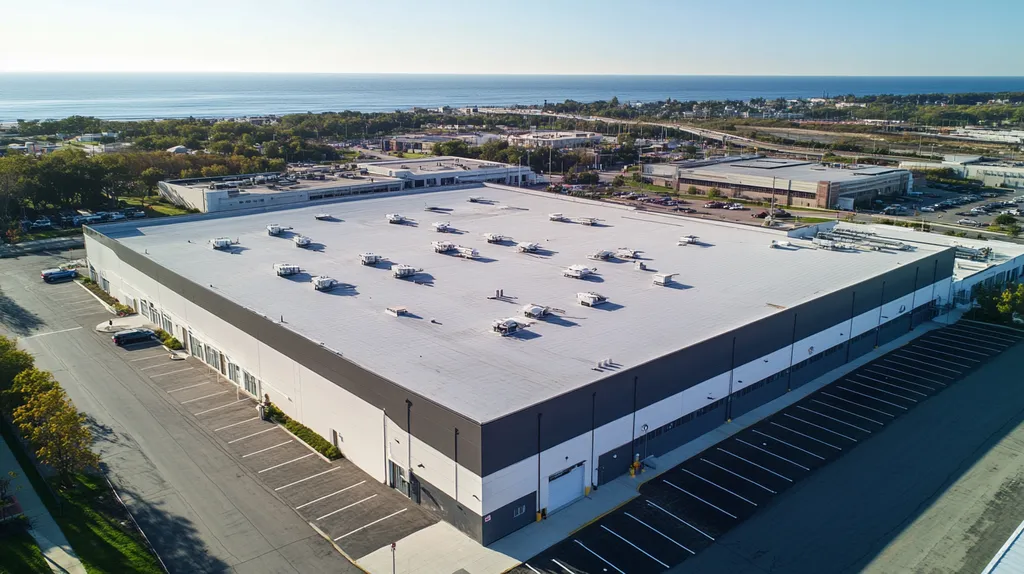
PVC membranes typically feature reflective white surfaces that can reduce peak roof temperatures by more than 40%, significantly decreasing cooling demands and thermal stress. This reduced thermal movement helps preserve penetration seals and extend roof longevity. (source: Aldo Coatings)
PVC’s superior reflectivity and reduced thermal stress make it the clear winner for energy efficiency and environmental impact.
ADVANTAGE: PVC
Longevity and Lifecycle Impact
EPDM boasts impressive durability, with many installations lasting 25-30 years when properly maintained. This extended lifespan reduces the environmental impact of manufacturing and installing replacement membranes.
PVC membranes typically offer 20-25 year lifespans, though their performance can be affected by environmental factors. However, their recyclability and reduced thermal stress often leads to more predictable aging.
While EPDM’s potential longevity is noteworthy, PVC’s combination of reasonable lifespan and superior recyclability gives it a slight edge in overall lifecycle impact.
ADVANTAGE: PVC
ROUND 5 WINNER: PVC
ROUND 6: SPECIALIZED APPLICATIONS
When temperature extremes turn roof penetrations into potential catastrophe points, choosing the wrong membrane can unleash a cascade of failures that brings operations to a grinding halt. Recent industry data shows that 40% of commercial roof failures start around penetrations, where daily thermal cycles stress materials to their breaking point.
For facility managers juggling specialized requirements like chemical exposure and maintenance access, the stakes go beyond mere leak prevention. Every penetration point becomes a potential liability where the wrong material choice can trigger system-wide failures.
Temperature Fluctuations at Roof Penetrations
When outside temperatures swing from scorching days to freezing nights, roof penetrations become stress points where expanding and contracting materials fight against rigid connections. These thermal cycles create relentless pressure that can tear membranes apart or compromise seals.
EPDM thrives in these conditions, maintaining flexibility from -40°F to 300°F without becoming brittle. This natural elasticity allows it to move with the building, preventing stress concentrations around penetrations.
PVC membranes become notably stiffer in cold temperatures, concentrating stress around penetration points. While modern formulations have improved, their reduced cold-weather flexibility remains a significant consideration for facilities in variable climates.
ADVANTAGE: EPDM
Chemical Exposure at Penetrations
Around rooftop equipment, chemical exposure from exhaust, cleaning solutions, and mechanical fluids creates an ongoing assault on membrane integrity. These exposures intensify around penetrations where materials are already under stress.
EPDM shows vulnerability to oils, greases, and some cleaning compounds. This chemical sensitivity can accelerate degradation around mechanical equipment penetrations, leading to premature failure.
PVC’s advanced polymer chemistry creates exceptional resistance to most industrial chemicals and pollutants. This immunity to chemical attack makes it particularly valuable for facilities with extensive mechanical systems or in industrial environments.
ADVANTAGE: PVC
Maintenance Access Requirements
Servicing rooftop equipment demands frequent foot traffic around penetrations, creating wear patterns that can compromise membrane integrity. Each maintenance visit risks damage from tools, equipment, and worker movement.
EPDM’s superior puncture resistance and forgiving nature make it ideal for high-traffic areas. Its ability to handle abuse without tearing or splitting reduces maintenance-related damage risks.
PVC offers good durability but can be more susceptible to mechanical damage from dropped tools or sharp objects. While walk pads help, the membrane’s reduced flexibility makes it more prone to stress-related damage in high-traffic zones.
ADVANTAGE: EPDM
ROUND 6 WINNER: EPDM
AND THE WINNER IS…
After six punishing rounds of technical warfare, we have a split decision, ladies and gentlemen! With three rounds each, EPDM and PVC have fought to a dramatic draw in this championship bout!
EPDM dominated the early rounds with superior flexibility, lower initial costs, and simplified maintenance requirements. Its natural elasticity and temperature resistance make it the undisputed champion for buildings in extreme climates where thermal cycling puts maximum stress on penetration points.
PVC counterpunched with outstanding chemical resistance, superior energy efficiency, and better long-term performance around penetrations. Its recyclability and reduced thermal stress make it the clear choice for facilities with extensive mechanical equipment or strict sustainability requirements.
But let’s be clear, building owners: Local climate conditions, facility operations, and specific property requirements can dramatically shift these results. A roofing system that delivers a knockout performance in Phoenix might hit the canvas in Minneapolis.
Professional consultation is essential. Every building faces unique challenges that can impact membrane selection. Qualified roofing professionals should evaluate your specific situation before making final recommendations.
Remember, in the high-stakes world of commercial roofing, there’s no such thing as a one-size-fits-all champion. The real victory comes from matching your building’s specific requirements to the right contender’s strengths. Choose wisely – millions in potential damage hang in the balance!
FREQUENTLY ASKED QUESTIONS
Q. What are the initial costs when choosing a commercial roof membrane?
A. Initial costs vary significantly. EPDM is typically cheaper, but its lower price comes with trade-offs in durability. PVC costs more upfront due to its versatile features but may offer better long-term value if the installation is done right.
Q. How does temperature affect the durability of an industrial roof?
A. Temperature fluctuations can cause materials to expand and contract stressfully. EPDM is more resilient to temperature changes, while PVC can suffer rigidity in cold weather. This difference in handling thermal stress is crucial for maintaining integrity around penetrations.
Q. Which roofing membrane performs better under stress at roof penetrations?
A. EPDM handles thermal expansion and contraction gracefully, while PVC’s heat-welded seams offer excellent watertight seals. However, both have unique vulnerabilities that can lead to stress points around penetrations, so the best option depends on specific conditions.
Q. What are the maintenance requirements for commercial roof materials?
A. EPDM generally requires less maintenance due to fewer failure points, making routine inspections easier. PVC needs more detailed inspections and complicated repairs, increasing overall maintenance time and costs, especially around vulnerable penetrations.
Q. Which membrane is better for environmental sustainability?
A. PVC membranes typically lead in sustainability with better recyclability and reduced waste. EPDM, while durable, faces significant recycling challenges, often ending up in landfills, making its overall environmental impact heavier regardless of its lifespan.
Q. How do temperature changes impact long-term performance of industrial roofs?
A. Extreme temperature shifts can lead to cracks, tears, and seal failures. EPDM’s flexibility helps maintain performance over time, while PVC can suffer from brittleness in cold conditions, creating vulnerabilities at critical penetration points.
Q. Which is better for high-foot-traffic areas on a commercial roof?
A. EPDM stands out in high-traffic settings due to its excellent puncture resistance and durability. PVC, while durable, is more vulnerable to damage from tools and foot traffic, making it less ideal for areas requiring frequent access.






