

Welcome to today’s Battle Royale featuring two roofing heavyweights: “TPO” in the east corner versus “EPDM” in the west!
Tonight’s showdown pits these contenders against each other across six punishing rounds designed to test every aspect of their performance for Code Compliance Checks for Commercial Roofs.
At stake? Millions in potential costs, decades of building protection, and the critical performance demands of modern commercial and industrial facilities.
Our professional judging panel will evaluate each round on technical merit, real-world performance, and value delivery. After all six rounds, we’ll declare our ultimate champion.
Ladies and gentlemen, facility managers and building owners… it’s time to rumble!
ROUND 1: INITIAL COSTS & INSTALLATION
Commercial roofing decisions carry significant financial implications, with installation choices affecting both immediate costs and long-term code compliance. Understanding local building codes and regulations is essential when selecting between TPO and EPDM systems for commercial properties.
Property owners must evaluate material costs, installation requirements, and project timelines while ensuring their choice meets stringent building envelope requirements and wind uplift resistance standards. (source: Preferred Roofing Services)
Material Expenses
TPO membrane costs typically range from $3.50 to $7.00 per square foot, with thickness options from 45 to 80 mil. Premium grades featuring enhanced UV protection and heat resistance command higher prices within this range.
EPDM materials generally cost between $4.00 to $8.50 per square foot, depending on membrane thickness and reinforcement options. The proven durability of EPDM often justifies its higher initial investment.
Both materials require additional expense for proper insulation and cover boards to meet energy code requirements. However, TPO’s lower average cost point provides more flexibility in meeting budget constraints.
For material expenses, TPO gains the ADVANTAGE due to its lower initial cost while maintaining code compliance standards.
Installation Complexity
TPO installation demands specialized heat-welding equipment and certified technicians. The precision required for proper seam welding increases labor costs and extends installation time, particularly in challenging weather conditions.
EPDM offers multiple installation methods, including fully adhered, mechanically attached, or ballasted systems. This flexibility allows contractors to choose the most appropriate method based on building requirements and local codes.
Weather limitations affect both systems differently. TPO requires dry conditions for heat welding, while EPDM adhesive applications have broader temperature tolerance.
EPDM claims the ADVANTAGE in installation complexity due to its versatile application methods and wider installation window.
Project Timeline
TPO installations typically require 25-35% more time compared to EPDM due to precise seam welding requirements. This extended timeline can impact building operations and increase labor costs.
EPDM installations progress more rapidly, especially with larger sheets that reduce the number of seams. The straightforward application methods allow crews to cover more area per day.
Weather delays affect TPO projects more significantly due to specific temperature requirements for heat welding. EPDM’s broader application window helps maintain project schedules.
In project timeline considerations, EPDM earns the ADVANTAGE through faster installation and fewer weather-related delays.
ROUND 1 WINNER: EPDM
ROUND 2: DURABILITY & LIFESPAN
Commercial roofing durability directly impacts building protection, energy efficiency, and long-term maintenance costs. Property owners face potential structural damage and business interruption when roofing systems fail prematurely. A robust commercial roof must withstand severe weather, UV exposure, and thermal cycling while maintaining its protective qualities.
Evaluating TPO and EPDM systems requires careful consideration of material composition, performance history, and local environmental conditions. Understanding these factors helps ensure code-compliant installations that maximize service life.
Material Composition
TPO membranes combine polypropylene and ethylene-propylene rubber, creating a thermoplastic material that resists UV damage and chemical exposure. These membranes typically range from 45 to 80 mil thickness, with thicker options providing enhanced puncture resistance.
EPDM’s synthetic rubber composition offers superior flexibility and proven resistance to extreme temperatures. The material maintains its physical properties even after decades of UV exposure, making it particularly suitable for harsh environments.
All roofing materials must meet strict building code requirements for fire resistance, wind uplift, and structural loading. (source: Hawaii.gov)
For material composition, EPDM claims the ADVANTAGE due to its time-tested formulation and consistent performance.
Weather Resistance
TPO systems excel in reflecting solar radiation, reducing thermal stress on the membrane. Their heat-welded seams create strong bonds that resist water infiltration when properly installed.
EPDM demonstrates exceptional resistance to ozone, UV radiation, and extreme temperature fluctuations. Its elasticity allows the material to expand and contract without compromising seam integrity.
Both materials handle typical weather conditions effectively, but EPDM shows superior resilience during severe storms and prolonged exposure.
Weather resistance results in an ADVANTAGE for EPDM due to its superior long-term performance in extreme conditions.
Maintenance Requirements
TPO roofs require regular inspection of seams and flashings to maintain their protective qualities. Surface cleaning helps preserve reflectivity and energy efficiency benefits.
EPDM systems need minimal maintenance beyond routine inspections and debris removal. Their simple composition reduces potential failure points and simplifies repairs when needed.
Both materials benefit from scheduled maintenance programs, but EPDM’s straightforward care requirements and repair procedures give it a clear edge.
For maintenance considerations, EPDM gains the ADVANTAGE through lower upkeep demands and simpler repair protocols.
ROUND 2 WINNER: EPDM
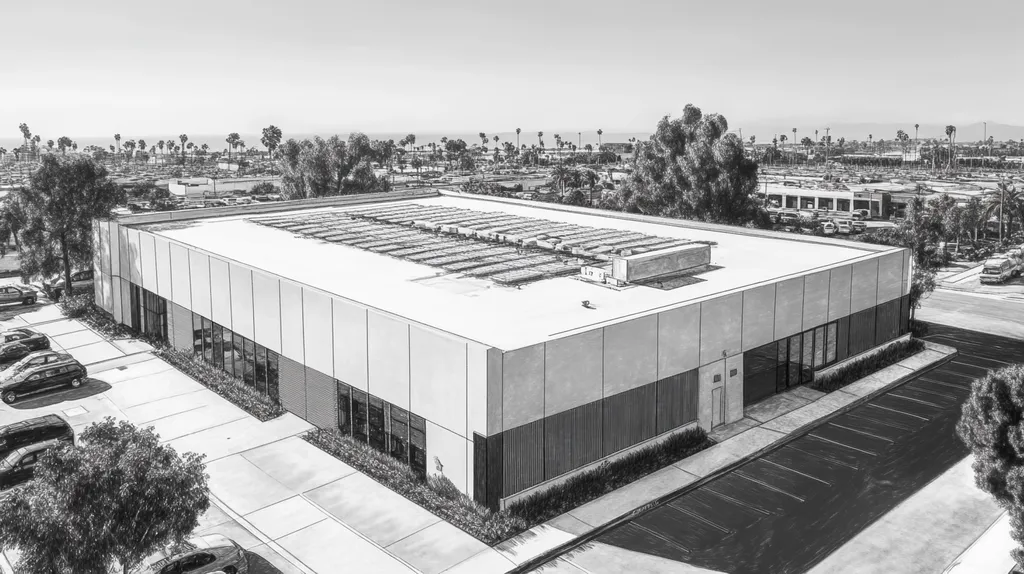
ROUND 3: PERFORMANCE FACTORS
Performance factors in commercial roofing directly impact building protection, operational costs, and code compliance. Proper material selection affects everything from energy efficiency to structural integrity, with mistakes potentially leading to costly corrections or complete replacement.
Building owners must evaluate how different roofing systems perform across multiple criteria while ensuring continued compliance with evolving building codes and energy requirements. Understanding these performance factors helps prevent expensive retrofits and maintenance issues.
Energy Efficiency
TPO membranes excel in reflecting solar radiation, with white surfaces reflecting up to 85% of sunlight. This reflective property helps buildings maintain consistent interior temperatures and reduce cooling costs during warm weather.
Standard black EPDM absorbs more heat, potentially increasing cooling loads and energy consumption. While white EPDM options exist, they typically cost more and may not maintain reflectivity as effectively as TPO over time.
TPO’s superior reflective properties and sustained energy performance make it particularly effective in meeting current energy codes. Many jurisdictions now require specific solar reflectance values for commercial roofing systems.
For energy efficiency considerations, TPO claims the ADVANTAGE through superior reflectivity and reduced cooling demands.
Weather Resistance
TPO membranes demonstrate excellent resistance to UV radiation and temperature fluctuations. Their heat-welded seams create strong, waterproof bonds that maintain integrity during severe weather events.
EPDM shows remarkable flexibility in extreme temperatures and provides consistent performance in varying weather conditions. Its synthetic rubber composition allows it to expand and contract without compromising structural integrity.
Both materials meet stringent weather resistance requirements for commercial applications. However, TPO’s enhanced UV protection and stronger seam construction provide superior long-term performance.
In weather resistance evaluation, TPO earns the ADVANTAGE through better seam strength and UV protection.
Maintenance Requirements
TPO systems typically require minimal maintenance beyond regular inspections and basic cleaning. Their heat-welded seams reduce the likelihood of water infiltration and subsequent repairs.
EPDM roofs need more frequent inspection of seams and flashings to maintain waterproof integrity. Their adhered seams may require more attention over time, particularly in areas with significant temperature variations.
Regular maintenance affects both long-term performance and code compliance. TPO’s reduced maintenance needs help ensure consistent performance and compliance with minimal intervention.
For maintenance considerations, TPO gains the ADVANTAGE through lower maintenance requirements and more reliable seam performance.
ROUND 3 WINNER: TPO
ROUND 4: MAINTENANCE REQUIREMENTS
Proper maintenance of commercial roofing systems directly impacts building safety, operational costs, and code compliance. Neglected maintenance protocols can lead to premature system failure, compromised structural integrity, and substantial financial penalties for code violations.
Understanding local building codes is essential for maintaining both TPO and EPDM systems, as these regulations establish minimum standards for safety and performance. (source: Preferred Roofing Services)
Inspection Requirements
TPO roofing systems require bi-annual professional inspections focusing on seam integrity and membrane surface condition. These inspections must verify continued compliance with fire resistance ratings and structural loading requirements.
EPDM systems typically need quarterly inspections due to their greater susceptibility to mechanical damage and UV exposure. Special attention must be given to seam adhesion and flash point integrity.
TPO’s reduced inspection frequency and simplified verification protocols earn it the ADVANTAGE in this category.
Repair Protocols
TPO repairs utilize heat-welding technology to create permanent, waterproof seals that meet original installation specifications. This process ensures consistent performance and maintains code compliance throughout the system’s lifespan.
EPDM repairs often require chemical adhesives and careful surface preparation to achieve proper bonding. Environmental conditions can significantly impact repair effectiveness and compliance verification.
The reliable and consistent nature of TPO repairs gives it the ADVANTAGE for maintenance protocols.
Long-term Performance
TPO systems maintain their physical properties and reflective qualities with minimal intervention. Regular cleaning and basic maintenance typically suffice to ensure continued code compliance.
EPDM requires more frequent attention to preserve its protective qualities, particularly in areas with extreme temperature fluctuations. Additional maintenance steps may be necessary to maintain required performance standards.
TPO claims the ADVANTAGE through superior long-term performance with reduced maintenance demands.
ROUND 4 WINNER: TPO

ROUND 5: SUSTAINABILITY CREDENTIALS
Environmental regulations and building codes increasingly emphasize sustainable roofing practices, making compliance a critical factor in material selection. Property owners face mounting pressure to demonstrate environmental responsibility while maintaining structural integrity and operational efficiency.
Understanding sustainability requirements has become essential for code compliance, with jurisdictions implementing strict standards for recycled content, energy efficiency, and waste reduction. Property owners must evaluate both immediate performance and long-term environmental impact when selecting roofing systems.
Environmental Impact
TPO membranes incorporate recycled materials and can be fully recycled at end-of-life, supporting circular economy initiatives. Their manufacturing process requires less energy compared to traditional roofing materials, reducing overall carbon footprint.
EPDM production involves energy-intensive processes and petroleum-based materials. While some EPDM can be recycled, the process is more complex and less widely available than TPO recycling.
Understanding local building codes is essential when evaluating roofing materials, as many jurisdictions now mandate specific environmental standards for commercial installations. (source: Preferred Roofing Services)
For environmental considerations, TPO claims the ADVANTAGE through superior recyclability and lower production impact.
Energy Performance
TPO’s highly reflective surface significantly reduces cooling loads, helping buildings meet increasingly stringent energy codes. The material maintains its reflective properties throughout its service life with minimal maintenance.
Standard black EPDM absorbs more solar radiation, potentially increasing cooling costs and energy consumption. While white EPDM options exist, they typically cost more and may not maintain reflectivity as effectively as TPO.
Energy code compliance often requires specific solar reflectance values, making TPO’s superior reflective properties particularly valuable.
In energy performance evaluation, TPO earns the ADVANTAGE through better reflectivity and sustained efficiency.
Life Cycle Assessment
TPO systems typically last 20-30 years when properly maintained, reducing replacement frequency and associated waste. Their durability and resistance to environmental degradation support long-term sustainability goals.
EPDM roofs generally provide 15-25 years of service, requiring more frequent replacement. This shorter lifespan increases material consumption and installation-related environmental impacts.
Both materials require regular maintenance to maintain performance and comply with building codes, but TPO’s longer service life reduces overall resource consumption.
For life cycle considerations, TPO gains the ADVANTAGE through extended service life and reduced replacement needs.
ROUND 5 WINNER: TPO
ROUND 6: SPECIALIZED APPLICATIONS
Specialized commercial roofing applications present unique challenges that demand careful material selection to ensure code compliance and building protection. Making the wrong choice for these applications can lead to premature system failure, compromised safety standards, and substantial financial losses.
Building owners must evaluate how different roofing materials perform under specific conditions like extreme temperatures, chemical exposure, and high-impact environments. Understanding these specialized requirements helps prevent costly retrofits and maintenance issues.
Thermal Performance
Commercial roofs face extreme temperature variations that can compromise structural integrity and energy efficiency. Understanding thermal performance is crucial for maintaining code compliance and protecting building operations.
TPO membranes excel in high-temperature environments, with reflective surfaces that reduce heat absorption and thermal stress. Their heat-welded seams maintain integrity during thermal cycling, ensuring consistent performance in varying conditions.
EPDM demonstrates superior flexibility in extreme cold, with synthetic rubber composition that resists cracking and maintains elasticity. However, its dark surface typically absorbs more heat, potentially increasing cooling demands and energy costs.
For thermal performance, TPO claims the ADVANTAGE through better heat management and consistent seam integrity.
Chemical Resistance
Industrial environments often expose roofing systems to harsh chemicals, making chemical resistance essential for maintaining structural integrity and safety standards. Material selection significantly impacts long-term performance in these conditions.
TPO membranes offer moderate chemical resistance but may degrade when exposed to certain industrial solvents or petroleum-based products. This limitation requires careful evaluation of potential exposure risks.
EPDM provides superior resistance to a broad spectrum of chemicals, including acids, bases, and industrial pollutants. Its inert composition maintains integrity even under prolonged chemical exposure.
Chemical resistance considerations give EPDM the clear ADVANTAGE for industrial applications.
Impact Resistance
High-traffic areas and regions prone to severe weather require roofing systems that can withstand repeated physical impacts. Impact resistance directly affects maintenance requirements and system longevity.
TPO systems offer good puncture resistance when properly supported but may require additional reinforcement in high-risk areas. Their thermoplastic nature can make them more susceptible to impact damage in cold conditions.
EPDM’s rubber composition provides natural impact absorption and maintains flexibility across temperature ranges. This resilience reduces the risk of punctures and tears from mechanical stress.
In impact resistance evaluation, EPDM earns the ADVANTAGE through superior durability and consistent performance.
ROUND 6 WINNER: EPDM
AND THE WINNER IS…
After six grueling rounds of technical analysis in this championship bout, we have a split decision! With three rounds each, TPO and EPDM have battled to a draw in this spectacular showcase of commercial roofing excellence!
TPO dominated the middle rounds, showcasing superior performance in energy efficiency, simplified maintenance requirements, and impressive sustainability credentials. Its reflective properties and recyclability make it the undisputed champion for sun-drenched locations and environmentally conscious projects.
EPDM proved unbeatable in durability, installation flexibility, and specialized applications, particularly in extreme environments. Its chemical resistance and cold-weather performance remain legendary in the industry.
But wait! Before you rush to crown either contender as your building’s champion, remember that every facility brings its own unique challenges to the ring. Local climate conditions, building codes, and specific property requirements can dramatically impact material performance.
This analysis provides general guidance based on industry standards, but your building’s specific needs deserve individual evaluation by qualified roofing professionals who understand local conditions and regulations.
Ladies and gentlemen, in the high-stakes arena of commercial roofing, victory goes not to the strongest contender, but to the smartest match between building requirements and material capabilities. Choose wisely, and may your roof reign supreme!
FREQUENTLY ASKED QUESTIONS
Q. What are the initial costs for a commercial roof installation?
A. The initial costs for commercial roof installation vary based on material choice and local regulations. TPO generally ranges from $3.50 to $7.00 per square foot, while EPDM’s cost lies between $4.00 to $8.50 per square foot. It’s crucial to also factor in installation complexity, project timelines, and local building codes to ensure compliance.
Q. How do TPO and EPDM roofing systems compare in durability?
A. Durability in commercial roofing is vital for protecting building assets and minimizing long-term costs. EPDM offers superior flexibility and resistance to extreme temperatures, while TPO membranes excel in UV resistance. EPDM typically outlasts TPO in direct exposure to harsh environmental conditions, making it a renowned choice for resilience.
Q. What performance factors should I consider for my commercial roof?
A. Performance factors like energy efficiency, weather resistance, and maintenance requirements are critical for a commercial roof. TPO has superior reflectivity, therefore reducing cooling costs, while EPDM shows strong performance in thermal cycling. Evaluating these factors helps ensure compliance with building codes and long-term operational efficiency.
Q. What are the maintenance requirements for TPO and EPDM roofs?
A. Maintenance for TPO roofs typically includes bi-annual professional inspections focusing on seams and membrane condition. EPDM roofs require more frequent quarterly inspections to check for seam integrity and adhesion issues. Understanding these maintenance needs ensures both longevity and code compliance for commercial roofing systems.
Q. How do TPO and EPDM roofing systems perform in terms of sustainability?
A. Sustainability is increasingly essential in roofing material selection. TPO membranes are often made from recycled materials and are fully recyclable. Conversely, EPDM, while some options can be recycled, generally involves more energy-intensive production and has a higher carbon footprint. This impacts compliance with sustainability regulations.
Q. Which roofing material is better for specialized applications?
A. For specialized applications, such as those with extreme temperatures or chemical exposure, material performance is crucial. EPDM offers superior chemical resistance, making it suitable for industrial environments. TPO performs better in high-temperature scenarios due to its reflective properties. Evaluating specific application needs aids in selecting the right system.
Q. How do local building codes affect commercial roofing decisions?
A. Local building codes significantly influence commercial roofing decisions by establishing minimum safety and performance standards. Compliance with these regulations is vital during material selection, installation, and maintenance. Failing to adhere can lead to delayed inspections, costly retrofits, or permit rejections, impacting both project timeline and budget.






