
Every year, structural failures cost industrial facility owners millions in emergency repairs, business shutdowns, and safety incidents that could have been prevented with proper planning.
Most catastrophic roof collapses begin with overlooked structural factors—inadequate load calculations, poor connection details, or incompatible material choices that seemed minor during initial installation.
Understanding the critical structural elements that determine roof longevity isn’t just about avoiding disasters—it’s about maximizing building performance, controlling energy costs, and protecting your long-term investment.
This guide breaks down complex structural concepts into actionable insights that facility managers need to make informed decisions about load requirements, material selection, and system integration.
SECTION 1: THE BASICS EXPLAINED
Every year, industrial roof failures cost facility owners millions in emergency repairs, business interruptions, and safety incidents. Most of these failures trace back to overlooked structural factors that seemed minor until they triggered catastrophic problems.
Understanding industrial roof structural factors isn’t just about avoiding disasters—it’s about maximizing your building’s performance, efficiency, and value. The right structural foundation can extend roof life by decades while reducing maintenance costs and energy consumption.
What It Is (In Plain Language)
Industrial roof structural factors encompass every physical component that supports your roof system and keeps it stable. Think of it as your building’s backbone—steel beams, trusses, decking, insulation, and all the connections that hold these elements together.
The primary framework typically consists of steel beams or trusses that span across your building’s walls. Above this framework sits roof decking—usually metal panels or concrete—that creates the solid surface where your roofing membrane gets installed.
Insulation layers add both thermal performance and structural considerations since they affect load distribution. All these components must work together as an integrated system, not isolated parts.
Dead load represents the self-weight of all structural and non-structural elements on the roof, calculated by density and thickness of each element. This includes everything from decking and insulation to roofing materials permanently attached to your building.
When structural factors align properly, your roof handles stress efficiently and lasts longer. When they don’t, even premium roofing materials fail prematurely under normal conditions.
Why It Matters (To Your Building)
Structural integrity directly determines whether your roof protects or threatens your operation. Inadequate structural support leads to membrane tears, ponding water, and eventual collapse under snow loads or equipment weight.
Beyond safety concerns, structural factors control your energy costs through insulation performance and thermal bridging. Poor structural design creates cold spots and air leaks that force HVAC systems to work harder year-round.
Your building’s insurance rates and resale value depend heavily on structural condition. Insurers increasingly inspect roof structures before writing policies, and buyers scrutinize structural reports during due diligence.
Code compliance requires meeting specific structural standards for your region’s wind, snow, and seismic conditions. Seismic load applies lateral forces but varies by region, making local engineering expertise essential for proper design (source: Structural Basics).
Maintenance costs multiply when structural problems develop. What starts as minor deflection can progress to membrane damage, water intrusion, and interior repairs that dwarf the original structural investment.
How It Works
Industrial roof structures function by channeling all loads—both permanent and temporary—safely down through your building’s framework to the foundation. Live loads like maintenance crews, snow accumulation, and rooftop equipment create variable stresses that change throughout the year.
The structural system distributes these forces across multiple load paths to prevent any single component from becoming overloaded. Beams transfer loads to columns, while decking spreads concentrated loads across multiple beams.
Connection details between structural elements handle the constant movement caused by thermal expansion, wind pressure, and building settlement. Bolted connections allow controlled movement, while welded joints provide rigid strength where needed.
Expansion joints create intentional flexibility points that prevent thermal stress from cracking rigid materials. The entire system balances strength with flexibility to accommodate environmental changes without structural damage.
Modern industrial roofs also integrate moisture barriers and vapor controls within the structural assembly. This coordination between structural and environmental systems prevents condensation problems that weaken structural components over time.
SECTION 2: PRACTICAL APPLICATIONS
Industrial roofs face constant bombardment from multiple forces simultaneously—dead loads from permanent equipment, live loads from maintenance crews, and unpredictable wind uplift forces that can literally tear roofing systems apart. These competing pressures create a complex engineering challenge that many facility managers underestimate until failure strikes.
Understanding how structural factors apply in real-world scenarios helps facility managers make informed decisions about equipment placement, maintenance scheduling, and system upgrades. Each application scenario presents unique structural demands that require specific solutions.
Common Uses & Examples
Manufacturing facilities routinely install heavy HVAC units, exhaust systems, and production equipment on rooftops to maximize floor space below. These installations create concentrated loads that can exceed original design parameters if not properly engineered and distributed.
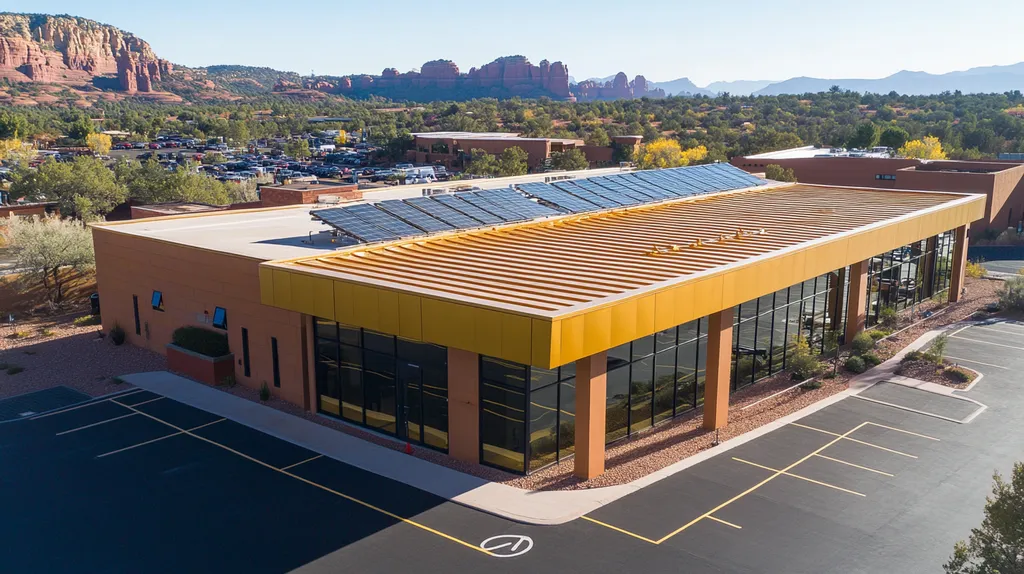
Solar panel installations represent one of the fastest-growing rooftop applications, adding both dead load from the panels themselves and increased wind uplift forces. The mounting systems must transfer these loads through the roof structure without creating penetration points that compromise waterproofing.
Warehouses and distribution centers often support conveyor systems, material handling equipment, and communication arrays that create both vertical loads and lateral forces during operation. Cold storage facilities face additional challenges from ice accumulation and thermal cycling that stress structural connections.
Data centers and pharmaceutical facilities require specialized rooftop equipment with precise vibration isolation, demanding structural systems that provide both strength and controlled flexibility. Emergency generator installations create particularly challenging scenarios due to their massive weight and vibration loads during operation.
When You Need It Most
Structural assessment becomes critical whenever rooftop loads change—whether from new equipment installation, solar retrofits, or increased maintenance activity. Roofs constantly endure both upward and downward pressure, with dead loads including roof structure weight and permanently attached materials, while live loads account for personnel and temporary equipment.
Seasonal weather extremes test structural adequacy most severely, particularly during heavy snow events or severe storms with high wind uplift forces. Buildings in hurricane zones face wind uplift loads that can exceed the downward dead load, requiring enhanced attachment systems and reinforcement.
Aging buildings require structural evaluation when original load calculations no longer reflect current usage patterns or code requirements. Material degradation, connection loosening, and settlement can gradually reduce structural capacity below safe operating levels.
Emergency situations following severe weather or equipment failures demand immediate structural assessment to determine safe occupancy and repair priorities. These assessments often reveal underlying structural deficiencies that contributed to the failure (source: Tata BlueScope Steel).
Interactions With Other Systems
Drainage systems depend entirely on structural framing to create proper slopes and support drain assemblies under full water load conditions. Inadequate structural support leads to ponding water that increases dead loads beyond design limits and accelerates membrane deterioration.
Insulation systems add significant dead load while affecting thermal movement patterns throughout the roof structure. Thicker insulation packages require enhanced fastening systems and may necessitate structural reinforcement to handle increased wind uplift forces.
Mechanical and electrical penetrations create structural discontinuities that must be properly framed and reinforced to maintain load transfer paths. Poor coordination between trades often results in field-cut openings that compromise structural integrity and create maintenance problems.
Fire suppression systems require structural support for piping, sprinkler heads, and water storage tanks while maintaining proper clearances for effective operation. Seismic zones add complexity by requiring flexible connections that accommodate building movement without breaking system components.
SECTION 3: KEY TERMINOLOGY DECODED
Facility managers lose thousands of dollars annually because they misunderstand roofing terminology during critical conversations with contractors and engineers. A single misinterpreted load rating or measurement unit can lead to undersized structural systems that fail under normal operating conditions.
Clear communication requires mastering the specific language that roofing professionals use to describe structural requirements, material properties, and performance standards. When facility managers speak the same technical language as their vendors, projects stay on budget and meet performance expectations.
Essential Terms Explained
Dead load encompasses the permanent weight of all roofing materials, structural components, and permanently attached equipment that your roof supports continuously. This includes roofing membranes, insulation, decking, HVAC units, and solar installations that never leave the roof. Accurate dead load calculations form the foundation of all structural design decisions.
Live load accounts for temporary forces like maintenance personnel, snow accumulation, and moveable equipment that create variable stresses throughout the year. Standard live load allowances include approximately 165 pounds per square meter for personnel access, but actual requirements vary by building use and local codes.
Wind uplift load creates upward forces when wind hits building walls and disperses over the roof surface, potentially lifting roofing materials or entire roof assemblies. These forces often exceed downward loads during severe weather, requiring enhanced attachment systems and ballast to maintain structural integrity.
Thermal movement describes the expansion and contraction of roofing materials as temperatures fluctuate between day and night or across seasons. Failing to accommodate thermal movement through proper joint design and flexible connections leads to membrane tears, fastener failure, and premature system deterioration.
Understanding these fundamental terms prevents costly miscommunication when specifying structural requirements or evaluating contractor proposals (source: Tata BlueScope Steel).
Industry Jargon Translated
Purlins are horizontal structural beams that span between primary roof trusses to support roof decking and distribute loads across the structural frame. When purlins fail or deflect excessively, the entire roof membrane system can tear or develop leaks at seam locations. Proper purlin spacing and sizing directly affect both structural performance and installation costs.
R-value measures insulation’s resistance to heat flow, with higher numbers indicating better thermal performance but also increased material costs and structural loads. Each inch of additional insulation adds dead load while reducing energy costs, creating a balance between structural capacity and operational efficiency.
Flashing consists of metal or membrane materials that seal joints, penetrations, and transitions in the roof system to prevent water intrusion. Poor flashing design or installation accounts for over 70% of roof leaks, making this seemingly simple component critical to long-term roof performance.
Ballast refers to gravel, pavers, or other heavy materials placed over certain membrane types to resist wind uplift forces and protect the underlying roof system. Ballasted systems require enhanced structural capacity to support the additional weight but often provide superior wind resistance and membrane protection.
Speaking this technical language fluently enables facility managers to evaluate proposals critically and ensure specifications match their building’s actual requirements.
Measurement & Units Simplified
Roofing square equals 100 square feet of roof area and serves as the standard unit for estimating material quantities and labor costs. Contractors price most roofing work per square, making this conversion essential for budget planning and bid comparison. Large industrial roofs often encompass hundreds of squares, amplifying the importance of accurate measurements.
Load capacity ratings expressed in pounds per square foot (psf) indicate the maximum safe weight that roof structures can support without failure. Typical industrial roofs handle 20-40 psf of live load, but equipment installations can create concentrated loads exceeding 100 psf that require structural reinforcement.
Membrane thickness measured in mils (thousandths of an inch) directly affects durability, puncture resistance, and installation costs. A 60-mil membrane costs significantly more than 45-mil alternatives but provides enhanced longevity in high-traffic applications or severe weather environments.
Slope measurements expressed as inches per foot or degrees determine drainage effectiveness and acceptable roofing materials. Minimum slopes of 1/4 inch per foot prevent ponding water, while steeper slopes may require enhanced attachment systems to resist sliding forces.
Insisting on consistent measurement units throughout all project documentation prevents costly errors during material ordering, structural calculations, and performance evaluations.
SECTION 4: DECISION FACTORS
Every year, facility managers make roofing decisions worth millions of dollars based on incomplete information, leading to premature failures and budget overruns that could have been prevented. A recent study found that 60% of industrial roof replacements occur before reaching half their expected lifespan due to poor initial decision-making.
Smart roofing decisions require balancing upfront investments against long-term performance, understanding how different materials respond to your specific operating environment. The lowest bid often becomes the most expensive choice when hidden costs emerge through increased maintenance, energy waste, and early replacement needs.
Cost Considerations
Initial material and installation costs represent only 20-30% of a roof’s total lifetime expense, yet many facility managers make decisions based solely on these upfront figures. This narrow focus ignores maintenance costs, energy impacts, and business disruption expenses that accumulate over decades of operation.
Premium roofing systems often deliver superior value through reduced maintenance requirements and enhanced energy efficiency. A high-performance single-ply membrane might cost 40% more initially than standard alternatives but eliminate annual repairs and reduce cooling costs by 15-20% annually.
Labor costs vary dramatically based on system complexity and local contractor availability, sometimes doubling total project expenses in specialized applications. Metal roofing sheets offer excellent strength-to-weight ratios but require skilled installers, while built-up systems use readily available crews but demand more intensive maintenance.
Hidden costs emerge when structural modifications become necessary to support heavier systems or accommodate new equipment loads. Reinforcing existing structures can add $3-5 per square foot to project budgets, making lightweight alternatives more attractive despite higher material costs.
Warranty coverage differences significantly impact long-term financial exposure, with material warranties ranging from 10 to 30 years and labor coverage varying from 2 to 20 years. Understanding warranty exclusions and maintenance requirements prevents costly surprises when coverage disputes arise during actual failures.
Performance Trade-offs
Every roofing material excels in certain conditions while struggling in others, creating performance trade-offs that directly affect operational costs and building longevity. Wind uplift resistance varies dramatically between systems, with mechanically-attached membranes offering superior performance compared to adhesive-applied alternatives in hurricane zones.
Thermal performance differences impact both energy consumption and structural stress, as dark-colored systems absorb heat while reflective materials reduce cooling loads but may increase heating costs. Cool roofing systems can reduce surface temperatures by 50-70°F during peak summer conditions, substantially lowering air conditioning demands in warm climates.
Puncture resistance becomes critical in high-traffic environments or areas with frequent maintenance activity, where thin membranes fail repeatedly while thicker alternatives or protected membrane systems provide superior durability. Chemical resistance varies widely, with TPO membranes excelling against oils and fats while EPDM systems resist ozone and weathering more effectively.
Drainage compatibility affects both installation complexity and long-term performance, as some systems require specific slope requirements or struggle with ponding water conditions. Modified bitumen systems handle standing water better than single-ply alternatives but create higher dead loads that stress structural components (source: Tata BlueScope Steel).
Lifespan & Durability Factors
Material longevity varies from 10 years for basic built-up systems to 50+ years for premium metal roofing, directly affecting replacement frequency and lifecycle costs. Understanding realistic service life expectations prevents budget surprises and enables proper capital planning for major building systems.
Environmental exposure accelerates aging through UV radiation, thermal cycling, and chemical attack that breaks down roofing materials at different rates. Coastal facilities face salt spray corrosion that destroys metal components, while industrial plants deal with chemical vapors that degrade membrane materials through constant exposure.
Installation quality dramatically impacts actual service life regardless of material selection, with poor workmanship reducing even premium systems to half their expected lifespan. Field seaming quality, fastener installation, and flashing details determine whether systems reach design life or fail prematurely under normal operating conditions.
Maintenance accessibility affects both routine upkeep costs and emergency repair response times, making walkable systems valuable despite higher initial investment. Systems requiring specialized equipment or contractor expertise for basic maintenance create ongoing operational challenges and higher service costs.
Proven track records in similar applications provide the most reliable durability predictions, as laboratory testing cannot replicate the complex stress combinations that industrial roofs face daily. Selecting materials with documented performance histories in comparable environments reduces uncertainty and supports confident long-term planning.
SECTION 5: COMMON CHALLENGES
Industrial roof failures cost facility managers an average of $400,000 per incident when catastrophic structural collapse occurs, yet most of these disasters begin with minor problems that go undetected for months. A failed membrane seam or loose fastener creates a cascade effect that progressively weakens structural elements until the entire system fails under normal operating loads.
Understanding common structural challenges helps facility managers recognize problems before they escalate into emergency situations. Early intervention transforms expensive roof replacements into manageable repair projects that keep operations running smoothly.
Frequent Problems & Solutions
Ponding water represents the most destructive challenge facing industrial roofs, creating dead loads that exceed design parameters while accelerating membrane deterioration. Inadequate drainage slopes allow water accumulation that adds 5.2 pounds per square foot for every inch of standing water depth. This additional weight stresses structural connections and creates ice dams during freeze-thaw cycles.
Thermal movement failures occur when expansion joints cannot accommodate temperature-driven material changes, causing membrane tears and fastener pullout. Daily temperature swings of 100°F or more create expansion forces that rigid systems cannot withstand. Poor installation practices compound these problems by eliminating necessary flexibility points or using incompatible materials with different expansion rates.
Wind uplift damage strikes when attachment systems cannot resist negative pressure created by high winds flowing over building surfaces. Roofs constantly endure both upward and downward pressure, with dead loads including roof structure weight and permanently attached materials while wind uplift loads create upward forces during storms (source: Tata BlueScope Steel). Edge zones experience uplift forces three times higher than interior areas, making perimeter attachment critical.
Effective solutions require addressing root causes rather than symptoms. Installing additional drains and improving roof slopes eliminates ponding water problems permanently. Designing proper expansion joints and using compatible materials prevents thermal stress failures. Upgrading fastener patterns and adding ballast provides enhanced wind resistance for vulnerable roof areas.
Warning Signs To Watch For
Structural deflection appears as sagging roof sections, gaps at expansion joints, or doors and windows that bind during operation. These symptoms indicate that load paths have shifted beyond design parameters, potentially compromising the entire structural system. Even minor deflection can progress rapidly once structural elements begin yielding under normal loads.
Water infiltration signs include interior staining, rust streaks on metal components, and efflorescence deposits on concrete surfaces. These indicators often appear months before visible roof damage develops, providing early warning opportunities. Musty odors and increased humidity levels signal hidden moisture problems that weaken structural components through gradual deterioration.
Membrane distress manifests as bubbling, splitting, or pulling away from attachment points under normal weather conditions. These failures indicate inadequate structural support or excessive movement that the roofing system cannot accommodate. Repeated membrane repairs in the same areas suggest underlying structural problems that require comprehensive evaluation.
Equipment vibration increases when structural connections loosen or damping systems fail, creating resonance problems that accelerate component wear. Unusual noises during wind events or temperature changes indicate structural elements moving beyond their intended ranges. Cracks in parapet walls or mechanical equipment foundations reveal building movement that threatens roof integrity.
Preventative Approaches
Scheduled structural inspections identify developing problems before they cause system failures or safety hazards. Professional evaluations should occur twice annually and after severe weather events, focusing on connection integrity, drainage effectiveness, and load distribution patterns. Thermal imaging surveys reveal hidden moisture problems and insulation defects that compromise structural performance.
Proactive maintenance programs address minor defects before they escalate into major problems requiring emergency repairs. Cleaning drainage systems prevents water accumulation while lubricating expansion joints maintains proper movement capability. Retorquing fasteners and replacing deteriorated sealants maintains connection integrity throughout seasonal stress cycles.
Load management prevents structural overload by controlling equipment placement and maintenance activities on roof surfaces. Establishing weight limits and access procedures protects vulnerable areas while distributing loads safely across structural elements. Regular load calculations ensure that equipment additions do not exceed original design parameters.
Material compatibility reviews prevent chemical interactions and galvanic corrosion that weaken structural connections over time. Selecting fasteners and flashing materials that resist environmental exposure extends system life while reducing maintenance requirements. Quality control during installation ensures that all components meet specifications and performance standards.
Emergency response planning enables rapid action when structural problems develop, minimizing business disruption and safety risks. Pre-qualified contractor relationships accelerate repair mobilization while detailed building documentation supports accurate problem diagnosis and solution development.
SECTION 6: NEXT STEPS & RESOURCES
Facility managers who delay structural evaluations face average emergency repair costs of $180,000 when minor problems escalate into system failures. The difference between proactive planning and reactive crisis management often comes down to asking the right questions and following proven industry guidelines.
Taking decisive action now prevents costly surprises later while ensuring your industrial roof meets both current needs and future challenges. The resources and strategies outlined below transform complex structural decisions into manageable, well-informed choices that protect your investment.
Questions To Ask Providers
Start every contractor conversation by asking about their specific experience with industrial load calculations and structural assessments. Generic roofing contractors often lack the engineering expertise needed to evaluate complex load interactions between dead loads, live loads, and wind uplift forces that industrial roofs face daily.
Demand detailed explanations of how they plan to handle existing structural limitations and equipment loads on your specific building. Contractors should demonstrate familiarity with local building codes, wind zones, and snow load requirements that affect your facility’s structural design parameters.
Request documentation of their quality control procedures for critical structural connections, expansion joints, and load distribution systems. Ask for references from similar industrial projects where they successfully addressed structural challenges comparable to your building’s conditions.
Verify their insurance coverage includes structural engineering errors and professional liability protection adequate for your project’s scale. Ensure they can provide structural calculations and engineering certifications when modifications affect load-bearing components or attachment systems.
Industry Standards & Guidelines
The International Building Code (IBC) establishes minimum structural requirements for industrial roofs, including load calculations that account for dead loads, live loads, and environmental forces specific to your geographic region. These standards form the legal foundation for all structural design decisions and contractor compliance requirements.
ASCE 7 provides detailed wind load calculations and snow load tables that determine actual structural requirements based on your building’s location, height, and exposure conditions. Understanding these requirements helps facility managers evaluate contractor proposals and identify inadequate structural specifications before installation begins.
Factory Mutual (FM) Global standards offer additional guidance on wind uplift resistance and attachment systems that exceed basic code requirements for enhanced performance. These voluntary standards often provide superior long-term value through reduced maintenance and improved weather resistance.
Professional engineering organizations like the Structural Engineering Institute publish technical resources that translate complex structural principles into practical applications. Dead loads include roof structure weight and permanently attached materials, while live loads account for personnel and temporary equipment during normal operations (source: Tata BlueScope Steel).
Further Learning Simplified
The National Roofing Contractors Association (NRCA) offers comprehensive educational programs specifically designed for facility managers responsible for industrial roof systems. Their online courses cover structural fundamentals, material selection, and maintenance strategies without requiring engineering backgrounds.
Building Owners and Managers Association (BOMA) provides practical workshops that translate technical roofing concepts into actionable facility management strategies. These programs focus on budget planning, contractor selection, and preventive maintenance approaches that extend roof life while controlling costs.
Manufacturer technical bulletins from major roofing companies offer detailed installation guidelines and structural requirements for specific systems under consideration. These resources help facility managers understand compatibility issues and performance limitations before making final material selections.
Regional construction trade organizations often host seminars addressing local code changes, weather challenges, and emerging technologies relevant to industrial roofing applications. Participating in these events builds professional networks while staying current on industry developments that affect structural planning and system performance.
The Bottom Line
Industrial roof failures destroy an average of $2.3 million in equipment and lost production time per incident, yet most catastrophic collapses stem from preventable structural oversights during initial design and installation.
Understanding load calculations, material compatibility, and connection details separates successful long-term roof performance from expensive emergency replacements that shut down entire facilities without warning.
The structural factors outlined in this guide—from dead load calculations to thermal movement accommodation—directly determine whether your industrial roof protects your operation for decades or becomes a liability within years.
Facility managers who invest time in structural fundamentals now avoid the crisis management and budget overruns that plague competitors who chase lowest-bid solutions. Your roof’s structural integrity affects everything from insurance rates to operational efficiency.
The choice is clear: master these structural principles today, or face the consequences when inadequate systems fail under normal operating conditions tomorrow.
FREQUENTLY ASKED QUESTIONS
Q. What are industrial roof structural factors and why do they matter?
A. Structural factors include all components that support and stabilize your roof system, like beams, decking, and insulation. They ensure the roof handles stress from loads and weather, preventing failures and extending lifespan. Proper design reduces energy costs, maintenance needs, and safety risks, protecting your entire facility.
Q. How do structural factors apply to real-world commercial roof challenges?
A. Real-world roofs face loads from heavy equipment, snow, wind, and maintenance activities that constantly affect structural integrity. Correctly engineered supports prevent overload and damage when adding new rooftop systems or enduring weather extremes. Assessing structural demands helps avoid costly failures and keeps operations running safely.
Q. What key terminology should commercial roof managers understand?
A. Facility managers benefit from knowing terms like dead load (permanent weight), live load (temporary forces), and wind uplift (upward pressure). Recognizing components like purlins, flashing, and R-value ensures clear communication and prevents costly errors during design and installation processes.
Q. What decision factors affect long-term commercial roof performance and cost?
A. Balancing upfront costs with longevity, energy efficiency, and maintenance needs is critical. Higher initial investment often yields lower overall expenses. Material durability, installation quality, and environmental exposure must align to avoid premature failures and control lifecycle expenses effectively.
Q. What common structural challenges do industrial roofs face?
A. Problems like ponding water, thermal movement issues, and wind uplift weaken roofs if unresolved. Warning signs include sagging sections, leaks, or membrane damage. Early detection through inspections and proactive maintenance prevents minor defects from escalating into costly failures.
Q. What questions should I ask contractors about industrial roof structural evaluations?
A. Ask about their experience with industrial load assessments and code compliance. Request documentation on quality control procedures, structural calculations, and insurance coverage. Verify they understand your building’s specific wind, snow, and seismic requirements to ensure reliable, code-compliant solutions.
Q. How do roof structural factors impact energy efficiency in industrial roofs?
A. Structural elements like insulation and thermal bridging directly influence heat retention and loss. Proper design minimizes cold spots and air leaks, reducing HVAC energy demands. Efficient load distribution supports thicker insulation options without compromising safety, enhancing overall building energy performance.






