
In commercial buildings, the relationship between roof pitch and air circulation can mean the difference between a thriving facility and a maintenance nightmare. Studies show that improper roof pitch leads to 40% higher energy costs and can slash roof lifespan by up to 15 years.
From warehouses battling excessive heat to retail spaces fighting moisture issues, understanding this critical connection helps property owners avoid costly mistakes.
This comprehensive guide breaks down the science behind roof pitch and ventilation, providing actionable insights for facility managers seeking to optimize their building’s performance and protect their investment.
SECTION 1: THE BASICS EXPLAINED
Understanding the connection between roof pitch and air circulation is essential for optimizing roofing performance. Poor air circulation can create a cascade of issues, from excess moisture to accelerated wear and even structural damage. For example, a building lacking sufficient airflow may face mold growth, which not only damages materials but also worsens indoor air quality and leads to costly repairs.
Property owners have much at stake: recognizing how pitch influences airflow is crucial for extending roof lifespan and safeguarding investments. This section will break down fundamental concepts, underscore their importance, and clarify how they interact.
What It Is (In Plain Language)
Roof pitch describes the slope of a roof, typically measured as a ratio of vertical rise to horizontal run. For instance, a 4:12 pitch signifies a rise of four inches for every twelve inches of horizontal stretch. This slope significantly affects how rain, snow, and air travel across the roof’s surface.
Low-pitch roofs, usually falling under 3:12, have a milder slope and are often found on commercial buildings. In contrast, roofs pitched over 6:12 allow for better drainage and airflow. Each type of pitch presents distinct advantages and challenges regarding insulation and air movement inside the building.
Grasping the ins and outs of roof pitch is vital when selecting appropriate roofing materials and design strategies. A solid understanding of roof angles can guide predictions about energy efficiency and ventilation performance.
Choosing the right pitch can be the critical factor between a resilient roof and one plagued by frequent repairs.
Why It Matters (To Your Building)
The link between roof pitch and air circulation has direct implications for thermal performance. A roof designed with proper pitch enables sufficient airflow, which helps regulate internal temperatures within the building. This, in turn, boosts the efficiency of HVAC systems and reduces operational costs.
Moreover, efficient airflow is essential for preventing moisture buildup—a major culprit behind mildew and rot. Commercial buildings suffering from poor ventilation are especially vulnerable to these issues, which can deteriorate structural integrity over time.
Additionally, neglecting the importance of roof pitch can have legal and insurance ramifications. Buildings that fail to ensure proper air circulation may incur penalties for building code violations or face higher insurance premiums tied to moisture damage.
In the end, a clear understanding of pitch positioning allows property owners to make better decisions that result in long-term savings.
How It Works
Air circulation within roofing systems operates on the principles of airflow physics. Warm air tends to rise, and a well-designed pitch facilitates pathways for that air to escape, ensuring more balanced temperatures inside the building. This savvy airflow design enhances energy efficiency and lessens the burden on heating and cooling systems.
Ventilation systems also play an integral role. Roofs with steeper pitches typically accommodate more effective vent installations, thus promoting enhanced airflow. Without the right balance of pitch and ventilation, air stagnation can happen, leading to increased humidity levels that can harm roof structure.
Materials selected for roofing also impact performance. Reflective coatings may perform better with specific pitches, helping to optimize energy function. Depending on the pitch configuration, certain materials can further assist in moisture management and bolster durability.
Ultimately, grasping the interplay between pitch and ventilation is crucial for ensuring peak roof performance and longevity.
SECTION 2: PRACTICAL APPLICATIONS
The connection between roof pitch and air circulation is more than a theoretical discussion; it’s a matter of ensuring your roofing system performs at its best. Poor air circulation can send energy costs skyrocketing and lead to untimely roof failures. Studies have shown that roofs with inadequate pitch can retain up to 30% more moisture, putting them at risk of premature aging and decreased functionality. By strategically leveraging roof pitch, property owners can significantly enhance both the longevity and efficiency of their commercial and industrial spaces.
Common Uses & Examples
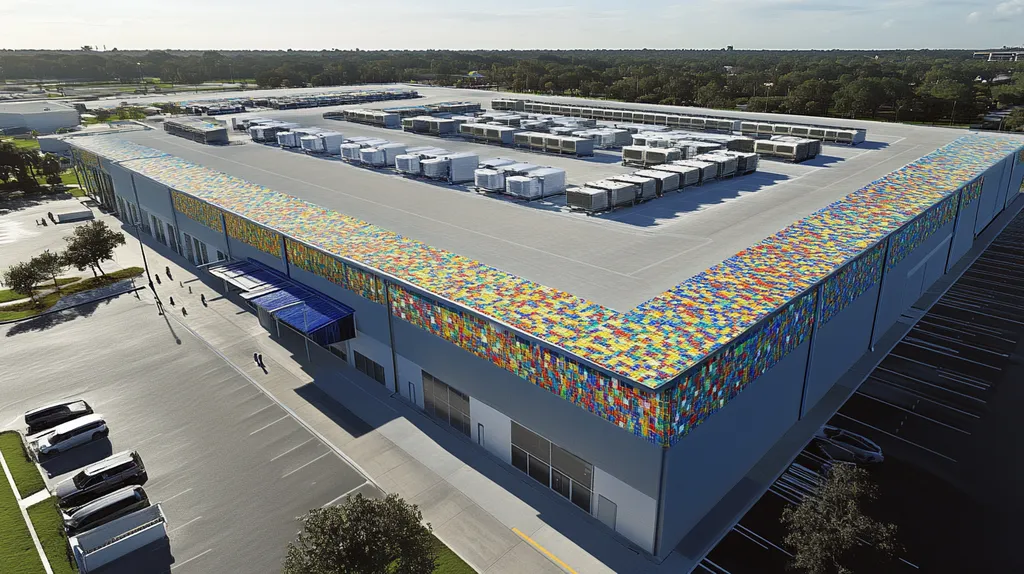
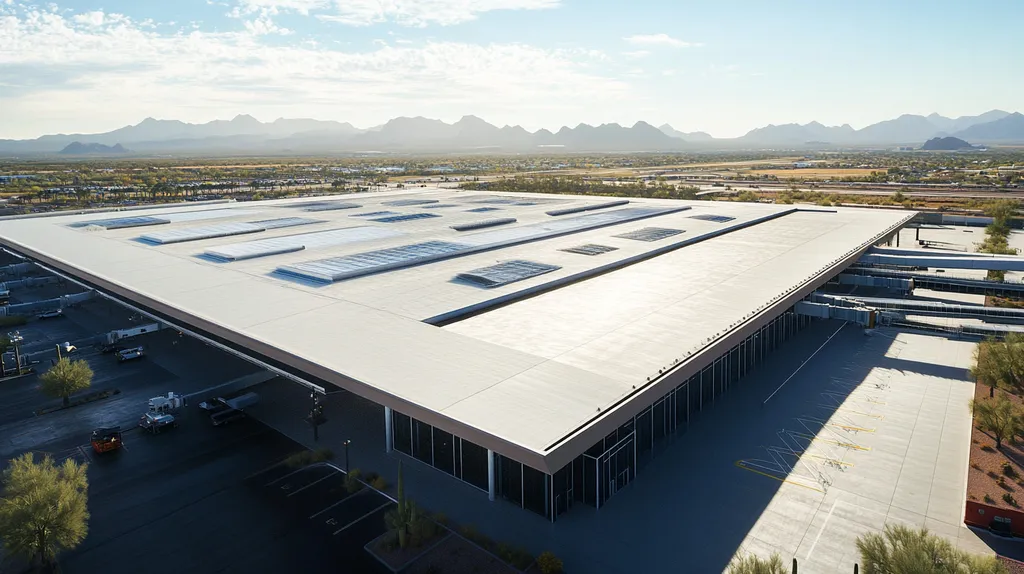
Various roof pitches play distinctive roles across commercial environments. Low-slope roofs, commonly seen atop warehouses, promote efficient drainage while providing a spacious area for necessary equipment like HVAC units. A typical low-slope configuration might feature a pitch of 1:12, ensuring effective air circulation and limiting water pooling.
On the other hand, high-pitched roofs—often gracing retail spaces—excel at maximizing airflow and minimizing heat accumulation during the warmer months. With slopes of 6:12 or steeper, these designs not only enhance natural ventilation but also bolster energy efficiency.
The choice of roof pitch can significantly affect energy usage. Buildings equipped with thoughtfully designed roof slopes often experience reduced dependency on heating and cooling systems, translating into noticeable financial savings.
Additionally, well-pitched roofs enhance indoor air quality by decreasing moisture retention. This is a crucial consideration for facility managers who aim to mitigate mold growth and foster a healthier workplace environment.
When You Need It Most
Recognizing the importance of proper roof pitch becomes urgent during seasonal transitions. For example, during winter, moisture that accumulates on low-pitched roofs may freeze and thaw, potentially leading to structural issues. Property owners must be vigilant when evaluating how roof pitch influences the challenges posed by seasonal weather.
Areas that experience heavy rainfall are particularly susceptible to the pitfalls of inadequate pitch, as insufficient airflow raises the likelihood of leaks and subsequent water damage. Choosing the right pitch is essential to mitigating such risks.
Furthermore, facilities facing rapid temperature shifts must quickly assess their roof designs. A pitch that facilitates airflow can stabilize indoor temperatures, ultimately leading to reduced energy expenses.
Early detection of potential issues can save property owners from hefty repair bills later on. Routine inspections, especially following severe weather events, are vital to maintaining optimal air circulation year-round.
Interactions With Other Systems
Roof pitch is integral to the performance of other building systems; it doesn’t operate in isolation. HVAC units often require specific venting configurations, and an appropriate roof pitch can optimize these setups. This alignment ensures efficient airflow and minimizes strain on these critical systems.
Moreover, the synergy between roof design and insulation directly influences energy efficiency. A well-pitched roof enhances airflow, which supports the effectiveness of insulation and combats heat loss.
Drainage systems also thrive on effective roof pitch. A thoughtfully designed slope works in harmony with gutters and downspouts to divert water away from a building’s foundation. Neglecting proper pitch can lead to blockages and overflow, resulting in costly structural damage.
Understanding how roof pitch interacts with these systems enables property owners and facility managers to make well-informed design decisions that enhance energy efficiency and prolong the life of their building envelopes.
SECTION 3: KEY TERMINOLOGY DECODED
Decoding roofing terminology is essential for effective discussions about roof pitch and its role in air circulation. Misunderstandings can lead to significant financial repercussions, especially as they pertain to maintenance and energy costs. Terms like “pitch,” “ventilation,” and “angle” serve as the foundation for informed conversations. This section will clarify these terms, empowering property owners and facility managers to make decisions that enhance roof performance.
Essential Terms Explained
Roof pitch is the angle or steepness of the roof surface, typically represented as a ratio. For example, a 4:12 pitch indicates a rise of 4 inches for every 12 inches of horizontal distance. Understanding roof pitch is vital because a steeper slope fosters improved water drainage and ventilation, both of which are crucial for healthy air circulation inside the building.
Air circulation refers to the movement of air within the roofing system. This circulation is critical for preventing moisture accumulation, which can shorten a roof’s lifespan and affect energy efficiency. A clear grasp of air circulation helps property owners make wise decisions regarding maintenance and upgrades.
Another key term is “ventilation,” the process that allows air to flow in and out of the roofing system. Sufficient ventilation is crucial, as it helps eliminate heat and moisture, extending the life of roofing materials. Achieving a balance between ventilation and insulation creates an effective thermal barrier, ensuring sustained performance.
Lastly, the term “angle” describes the degree of the roof’s slope, influencing its effectiveness during varying weather conditions. A solid understanding of these essential terms can facilitate more productive discussions among property owners and managers regarding their roofing systems.
Industry Jargon Translated
For those not deeply embedded in the roofing industry, certain terms can sound like a foreign language. Take “gabled roof,” for example—it describes the triangular shape at the peak of a pitched roof. This design allows better air circulation, particularly when paired with proper ventilation systems.
The term “ridge” refers to the highest point where two roof slopes converge. This area is crucial for ventilation, as it enables warm air to escape, allowing cooler air from the soffit vents below to circulate more effectively.
“Eave” is another vital term, denoting the edge of the roof that overhangs the exterior wall of the building. Thoughtful eave design can significantly improve air circulation, helping channel airflow into the attic and prevent overheating. Understanding these nuances fosters greater appreciation for how specific design features enhance air circulation.
Demystifying roofing jargon empowers property owners and facility managers to communicate seamlessly with roofing professionals, improving decision-making regarding roof performance and maintenance strategies.
Measurement & Units Simplified
Understanding measurements is crucial for grasping roof pitch. It’s most commonly calculated using the rise-over-run method, presented as a ratio. For instance, if a roof rises 6 inches for every 12 inches of run, its pitch equates to 6:12. This measurement significantly affects airflow capabilities and should be a key consideration in any design or renovation project.
Another essential unit in roofing is the “square,” which represents an area of 100 square feet. The total roof area plays a crucial role in determining material choices and ventilation requirements. Knowing this area facilitates accurate assessments of the number of ventilation units needed to foster effective air circulation.
The angle is typically measured in degrees, with residential roof angles commonly ranging from 4 to 12 degrees. For commercial structures, lower pitches are prevalent, necessitating tailored ventilation strategies. A clear understanding of these measurements allows for more precise planning, mitigating the risk of air stagnation.
Finally, familiarity with both metric and imperial measurement systems is advantageous, as roofing materials and specifications may utilize either system. Clarity in measurements helps ensure compliance with industry standards and enhances communication with contractors, leading to successful project execution.
SECTION 4: DECISION FACTORS
Choosing the right roof pitch isn’t just an exercise in aesthetics; it’s a crucial decision that impacts air circulation and the overall performance of the roof. A poorly designed pitch can lead to stifling heat buildup, soaring energy costs, and even structural woes. For property owners and facility managers, understanding the financial implications, performance trade-offs, and longevity considerations is vital to making smart choices that safeguard their investment and building integrity.
Cost Considerations
Cost is a heavy hitter when it comes to evaluating roof pitch. Steeper roofs may seem like they elevate your expenses due to the higher material and labor requirements. Conversely, a low-slope roof might promise lower initial costs but can sneak up on you with higher energy bills over time, robbing you of savings like a rogue donut at a diet meeting.
Long-term savings should always be part of the equation. Investing in a roof that supports optimal air circulation may raise upfront costs, but is likely to lead to a significant drop in energy expenses over the years. Picture this: a property with a pitched roof and effective ventilation systems could save thousands annually just on climate control costs alone.
Financing options also deserve careful consideration. Weighing the initial investment against potential savings can help property owners strike that delicate balance between today’s budget and tomorrow’s peace of mind. Effective planning enables a win-win scenario that balances initial costs with long-term financial health.
In summary, a comprehensive grasp of the cost ramifications related to roof pitch can help property managers make wise, financially sound decisions that support both immediate and future needs.
Performance Trade-offs
The pitch of your roof is a game-changer for performance. A steeper pitch can enhance air circulation, vital for fostering that delightful stack effect where hot air rises and escapes through roof vents. However, while striving for better airflow, facilities might find maintenance and repair tasks become a tad more complicated due to accessibility concerns.
On the flip side, lower-sloped roofs offer easier access for maintenance, but they can be prone to moisture accumulation without adequate ventilation. This potential for moisture buildup represents a performance trade-off that could lead to expensive repairs if not kept in check. Selecting the right pitch hinges on finding the right balance for your specific building needs.
It’s also critical to consider how certain roofing materials interact with various pitches. For instance, membrane roofing systems may flourish on low-sloped roofs, while metal roofs are often better suited to steeper designs. Understanding these relationships helps property managers maximize the performance of their selected materials.
Ultimately, taking the time to assess performance trade-offs associated with roof pitch can differentiate between a robust, long-lasting roof and one that may need frequent attention and costly replacements.
Lifespan & Durability Factors
Roof pitch plays an undeniable role in the longevity and durability of roofing systems. Generally, pitched roofs excel at shedding snow and rain, greatly reducing the risk of water pooling—a key factor that could degrade materials over time. Without a suitable pitch to facilitate adequate drainage, roofs become more vulnerable to issues like rust, rot, and structural stress.
Consider flat roofs, which can experience significantly shorter lifespans if drainage isn’t prioritized. Water accumulation without proper pitch can lead to leaks and hasten the demise of the roof. A well-designed pitch, however, can dramatically enhance durability and longevity.
Durability ties closely to ventilation. A roof designed with the proper pitch enhances airflow, which helps mitigate heat buildup and the awkward thermal expansion issues that can wreak havoc on materials. Each thoughtful investment in design principles addressing roof pitch translates into long-term durability.
For property owners, these lifespan and durability factors are not to be taken lightly. A well-planned roof pitch not only supports optimal performance and efficiency but also extends the life of the roof—maximizing every dollar invested in building protection.

SECTION 5: COMMON CHALLENGES
When it comes to roofing, understanding the complex connection between roof pitch and air circulation is crucial for not just aesthetics but structural durability. Poor airflow can wreak havoc on a roof, resulting in unwanted moisture, mold growth, and material degradation. For instance, low-pitched roofs often suffer from stagnant air, leading to increased energy costs and repair bills, which is like throwing money out the window. Property owners and facility managers must recognize and tackle these challenges head-on to ensure their roofs perform at their best.
Frequent Problems & Solutions
Inadequate air circulation is perhaps the most common challenge associated with roof pitch, particularly in low-slope designs. This results in heat buildup and moisture that can lead to material failure. To combat this, it’s essential to implement effective venting systems. Options such as rooftop fans and ridge vents can facilitate the airflow necessary to mitigate heat and moisture accumulation.
Moreover, improper insulation installation can worsen airflow issues. It’s vital that insulation is installed with airflow in mind, allowing heat retention without compromising ventilation. Regular audits and inspections can pinpoint insufficient insulation or ventilation, paving the way for actionable improvements.
Debris accumulation in valleys and low-pitched areas is another frequent hurdle. This buildup can obstruct airflow and trap moisture, leading to a banquet of problems. Establishing regular cleaning schedules will ensure these areas remain clear and allow the desired airflow for effective ventilation.
Lastly, the overarching design of the building can influence the roof’s performance. Collaborating closely with architects during the design phase can lead to a roof structure that promotes optimal air movement, preventing many issues before they even have the chance to arise.
Warning Signs To Watch For
Property owners and facility managers need a keen eye for signs that all is not well with roof air circulation. One obvious red flag is the presence of water stains or discoloration on ceilings and walls—a telltale sign of trapped moisture leading to leaks.
A musty odor is another indicator, often signaling mold growth lurking in dark corners. Regular inspections for mold are especially crucial in areas linked to low-pitch roofs where airflow may be compromised.
Rising energy costs can also hint at inadequate air circulation. A roof that isn’t ventilating properly forces HVAC systems to work overtime, leading to higher bills in hot summer months—a wake-up call that signals the need for a reevaluation of roofing and ventilation strategies.
During inspections, keep an eye out for debris buildup or standing water in low-slope areas. These issues may have short-lived consequences but can lead to serious long-term problems if not addressed promptly.
Preventative Approaches
A proactive approach to maintenance is key in navigating the challenges associated with poor air circulation linked to roof pitch. Start with regular inspections by certified roofing professionals, ensuring airflow is optimal and identifying potential trouble spots early.
Additionally, investing in high-quality ventilation systems from the outset is critical. A smart mix of passive and active ventilation strategies can drastically improve air exchange rates and prevent moisture issues.
Routine cleaning of roofs is another essential preventative measure. Implementing a regular debris removal schedule will ensure that vents and drainage systems remain functional, allowing for seamless airflow.
Opting for materials that enhance ventilation is also a smart investment. Certain roofing materials and designs are inherently better at promoting airflow, thus reducing future complications.
Finally, fostering collaboration between roofing contractors and architects during the design phase can set the stage for proper ventilation, ensuring a fluid airflow system is in place right from the get-go.
SECTION 6: NEXT STEPS & RESOURCES
Making smart decisions about roof pitch and air circulation is essential for maintaining your property’s integrity and efficiency. Ignoring these crucial elements can lead to serious consequences, including soaring energy bills and premature roof failures. Think of a roof with inadequate pitch as a tiny greenhouse for moisture—great for mold, not so much for structural health. To keep your buildings safe and sound, property owners and facility managers must ask the right questions and tap into reliable resources.
Questions To Ask Providers
When selecting a roofing provider, it’s vital to pose questions that ensure effective airflow and roof performance. Start by exploring their experience with various roof pitches; ask how these shapes impact air circulation. Get them talking about how they’ve tackled ventilation challenges on past projects—real examples can reveal their expertise.
Dive into the types of materials they suggest for your specific pitch and climate. Material choice can greatly influence performance, so it’s a savvy inquiry. Also, discuss their approach to insulation; without proper installation, even the best roofing designs can flounder. A perfect integration of insulation and ventilation can maximize energy efficiency and comfort.
Lastly, don’t forget to check if they offer a comprehensive maintenance plan. Regular inspections are key to catching potential air circulation problems before they snowball into crises. By asking the right questions, property owners can find knowledgeable providers who prioritize optimal air flow.
Industry Standards & Guidelines
Acquainting yourself with industry standards is crucial for making informed roofing decisions. The American Society for Testing and Materials (ASTM) outlines guidelines for determining appropriate roof pitch based on climate and building type. These standards offer a solid foundation, emphasizing the necessity for adequate ventilation—an essential ingredient for both structural integrity and energy efficiency.
Additionally, the Roofing Contractors Association (RCA) provides resources detailing best practices for installation and maintenance. Their guidelines advocate for keeping an eye on air circulation as it relates to roof pitch, aiming to avert moisture accumulation and thermal inefficiencies. With this knowledge, property owners can evaluate their current roofing systems and identify areas for improvement.
Engaging with local building codes is equally important. Many jurisdictions impose specific requirements regarding roof pitch and ventilation setups. Adhering to these regulations not only prevents potential fines but also extends the lifespan of your roofing investment.
Further Learning Simplified
For property owners and facility managers eager to deepen their understanding of roof pitch and air circulation, a wealth of resources is available. Consider attending webinars and online courses that demystify rooftop principles through real-world applications. Industry organizations frequently publish articles that break complex topics into easily digestible information, making learning about roofing both engaging and informative.
Engaging with local roofing pros through workshops or seminars can also yield valuable insights. Networking with experts in the field enhances decision-making processes about roofing solutions down the line.
If a tailored approach is what you need, think about investing in consultative services for personalized recommendations that cater to your building’s specific needs. These specialists can clarify misconceptions regarding roof pitch and its influence on air circulation, leading you toward optimal roofing performance.
The Bottom Line
With 40% of commercial roofs experiencing premature failure due to poor ventilation, the relationship between roof pitch and air circulation can no longer be ignored.
Property owners who understand this critical connection save an average of $2.15 per square foot annually in energy costs while extending their roof’s lifespan by up to 15 years.
As climate patterns become more extreme and energy costs continue to rise, proper roof pitch design becomes increasingly vital for building performance and operational efficiency.
The science is clear: optimal air circulation through strategic roof pitch isn’t just about preventing moisture damage—it’s about protecting your investment and ensuring your facility’s long-term sustainability.
The future of commercial roofing lies in understanding and implementing these fundamental principles, turning what was once considered purely structural into a key driver of building performance.
FREQUENTLY ASKED QUESTIONS
Q. How does roof pitch affect air circulation in commercial roofs?
A. Roof pitch determines how effectively air moves across the roof’s surface. A proper slope enhances ventilation, while an inadequate pitch can trap moisture, leading to issues like mold and decreased energy efficiency.
Q. What pitch is best for industrial roofs to optimize airflow?
A. A pitch of 1:12 is commonly favored for industrial roofs, effectively promoting drainage and air circulation. This design supports equipment placement while ensuring longevity and effectiveness in managing moisture.
Q. What are essential terms to understand roof pitch for a commercial roof?
A. Key terms to know include “pitch,” representing the roof’s angle, “air circulation,” referring to airflow within the roofing system, and “ventilation,” which is crucial for expelling heat and moisture. Understanding these helps in decision-making.
Q. How can I assess roof pitch for my commercial building?
A. Start by measuring the rise over a set distance, usually 12 inches, to calculate the ratio. Evaluate how this affects drainage and air movement to choose the best fit for your building’s needs.
Q. What are some common challenges with low-pitched roofs?
A. Low-pitched roofs often suffer from stagnant air and moisture issues, leading to mold growth. Implementing effective ventilation systems, like ridge vents and fans, can combat these problems and enhance airflow.
Q. What questions should I ask a roofing provider about air circulation?
A. Ask about their experience with various roof pitches, how they address ventilation challenges, and which materials they recommend. Inquiring about their overall approach to insulation can also clarify how effectively they’ll optimize air circulation.
Q. How can roof design impact HVAC efficiency in a commercial roof?
A. Properly designed roof angles promote better airflow, boosting HVAC efficiency. Adequate pitch can reduce the load on heating and cooling systems, leading to cost savings and enhancing indoor comfort.






