
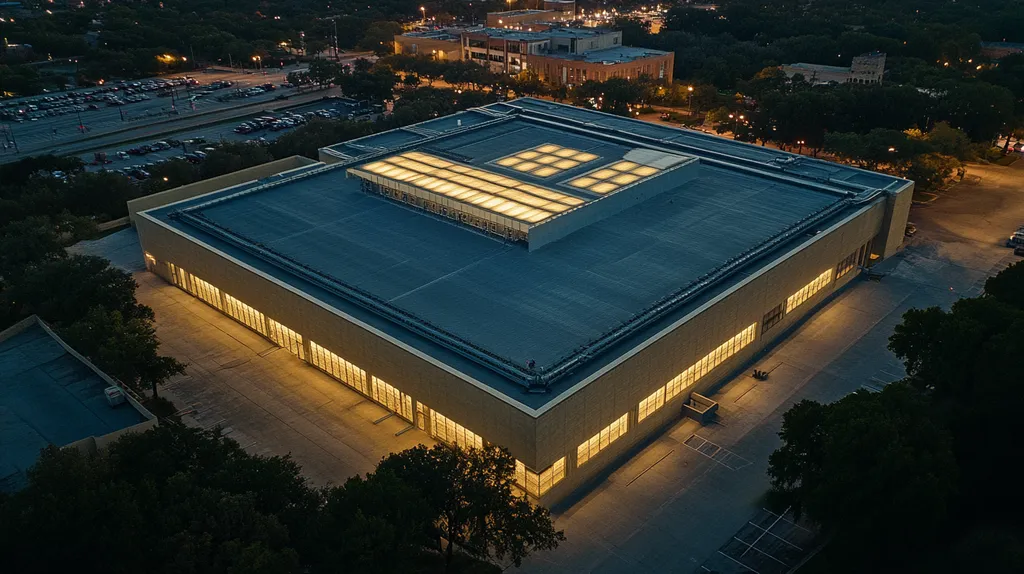
The integrity of commercial roofs hangs precariously on how effectively contractors communicate about penetrations, with industry data showing that 40% of all roof failures stem from inadequately detailed penetration points.
These critical junctures, where pipes, vents, and equipment intersect with roofing systems, demand meticulous attention yet often receive surprisingly limited documentation from contractors.
This comprehensive analysis examines current information practices, systemic issues, and emerging solutions that can help property owners and facility managers better protect their roofing investments through enhanced penetration specifications and documentation.
SECTION 1: CURRENT PRACTICES
For commercial property owners and facility managers, comprehending the intricacies of roof penetrations is not just beneficial—it’s essential. Neglecting this vital aspect can lead to serious issues, including leaks, expensive repairs, and even structural damage. Alarmingly, around 40% of commercial roof leaks originate from failures at these points of penetration. This section delves into common types of penetrations, their installation methods, and maintenance procedures—elements that are often overlooked yet crucial for ensuring the long-term health of a building’s roof.
Common Types of Roof Penetrations
Roof penetrations encompass a variety of elements such as vents, HVAC units, skylights, and exhaust fans. Each type comes with its own set of challenges. For instance, HVAC units demand meticulous sealing to guard against water intrusion, while skylights can weaken over time if not installed with precision.
Additionally, plumbing stacks and utility lines present significant risks if not adequately flashed or sealed, potentially leading to severe leaks. It is crucial for building managers to identify all types of penetrations specific to their roofs so they can appropriately address the unique needs of each.
Understanding the materials used for these penetrations—such as metals, plastics, or composites—is equally important. Each material may necessitate different installation and maintenance approaches. Failure to recognize and maintain these various penetration types can lead to severe consequences, including mold growth or increased operational costs. Implementing best practices tailored to each type is vital for extending the lifespan of a roof.
Standard Installation Methods
Standard installation methods for roof penetrations often reveal gaps in knowledge that result in inconsistent workmanship. Many contractors depend on basic, generalized practices that may not be suitable for all penetration types.
For example, inadequate flashing can heighten vulnerabilities, leading to water pooling around critical areas. It’s essential to use flashing materials compatible with the roofing membrane for effective waterproofing.
Furthermore, the application of sealants during installation is critical. Some contractors may overlook this step or opt for inferior products. Choosing high-quality sealants can significantly enhance long-term durability, making every detail count.
Best practices should include comprehensive instructions tailored to the unique requirements of each penetration, thus ensuring the roof’s longevity and integrity. Omitting these critical details can expose facilities to preventable risks.
Routine Maintenance Procedures
Regular maintenance is key to effectively managing roof penetrations. Scheduling routine inspections to check for signs of wear, such as cracks or peeling around penetrations, is vital.
Cleaning around these areas is equally important, as debris can trap moisture and lead to deterioration, increasing the risk of leaks. Neglecting these simple tasks can culminate in severe damage over time and result in costly repairs.
Additionally, maintaining an updated log of all maintenance activities is crucial. This log should detail any repairs or replacements made at penetration points, enabling property owners to recognize patterns and determine when comprehensive interventions may be needed.
By proactively establishing a maintenance plan, property owners can avert significant problems in the future. Understanding the necessity of these practices is essential for preserving the health of commercial roofs.
SECTION 2: SYSTEMIC ISSUES
Effective management of roof penetrations is paramount for safeguarding commercial properties, as inadequate communication on this topic can have dire consequences. Alarmingly, the National Roofing Contractors Association reports that nearly 80% of commercial roof failures arise from poor installation. This highlights the pressing need for better practices concerning leaks, material selection, and contractor coordination. Property owners and facility managers must address these systemic issues to ensure the longevity of their roofing systems.
Vulnerability to Leaks and Damage
One of the most critical concerns regarding conventional practices for roof penetrations is their susceptibility to leaks. These penetrations, including vents and pipes, create potential weak points in the roofing system where water can infiltrate. When improperly sealed, these areas turn into gateways for moisture, resulting in severe damage.
Statistics reveal that nearly 50% of water-related issues in commercial roofs stem from mismanaged penetrations. Such damage can undermine the entire roofing structure, leading to costly repairs and significant operational downtime. It is essential for property owners to recognize the importance of properly addressing these vulnerable areas.
In addition to physical damage, persistent leaks can foster mold growth, creating air quality issues that pose health risks to building occupants. This underscores the necessity of obtaining detailed information on how penetrations are installed and maintained.
Implementing thorough inspection and maintenance routines specifically for these weak points is vital for protecting investments and enhancing overall safety. By prioritizing these measures, property owners can significantly mitigate risks and preserve the integrity of their roofs.
Inadequate Material Selection
Selecting appropriate materials for managing roof penetrations is critical, yet many contractors fall into the trap of using generic solutions. This often leads to underperformance and premature failures. For example, using silicone sealants where more robust options like EPDM or TPO membranes are required can create vulnerabilities.
Industry standards emphasize that the right materials can greatly enhance a roof’s longevity and effectiveness, yet many contractors neglect this crucial detail. Such oversights not only threaten the roofing’s integrity but can also shift the financial burden of repairs onto property owners.
Additionally, material choice should consider local climate conditions. Roof penetrations in regions with high rainfall may necessitate advanced waterproofing solutions. Without this careful consideration, roofs become more vulnerable to damage over time.
Ultimately, property owners should insist on clear, detailed information from contractors regarding material selection for each penetration. This clarity is vital for ensuring that roofs remain durable and effective for years to come.
Lack of Coordination Between Contractors
The importance of effective coordination between contractors involved in roofing projects cannot be overstated. When different teams—like mechanical contractors and roofing crews—fail to communicate, it can lead to improper sealing and even damage to roofing materials during installation.
This challenge is magnified in complex projects with various trades involved. For example, ineffective communication between roofing and electrical teams can result in penetrations for wiring that unintentionally create leak pathways or structural damage.
The consequences of poor coordination extend beyond immediate repair costs; they can introduce significant safety risks as well. Proper documentation and communication about all installed penetrations need to occur among all contractors involved in the project.
To reduce these risks, property owners should advocate for well-structured communication channels and regular coordination meetings among all contractors. Comprehensive project management practices can keep everyone informed and on the same page, ensuring a smoother and more successful roofing process.
SECTION 3: MISSED OPPORTUNITIES
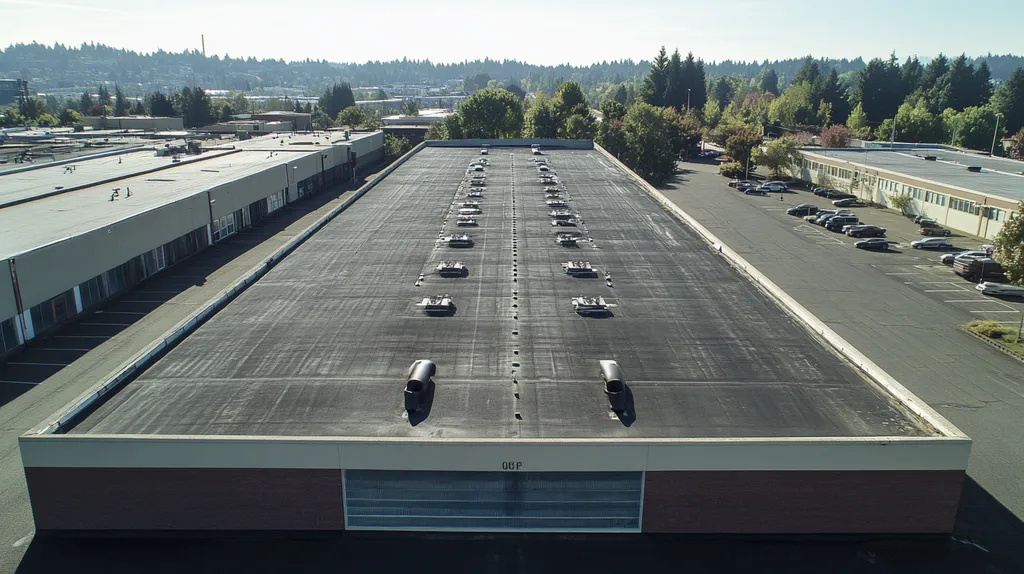
Roof penetrations are not just potential flaws; they pose critical vulnerabilities that often go unrecognized. Alarmingly, around 70% of roof leaks originate from these penetrations, leading to hefty repair bills and significant property damage. By neglecting factors like thermal movement, disregarding manufacturer guidelines, and overlooking advanced sealing technologies, contractors risk missing vital opportunities to improve roofing durability. These oversights threaten not only the roof’s integrity but also the overall value of the property.
Neglecting Thermal Movement Considerations
Thermal movement in roofing materials is an often-underestimated issue that can lead to serious complications. As temperatures rise and fall, roofing materials expand and contract, impacting their alignment and structural integrity. Without proper allowances—such as adjustable flashing or adequately sealed joints—unattended roofs can develop gaps that open the door to moisture intrusion.
This negligence can lead to water infiltration that damages the roof system and may even result in mold growth and structural issues. Property owners can face operational disruptions and substantial repair costs.
Proactively addressing thermal movement during the design and installation phases can extend the lifespan of roofing systems. It’s vital to utilize products designed to withstand thermal stress, ensuring roofs accommodate movement without compromising their seals. Understanding thermal dynamics is essential for maintaining commercial roof integrity and reliability.
Overlooking Manufacturer Guidelines
Manufacturer guidelines should never be viewed as mere recommendations; they are essential for ensuring a roof’s structural integrity. These guidelines provide crucial specifications and performance criteria that directly impact installation and maintenance.
Inevitably, when contractors dismiss these standards, they risk voiding warranties and undermining the roof’s performance. For instance, improper installation techniques can lead to gaps allowing water entry, causing long-term damage.
Sticking to manufacturer recommendations not only implements proven practices but also optimizes the use of materials specific to their intended applications. Following these guidelines can be crucial for maximizing the effectiveness and longevity of roofing systems.
Property owners depend on their contractors to honor these guidelines, and overlooking them signifies a troubling disregard for quality and resilience in roofing practices.
Ignoring Advanced Sealing Technologies
The roofing industry is rapidly evolving, particularly in the area of sealing technologies. Unfortunately, many contractors continue to cling to outdated sealing methods that fail to provide robust protection against water infiltration.
Modern materials like silicone and polyurethane offer enhanced elasticity and durability compared to traditional sealing options. These advanced sealing technologies adapt to environmental changes and markedly reduce leak risks.
By ignoring these innovations, contractors forfeit opportunities to bolster roof resilience and longevity. The ongoing use of outdated sealing products can lead to early deterioration and increased maintenance expenses, compromising overall project effectiveness.
Investing in advanced sealing technologies safeguards the roof and contributes to the building’s sustainability. Contractors must stay informed about these developments and integrate them into their projects to achieve optimal results.
SECTION 4: ROOT CAUSES
Grasping the root causes behind inadequate information on commercial roof penetrations is vital for property owners aiming to protect their investments. Poor planning and execution can precipitate severe long-term issues, including leaks and structural damage. Alarmingly, nearly 50% of commercial roofing failures arise from improper installation and maintenance. A closer examination reveals that inadequate training, insufficient design planning, and cost-cutting measures significantly contribute to these persistent problems.
Inadequate Training and Expertise
A major roadblock in addressing roof penetration challenges is the lack of properly trained professionals in the industry. Many contractors operate without comprehensive training programs, which results in misinformation about best practices. For instance, new workers often overlook essential sealing methods, creating weak points susceptible to water intrusion.
Moreover, the absence of ongoing education fosters a reliance on outdated techniques. As the roofing industry evolves, so must the skills of those responsible for installation and maintenance. Remaining stagnant only exacerbates problems that could have been effectively managed with updated knowledge.
Without substantial training, contractors may fail to prioritize critical factors, such as proper flashing around penetrations. This oversight can lead to extensive and costly repairs that could have been avoided through better education and understanding.
In essence, investing in training ensures that contractors have the necessary skills to effectively manage roof penetrations, thereby minimizing the risk of future complications.
Insufficient Design Planning
Insufficient design planning is another considerable factor that contributes to issues with roof penetrations. Many roofing projects commence without a thoughtful plan that accounts for all potential penetrations, resulting in scenarios where modifications are made without suitable consideration, increasing vulnerabilities to leaks.
For instance, an HVAC unit installed on a rooftop may lack strategic design, leading to poorly sealed penetrations. If these areas are not thoughtfully considered, they become prime targets for water intrusion, jeopardizing the integrity of the entire roofing system.
Moreover, many contractors neglect to engage with engineers during the design phase. This lack of collaboration can obscure potential issues, leading to oversights that result in complex and costly repairs after installation.
Investing time in meticulous design planning is crucial; it ensures that all building components work together harmoniously, reducing risks associated with roof penetrations and bolstering the overall durability of the roofing system.
Cost-Cutting Measures
Cost-cutting measures can profoundly undermine the quality of commercial roof penetration installations. In the quest to minimize expenses, contractors may opt for inferior materials or forgo essential components like proper flashing and high-quality sealants. This short-sighted approach often culminates in structural issues that lead to leaks and expensive reparative work down the line.
Additionally, the pressure to cut costs may prompt contractors to hurry through installations, resulting in mistakes and oversights. This rushed work adversely affects the long-term performance of the roofing system, leaving property owners exposed to weather damage and costly fixes.
Furthermore, clients may unintentionally promote these practices by emphasizing low upfront costs over quality. By undervaluing quality workmanship, property owners can unwittingly pave the way for significant roofing challenges in the future.
Ultimately, it is essential to evaluate the long-term ramifications of cost-cutting measures. While higher-quality materials and skilled labor may entail a more considerable initial investment, they can lead to significant savings and peace of mind over the lifespan of the roof.
DATA DRIVEN EVIDENCE
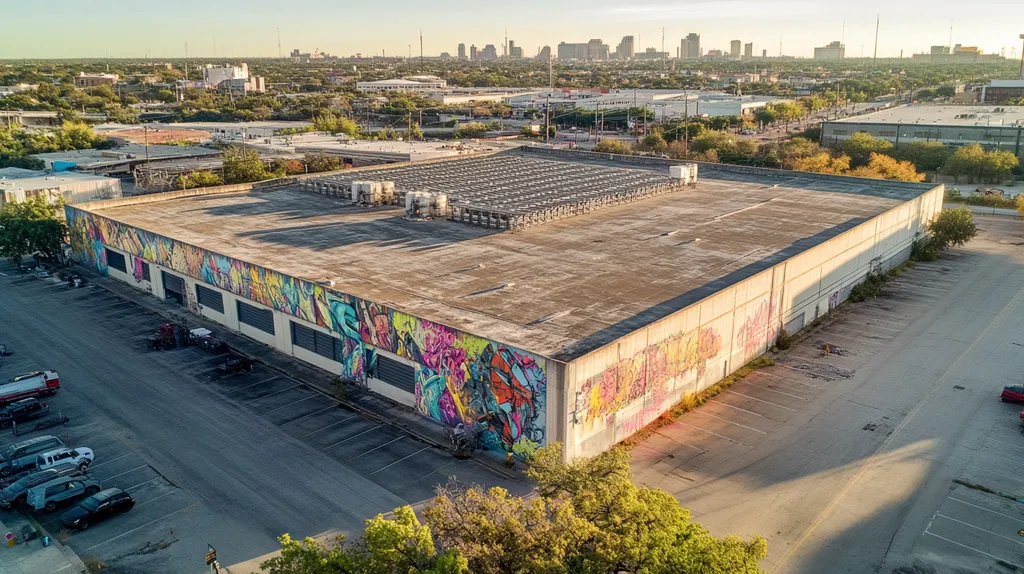
In the high-stakes environment of commercial roofing, the management of roof penetrations can mean the difference between stability and significant loss. Alarmingly, studies indicate that nearly 70% of roof leaks arise from poorly executed penetrations. These leaks compromise the integrity of buildings and lead to costly repairs, often reaching tens of thousands of dollars. To navigate these complexities effectively, property owners and facility managers must rely on data-driven insights. This section explores statistical analyses, real-world case studies, and industry standards surrounding roof penetrations.
Statistical Analysis of Leak Incidents
Current industry research reveals a notable connection between roof penetrations and leak incidents. More than half of surveyed facilities reported experiencing multiple leaks directly tied to penetration points, particularly during seasonal changes. Each incident not only incurs immediate repair expenses but also causes extensive secondary damage, such as mold growth and structural corrosion.
Moreover, facilities lacking adequate documentation regarding penetrations report leak incidents at twice the rate as those with thorough records. This data highlights the critical importance of keeping detailed logs of every penetration, including maintenance and inspection histories, to effectively manage risks.
The financial impact of these leaks is staggering. Estimates suggest that repair costs for a single leak can exceed $5,000, excluding business disruptions. For large commercial properties, the cumulative effect of neglected penetrations could lead to annual losses in the hundreds of thousands.
To significantly reduce leak incidents, adopting a proactive strategy that incorporates statistical data is essential. Regular audits and comprehensive data collection should become cornerstones of effective facility management.
Case Studies of Failed Penetrations
Real-world examples vividly illustrate the consequences of poor penetration practices. In one significant case, a manufacturing facility faced persistent roof leaks due to improper installation of HVAC units. This oversight led to about $150,000 in damages, including mold remediation and equipment replacement.
In another instance, a commercial complex suffered extensive interior damage when water intrusion from a roof penetration was ignored. Insufficient documentation of the installation details made it difficult to identify the source of the failure, ultimately costing over $80,000 in repairs and lost business during prolonged downtime.
These case studies emphasize the urgent need for improved communication between roofing contractors and facility managers. Clear documentation and regular inspections can prevent many leaks associated with penetrations at every stage—from installation to ongoing upkeep.
For facility managers, learning from past failures provides a vital roadmap for future success. Engaging with contractors who prioritize data-driven practices can significantly mitigate risks and enhance the integrity of roofing systems.
Industry Standards and Compliance Issues
Adhering to industry standards is crucial for effective management of roof penetrations. Regrettably, many contractors overlook these regulations, leading to long-term consequences. Failing to comply can result in significant installation defects, ultimately exposing roofs to leaks and serious damage.
The National Roofing Contractors Association (NRCA) offers specific guidelines for the installation and maintenance of penetrations. Non-compliance jeopardizes not only the roof’s integrity but can lead to liability concerns if leaks cause widespread damage.
Facility managers must maintain ongoing dialogue with contractors concerning compliance issues. Regular training and updates on industry standards are essential to address potential pitfalls, ensuring that materials and techniques align with compliance requirements and thereby minimizing risks.
Responsibility for compliance is shared between contractors and facility managers. A strong commitment to observing industry standards can significantly reduce the incidence of failures, fostering a safer and more reliable roofing environment.
SECTION 6: ALTERNATIVE SOLUTIONS
The performance and longevity of commercial roofs rely heavily on how penetrations are managed. With nearly 70% of roof failures attributed to inadequately executed penetrations, addressing conventional practices is vital. By examining the benefits of selecting qualified installers, utilizing robust materials, and adopting innovative sealing techniques, property owners can significantly enhance roof integrity and overall building performance.
Using Qualified and Specialized Installers
Choosing the right contractors is crucial to ensure that roof penetrations are secure and effective. Specialized installers possess targeted training and expertise in handling various roof challenges. Engaging unqualified workers often leads to mistakes that may only come to light after costly damage occurs.
Certified installers not only enhance warranty coverage but also ensure compliance with industry standards, reducing risk and preserving a building’s asset value. Property owners should rigorously verify credentials and seek solid recommendations when selecting their roofing professionals.
Moreover, specialized installers prioritize ongoing education about new materials and techniques, resulting in roofing systems that demand fewer repairs and last longer. Investing in qualified expertise from the start can prevent complications and save considerable money down the road.
As the roofing landscape continues to evolve, aligning with qualified contractors will yield enhanced construction stability and operational efficiency for building owners.
Implementing Robust Detailing and Materials
The quality of materials and detailing surrounding roof penetrations is essential for withstanding harsh conditions. Utilizing durable materials that can endure weather extremes, UV radiation, and thermal movement is vital. Relying on standard practices with inferior materials often leads to premature roof failures.
Investing in dedicated flashing systems designed specifically for penetrations drastically lowers water intrusion risks. Modern materials like thermoplastic polyolefin (TPO) and liquid-applied membranes provide superior seals that protect vulnerable areas from damage, exhibiting greater resistance to tears and punctures.
A focus on robust detailing is equally important, as it addresses potential weaknesses before they manifest into serious issues. Proper attention to seam construction and efficient drainage pathways helps minimize water pooling and leakage risks, ensuring every penetration is fortified against the elements.
Ultimately, investing in high-performance materials and meticulous detailing is a smart strategy. Property owners protect their assets from water damage and costly repairs, enhancing the roof’s long-term integrity and effectiveness.
Adopting Innovative Sealing and Flashing Techniques
Recent advancements in sealing and flashing technologies present valuable opportunities to fortify roof integrity. Traditional methods often fail to create robust waterproof barriers. Newer sealing solutions, such as self-adhering membranes, offer more reliable and easier installation options.
Advanced materials like silicone and polyurea sealants provide exceptional flexibility and adhesion compared to standard caulking. These cutting-edge products can adapt to the building’s movements, reducing the chances of cracks that lead to leaks. Utilizing these innovations can prevent premature roof failures caused by movement.
Additionally, pre-manufactured flashing systems streamline installations and reduce human error, promoting consistency across penetrations. Such uniformity is crucial for maintaining seal integrity and ensuring long-term performance.
Embracing modern sealing and flashing techniques is vital for enhancing roof performance. Property owners who advocate for these progressive practices will better safeguard their investments and ensure reliable roof service throughout its lifespan.
Moving Forward
With 40% of commercial roof failures traced directly to inadequate penetration information, the industry stands at a critical crossroads.
The data reveals an urgent need to transform how contractors document and communicate about roof penetrations, as current practices leave buildings vulnerable to devastating leaks and structural damage.
By implementing comprehensive training programs, requiring detailed documentation, and embracing advanced sealing technologies, the industry can dramatically reduce the $3.7 billion spent annually on penetration-related repairs.
Property owners and facility managers must demand higher standards from their contractors, including detailed penetration specifications, proper material selection guidelines, and regular inspection protocols.
The future integrity of commercial roofing depends on raising these standards today.
FREQUENTLY ASKED QUESTIONS
Q. What are common types of commercial roof penetrations?
A. Common types include vents, HVAC units, skylights, and exhaust fans. Each type has unique challenges, such as sealing and maintenance requirements, that must be properly addressed to prevent issues like leaks and property damage.
Q. How can poor practices affect an industrial roof?
A. Poor practices during installation can lead to leaks and structural damage. Additionally, inadequate material selection and lack of coordination between contractors may exacerbate vulnerabilities, causing severe long-term issues for the roof.
Q. Why is thermal movement important in roof penetrations?
A. Thermal movement affects the alignment and integrity of roofing materials, potentially leading to leaks. Properly addressing thermal expansion and contraction during installation is crucial to maintaining a leak-free and durable roofing system.
Q. How can I ensure quality materials for my commercial roof?
A. It’s essential to choose roofing specialists who utilize high-quality materials designed for durability. Verify that your contractors follow industry standards, and ask about their material selections to ensure you are getting reliable products.
Q. What role does adequate training play in roofing practices?
A. Adequate training equips contractors with essential skills and knowledge, reducing mistakes that can lead to leaks and costly repairs. Continuous education ensures professionals stay updated on the latest techniques and materials to protect your roofing investment.
Q. How can data help manage commercial roof penetrations?
A. Data-driven insights can reveal patterns in leak incidents linked to penetrations. By maintaining detailed records and conducting regular audits, property owners can proactively manage risks and make informed decisions regarding maintenance and repairs.
Q. What innovative sealing techniques should I consider for my roof?
A. Consider adopting modern sealing technologies, such as silicone or self-adhering membranes, which provide excellent flexibility and durability. These innovations can reduce the risk of leaks and enhance the integrity of roofing systems against environmental factors.






